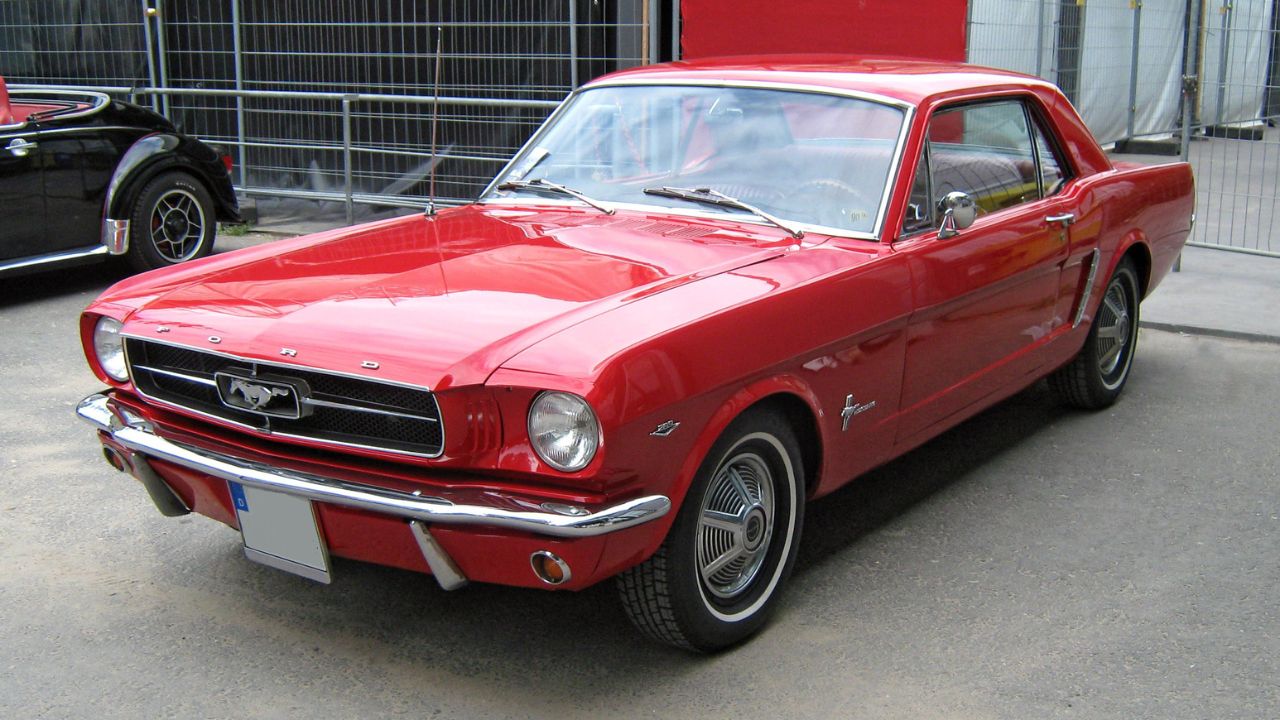
The Ford Mustang became one of the most successful cars in automotive history, but its final design was not the only idea considered by the company. Before the famous pony car reached dealerships, Ford explored several different concepts that could have changed its identity completely. The Mustang that became a legend was shaped by careful decisions, market research, and a willingness to adapt.
Ford Originally Imagined a Different Kind of Car
During the early 1960s, Ford was searching for a vehicle that could attract younger buyers and expand beyond traditional family cars. The company recognized that a new generation of drivers wanted something stylish and exciting, but executives were still uncertain about the exact formula.
Early Mustang proposals were much different from the production model. Some designs focused more heavily on being a true sports car rather than an affordable, customizable coupe. Ford explored concepts with two-seat layouts, lightweight construction, and more aggressive performance characteristics.
However, research showed that a limited sports car would appeal to too small of an audience. Ford needed something practical enough for everyday buyers while still offering a sporty image.
That realization pushed the company toward the formula that eventually created the Mustang.
The Falcon Connection Changed Everything
Instead of building an expensive dedicated sports car, Ford decided to use existing components from the compact Falcon platform. This decision helped reduce development costs and allowed the company to offer the Mustang at a competitive price.
Although some enthusiasts initially viewed the Falcon-based engineering as a compromise, it became one of the Mustang’s greatest advantages. The shared platform allowed Ford to create a wide range of versions, from economical six-cylinder models to powerful V8 performance cars.
This flexibility made the Mustang appealing to a much larger audience. Buyers could choose a model that matched their budget, personality, and driving style.
Ford’s decision to prioritize accessibility over exclusivity became a key reason the Mustang became a massive success.
Styling Became the Secret Weapon
While engineering choices were important, the Mustang’s design played the biggest role in capturing public attention. Ford designers created a long hood, short rear deck, and sporty profile that gave the car an exciting appearance without making it impractical.
The company also emphasized personalization. Customers could select from numerous colors, engines, interior options, and accessories, allowing each Mustang to feel unique.
This approach created an emotional connection between buyers and the car. The Mustang was not simply transportation—it became a reflection of personal style and individuality.
A different design direction could have produced a very different vehicle, but Ford’s final approach perfectly matched the changing tastes of American consumers.
A Different Mustang Could Have Changed History
The Mustang’s success was not guaranteed. A more expensive sports car, a limited-production model, or a less practical design might never have achieved the same level of popularity. Ford’s willingness to adjust its original ideas created a vehicle that appealed to millions of buyers.
The Mustang went on to create the pony car segment, inspire countless competitors, and become one of the most recognizable automotive names in the world. Its success came from combining affordability, style, and performance in a way few cars had done before.
Today, the Mustang remains a symbol of innovation because Ford chose the right balance between ambition and practicality.
The Mustang that became a legend was not the car Ford first imagined—it was the result of choosing a smarter path that changed automotive history forever.
More from Fast Lane Only
- Unboxing the WWII Jeep in a Crate
- 15 rare Chevys collectors are quietly buying
- 10 underrated V8s still worth hunting down
- Police notice this before you even roll window down
*Research for this article included AI assistance, with all final content reviewed by human editors