American automotive history is rich with innovation, showcasing vehicles that not only defined their era but also hinted at the future of transportation. Many of these forgotten cars were ahead of their time, pushing boundaries in design, technology, and environmental consciousness. Here are eight remarkable examples that predicted the future surprisingly well.
Cadillac Cyclone
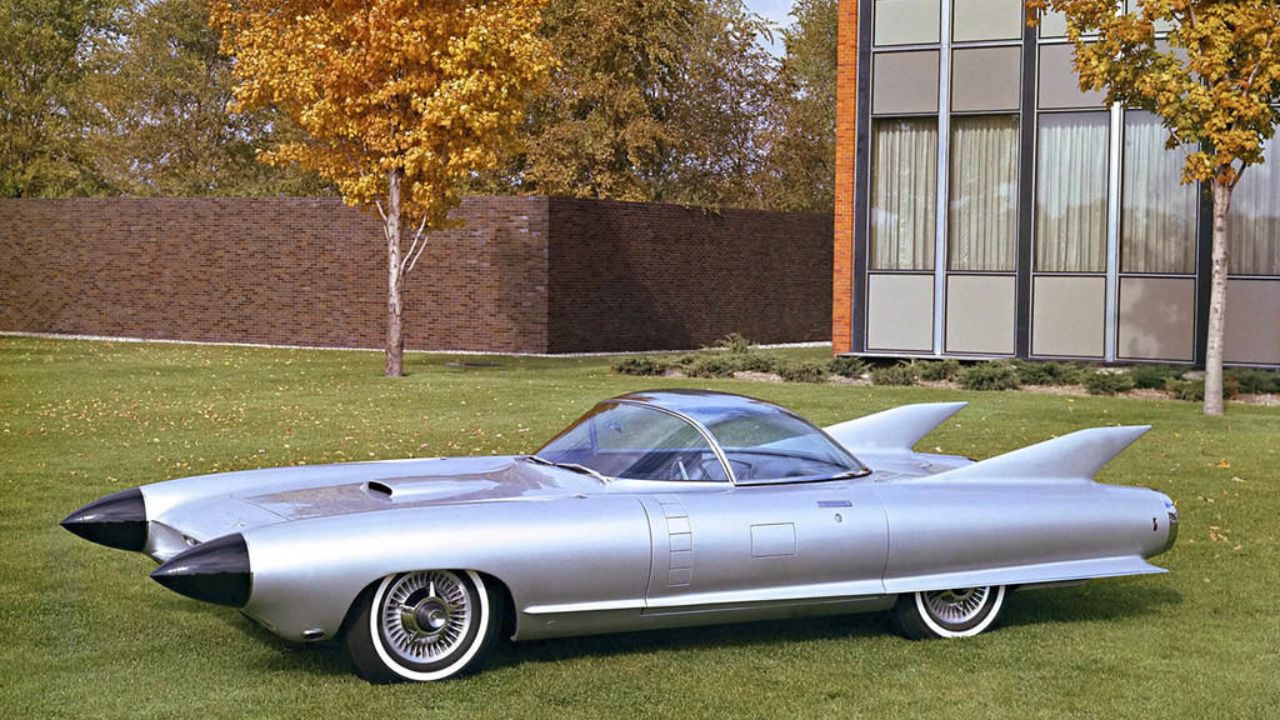
Introduced in 1959, the Cadillac Cyclone was a striking concept car that showcased innovations in aerodynamics and technology. Its futuristic design featured a unique retractable canopy and a dashboard filled with advanced electronics. The Cyclone was powered by a V8 engine that highlighted the shift towards more powerful engines in American cars. Its design elements, like the use of fiberglass and a streamlined shape, were early indicators of the shift towards fuel efficiency and advanced materials that would dominate the automotive industry decades later.
Ford Mustang I
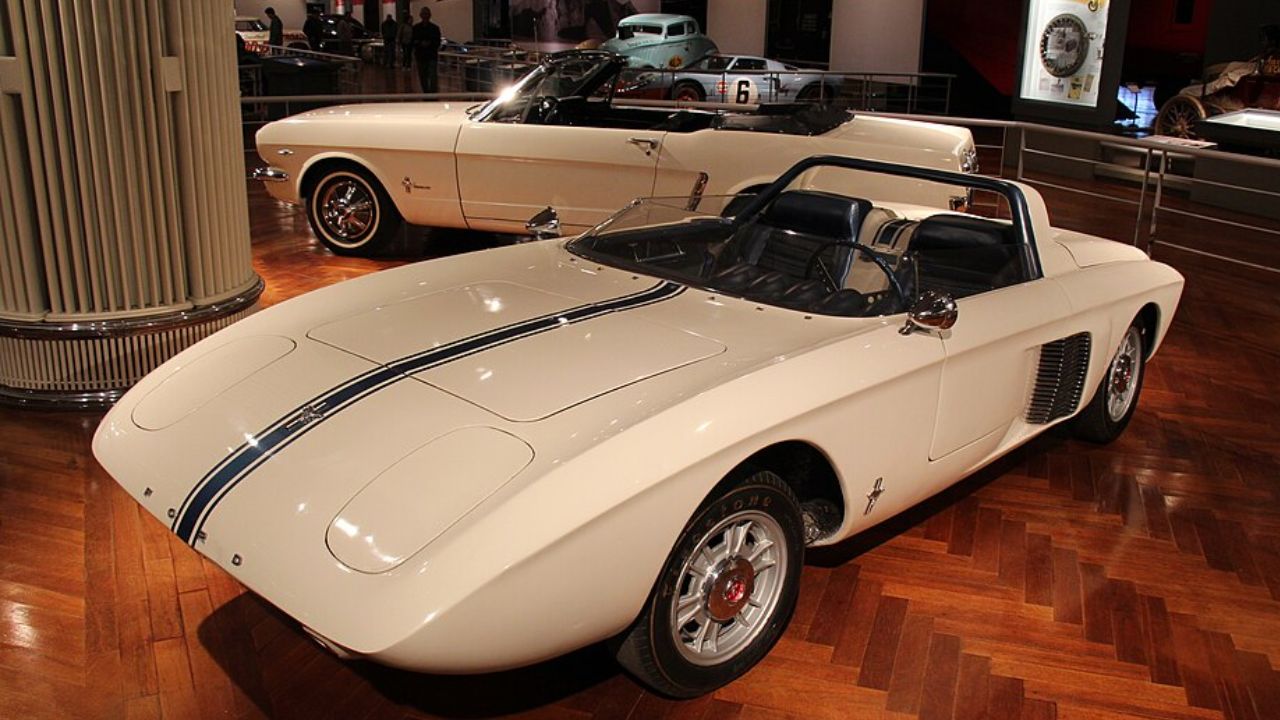
The Ford Mustang I, introduced as a prototype in 1962, heralded the birth of the pony car movement. With its sleek design and lightweight construction, it became a precursor to the popular Mustang model. The Mustang I featured a mid-engine layout and was designed to be nimble and responsive, setting the stage for future sports cars. Its emphasis on performance and style anticipated the growing consumer demand for personal and sporty vehicles, ultimately influencing the design of countless cars in the decades that followed.
Chrysler Turbine Car
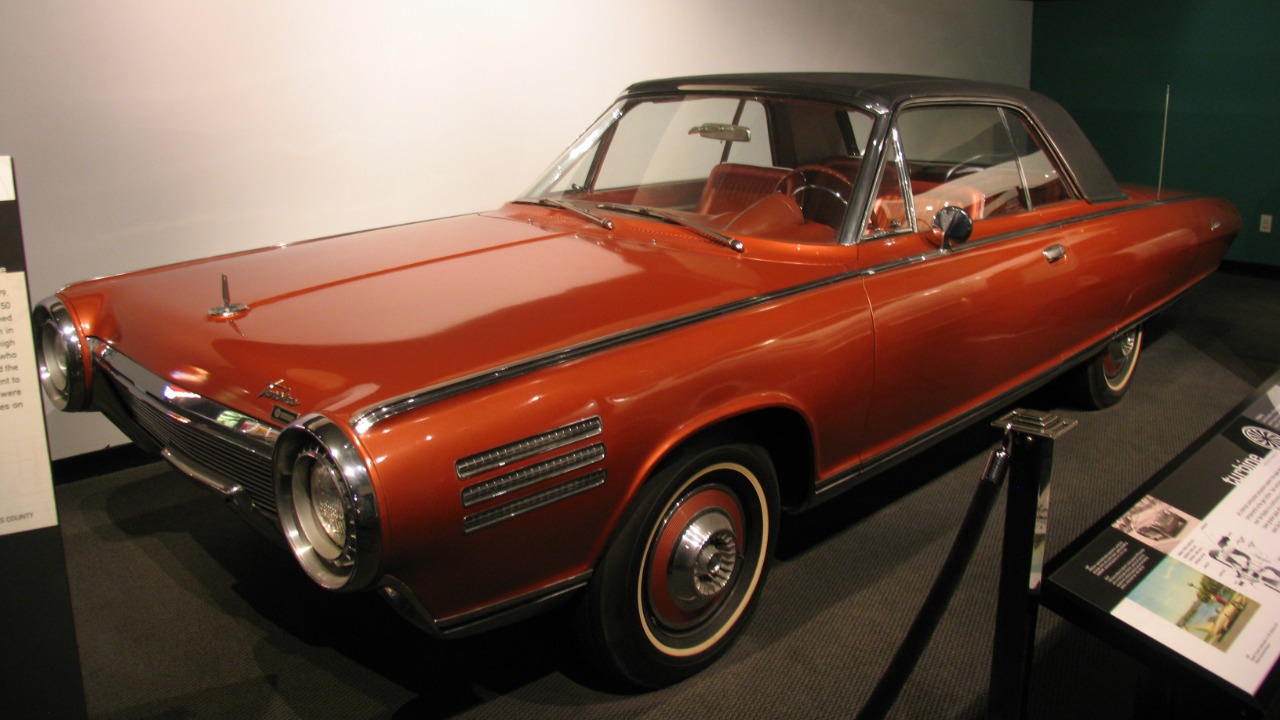
Produced between 1963 and 1964, the Chrysler Turbine Car was a groundbreaking project that utilized a gas turbine engine. This vehicle could run on various fuels, including diesel and kerosene, showcasing a flexibility that would become increasingly necessary in the face of rising fuel prices and environmental concerns. Although only 55 units were made, the Turbine Car’s innovative technology and design elements have inspired future automotive engineering, particularly in the realm of alternative fuels and efficient energy use.
Chevrolet Corvair
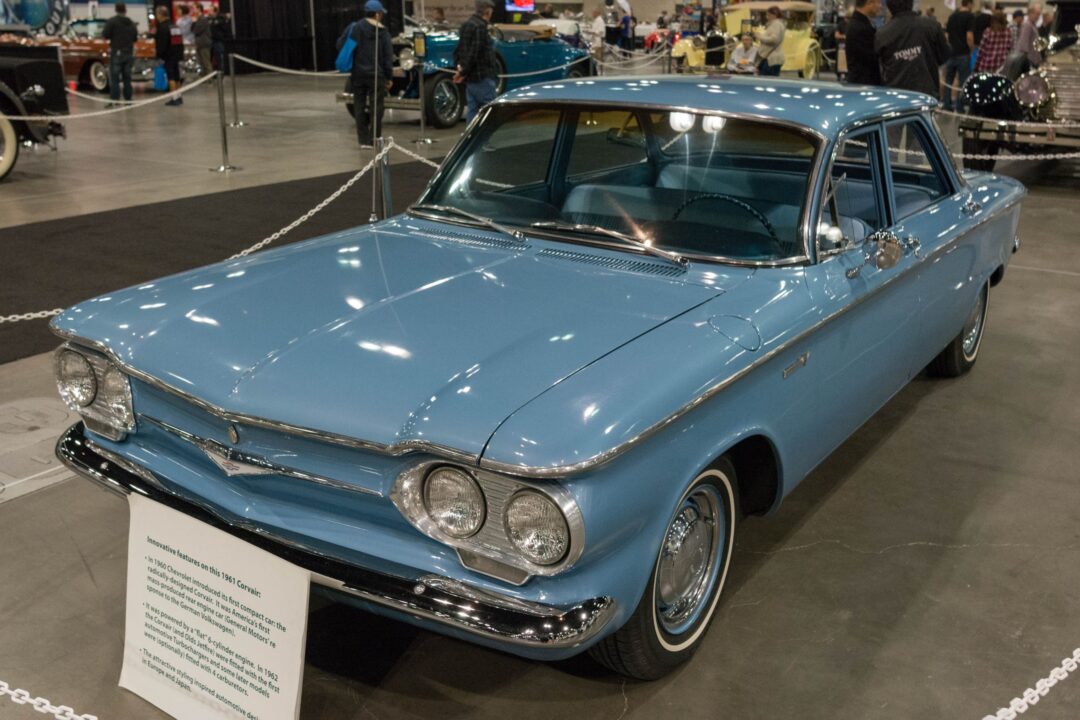
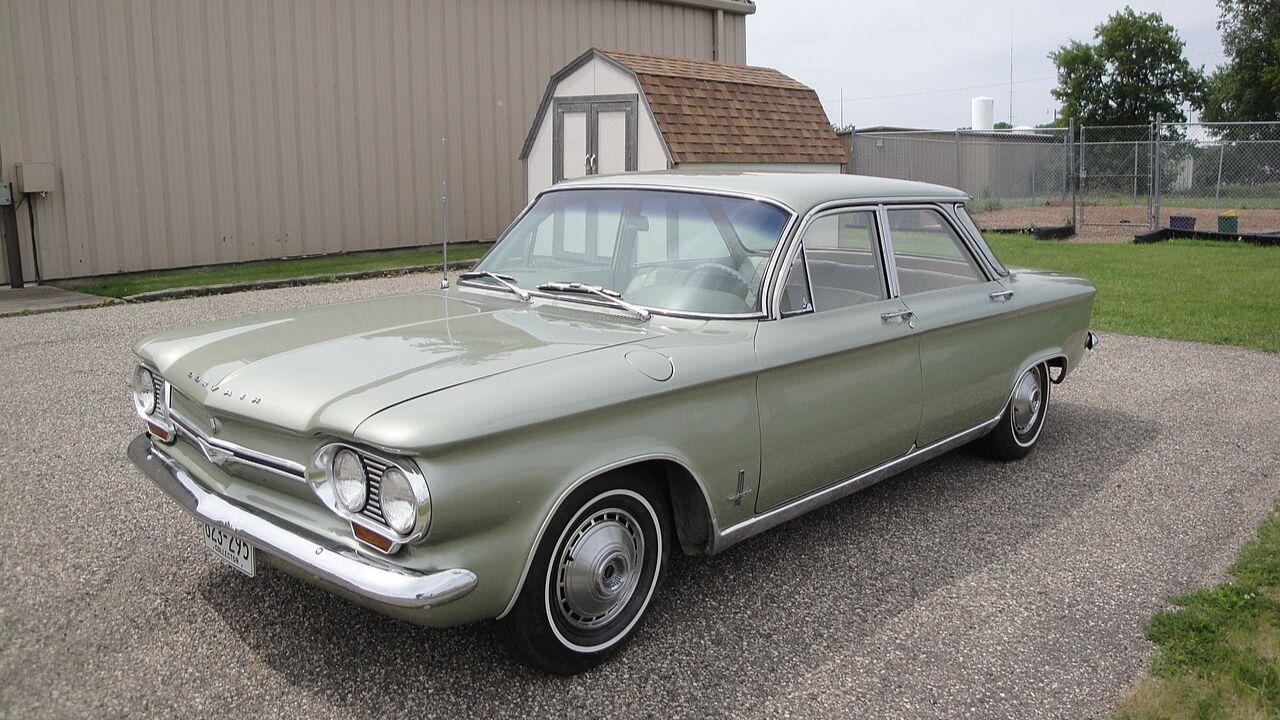
The Chevrolet Corvair, produced from 1960 to 1969, was notable for its rear-engine design and innovative suspension system. Though it faced criticism for safety concerns, the Corvair’s design anticipated the shift towards compact and efficient vehicles. It was one of the first American cars to challenge the traditional front-engine layout, emphasizing the importance of handling and driver experience. The Corvair’s unique approach to design and engineering would pave the way for more innovative and compact cars in the years to come.
Pontiac Bonneville Special
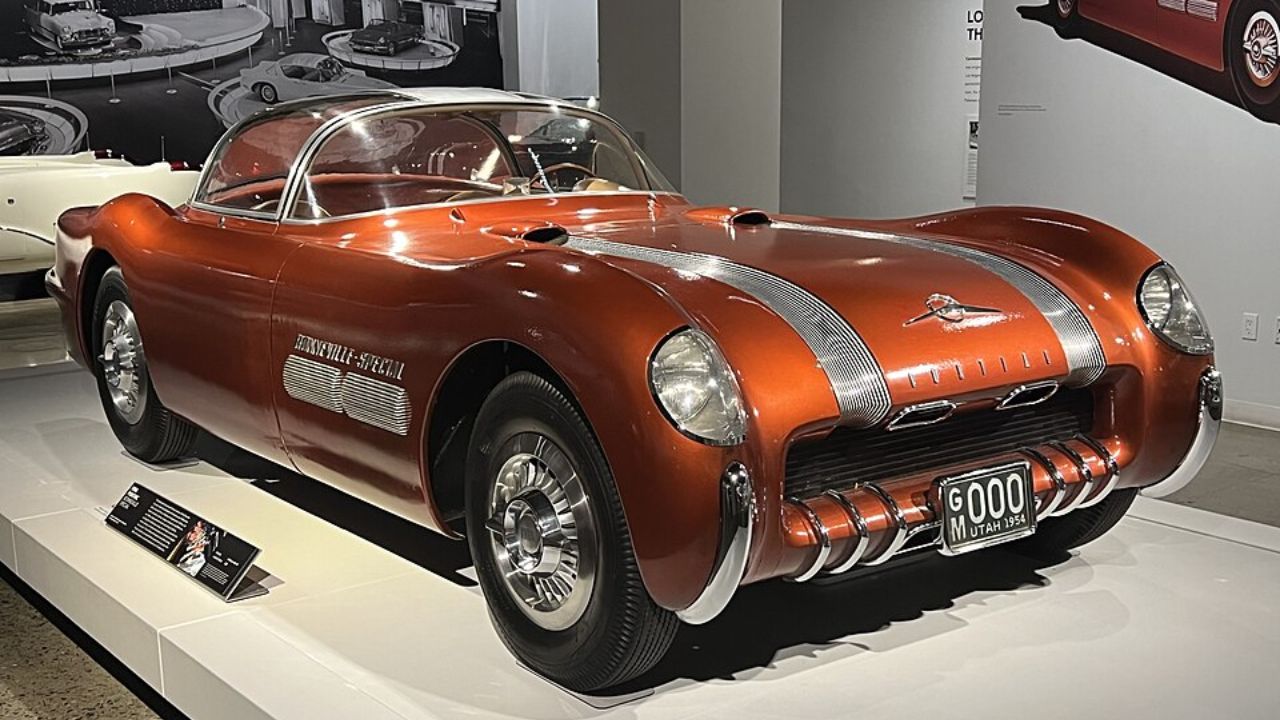
The 1956 Pontiac Bonneville Special was a concept car that showcased a myriad of advancements in automotive technology and design. Featuring a sleek, futuristic body and a powerful engine, the Bonneville Special was equipped with innovations such as an adjustable steering wheel and electronic gadgets that were rare for the time. Its design reflected an early understanding of aerodynamics, foreshadowing the future emphasis on fuel efficiency and performance in American vehicles. The concept car’s allure and technological foresight capture a pivotal moment in automotive history.
AMC Pacer
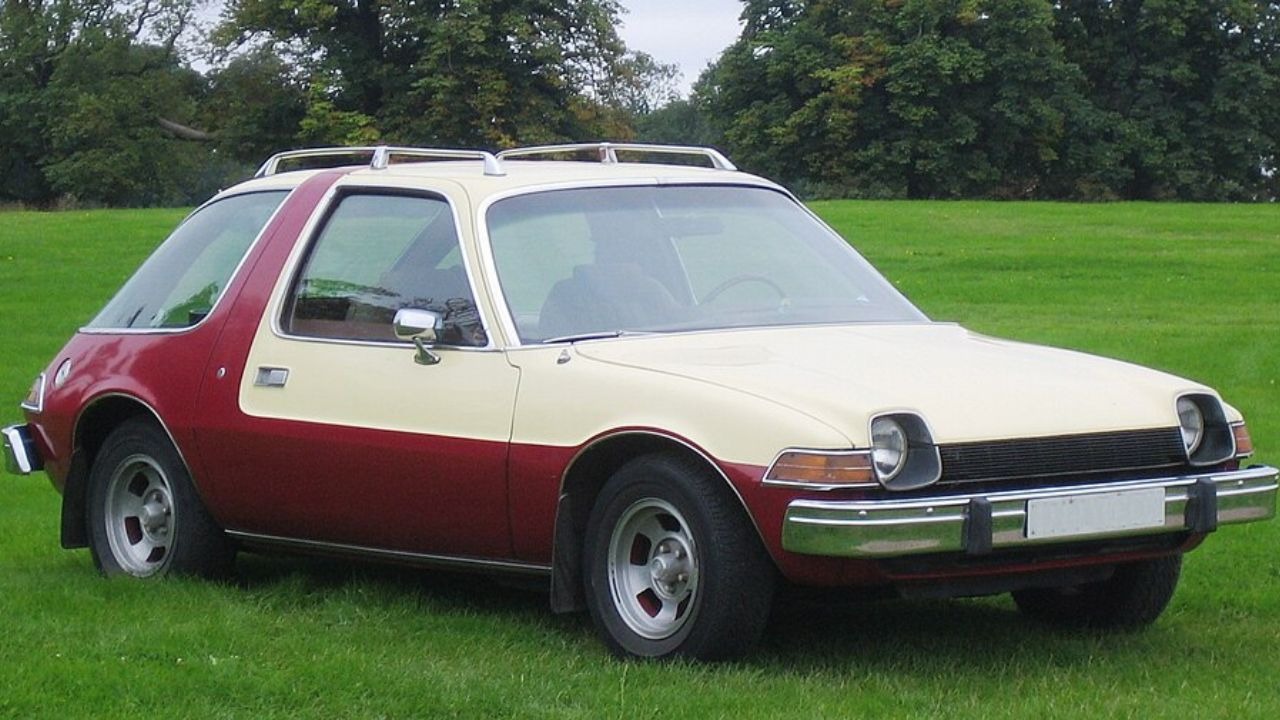
Launched in the mid-1970s, the AMC Pacer was a compact car that aimed to provide ample space and comfort. Its unique design, characterized by large windows and a wide stance, allowed for greater visibility and passenger comfort. While it initially faced skepticism, the Pacer’s emphasis on fuel efficiency and smaller size was a sign of the changing automotive landscape, especially during the oil crisis of the 1970s. The Pacer’s forward-thinking approach to design and practicality influenced the development of modern compact cars.
Oldsmobile Aerotech
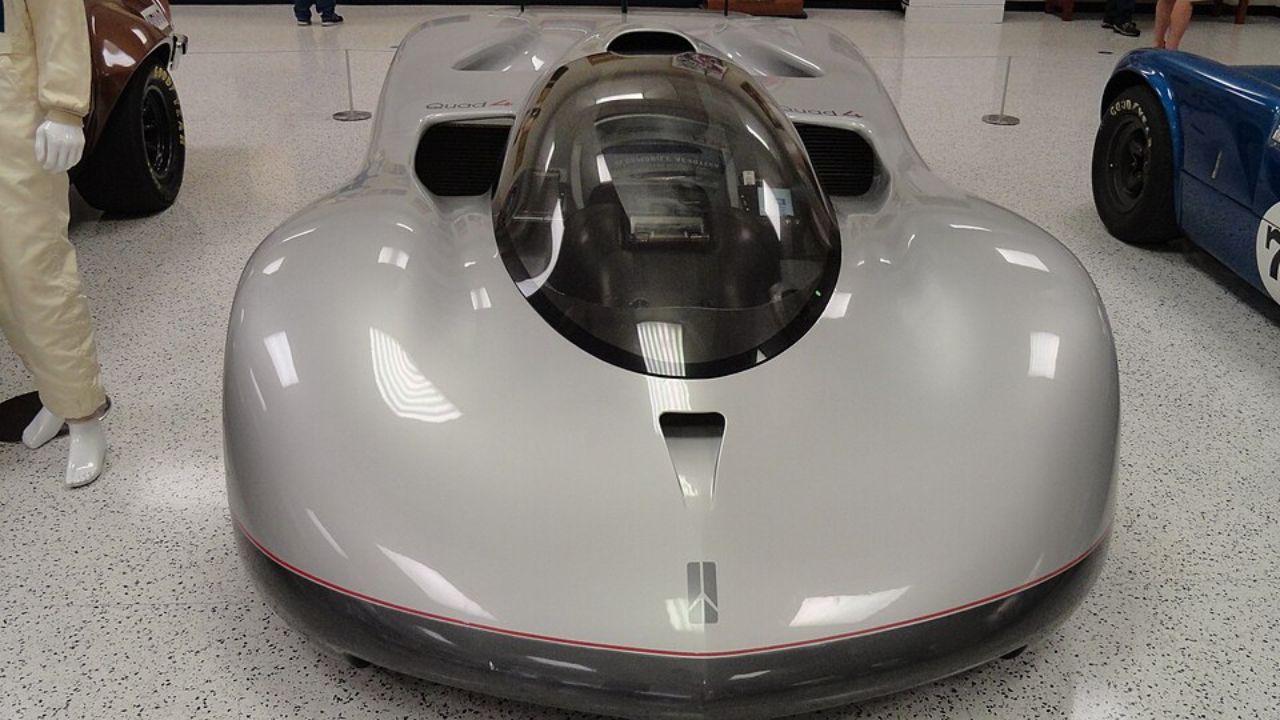
Unveiled in 1987, the Oldsmobile Aerotech was a concept car that pushed the boundaries of performance and design. Equipped with advanced aerodynamics and a turbocharged engine, this prototype was capable of reaching speeds over 250 mph. The Aerotech’s emphasis on performance and efficiency showcased an early understanding of the importance of aerodynamics in vehicle design. Its innovative features and forward-looking style set the stage for future developments in high-performance vehicles and advanced engineering.
More from Fast Lane Only