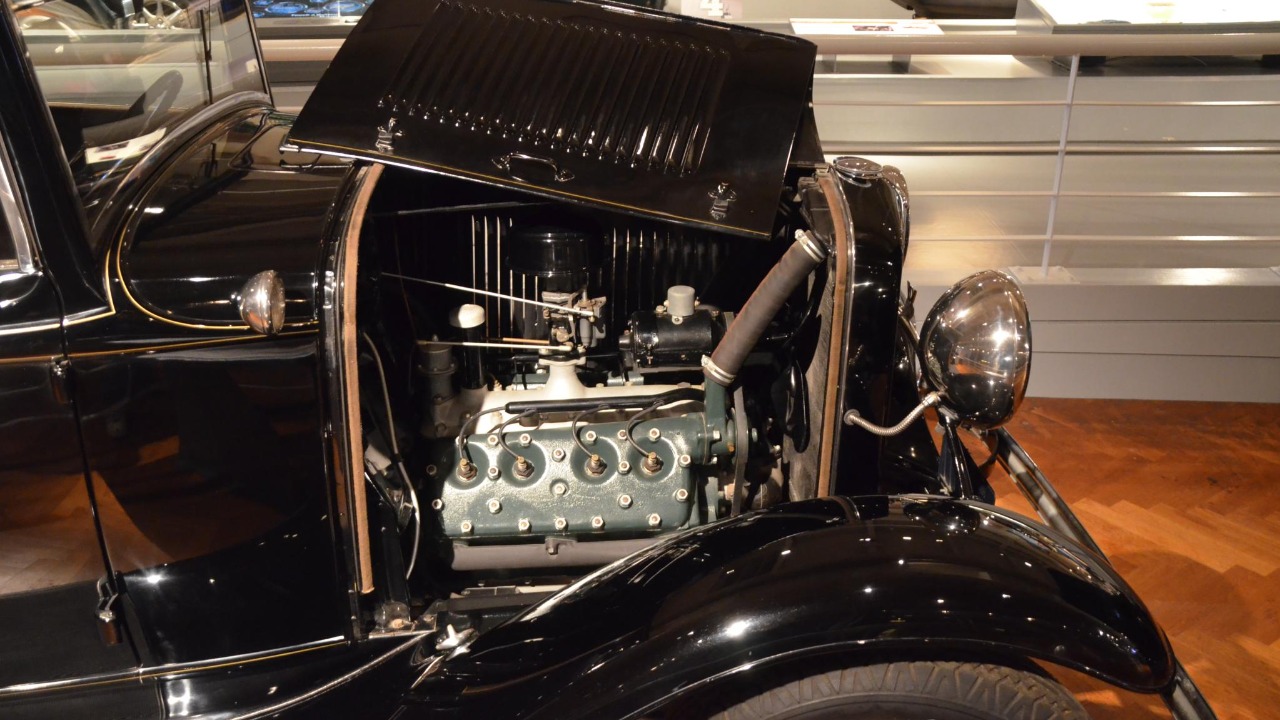
Ford’s early V8 designs are not only iconic but also serve as a benchmark for automotive engineering. Their blend of simplicity, durability, and performance continues to captivate mechanics and enthusiasts alike, making them a staple in both restoration projects and custom builds.
Historical Significance of Ford’s Early V8s
The introduction of the V8 engine in 1932 marked a pivotal moment in automotive history. At a time when most cars were powered by four-cylinder or six-cylinder engines, Ford’s Flathead V8 provided a powerful alternative that was both affordable and accessible to the average consumer. The Flathead V8 not only set the standard for future engine designs but also democratized speed and performance, making it possible for everyday drivers to enjoy the thrill of a powerful engine.
The impact of the Flathead V8 was felt across the automotive industry, prompting competitors to innovate and explore their own V8 offerings. Companies like Chevrolet and Dodge soon followed suit, producing their own V8 engines to keep pace with Ford’s growing popularity. This push for performance led to an overall evolution in engine design, with manufacturers focusing on increasing horsepower and efficiency while also making engines easier to manufacture and maintain.
Engineering Simplicity and Durability
One of the standout features of Ford’s early V8 designs is their remarkable engineering simplicity. The Flathead V8, for instance, was designed with fewer moving parts compared to many of its contemporaries, which not only made the engine easier to maintain but also reduced the likelihood of mechanical failure. Mechanics appreciate this straightforward approach, as it allows for quicker repairs and less time spent troubleshooting issues. The open valve design of the Flathead V8, where the valves are located within the block, further simplifies the engine’s architecture, making it more user-friendly for those familiar with basic automotive repair.
Durability is another hallmark of these early V8 engines. Constructed from robust materials such as cast iron, Ford’s early V8s have proven their resilience over decades. Many mechanics have encountered Flathead V8s still running strong after 70 years, a testament to their solid construction. In comparison, many modern engines, with their intricate designs and reliance on lightweight materials, can be more prone to wear and tear. The simplicity and durability of the early V8s give them a unique charm that continues to resonate with mechanics and car enthusiasts who appreciate the craftsmanship of a bygone era.
Performance and Tuning Potential
The performance capabilities of Ford’s early V8 engines are often underestimated. Take, for example, the 1932 Ford Model 18, which was powered by the original Flathead V8. This engine produced 65 horsepower, a significant leap at the time, allowing the Model 18 to achieve speeds that were previously reserved for luxury cars. As the years progressed, enthusiasts quickly recognized the tuning potential of these engines. With a few modifications, such as upgrading the carburetor or adding headers, mechanics could coax even more power from the Flathead V8, making it a favorite among hot-rodding communities.
Aftermarket modifications have flourished over the years, with companies like Edelbrock and Offenhauser offering performance parts designed specifically for early V8 engines. These modifications not only enhance horsepower but also allow for greater customization options. Many mechanics specialize in reviving and enhancing Ford V8s, transforming them into high-performance machines that reflect the owner’s personality and style. The community surrounding these engines is vibrant, with countless forums and social media groups dedicated to sharing tips, tricks, and success stories about breathing new life into these classic powerplants.
Cultural Impact and Legacy
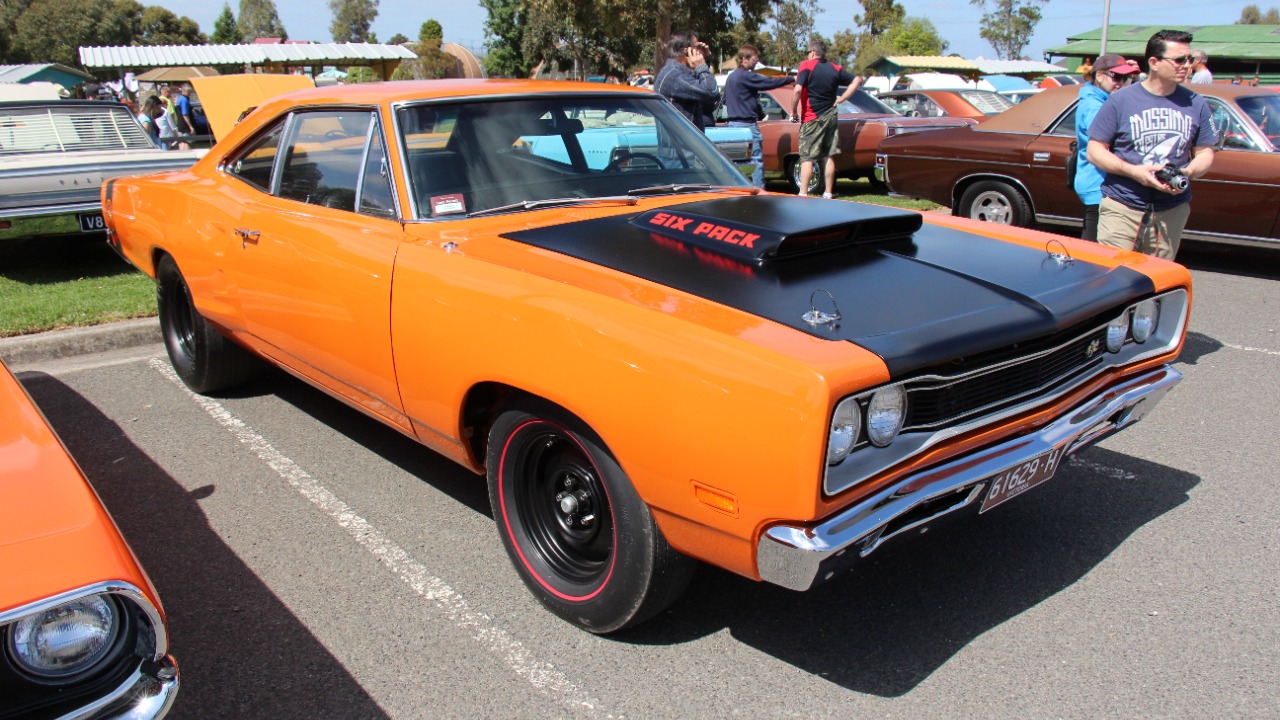
The cultural impact of the V8 engine cannot be overstated. From the iconic 1949 Ford F-Series trucks to the classic 1969 Mustang, early V8 designs have played a significant role in shaping American car culture. These vehicles have become symbols of freedom and rebellion, often featured in films, music, and art that celebrate the open road and the American spirit. Movies like “American Graffiti” and “The Fast and the Furious” franchise have showcased the raw power and allure of V8 engines, further embedding them in the cultural consciousness.
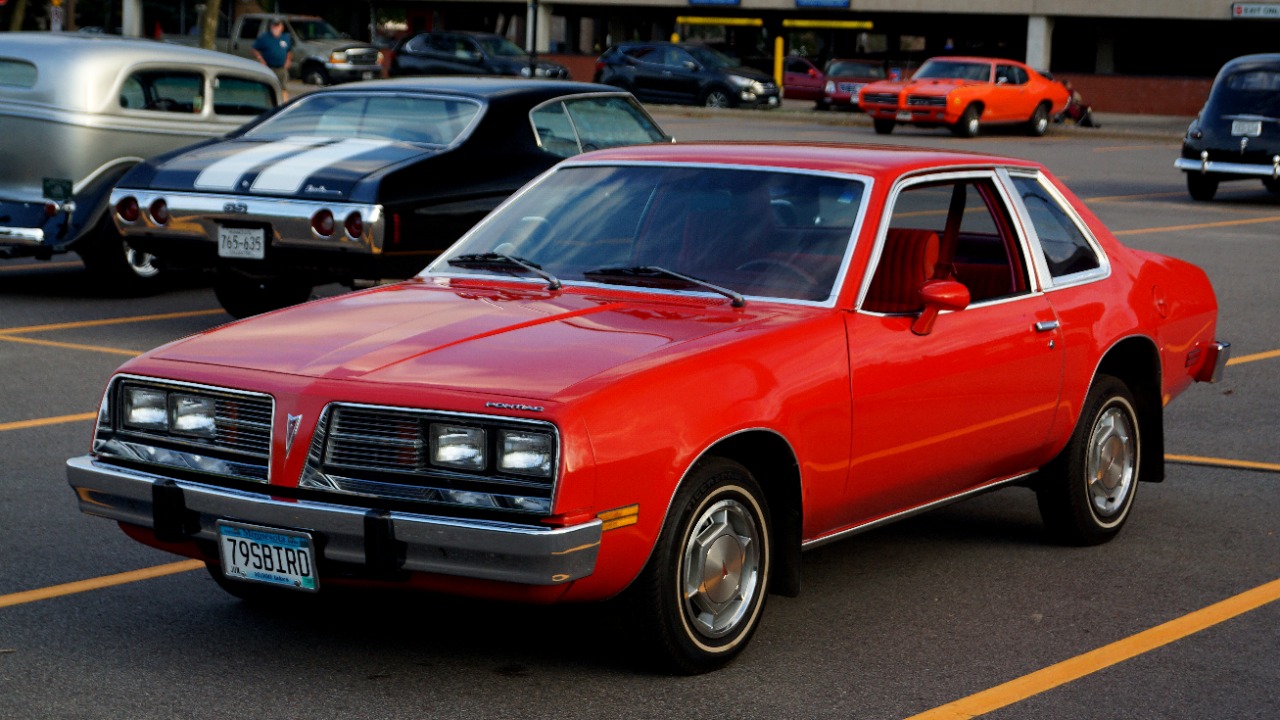
Additionally, the legacy of Ford’s early V8s extends into the realm of motorsports. The early V8s dominated racing circuits in the mid-20th century, with drivers like Phil Hill and Parnelli Jones showcasing their capabilities on the track. Events like the Indianapolis 500 saw early V8s pushing the limits of speed and performance, contributing to the ongoing fascination with these engines. Today, classic cars featuring Ford’s early V8 designs continue to shine at custom car shows and drag races, proving that their legacy lives on in the hearts of automotive enthusiasts everywhere.
Challenges and Controversies
Despite their many advantages, working on early V8 designs does come with its challenges. One of the most significant hurdles mechanics face is sourcing parts. While some components remain readily available due to the popularity of these engines, others can be difficult to find. Specialized parts like original carburetors or specific engine blocks may require extensive searching or even custom fabrication, which can deter novice mechanics from taking on restoration projects.
Additionally, there are criticisms regarding the performance and fuel efficiency of early V8 engines compared to modern counterparts. While these engines are beloved for their raw power and torque, they often fall short in terms of fuel efficiency and emissions standards. Mechanics and enthusiasts must navigate the balance between nostalgia and practicality, often opting for modern upgrades to improve fuel economy while trying to retain the engine’s classic character. This tension between honoring the past and adapting to modern standards is a topic of ongoing discussion in restoration circles.
Future of Ford’s V8 Legacy
As the automotive industry shifts towards electrification and alternative powertrains, the future of V8 engines is under scrutiny. However, the legacy of Ford’s early V8 designs continues to influence contemporary discussions about engine performance. While we may see a decline in traditional V8s in production vehicles, their engineering principles and tuning potential remain relevant in today’s performance car landscape. Many automotive enthusiasts and mechanics are exploring hybrid solutions that combine the power of a V8 with electric assistance, creating a new breed of performance vehicles that honor the past while embracing the future.
Perspectives from mechanics vary, with some expressing a sense of nostalgia for the simplicity of early V8s while others are excited about the potential for innovation. As electric vehicles gain traction, there is hope that Ford and other manufacturers will find ways to incorporate the essence of the V8 engine into new technologies. Whether through hybrid systems or advanced performance tuning, the spirit of Ford’s early V8 designs is likely to endure as automotive engineering evolves to meet the needs of future generations.
More from Fast Lane Only
- Unboxing the WWII Jeep in a Crate
- 15 rare Chevys collectors are quietly buying
- 10 underrated V8s still worth hunting down
- Police notice this before you even roll window down
*Research for this article included AI assistance, with all final content reviewed by human editors.