Throughout automotive history, several engines have made significant contributions to performance and reliability but have not received the recognition they deserve. These powerplants often powered iconic vehicles and have left a lasting legacy in the car enthusiast community. Here are eight classic engines that truly deserve more attention for their engineering excellence and impact on the automotive world.
The Ford 300 Inline-Six
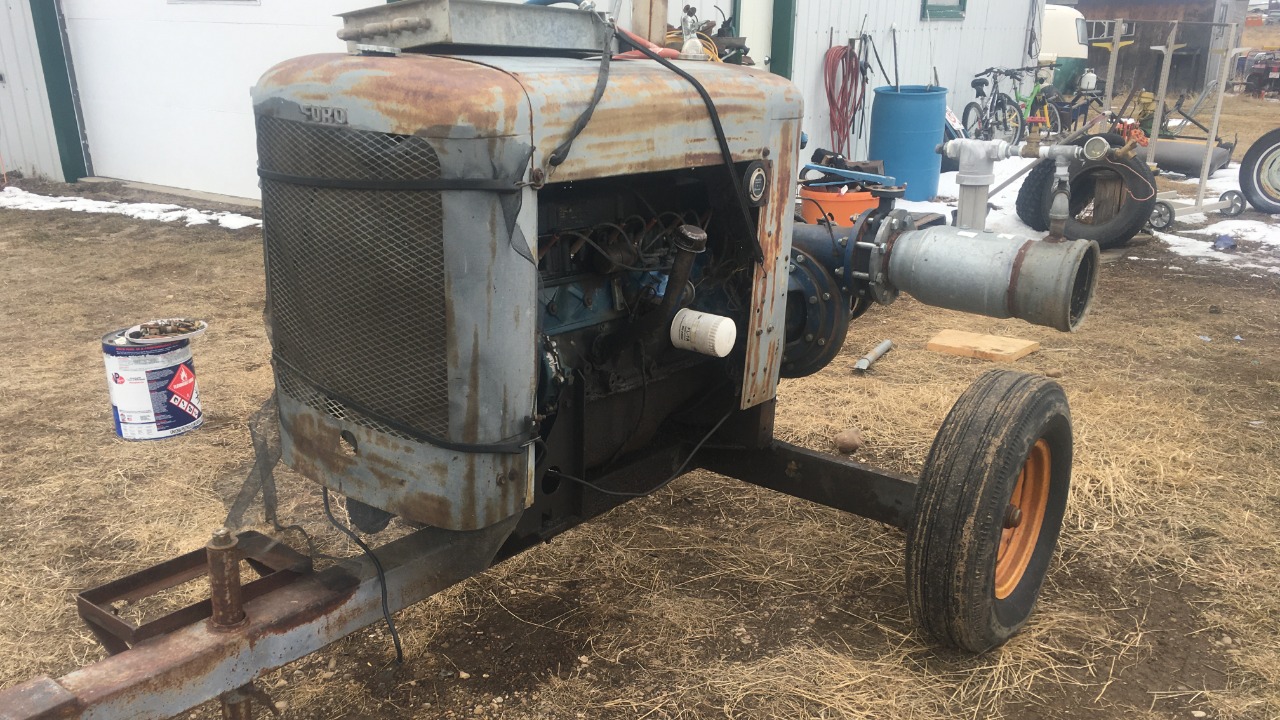
The Ford 300 Inline-Six engine, produced from the early 1960s to the late 1990s, is notable for its durability and simplicity. Found in vehicles like the Ford F-Series trucks and the Ford Econoline vans, this workhorse delivered an impressive mix of torque and reliability. With a reputation for longevity, many of these engines have surpassed the 300,000-mile mark with minimal maintenance. Its design allowed for easy modifications, making it a favorite among builders and restorers. Whether used in a daily driver or a classic restoration project, the Ford 300 Inline-Six remains a testament to functional engineering. You can find more about its contributions to the automotive world on sites like Classic Motorsports.
The BMW M88
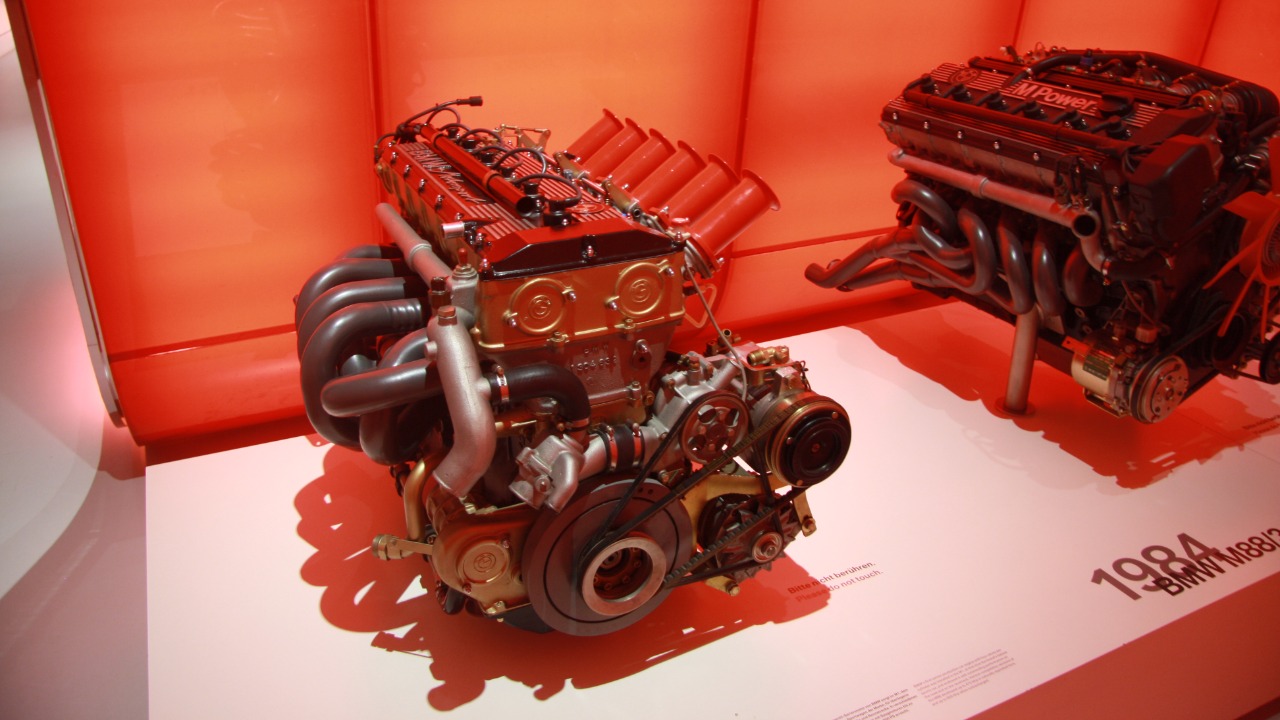
The BMW M88 engine, an inline-six powerhouse, first appeared in the legendary BMW M1 sports car in the late 1970s. With a robust architecture and innovative technology, it pioneered the use of a dry sump lubrication system, which allowed for a lower center of gravity and improved handling. The M88 became synonymous with motorsport success, powering the BMW 635CSi and the BMW M5 E28, among others. Its ability to rev high while maintaining smooth power delivery made it a favorite among enthusiasts. Even today, the BMW M88 is celebrated in tuning circles for its potential and distinctive sound, and I often recommend checking out its racing pedigree on platforms like Hagerty.
The Honda K-Series
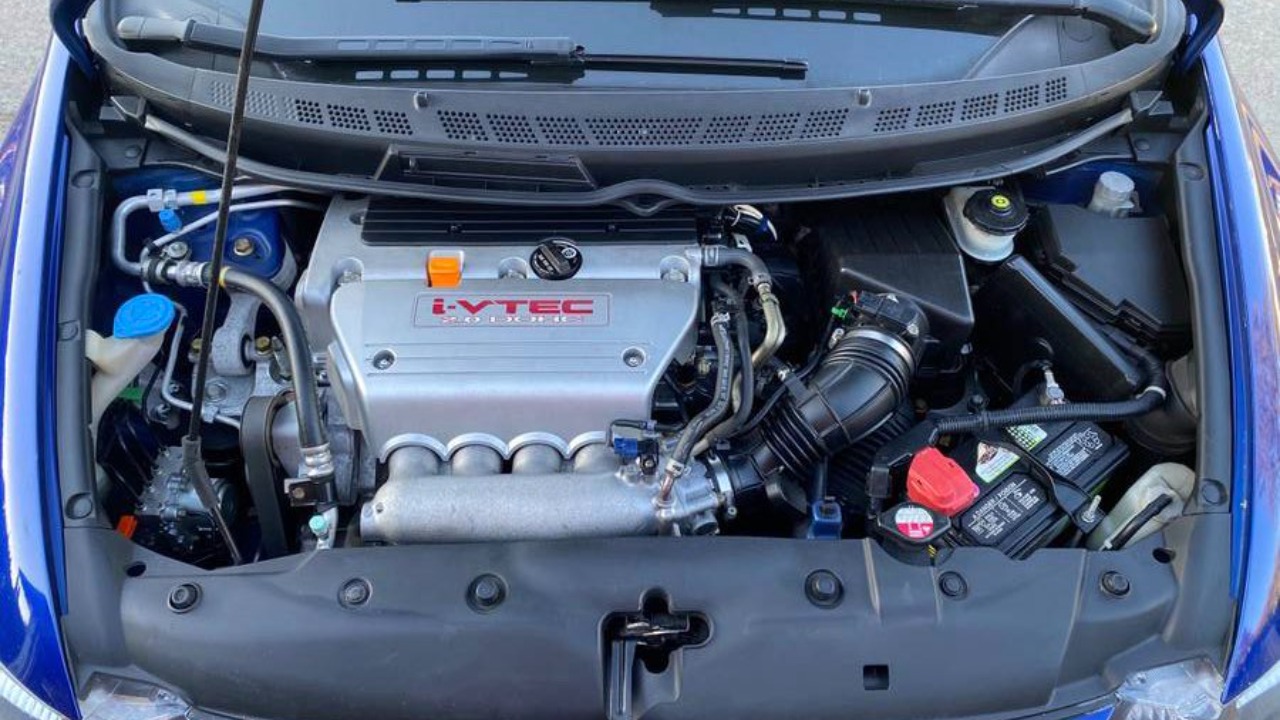
The Honda K-Series engine family represents a significant leap in Honda’s engineering, debuting in the early 2000s. This series of four-cylinder engines is renowned for its high-revving nature, robust build quality, and impressive fuel efficiency. Found in models like the Honda Civic Si and the Acura RSX, the K-Series has become a favorite among tuners and racers alike. The ability to extract substantial horsepower with relatively simple modifications has made it a staple in the automotive aftermarket. The K-Series also benefits from a vast support network, with countless performance parts available. Enthusiasts regularly share their experiences and modifications on forums, showcasing the engine’s versatility and enduring appeal.
The Chrysler 2.2 Turbo
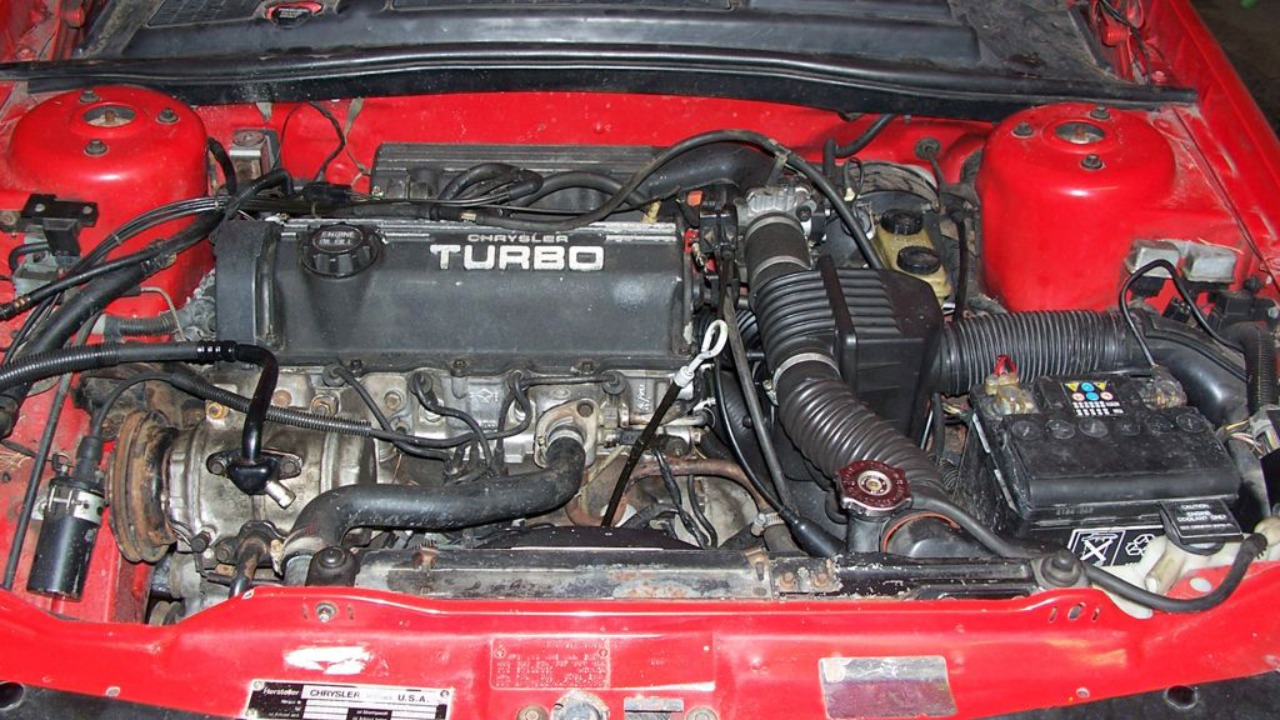
The Chrysler 2.2 Turbo engine was a groundbreaking powerplant in the 1980s, known for its performance in compact cars like the Dodge Daytona and the Chrysler LeBaron. This turbocharged inline-four engine delivered an impressive power-to-weight ratio, transforming the image of Chrysler vehicles during a time when fuel efficiency was paramount. With its ability to produce significant horsepower while maintaining decent fuel economy, it paved the way for future turbocharged engines in the automotive industry. Despite its contributions, the 2.2 Turbo often gets overshadowed by contemporary performance engines. Its legacy is still celebrated by enthusiasts, and I recommend looking into its impact on the muscle car scene, as detailed by HotCars.
The Volkswagen VR6
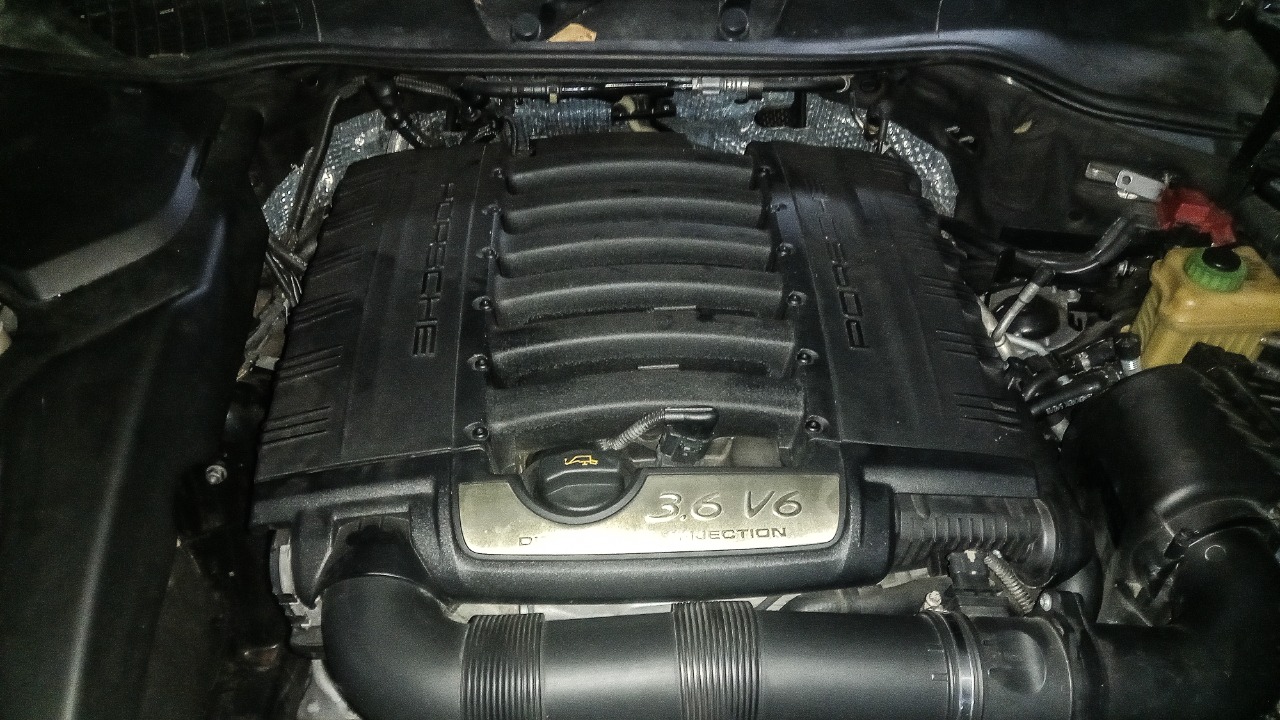
The Volkswagen VR6 engine is a unique blend of a V6 and inline-four design, which offers a compact size without sacrificing performance. Introduced in the early 1990s, this engine found its way into a variety of models, including the Volkswagen Golf and the Passat. Its distinctive firing order provides a unique sound and smooth power delivery that enthusiasts have come to love. The VR6 is especially noted for its tuning potential; with the right modifications, it can produce impressive power figures without losing its reliability. Despite its engineering merits, the VR6 often falls under the radar compared to more conventional engines. Exploring its history and evolution can be quite fascinating, as seen in various discussions online.
The Mercedes-Benz M104
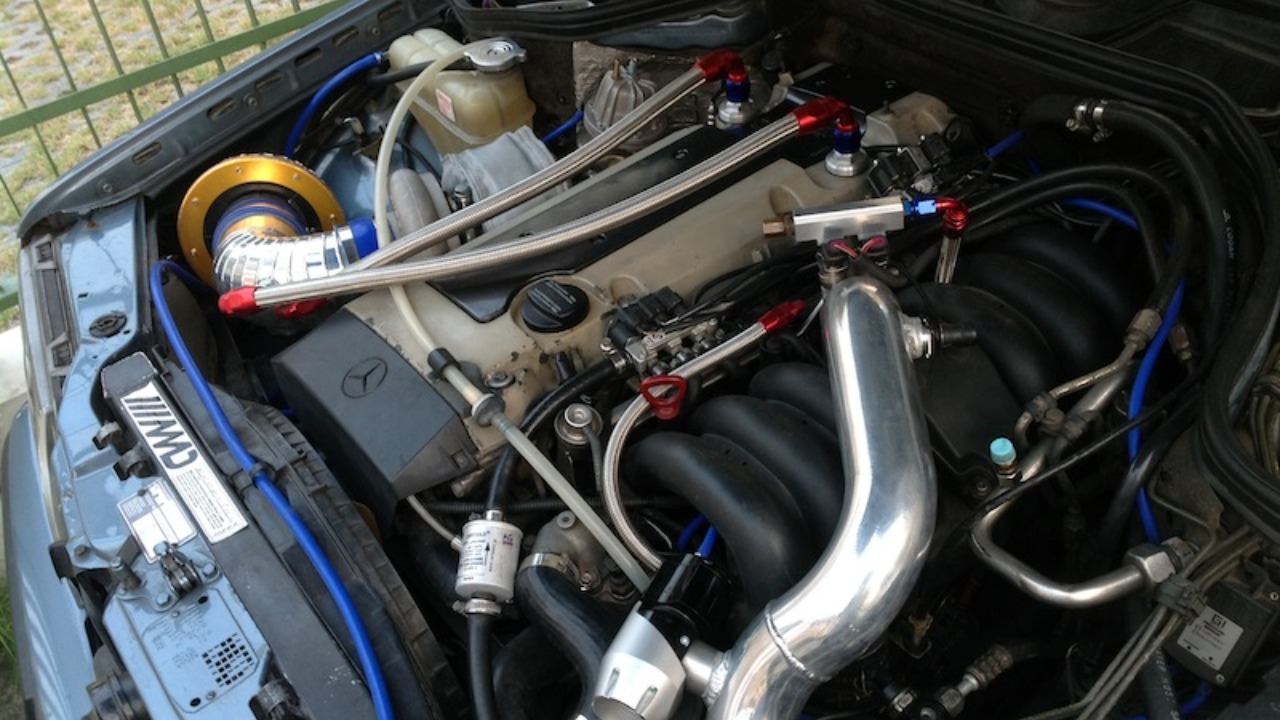
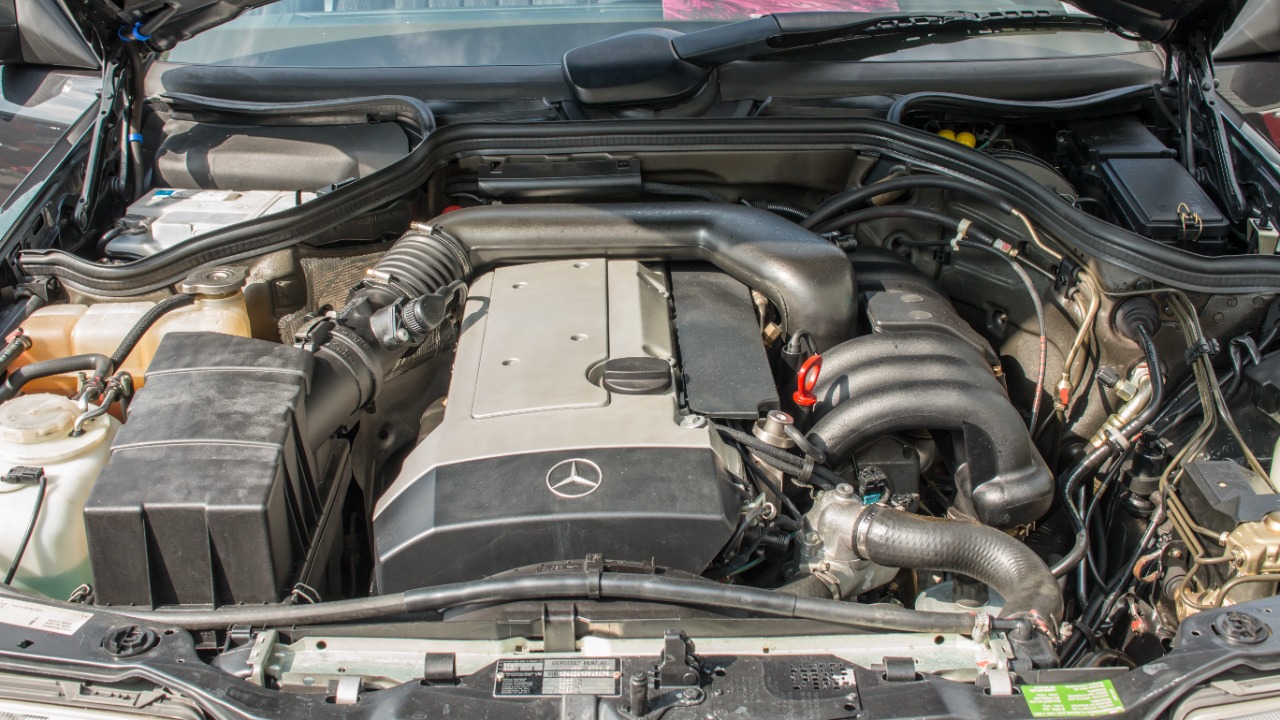
The Mercedes-Benz M104 engine, known for its smoothness and reliability, was produced from the late 1980s to the late 1990s. This inline-six engine powered several iconic models, including the W124 E-Class and the W201 190E. With its robust construction and advanced technology for its time, the M104 became synonymous with luxury and performance. It featured a DOHC design and an innovative variable valve timing system, allowing for improved efficiency and power delivery. Many enthusiasts appreciate the M104 for its tuning potential, as it can easily support performance upgrades while maintaining its inherent reliability. I often share insights on this engine’s capabilities in automotive forums, showcasing its merits.
The Peugeot XU Engine
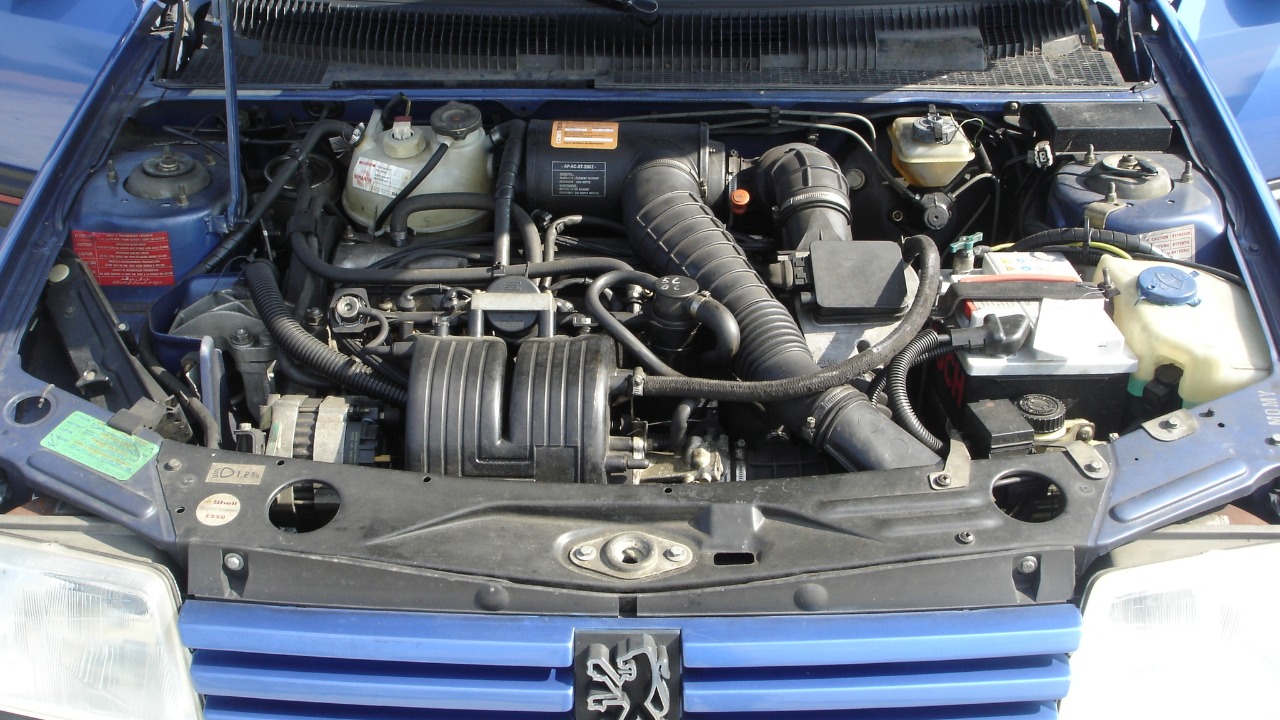
The Peugeot XU engine family, produced from the early 1980s to the late 1990s, is a prime example of French engineering excellence. This inline-four engine powered a wide range of Peugeot and Citroën models, including the 205 GTi and the Citroën BX. Known for its versatility, the XU engine was available in various configurations, including naturally aspirated and turbocharged versions. Its lightweight design and high-revving nature made it a favorite among rally enthusiasts and motorsport competitors. Despite its significant contributions to both everyday driving and competitive racing, the XU engine has often been overlooked in discussions of classic engines. I find it fascinating to delve into its history and performance characteristics with fellow enthusiasts.
The Nissan SR20DET
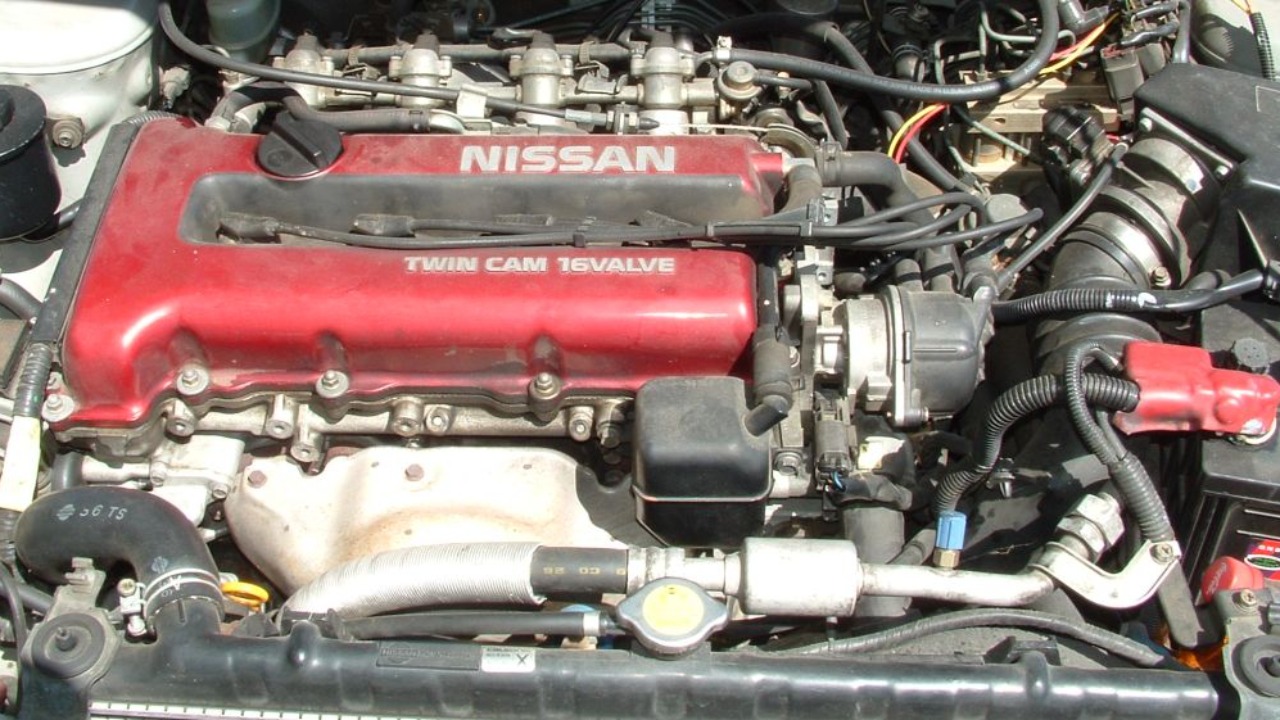
The Nissan SR20DET has earned a dedicated following among car enthusiasts since its debut in the late 1980s. This turbocharged inline-four engine powered iconic models such as the Nissan Silvia and the 240SX, making it a staple in the drifting and tuning communities. With a robust design and significant aftermarket support, the SR20DET is capable of producing impressive horsepower figures with relatively simple modifications. Its balance of reliability and performance has made it a favorite for both casual drivers and motorsport competitors alike. I regularly see discussions about the SR20DET’s tuning potential and success in motorsport, highlighting its lasting legacy in the automotive world. For more insights on classic engines, check out Slash Gear.
More from Fast Lane Only
- Unboxing the WWII Jeep in a Crate
- 15 rare Chevys collectors are quietly buying
- 10 underrated V8s still worth hunting down
- Police notice this before you even roll window down
*Research for this article included AI assistance, with all final content reviewed by human editors.