The giant V8 engine has long been a symbol of American automotive power and performance. However, in recent years, these iconic powerplants faced significant challenges that nearly led to their extinction in production vehicles. From stringent environmental regulations to the rise of electric vehicles, the future of the V8 seemed uncertain. Yet, as we delve into its history and current trends, we see a complex narrative of resilience and adaptation.
1. The Rise and Reign of the V8 Engine
The V8 engine has a storied place in American automotive culture, hailed for its power and performance. First introduced in the 1910s, the V8 quickly became a staple in muscle cars and trucks, embodying the spirit of American ingenuity. The engine’s design provided a perfect balance of performance and efficiency, allowing vehicles to achieve higher speeds and better towing capabilities. The Ford Flathead V8 of 1932 marked a significant milestone, making V8 power accessible to the masses and igniting a love affair with horsepower that continues to this day.
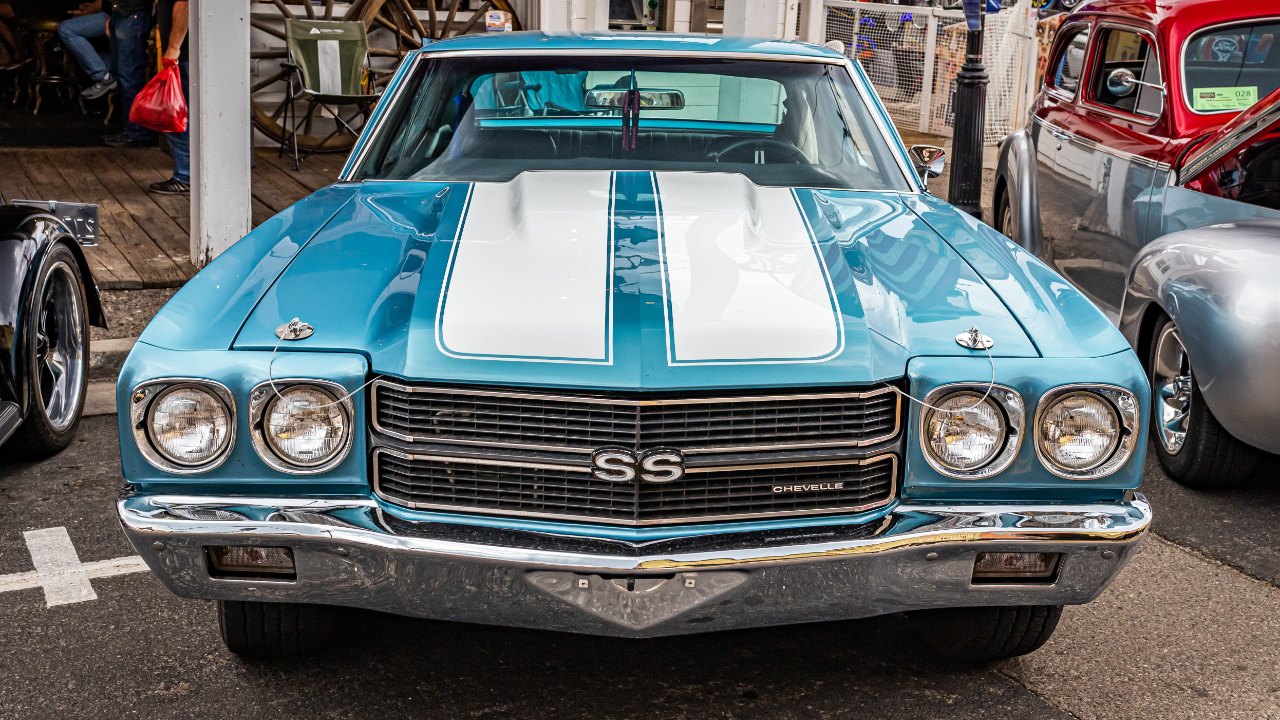
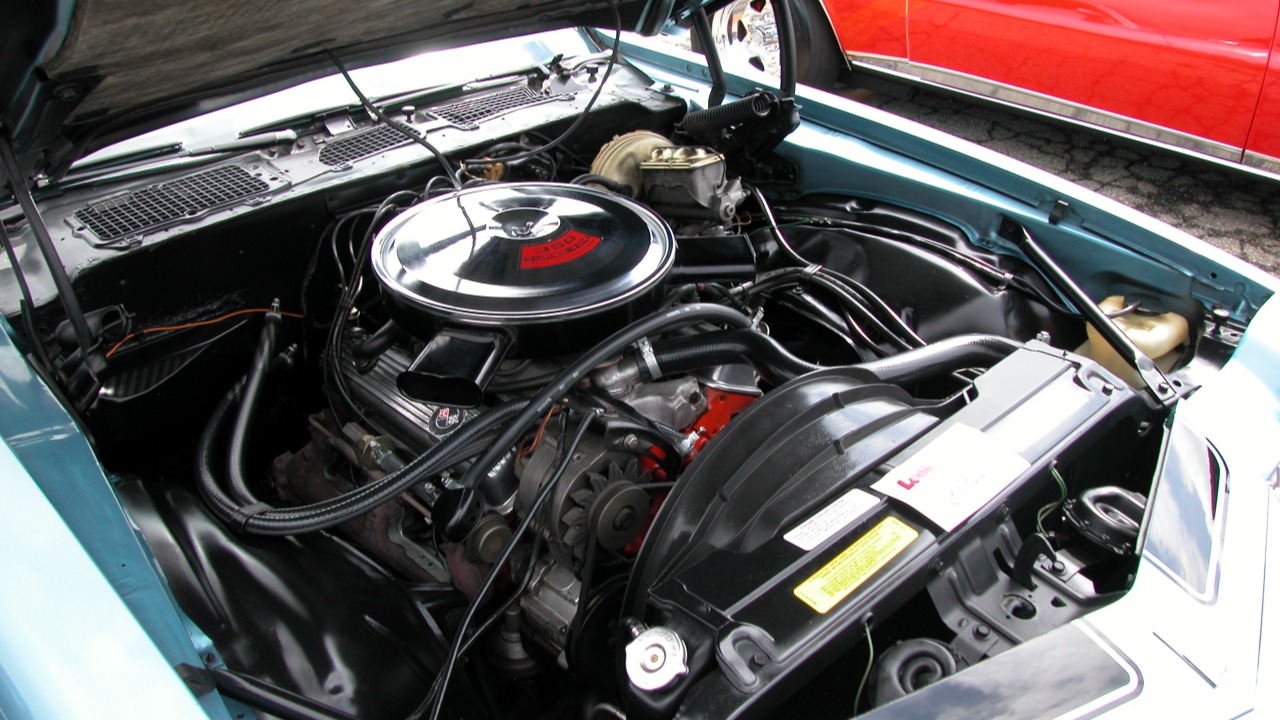
Throughout the decades, the V8 has evolved, with manufacturers like Chevrolet and Dodge pushing the boundaries of technology. The 1960s and 70s saw the V8 take center stage in the muscle car era, with models such as the Chevrolet Camaro and Ford Mustang setting performance benchmarks. These engines became synonymous with speed and power, solidifying their place in the hearts of car enthusiasts. Even today, the roar of a V8 engine is often celebrated in movies and music, symbolizing freedom and rebellion.
2. Environmental Regulations and Economic Pressures
As the automotive landscape began to shift in the late 20th century, V8 engines faced new challenges. Stringent emissions standards introduced by the Environmental Protection Agency (EPA) required automakers to find ways to reduce harmful pollutants. These regulations made it increasingly difficult for manufacturers to justify the production of powerful V8 engines, which were often less fuel-efficient than their smaller counterparts. The need to comply with regulations led to a shift in focus towards more economical engines, hybrids, and alternative powertrains.
Rising fuel prices in the 2000s further complicated the situation for V8 enthusiasts. Consumer demand for fuel-efficient vehicles surged, prompting automakers to prioritize compact and hybrid models. This shift was reflected in sales numbers, as vehicles with four-cylinder and six-cylinder engines began to dominate the market. As a result, many manufacturers reduced or completely phased out their V8 offerings, leaving a void in the muscle car segment, once filled with roaring engines and impressive horsepower.
3. The Shift to Electrification
The automotive industry’s pivot towards electric vehicles (EVs) has added another layer of complexity to the future of V8 engines. As technology advances, many manufacturers are investing heavily in electrification, viewing it as the way forward for sustainable transportation. Major brands like Tesla and Ford are leading the charge, with models such as the Tesla Model S and the upcoming Ford F-150 Lightning showcasing the potential of electric power. This shift has raised questions about the long-term viability of internal combustion engines, especially large ones like the V8.
While some manufacturers have embraced electrification, others have sought to integrate V8 technology with hybrid systems. For instance, the Ford Mustang has introduced a hybrid variant that combines a traditional V8 engine with electric motors, allowing for improved efficiency without sacrificing performance. This approach represents a growing trend where automakers are striving to balance the power of the V8 with the environmental consciousness demanded by consumers. By innovating within the existing framework of V8 technology, brands are attempting to keep this iconic engine alive in a rapidly changing market.
4. The Resurgence of the V8: Recent Developments
Despite the challenges faced in recent years, the V8 engine is experiencing a resurgence in specific segments of the automotive market. Recent announcements, such as the unveiling of the 2027 Chevy Silverado, which brings back the beloved 350 V8 engine after nearly 30 years, signal a renewed interest in powerful engine options. This decision reflects not only a nostalgia for the classic V8 but also a recognition of consumer demand for performance vehicles. The Silverado’s return to V8 roots indicates that manufacturers are listening to their customers and re-evaluating their engine lineups.
Additionally, the revival of V8 engines is fueled by the growing segment of performance-oriented trucks and SUVs. As more consumers gravitate toward vehicles that offer both utility and excitement, automakers are keen to cater to that market. The Dodge Ram 1500, for example, offers a 5.7-liter HEMI V8 engine, appealing to buyers who still crave the raw power and torque that only a V8 can provide. The balance between performance and environmental concerns continues to evolve, with manufacturers finding innovative ways to meet the demands of modern consumers.
5. Cultural Significance and the Future of V8 Engines
The V8 engine holds a unique place as a cultural icon, celebrated in films, music, and automotive events. From the growl of a classic muscle car in a Hollywood movie to the powerful presence of V8-powered vehicles at car shows, it remains a symbol of American automotive passion. The camaraderie among enthusiasts often revolves around the appreciation of V8 engines, fostering communities that cherish this part of automotive history. Car clubs and forums, such as those found on Reddit, keep the conversation alive about these powerful machines.
Looking ahead, the future of V8 engines is likely to be a blend of tradition and innovation. While it may be unlikely for V8s to reclaim their former dominance, they will likely maintain a niche market among enthusiasts who value performance and heritage. The challenge for automakers will be to adapt their offerings to cater to a diverse range of consumer preferences while also embracing sustainable practices. As electric vehicles continue to gain traction, the V8 may evolve into a hybrid format or be reserved for high-performance applications, ensuring its legacy remains intact.
6. Conclusion: The Enduring Legacy of the V8
Reflecting on the history of the V8 engine reveals a narrative filled with both challenges and adaptations. From its rise as a powerhouse of American automotive engineering to its near extinction due to environmental pressures and the shift towards electrification, the V8 has shown remarkable resilience. The ongoing debate within the automotive industry regarding performance versus sustainability highlights the complexity of this issue.
As automakers navigate the future, the legacy of the V8 will continue to influence innovation within the industry. The desire for powerful, performance-oriented vehicles remains strong, and the V8 has proven time and again that it can adapt to the changing landscape. Whether through hybrid technologies or a renewed focus on traditional designs, the V8 is likely to remain a significant part of the automotive narrative for years to come.
More from Fast Lane Only
- Unboxing the WWII Jeep in a Crate
- 15 rare Chevys collectors are quietly buying
- 10 underrated V8s still worth hunting down
- Police notice this before you even roll window down
*Research for this article included AI assistance, with all final content reviewed by human editors.