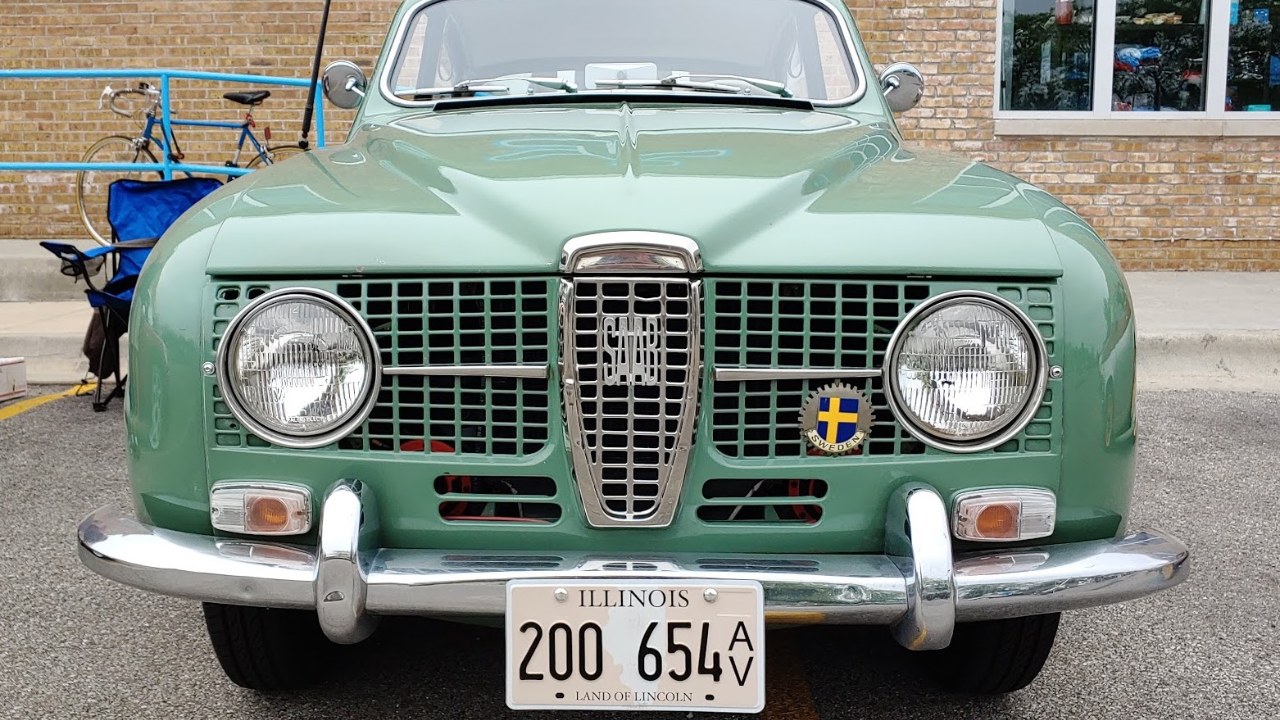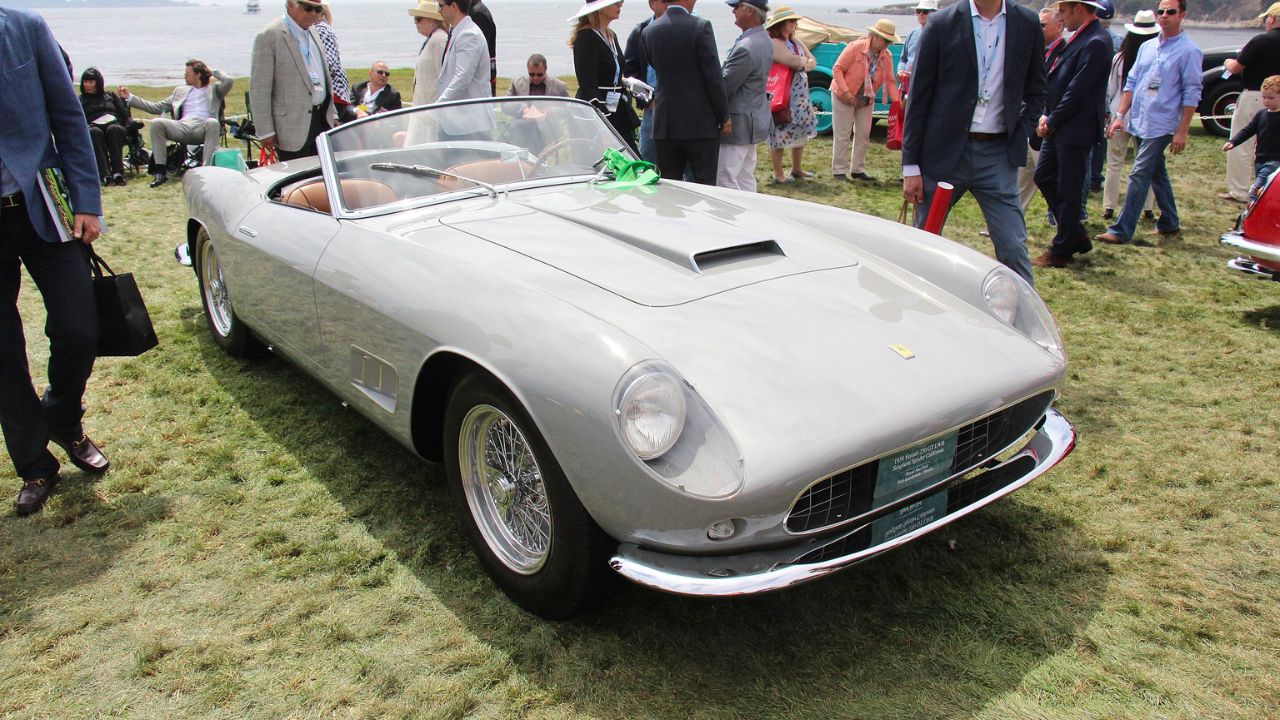
Two-seat sports cars often gave manufacturers the freedom to experiment with performance, styling, and engineering. Without the compromises of a family car, these machines could focus almost entirely on the driver and passenger experience. From lightweight roadsters to powerful grand tourers, these twelve two-seaters demonstrated what their manufacturers were capable of building.
Chevrolet Corvette

The Chevrolet Corvette became America’s defining two-seat sports car by combining dramatic styling with increasingly sophisticated performance. From its early fiberglass body to later V8-powered versions, the Corvette continually evolved while retaining its basic driver-focused formula. It allowed Chevrolet to compete against established European sports cars at a more accessible price. Few American two-seaters have had a greater influence on performance-car culture or remained relevant for so many generations.
Ford GT40
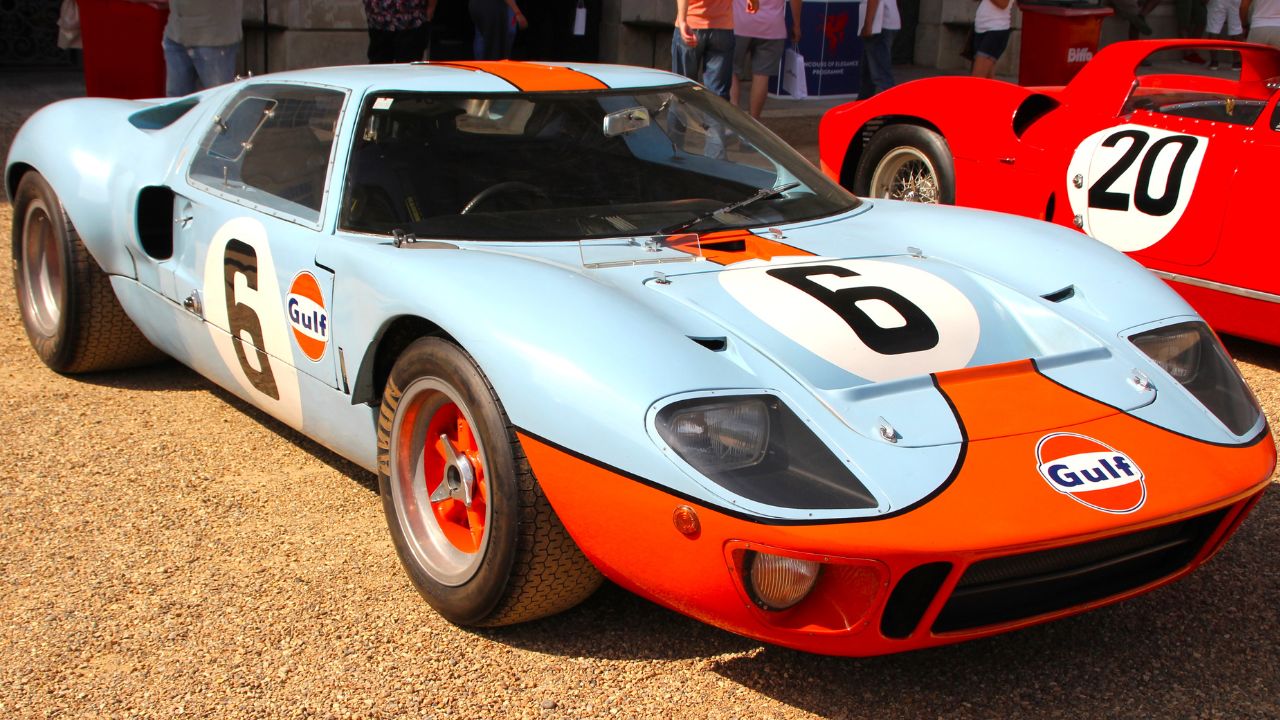
The Ford GT40 demonstrated what Ford could accomplish when it pursued international racing dominance. Its low-slung body, mid-engine layout, and powerful V8 were developed around one objective: defeating Ferrari at Le Mans. The resulting machine became one of the most famous racing cars ever built. Road-going versions were extremely limited, but their existence showed that Ford could develop sophisticated, purpose-built performance machinery capable of competing at the highest level.
Shelby Cobra
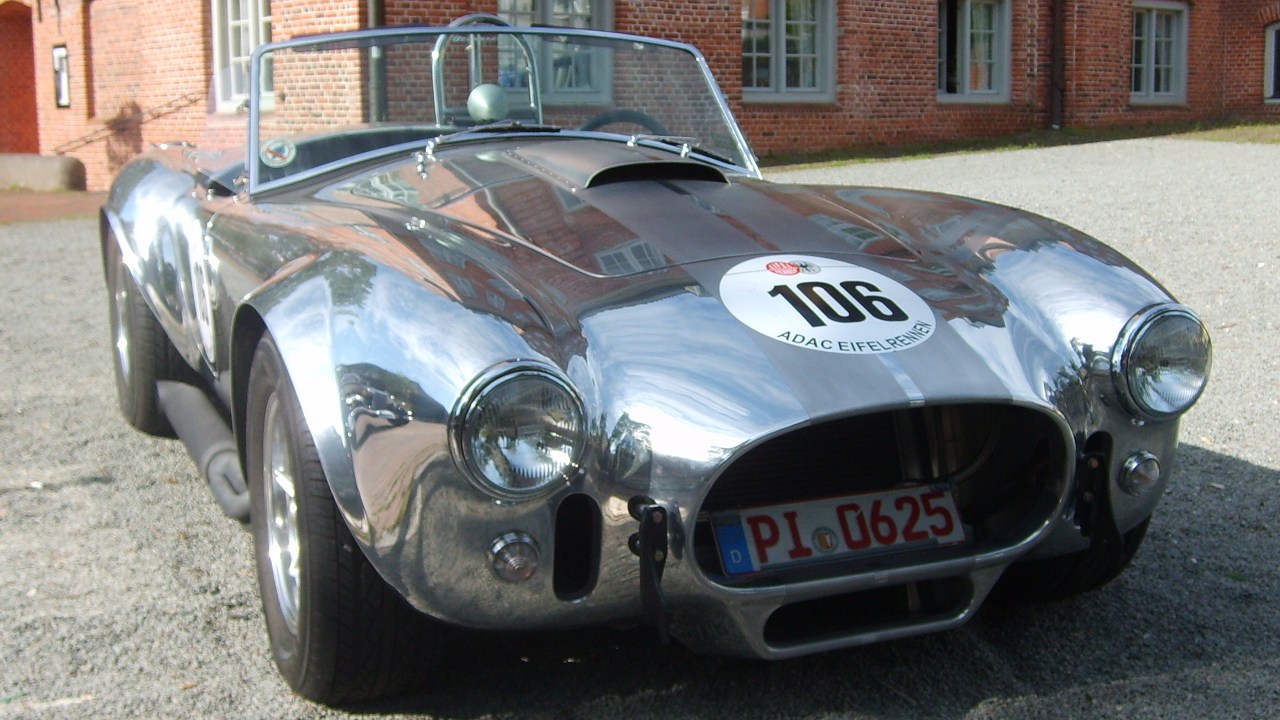
The Shelby Cobra combined a lightweight British roadster chassis with a powerful American V8, creating an unusually potent two-seat sports car. Carroll Shelby’s formula emphasized low weight and enormous power, resulting in a machine with exceptional acceleration. Its compact proportions and aggressive character made it instantly recognizable. The Cobra demonstrated how combining engineering ideas from different automotive cultures could produce a sports car far more extreme than either source alone.
Jaguar E-Type

The Jaguar E-Type showed how performance and elegance could coexist in one two-seat package. Its long hood, low body, independent suspension, and powerful inline-six gave it serious sporting credentials, while the beautifully sculpted exterior attracted attention everywhere. Jaguar created a car capable of impressive speed without sacrificing refinement. The E-Type became one of Britain’s most important automotive designs and remains a powerful representation of Jaguar engineering and styling.
Porsche 356 Speedster
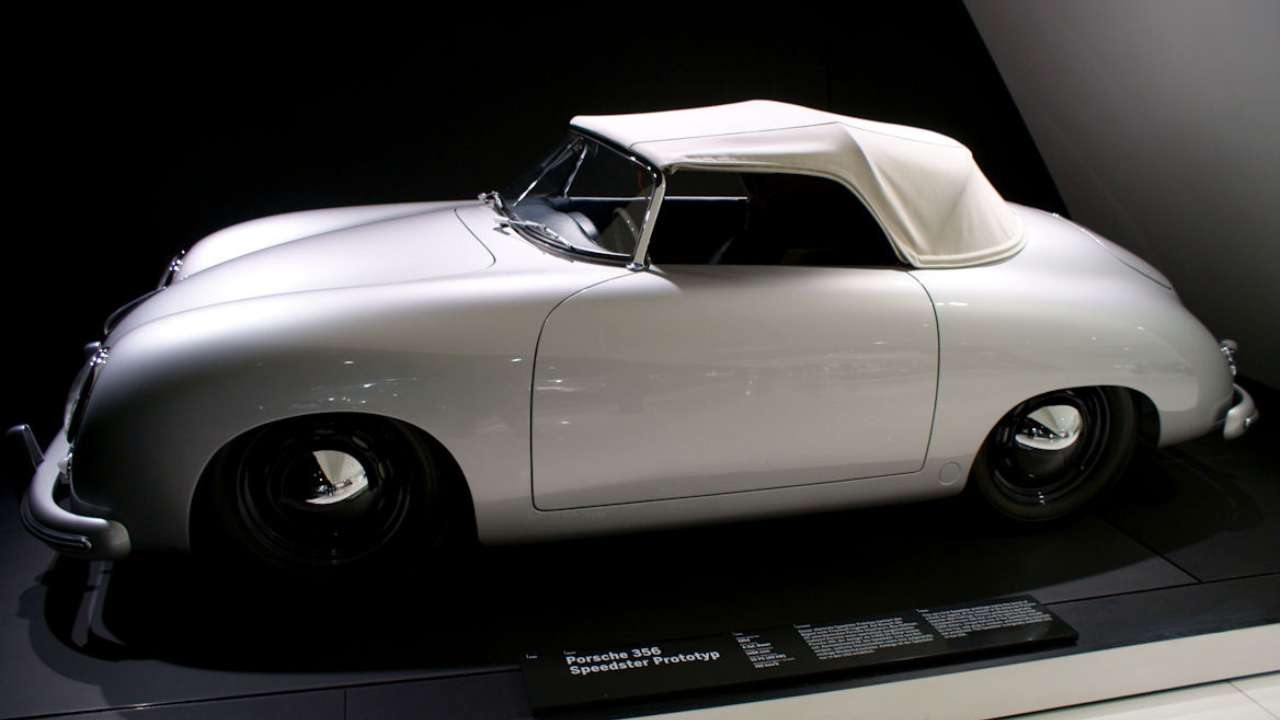
The Porsche 356 Speedster offered a stripped-down interpretation of the sports-car formula. Its low windshield, lightweight construction, and simple interior reduced unnecessary weight while emphasizing the driving experience. The compact two-seat layout made it especially appealing to enthusiasts who valued agility over luxury. The Speedster demonstrated Porsche’s early ability to extract impressive enjoyment from modest mechanical components, helping establish the company’s reputation among sports-car enthusiasts around the world.
Toyota 2000GT
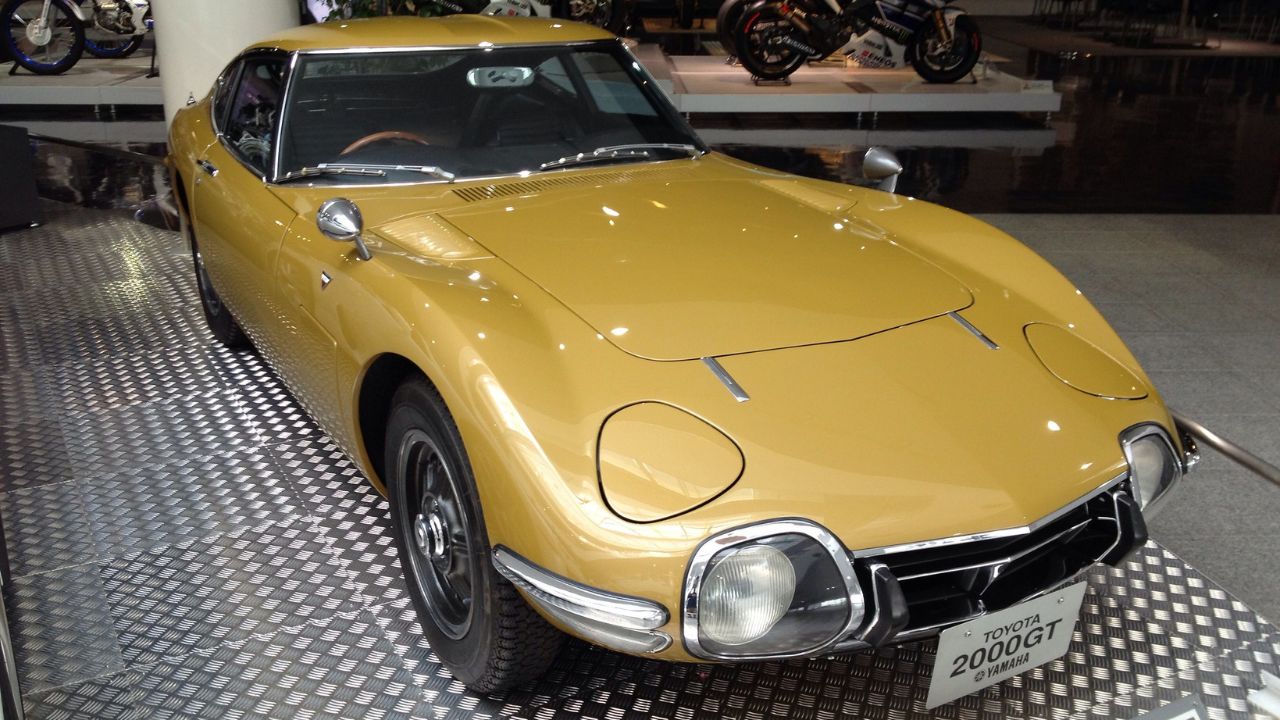
The Toyota 2000GT demonstrated that Toyota could build a sophisticated sports car capable of competing with established European manufacturers. Its elegant bodywork, inline-six engine, independent suspension, and carefully finished interior represented a major technological and design achievement for Japan. Produced in very small numbers, it became exceptionally rare. The 2000GT helped change international perceptions of Japanese automobiles by proving that Toyota could create a genuine premium sports car.
Honda S2000
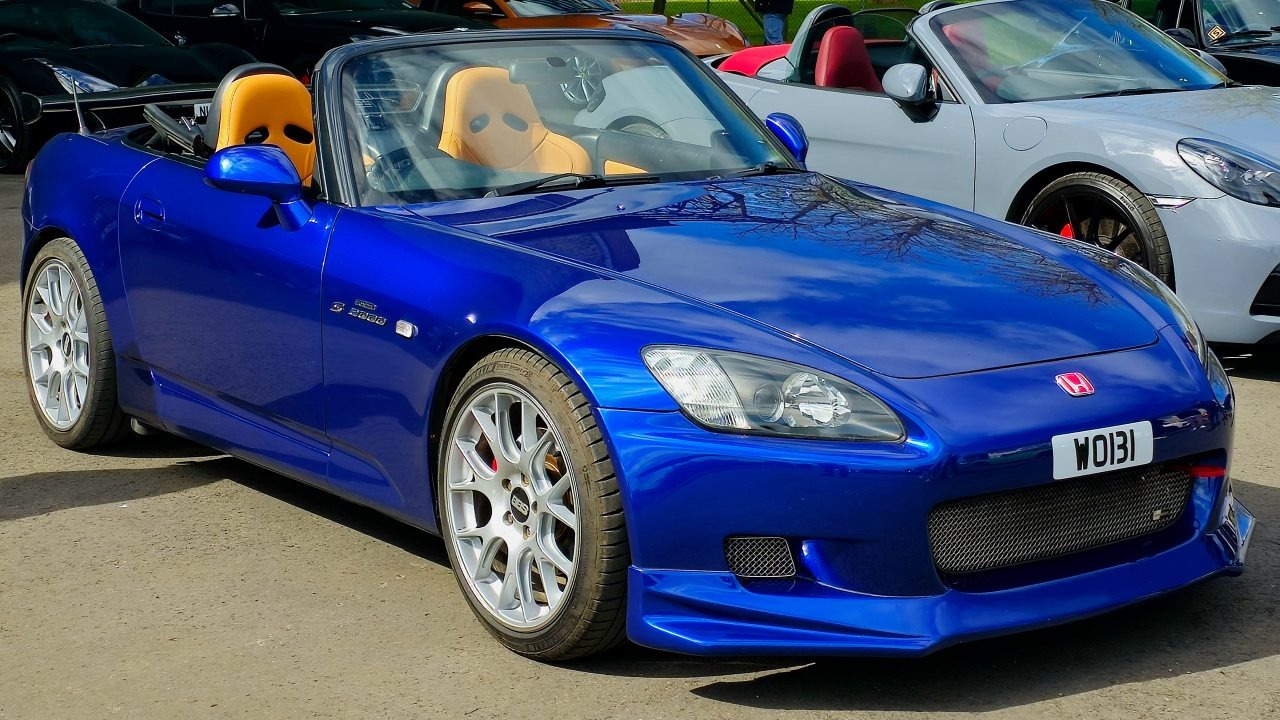
The Honda S2000 showcased Honda’s engineering philosophy through a compact roadster built around a high-revving naturally aspirated engine. Its rear-wheel-drive chassis, precise manual gearbox, and lightweight construction made driver involvement the priority. Rather than relying on a large engine or turbocharger, Honda pursued performance through engineering precision and engine speed. The S2000 demonstrated that Honda could create a highly focused sports car while retaining the mechanical reliability associated with the brand.
Mazda RX-7
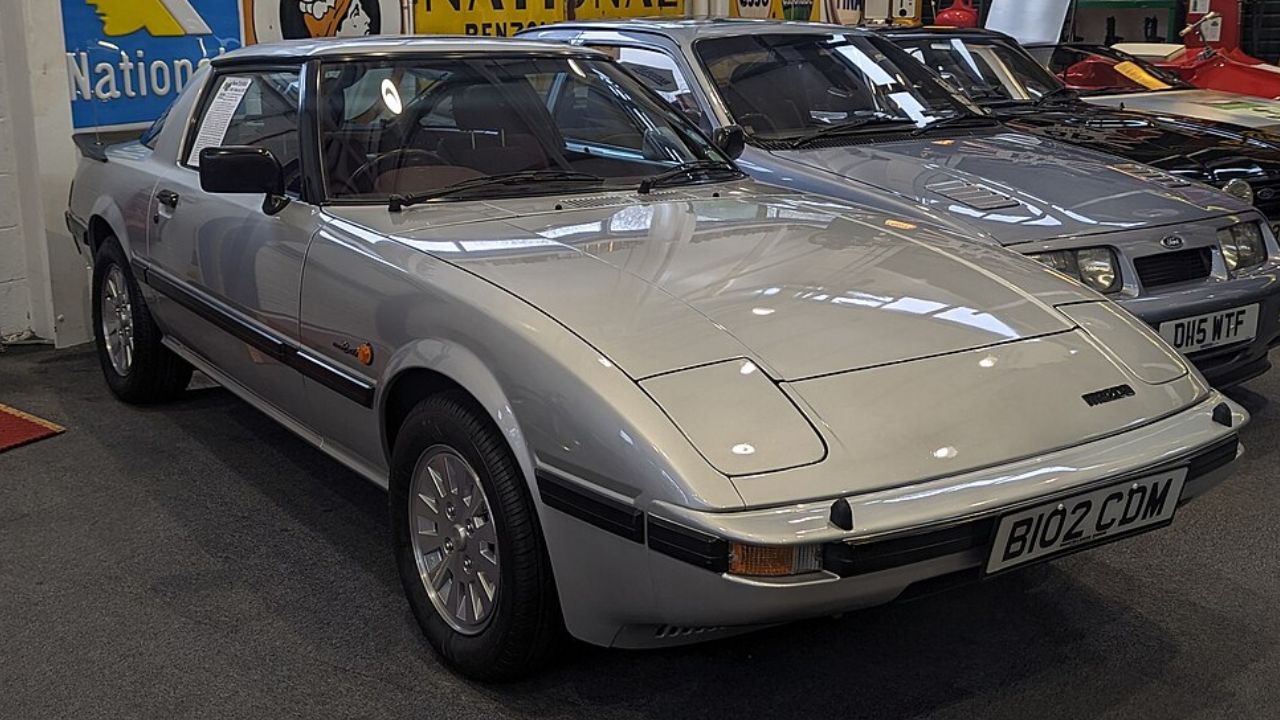
The Mazda RX-7 demonstrated the company’s commitment to developing the rotary engine into a distinctive sports-car powerplant. Its lightweight construction, compact engine, and balanced chassis created a unique driving experience that differed from conventional piston-powered competitors. Later generations became increasingly sophisticated and powerful while maintaining the rotary concept. The RX-7 showed how Mazda could take an unconventional engineering idea and turn it into a globally respected performance-car formula.
BMW Z8

The BMW Z8 combined retro-inspired styling with modern German engineering in a limited-production roadster. Its aluminum space-frame construction and high-performance V8 gave it serious mechanical credentials, while the design paid tribute to the legendary BMW 507. The Z8 was not intended to be a mass-market sports car. Instead, it demonstrated BMW’s ability to create a highly distinctive halo vehicle that blended heritage, luxury, and performance.
Mercedes-Benz 300 SL
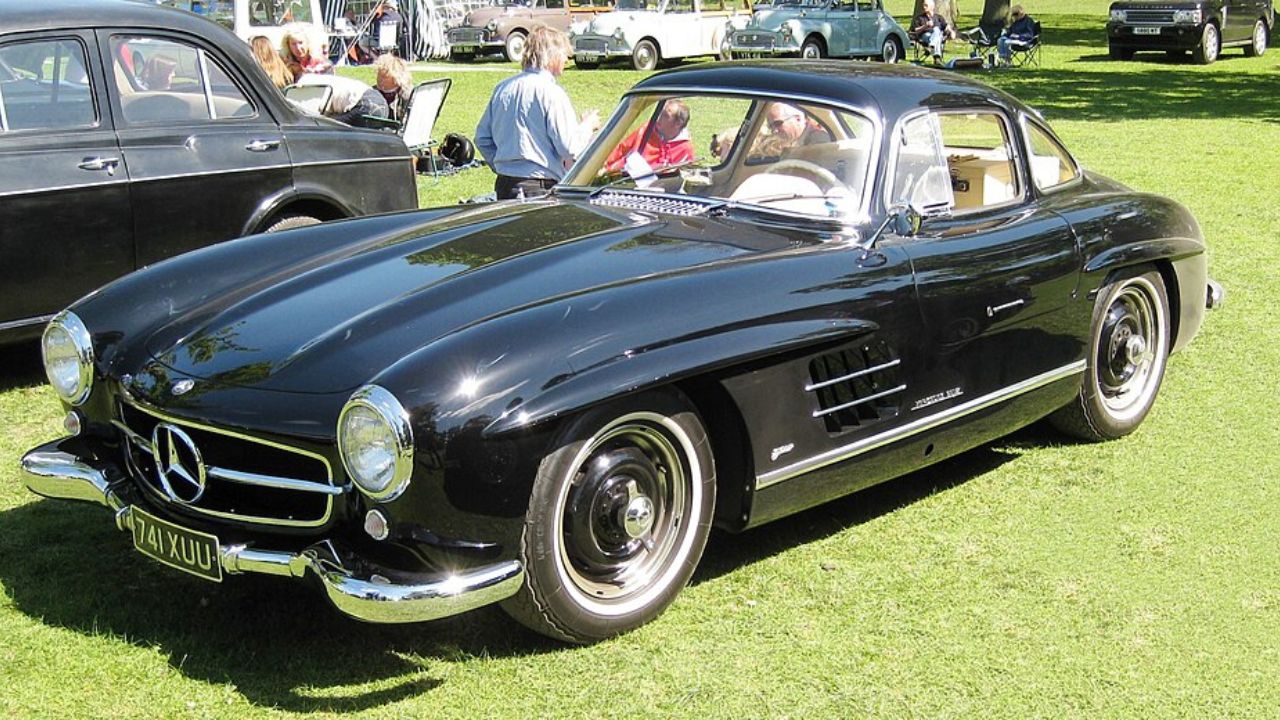
The Mercedes-Benz 300 SL became a landmark two-seat sports car through its combination of racing technology and innovative design. Its tubular space frame made the famous gullwing doors necessary, while fuel injection helped its inline-six deliver impressive performance. The 300 SL represented Mercedes-Benz engineering at its most ambitious. Its rarity, technical sophistication, and unforgettable appearance turned it into one of the most recognizable European sports cars ever produced.
Ferrari 250 GT California Spyder
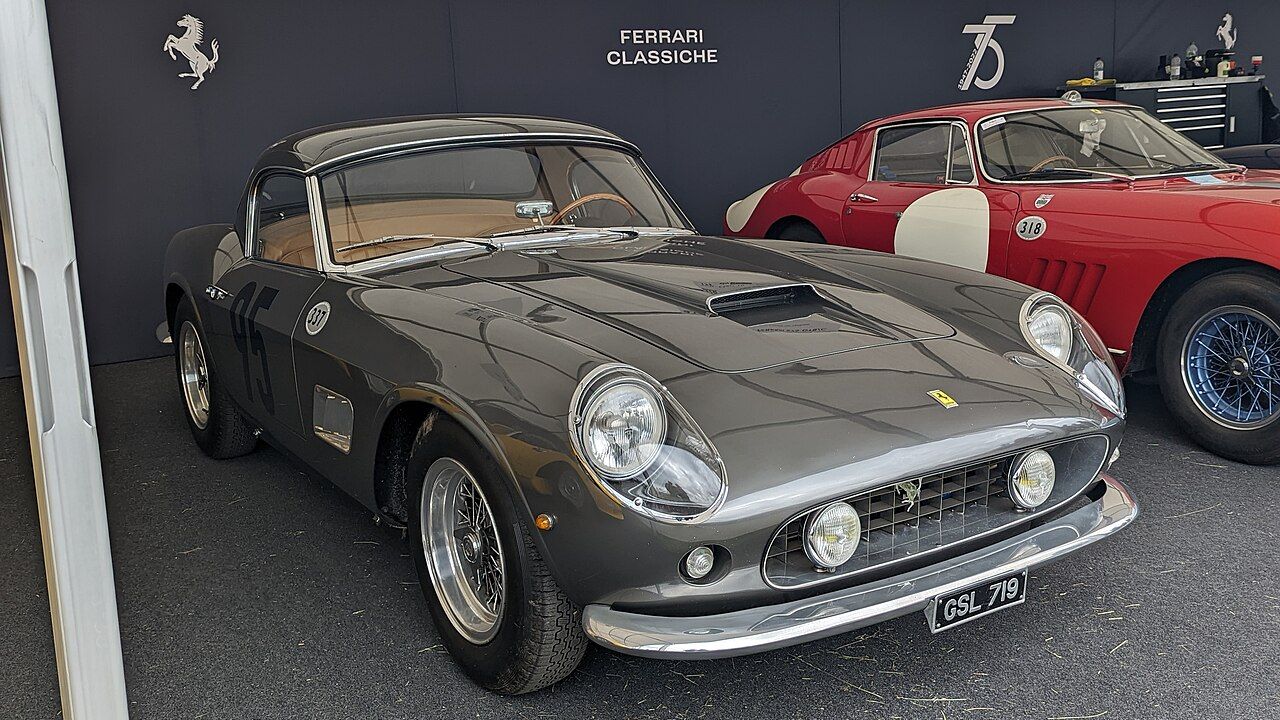
The Ferrari 250 GT California Spyder demonstrated how Ferrari could combine competition-derived performance with open-top luxury. Its lightweight body, powerful V12, and elegant proportions made it equally suited to spirited driving and glamorous touring. Built in limited numbers, the California Spyder became highly exclusive. Its engineering and styling reflected Ferrari’s ability to create road cars that carried genuine racing DNA while remaining sophisticated enough for wealthy road-going customers.
Aston Martin DB5
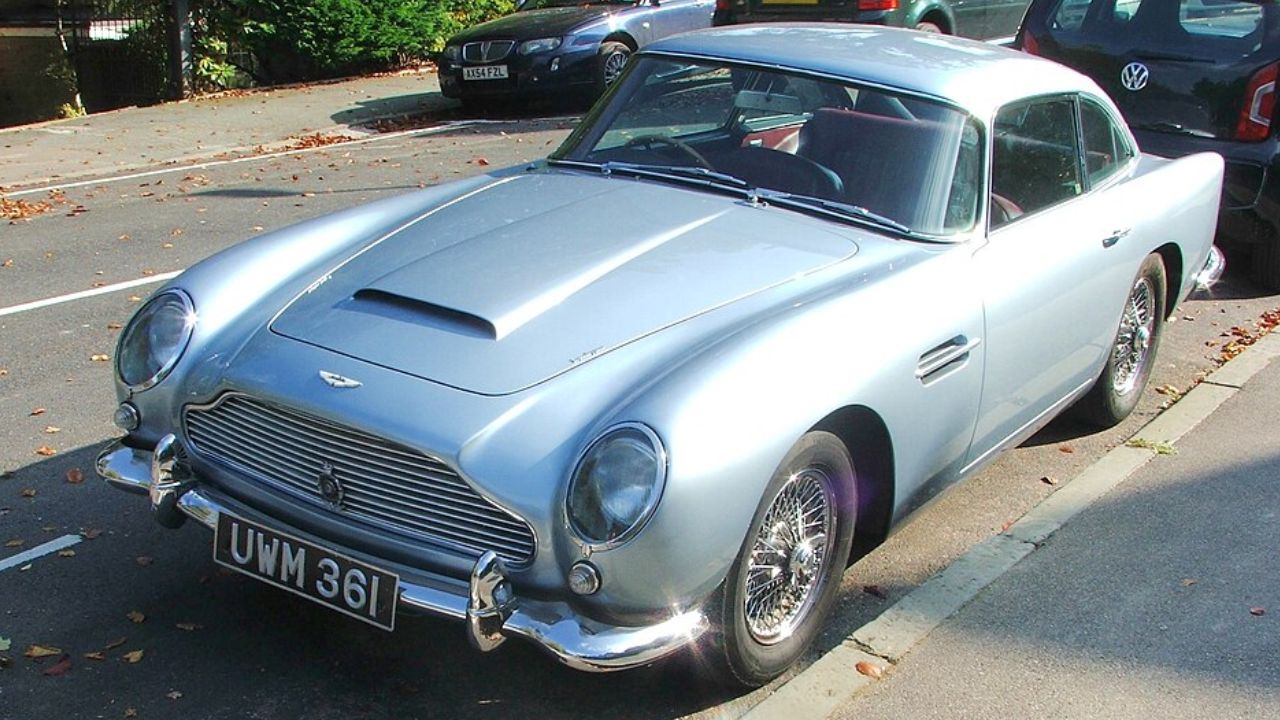
The Aston Martin DB5 represented the grand-touring side of the two-seat sports-car world. Its smooth inline-six, refined interior, and elegant bodywork prioritized effortless high-speed travel rather than extreme track performance. The DB5 became internationally famous through its association with James Bond, but its reputation rests on more than popular culture. It demonstrated Aston Martin’s ability to combine British craftsmanship, luxury, performance, and unmistakable visual identity.
More from Fast Lane Only
- Unboxing the WWII Jeep in a Crate
- 15 rare Chevys collectors are quietly buying
- 10 underrated V8s still worth hunting down
- Police notice this before you even roll window down
*Research for this article included AI assistance, with all final content reviewed by human editors