Juan Manuel Fangio is often hailed as one of the greatest drivers in the history of motorsport, but his influence extends far beyond the racetrack. His innovative techniques, strategic thinking, and engineering insights have inspired generations of engineers who seek to push the boundaries of automotive performance and design.
Fangio’s Racing Philosophy
One of the cornerstones of Juan Manuel Fangio’s success on the racetrack was his emphasis on precision and control. He believed that mastering the nuances of vehicle handling was essential for extracting optimal performance from a car. Engineers today study Fangio’s meticulous approach to driving, analyzing his techniques to enhance vehicle dynamics. For instance, his ability to feel the weight transfer of the car during cornering allowed him to make adjustments that many of his contemporaries could not. This level of detail is now taught in engineering programs worldwide, highlighting the importance of precision in automotive design.
Moreover, Fangio’s mental fortitude and strategic thinking set him apart from his peers. His calm demeanor under pressure enabled him to make split-second decisions that often turned the tide of a race. This aspect of his philosophy serves as a model for engineers tackling complex problems. Just as Fangio assessed risks and made calculated moves on the track, engineers are encouraged to adopt a similar mindset when developing solutions in their fields. This approach fosters a culture of innovation and creativity, essential for tackling the challenges faced in modern automotive engineering.
Fangio’s relentless pursuit of perfection also echoes in the world of engineering. He was known for his continuous improvement mentality, always striving to refine his driving techniques and understanding of vehicle mechanics. This ethos has inspired countless engineers to adopt a mindset of constant innovation. The automotive industry is one that thrives on incremental advancements, and Fangio’s example encourages engineers to push the limits of what is possible, whether in aerodynamics, materials science, or vehicle safety.
Technological Innovations in Automotive Engineering
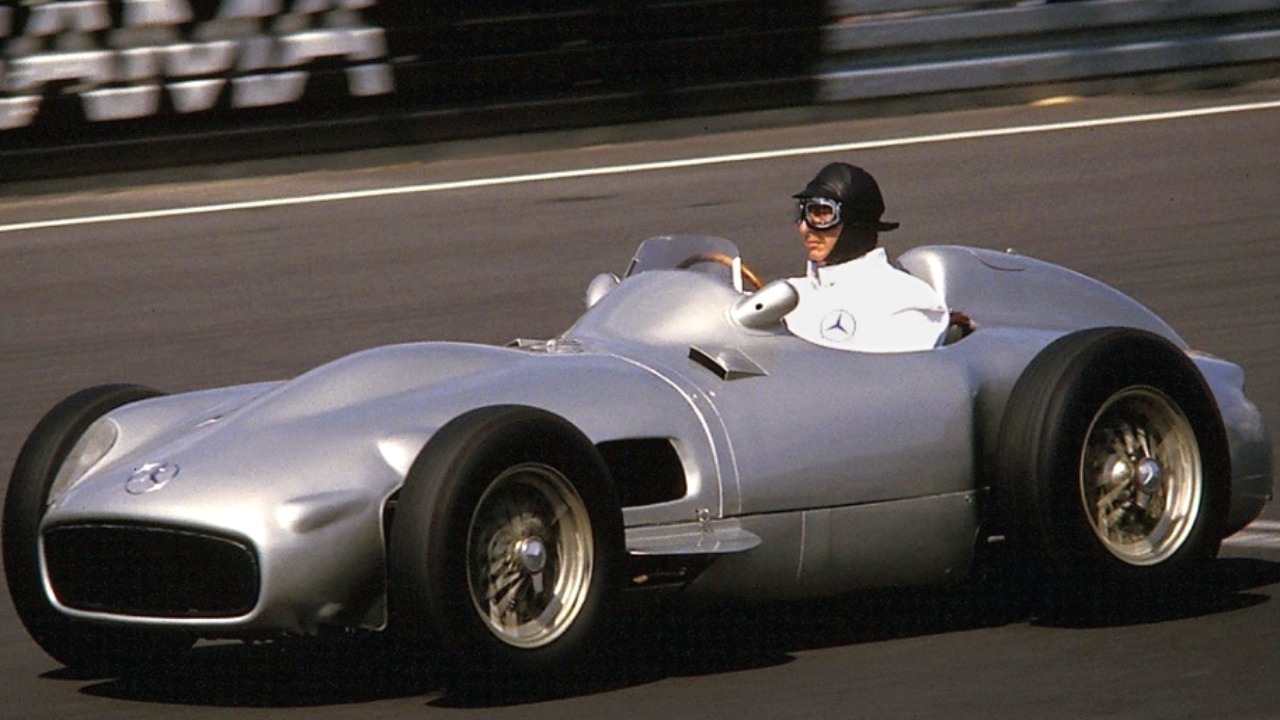
Fangio’s era was marked by significant technological advancements, especially in materials and aerodynamics. During the 1950s, when he was at the peak of his career, the automotive industry was undergoing a transformation that would set the stage for modern engineering practices. For instance, Fangio’s collaboration with Mercedes-Benz on the W196 model showcased the use of lightweight materials and advanced aerodynamics, paving the way for future designs. Engineers today often look back at these innovations as a foundation upon which contemporary vehicles are built.
Another area where Fangio made a lasting impact was in the pioneering use of data analysis. His strategic racing decisions were often informed by a keen understanding of vehicle dynamics, which, in turn, laid the groundwork for the data-driven approaches used in modern motorsport. Engineers now utilize sophisticated data analytics tools to optimize vehicle performance, drawing from Fangio’s methodologies. The integration of telemetry during races has revolutionized how teams analyze performance, allowing engineers to make real-time adjustments based on data collected from the track.
Fangio’s influence extended into suspension and tire technology as well. His feedback on vehicle handling and tire performance was instrumental in the evolution of these critical components. The iconic Mercedes-Benz W196, which Fangio drove to multiple victories, is often referenced in case studies for its innovative suspension design that improved handling and stability. Engineers today continue to build upon Fangio’s insights, leading to the development of advanced suspension systems and tire compounds that enhance grip and performance on various surfaces.
Collaboration with Engineers and Designers
Throughout his career, Juan Manuel Fangio formed pivotal partnerships with iconic automotive brands, most notably Mercedes-Benz and Ferrari. These collaborations highlight the importance of the driver-engineer relationship in the pursuit of excellence. Fangio was not just a driver; he was an integral part of the design process, offering invaluable feedback that directly influenced vehicle performance. This synergy between drivers and engineers is a crucial element in automotive development, as it fosters an environment where both parties can learn from each other and innovate.
Fangio’s ability to bridge the gap between performance and design has encouraged engineers to balance aesthetics with functionality. His insight into how a car feels and performs has inspired designers to consider the driving experience as an essential aspect of automotive design. This focus on user experience is evident in modern vehicles, where engineers and designers work collaboratively to create cars that not only perform well but also resonate with consumers on an emotional level.
Examining specific vehicles developed during Fangio’s time reveals the engineering challenges they addressed. For instance, the Mercedes-Benz 300SL “Gullwing,” which debuted in 1952, was a product of Fangio’s input and engineering prowess. The innovative design featured a lightweight aluminum body and advanced aerodynamics, making it one of the fastest production cars of its time. This car serves as a case study in automotive engineering, demonstrating how collaboration between drivers and engineers can lead to groundbreaking results.
Legacy in Motorsports Education
Juan Manuel Fangio’s principles have left an indelible mark on motorsports education. His approach to racing and engineering is often integrated into curricula for future engineers and automotive professionals. Educational institutions recognize the value of his philosophies, ensuring that the next generation of engineers is equipped with the knowledge and mindset necessary to innovate in the automotive sector. Fangio’s legacy serves as a cornerstone for teaching the importance of precision, strategy, and continuous improvement.
Furthermore, Fangio’s story serves as a motivational tool in workshops and seminars aimed at aspiring engineers. His journey from humble beginnings to becoming a racing legend inspires students to pursue their passions and strive for excellence. By sharing his experiences and insights, educators can instill a sense of determination and creativity in their students, encouraging them to think outside the box and push the boundaries of what is possible in automotive engineering.
The role of mentorship is another crucial aspect of Fangio’s legacy. He understood the importance of sharing knowledge and experiences with younger generations. Today’s engineering community continues to emphasize mentorship, recognizing that guiding aspiring engineers helps nurture talent and fosters innovation. Fangio’s commitment to mentorship is reflected in various initiatives and programs designed to support young engineers, ensuring that his influence endures for years to come.
Global Impact on Automotive Culture
Juan Manuel Fangio has become a symbol of excellence in motorsport, shaping global perceptions of automotive engineering. His reputation as a master driver has transcended borders, influencing not only racing culture but also engineering practices worldwide. Fangio’s methods and philosophies have been adopted by engineers and designers around the globe, inspiring them to strive for higher standards in performance and design.
The cultural influence of Fangio’s methods is evident in various automotive engineering practices. His emphasis on precision and innovation has become a guiding principle for engineers, encouraging them to adopt a similar mindset in their own work. This cultural shift is reflected in the increasing focus on quality and performance in vehicle design, as well as the growing importance of data analytics in the industry. Fangio’s legacy serves as a reminder that excellence is not just about winning races; it’s about the pursuit of perfection in every aspect of automotive engineering.
Numerous events and tributes celebrate Fangio’s contributions to motorsport and engineering. Annual races, awards, and exhibitions honor his legacy, reflecting the lasting impact he has had on the industry. These celebrations not only recognize his achievements but also serve to inspire future generations of engineers and drivers to carry on his legacy of excellence. Fangio’s name is synonymous with greatness, and his influence continues to be felt in the automotive world.
Modern Engineering Inspired by Fangio
Today, engineers draw inspiration from Juan Manuel Fangio’s techniques as they develop cutting-edge automotive technologies. The principles he championed in his racing career—such as precision, strategy, and continuous improvement—remain relevant in the face of rapid technological advancements. For example, the rise of autonomous vehicles has seen engineers revisiting Fangio’s insights into vehicle dynamics, applying them to the development of self-driving technology. His understanding of how a car interacts with its surroundings is now informing how engineers program autonomous systems to react in real-time.
Furthermore, Fangio’s legacy encourages engineers to consider sustainability in design. With the automotive industry facing increasing pressure to reduce its environmental impact, many engineers are drawing from Fangio’s relentless pursuit of perfection to innovate in eco-friendly technologies. This includes exploring alternative materials, improving fuel efficiency, and developing electric vehicles that maintain the performance standards Fangio exemplified. As a result, his influence is felt not just in speed and performance but also in the push toward a more sustainable future.
In conclusion, Juan Manuel Fangio’s impact on automotive engineering is profound and far-reaching. His innovative techniques, strategic mindset, and emphasis on collaboration have inspired generations of engineers to push the boundaries of what is possible. As we look toward the future of automotive technology, it is clear that Fangio’s legacy will continue to guide and inspire those who seek to excel in this dynamic field.
More from Fast Lane Only
- Unboxing the WWII Jeep in a Crate
- 15 rare Chevys collectors are quietly buying
- 10 underrated V8s still worth hunting down
- Police notice this before you even roll window down
*Research for this article included AI assistance, with all final content reviewed by human editors.