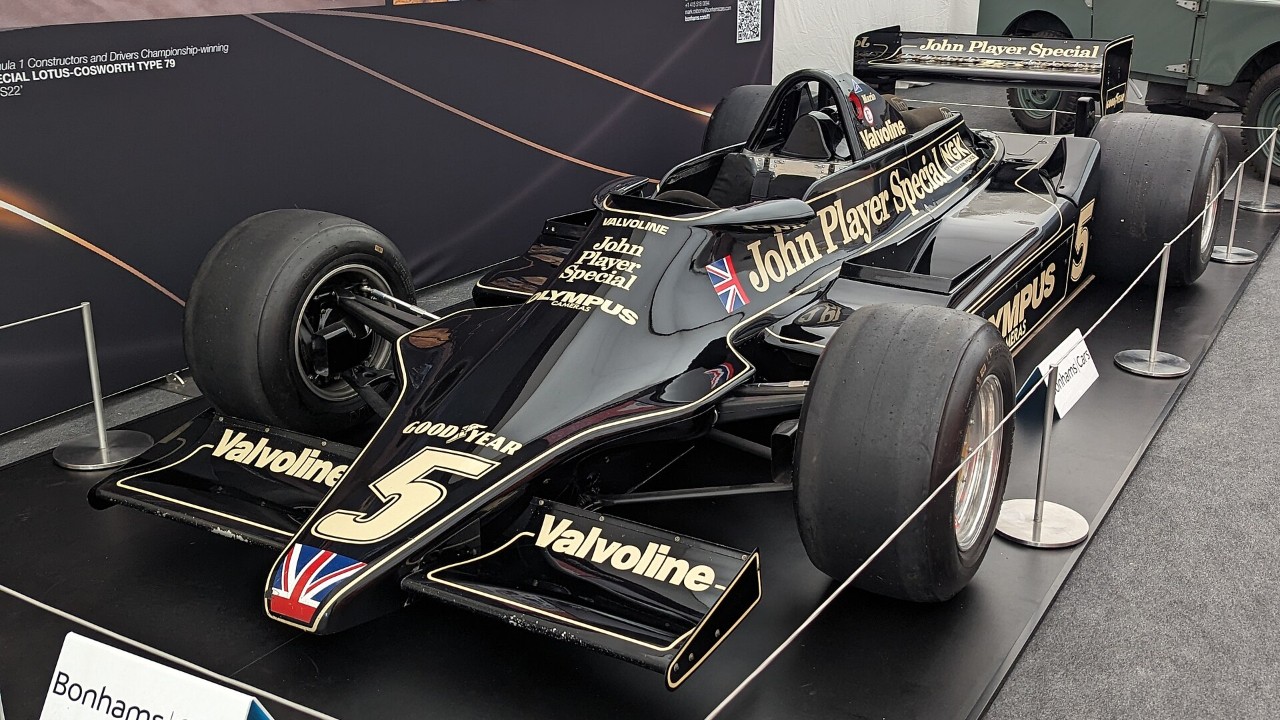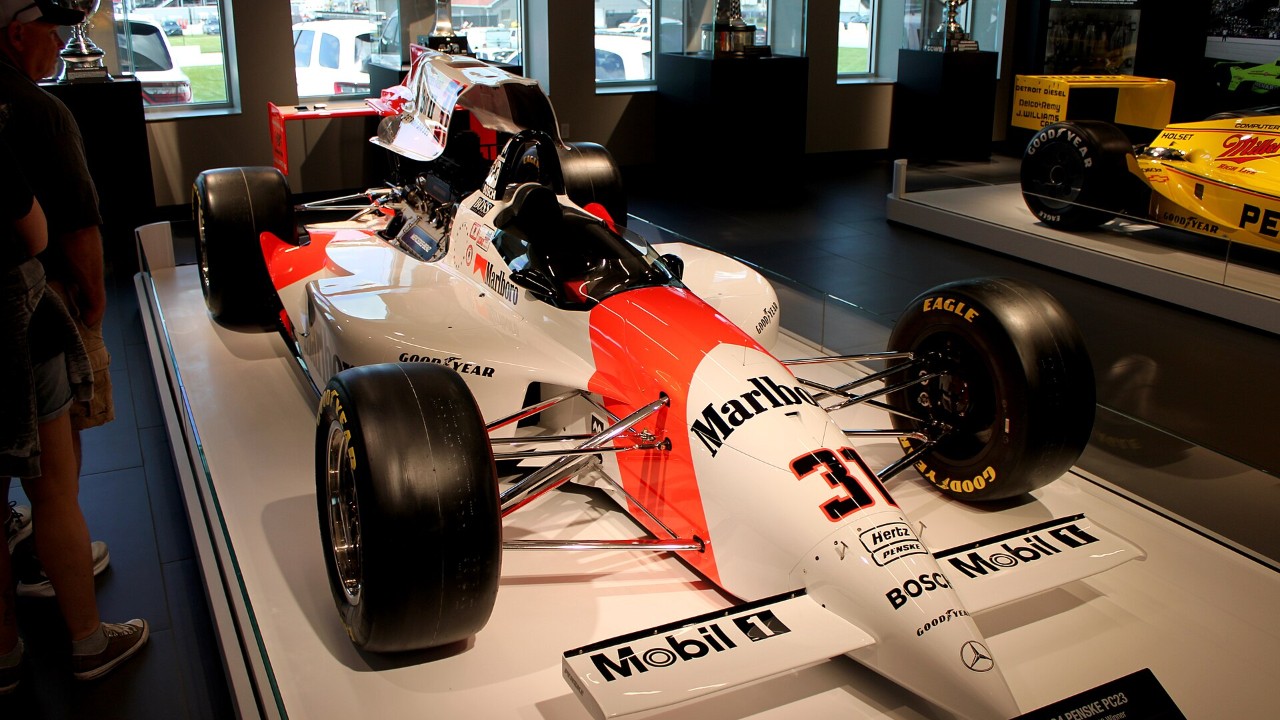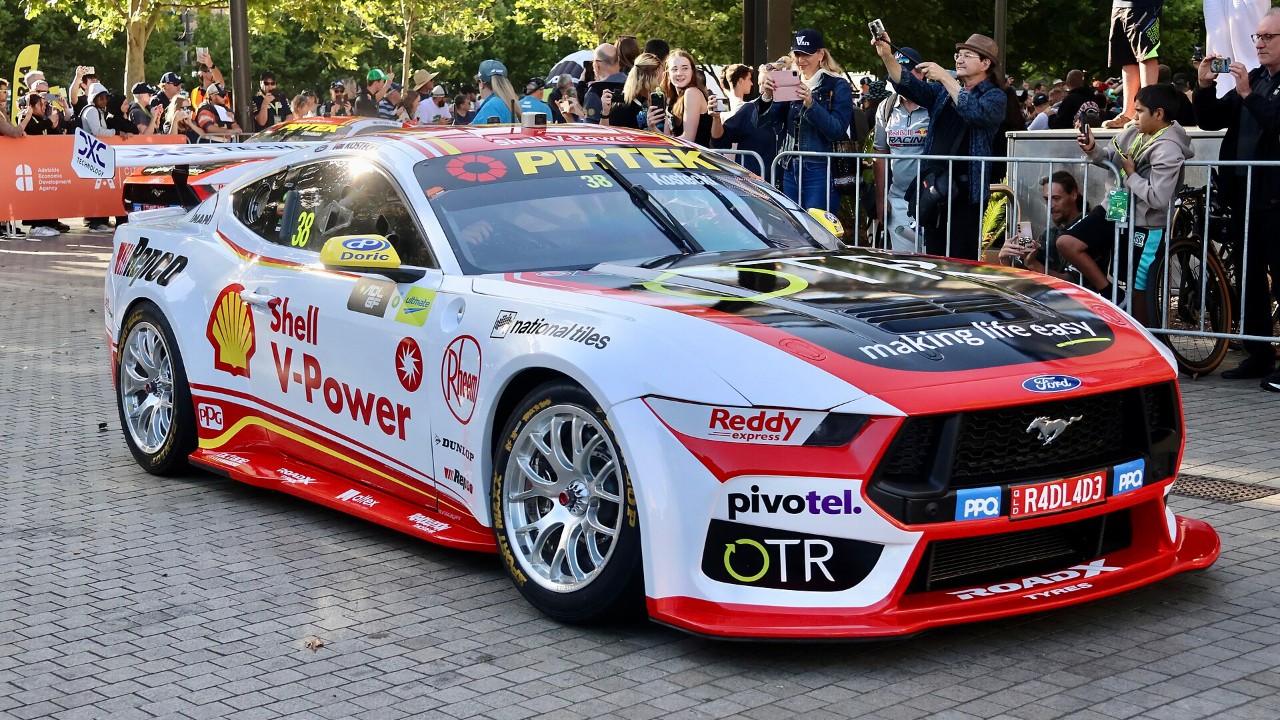
Limited-production cars often command significant premiums in the automotive market. The high value of these exclusive vehicles stems from a combination of factors, including their rarity, historical significance, performance capabilities, and cultural appeal. This exploration delves into the reasons why car enthusiasts are willing to pay such elevated prices for these coveted automobiles.
Rarity and Exclusivity
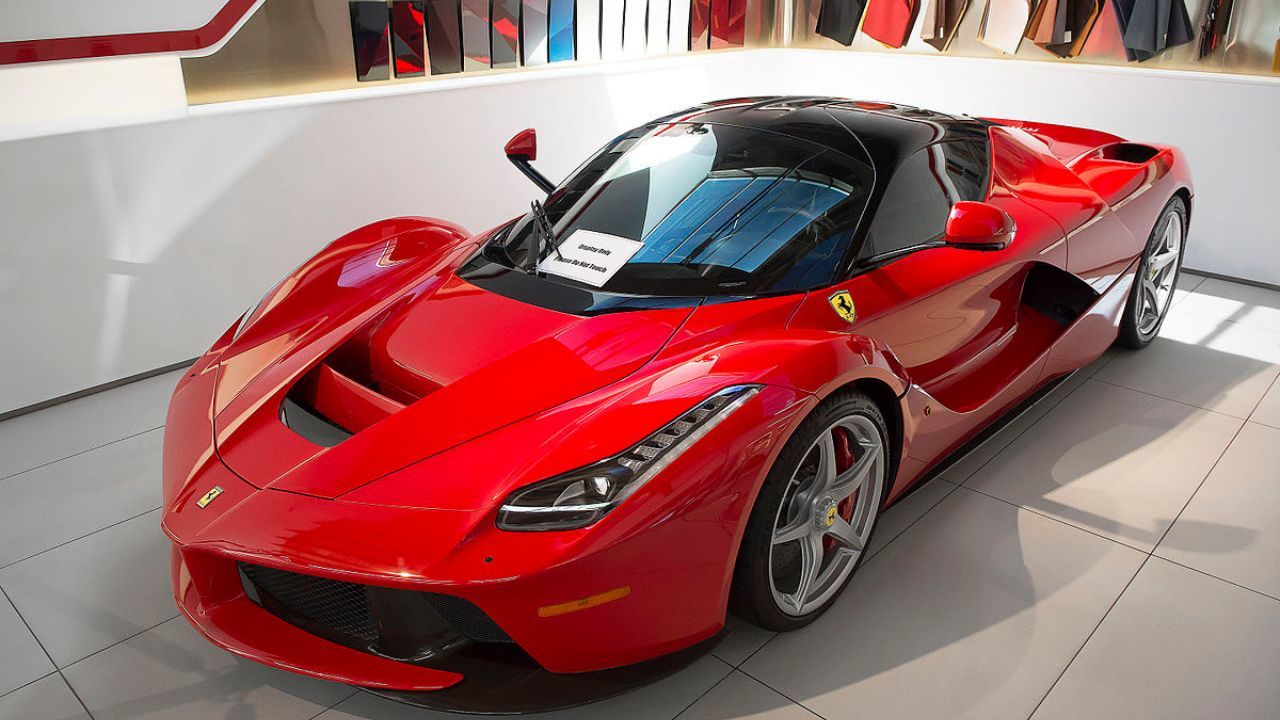
One of the primary reasons limited-production cars are highly sought after is their scarcity. Manufacturers produce only a small number of these vehicles, which creates a limited supply that doesn’t meet the enthusiastic demand. Take, for example, the Ferrari LaFerrari. With only 499 units produced, the rarity of this hypercar makes it exceptionally desirable. The limited availability drives up competition among collectors, significantly boosting the car’s market price. In an industry where exclusivity is king, the scarcity of such models becomes a major selling point.
Beyond limited numbers, these cars often boast unique features that set them apart from mass-produced models. Many limited-production cars offer bespoke design elements, such as customized interiors or unique paint colors, that enhance their appeal. The Bugatti Chiron Super Sport 300+, for instance, not only offers unmatched speed but also comes with exclusive design tweaks that differentiate it from other models. These distinctive features contribute to the allure of owning something truly one-of-a-kind.
Finally, brand prestige heavily influences the desirability of limited-production cars. Brands like Rolls-Royce, Aston Martin, and Lamborghini are synonymous with luxury and performance, and their limited-production models carry this prestige even further. The association with a respected brand elevates the perceived value of these vehicles, making them even more attractive to collectors and enthusiasts who are willing to pay a premium to own a piece of automotive history.
Historical and Investment Value
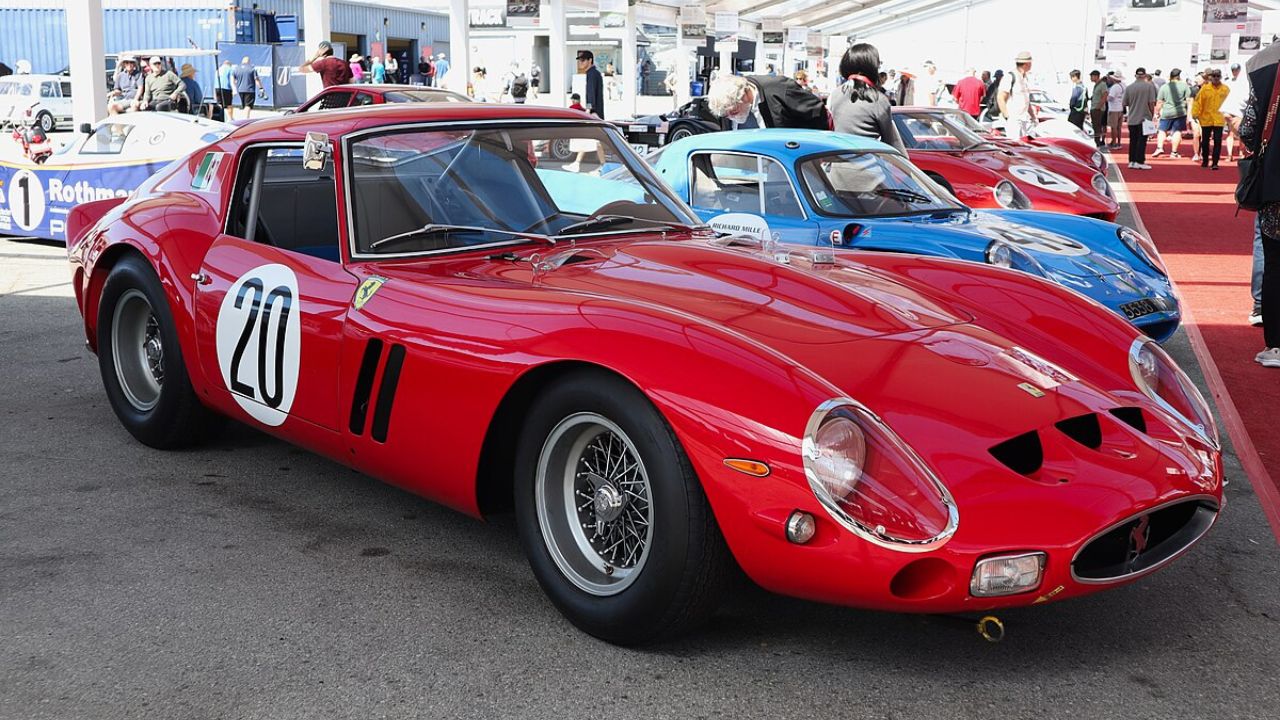
Limited-production cars often become collectibles due to their rarity, and this collectibility can significantly increase their value over time. The 1962 Ferrari 250 GTO is a prime example; regarded as one of the most valuable cars in the world, it owes much of its worth to its limited production run of just 36 units. Over time, car collectors have recognized the importance of owning such rare models, leading to multi-million dollar sales at auctions.
Some limited-production cars gain historical significance, which further elevates their market value. Vehicles like the Porsche 959, initially built for Group B rally racing, have become legendary due to their technological advancements and historical relevance. The car’s success story and its role in automotive history make it a prized possession, with prices reflecting its esteemed status. Collectors are drawn not only to the car’s design and performance but also to its story and place in the annals of automotive development.
Moreover, many limited-production cars come with substantial investment potential. Unlike typical vehicles that depreciate over time, these cars often appreciate in value. The McLaren F1, produced in the 1990s, initially sold for around $1 million. Today, its value has skyrocketed, with some examples fetching over $20 million at auction. This appreciation in value makes limited-production cars an attractive investment for those looking to diversify their portfolios with tangible assets.
Performance and Innovation
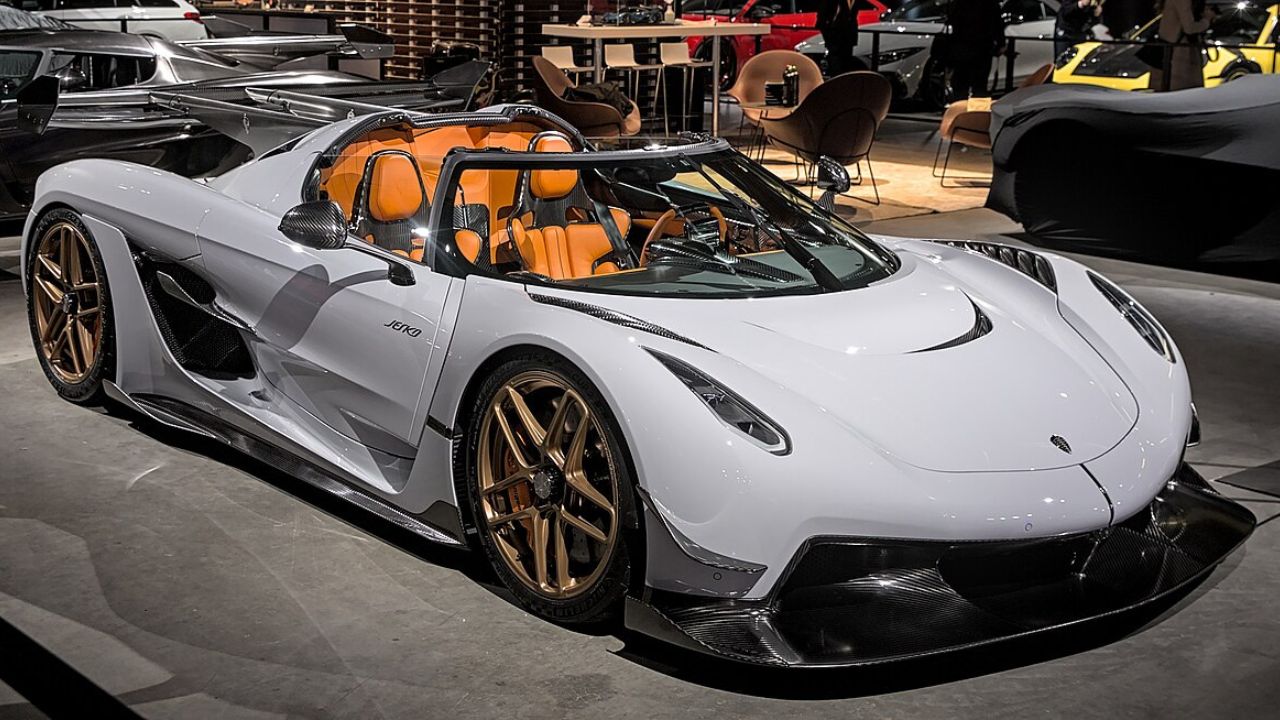
The performance and technological innovation found in limited-production cars are significant draws for buyers. These vehicles often feature cutting-edge technology and engineering developments that are not yet available in mass-market models. For instance, the Koenigsegg Jesko offers advanced aerodynamics and a new Light Speed Transmission system, making it a marvel of modern automotive engineering. Enthusiasts are drawn to the promise of owning a car that represents the pinnacle of technological achievement.
In addition to technological advancements, limited-production cars frequently offer superior performance that appeals to speed enthusiasts. The Bugatti Veyron, known for breaking the world speed record upon its release, exemplifies how these cars push the boundaries of performance. The allure of unmatched speed and power is a compelling reason for many buyers, who are willing to pay a premium for a driving experience that few other vehicles can offer.
Limited-production vehicles often serve as prototypes for future models, incorporating features and technologies that may eventually trickle down to more accessible vehicles. The Lexus LFA, for example, introduced a carbon fiber-reinforced polymer body that influenced the design and manufacturing of subsequent Toyota and Lexus models. This prototype influence adds an additional layer of desirability, as buyers are not only purchasing a car but a piece of the future of automotive design.
Cultural and Emotional Appeal
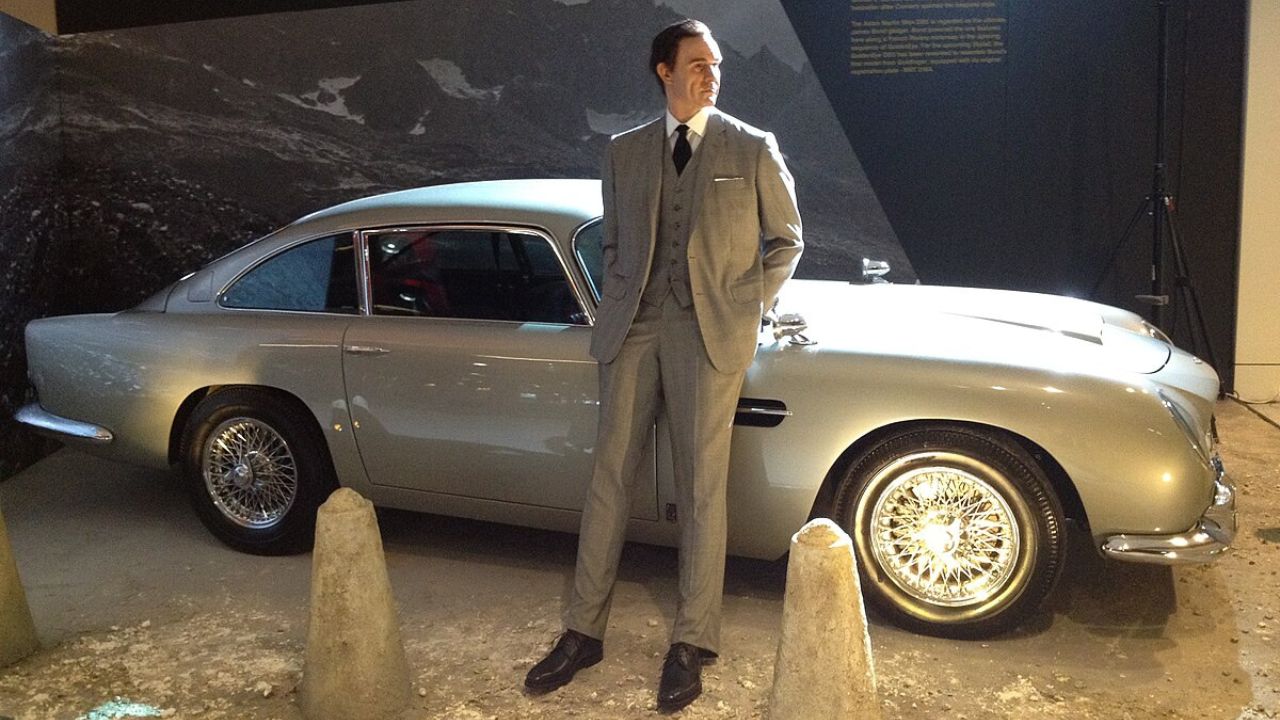
The cultural and emotional appeal of limited-production cars cannot be underestimated. Celebrity endorsements and media appearances can significantly enhance a car’s desirability and market value. When a car like the Aston Martin DB5 becomes synonymous with James Bond, its cultural cachet skyrockets, making it an iconic model that collectors and fans alike covet. Such associations create a mystique around the vehicle that transcends its physical attributes.
For many car enthusiasts, the attraction to a limited-production model goes beyond its specifications; it involves an emotional connection. The story behind a car or its unique background can resonate with collectors on a personal level. This connection is often rooted in nostalgia or an admiration for the brand’s legacy, making ownership a deeply personal experience. Owning a vehicle like the Ford GT40, with its storied history at Le Mans, offers enthusiasts a tangible link to automotive history.
Owning a limited-production car is also a lifestyle symbol, reflecting personal success and status. These vehicles often serve as a testament to the owner’s achievements and taste, making them desirable status symbols. Driving or displaying a car like the Pagani Huayra signals a lifestyle of exclusivity and luxury, appealing to those who wish to convey their personal success and unique style through their choice of automobile.
Market Dynamics and Pricing Strategies
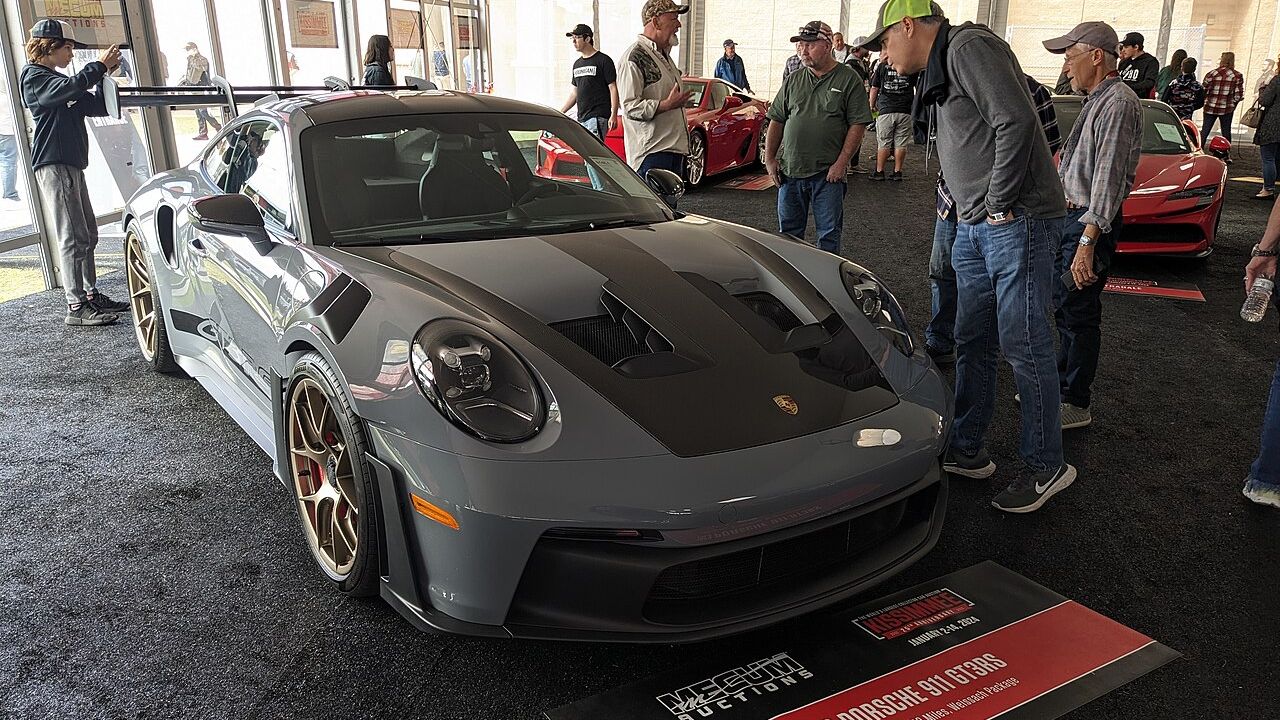
The market dynamics surrounding limited-production cars often contribute to their inflated prices. Auctions can play a significant role in this process, as bidding wars drive prices well beyond the initial estimates. High-profile auctions such as those conducted by Sotheby’s or Barrett-Jackson frequently see limited-production models fetching record-breaking sums. The competitive nature of auctions can lead to price surges, as collectors vie for the chance to own a piece of automotive rarity.
Dealerships and manufacturers also employ strategic pricing tactics to capitalize on the exclusivity of limited-production models. By creating a sense of urgency and exclusivity, they can justify higher prices. Some manufacturers even select buyers for their limited-run models, ensuring that only the most devoted enthusiasts or prestigious clients receive the opportunity to purchase. This selective approach further enhances the perceived value and exclusivity of the vehicle.
Lastly, market speculation and hype can lead to rapid price increases for limited-production cars, sometimes surpassing their intrinsic value. Enthusiasts and investors alike often buy into the excitement surrounding a rare model, leading to inflated prices driven by anticipation and perceived future value. This speculative nature of the market can create bubbles, where prices rise significantly due to the fervor surrounding the vehicle rather than its actual performance or features.
Like Fast Lane Only’s content? Be sure to follow us.
Here’s more from us:
*Created with AI assistance and editor review.