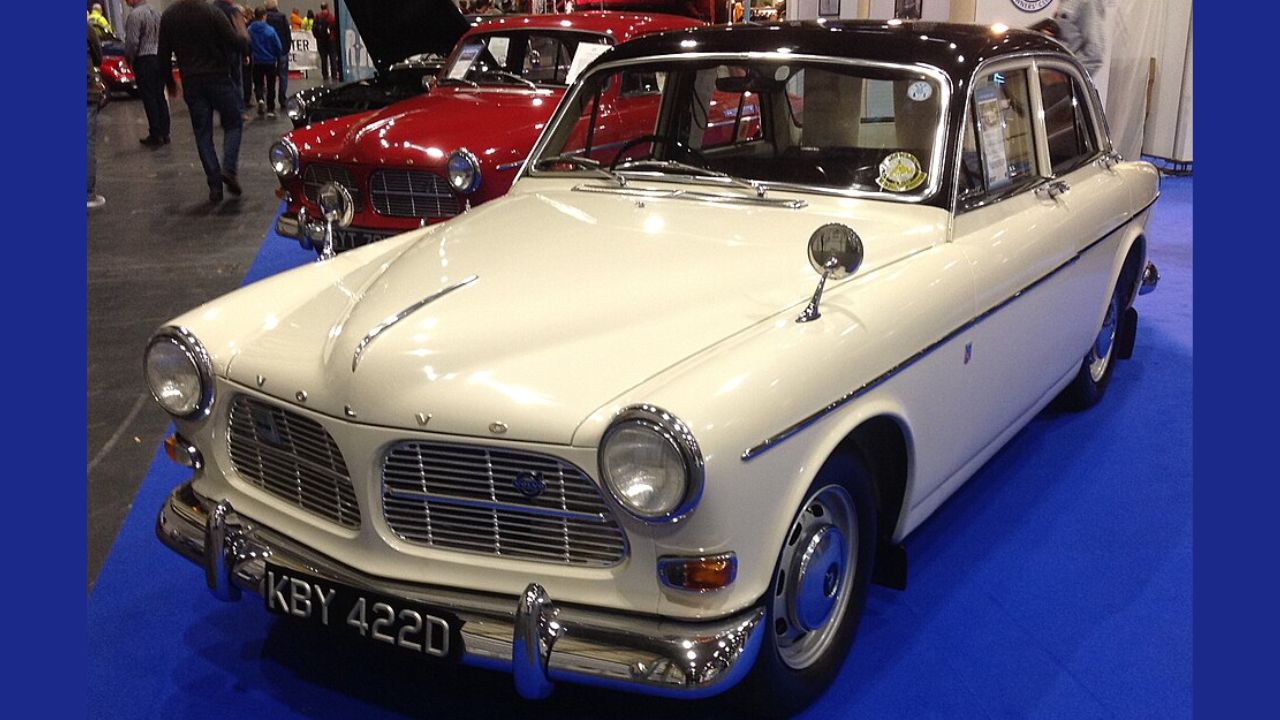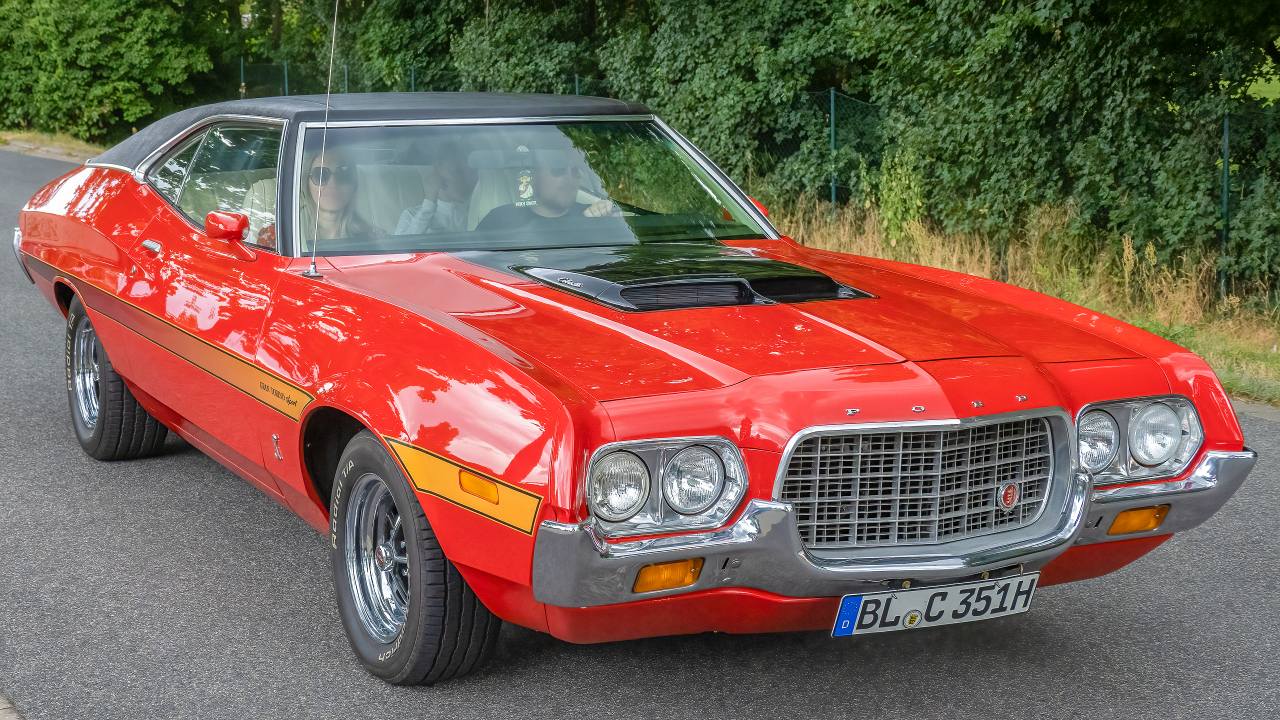
The vinyl roof was a prominent feature in many classic muscle cars from the 1960s and 1970s, representing an era of automotive design that combined style with innovation. While some may view it as a purely aesthetic choice, the vinyl roof served multiple purposes, contributing to the car’s appeal and functionality. Delving into the reasons behind this unique feature reveals its multifaceted role in shaping the identity of these iconic vehicles.
The Aesthetic Appeal of Vinyl Roofs
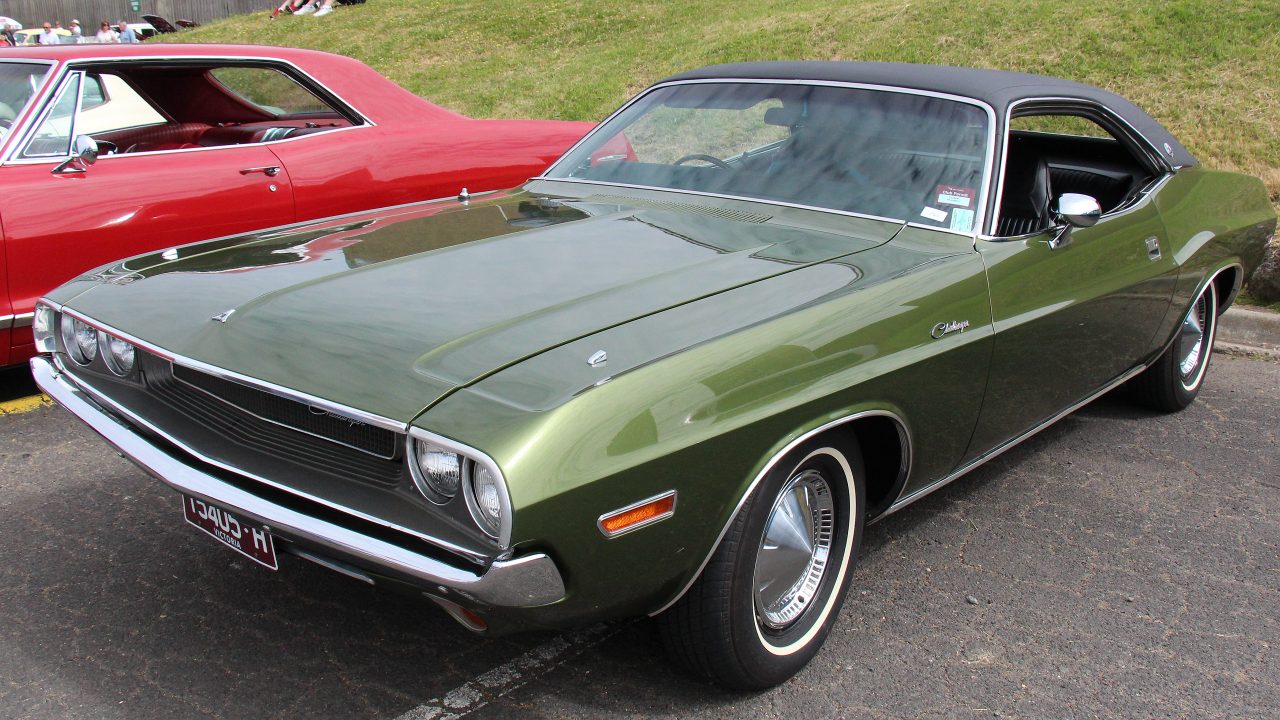
Vinyl roofs were initially designed to mimic the look of a convertible, offering a luxurious appearance without the practical drawbacks of a soft top. This design choice allowed car manufacturers to capitalize on the allure of convertibles while providing the structural integrity and safety of a hardtop. The vinyl roof was a clever compromise, offering the best of both worlds: the elegance and sporty appeal of a convertible, combined with the durability of a fixed roof.
In the highly competitive automotive market of the 1960s and 1970s, standing out was crucial. The vinyl roof provided a distinctive look that helped muscle cars capture attention on the showroom floor and the streets. Vehicles like the 1970 Plymouth Barracuda Gran Coupe exemplified this trend, with their sleek lines and contrasting roof textures. Moreover, manufacturers seized upon the opportunity to offer customization options, allowing buyers to personalize their vehicles with unique color and texture combinations. This level of customization helped solidify the vinyl roof as a signature feature of the era’s automotive style.
Practical Advantages of Vinyl Roofs
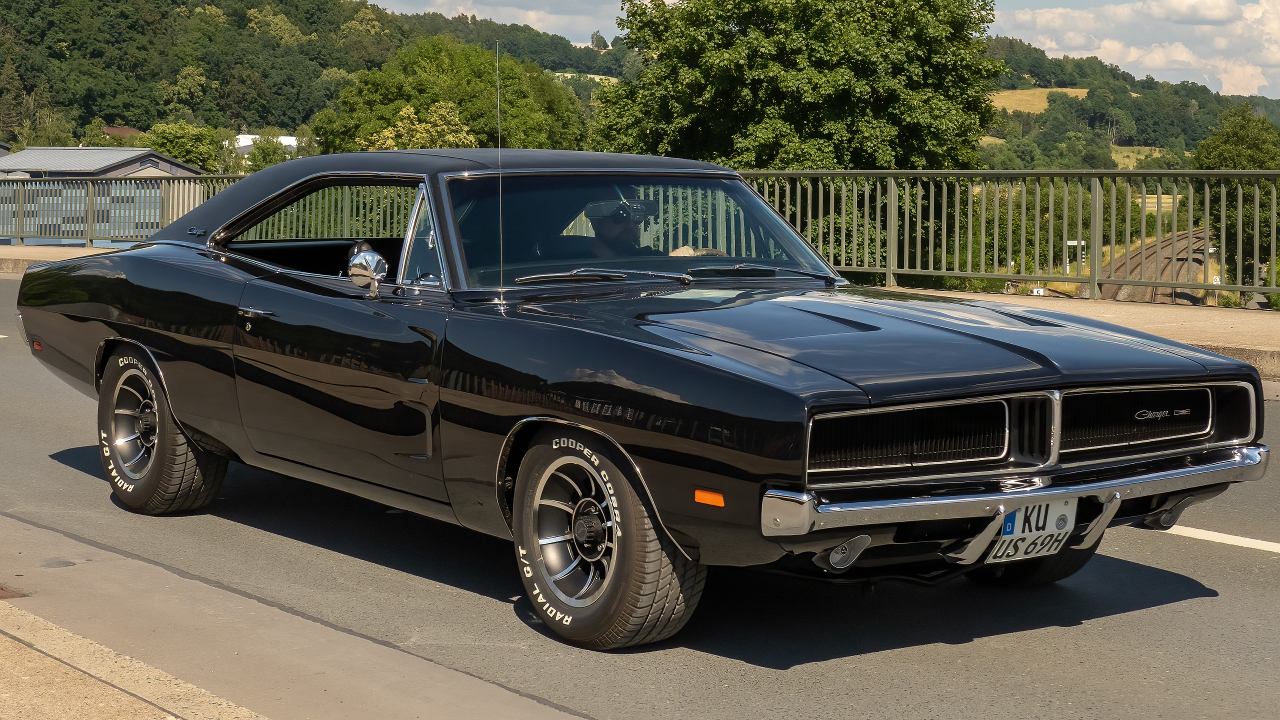
Beyond aesthetics, vinyl roofs offered several practical advantages that contributed to their popularity. One of the most notable benefits was the added layer of insulation they provided. The vinyl material helped reduce noise from the road and engine, creating a quieter, more comfortable driving experience. Additionally, this insulation aided in maintaining a stable interior temperature, making the car more pleasant to drive in various weather conditions.
Another factor contributing to the widespread use of vinyl roofs was their cost-effectiveness. The material was relatively affordable, allowing manufacturers to enhance the perceived luxury of their vehicles without significantly increasing production costs. This made vinyl roofs an attractive option for both carmakers and consumers, as they could enjoy the benefits of a more upscale appearance without breaking the bank. Furthermore, vinyl roofs offered a degree of protection against the elements, shielding the underlying metal from rain and sun exposure, which could lead to rust and paint damage over time.
Cultural and Marketing Influences
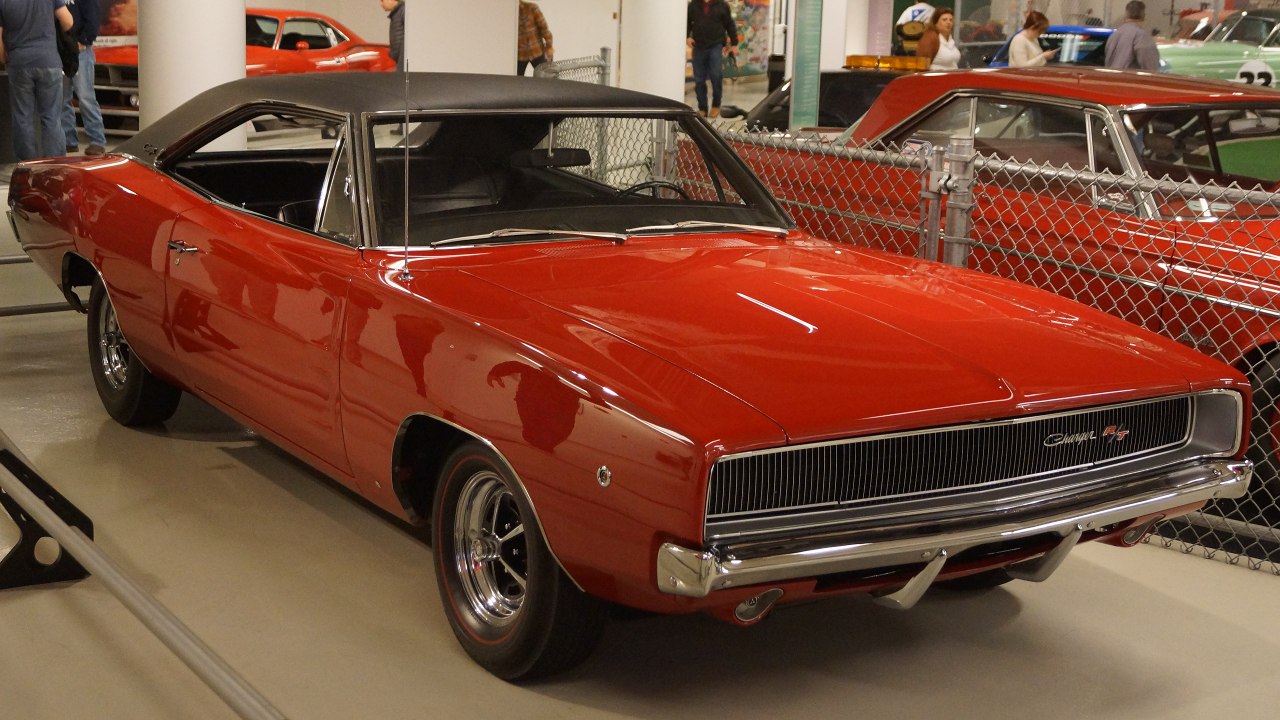
The rise of the vinyl roof coincided with a period of economic prosperity in the United States, where consumers were increasingly willing to pay extra for stylistic enhancements. This era saw the birth of muscle cars as powerful symbols of status and individuality, and the vinyl roof played a key role in this narrative. Marketing campaigns of the time emphasized the sophistication and modernity that vinyl roofs represented, tapping into the consumer desire for status symbols and self-expression.
Car manufacturers were also influenced by European design trends and American consumer preferences, which favored bold, unique styles. Vinyl roofs became a symbol of the era’s automotive culture, embodying the spirit of innovation and the desire for personalization. Vehicles like the Hurst/Olds, which featured distinctive vinyl tops, became icons of their time, showcasing how cultural and marketing influences drove the adoption of this feature.
Technological Considerations and Challenges
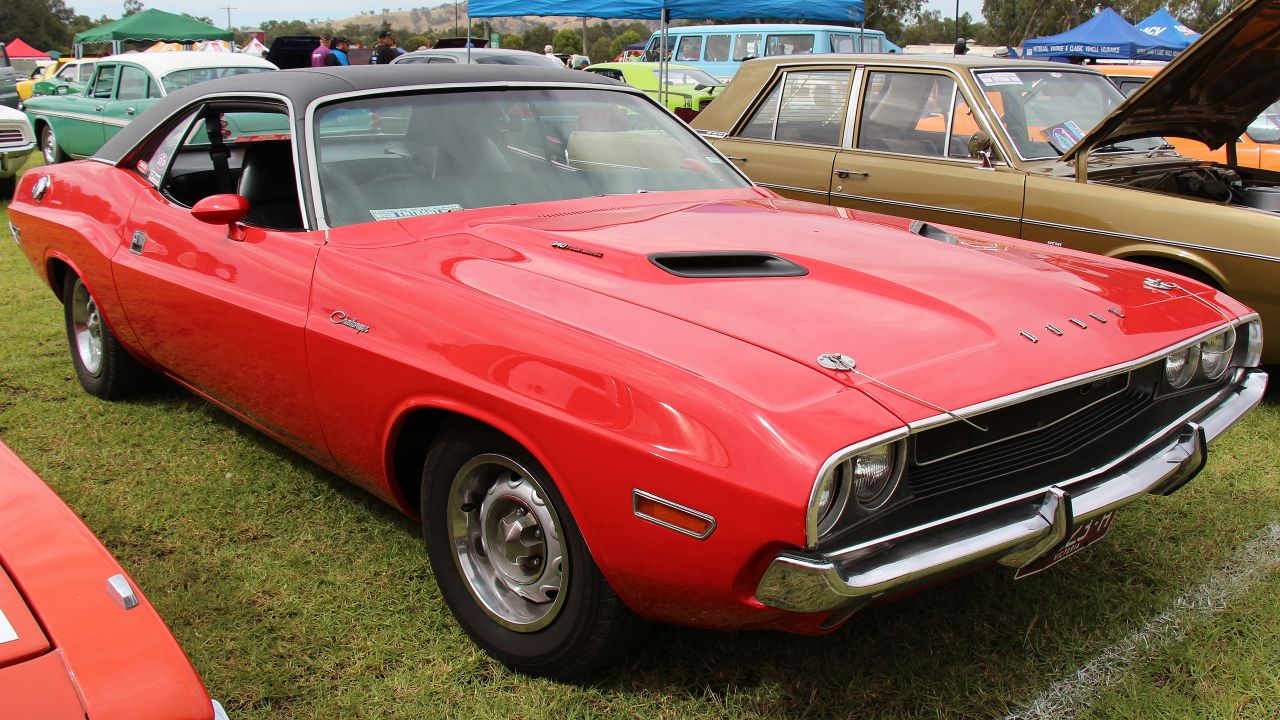
The installation of vinyl roofs required advanced techniques to ensure durability and a seamless appearance, reflecting the technical prowess of manufacturers at the time. Achieving a flawless finish demanded precision and skill, as any imperfections could detract from the overall aesthetic appeal. This attention to detail highlighted the commitment of carmakers to deliver a high-quality product that met consumer expectations for style and performance.
Despite their popularity, vinyl roofs were not without their challenges. Over time, they were prone to wear and tear, leading to common issues such as bubbling, peeling, and fading. These problems were often exacerbated by exposure to harsh weather conditions, which could degrade the material and compromise its appearance. As advancements in paint technology and materials emerged, manufacturers began to explore alternative ways to achieve similar aesthetic effects. This shift contributed to the decline in popularity of vinyl roofs, as carmakers sought more durable and low-maintenance options for enhancing vehicle design.
Legacy and Collector Appeal
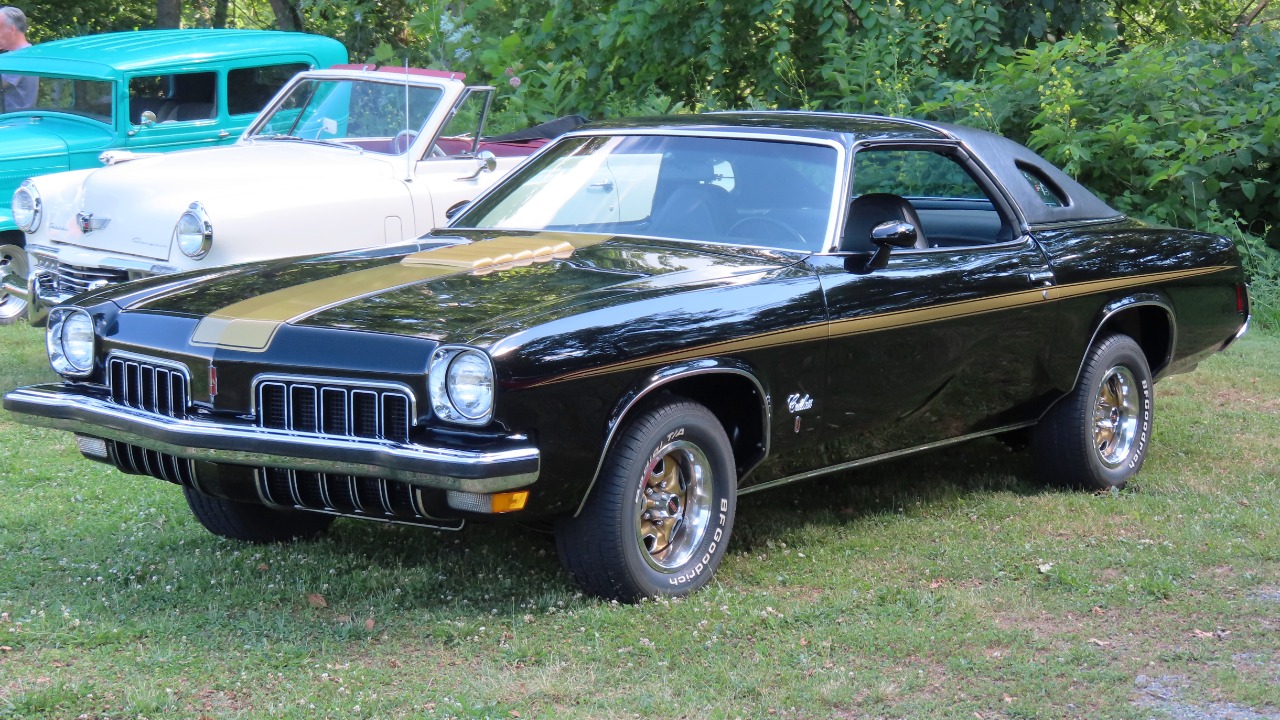
Today, original muscle cars with intact vinyl roofs are considered rare finds, often fetching higher prices in the collector market. The Hurst/Olds models, for example, are highly sought after by enthusiasts who appreciate the unique blend of style and history they represent. The vinyl roof remains a nostalgic feature, evoking the style and spirit of the classic muscle car era and serving as a reminder of a time when design and performance were paramount.
Restoration enthusiasts often seek to preserve or replicate vinyl roofs, recognizing their importance in maintaining the authenticity of vintage vehicles. By using modern materials and techniques, these enthusiasts can recreate the look and feel of the original vinyl roofs, ensuring that the legacy of these classic cars continues to be celebrated and admired. The enduring appeal of vinyl roofs is a testament to their impact on the automotive world and their role in shaping the identity of some of the most iconic vehicles ever produced.
Like Fast Lane Only’s content? Be sure to follow us.
Here’s more from us:
*Created with AI assistance and editor review.