Porsche has spent decades turning handling into a core identity rather than a line item on a spec sheet, and the result is a family of cars that feel unusually precise even at ordinary speeds. Where rivals often chase headline power figures, Porsche keeps returning to balance, feedback, and repeatable performance, refining the same core ideas until they feel almost intuitive on the road and the circuit.
That focus shows up everywhere from the way a 911 rotates into a corner to the way a GT car shrugs off lap after lap without losing composure, and it is not an accident. It is the product of a particular engineering philosophy, a stubborn commitment to incremental improvement, and a racing program that treats handling as a survival skill rather than a marketing claim.
Perfecting an “imperfect” layout
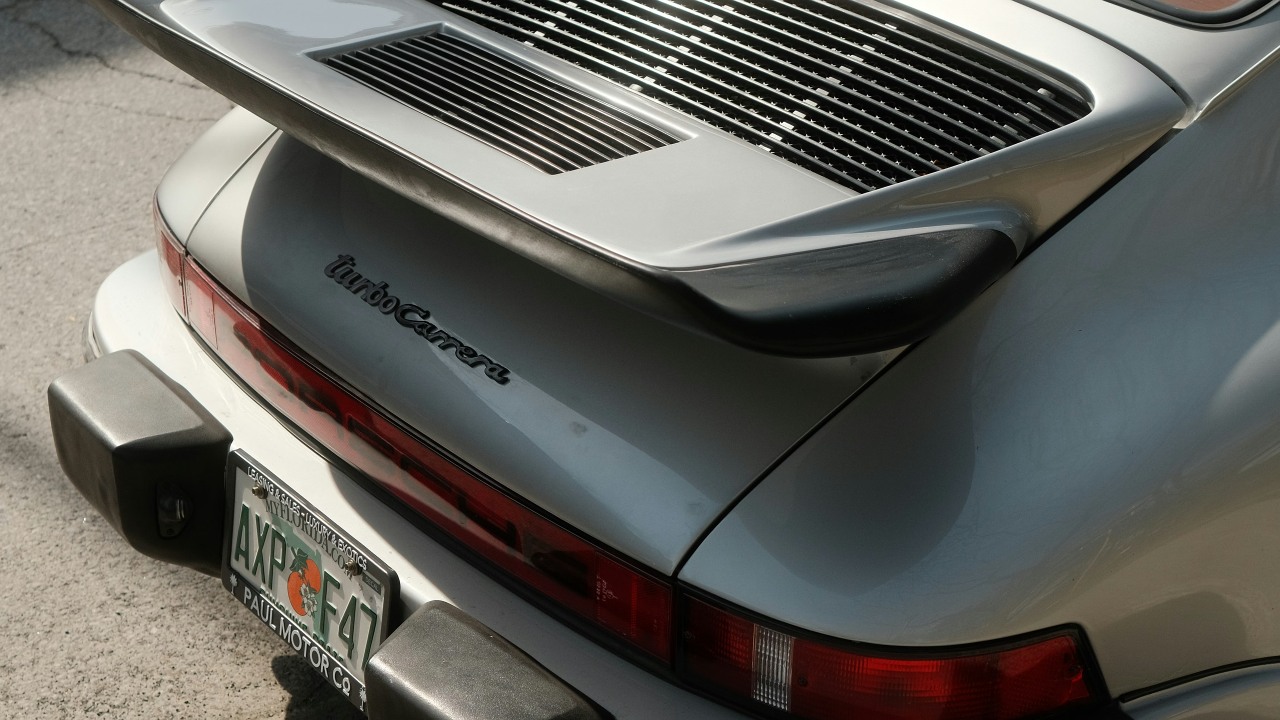
When I look at why Porsche keeps such a grip on the handling conversation, I start with the decision that once looked like a dead end: putting the engine behind the rear axle. On paper, a rear engine layout should be a liability, loading the back of the car and threatening snap oversteer when grip runs out. Instead of abandoning it, Porsche spent generations turning that apparent flaw into a defining strength, using careful weight distribution, suspension tuning, and aerodynamics to make the rear end work with the driver rather than against them, a process that detailed analysis of Porsche Has the Best Handling and Steering Feel in the Automotive World credits with transforming the 911 into a benchmark for balance and stability.
That transformation is not just about where the engine sits, it is about how low and compact it is. Flat engines sit lower in the car, which lowers the center of gravity and improves stability in quick transitions, a point even casual observers on enthusiast forums underline when they talk about how a Flat layout helps the chassis stay calm as weight shifts from side to side. By combining that low-mounted powertrain with meticulous attention to weight balance and advanced aerodynamics, Porsche has turned what began as a quirky configuration into a platform that feels planted on the limit yet forgiving enough to trust when the road surface or the driver’s inputs are less than perfect.
Steering feel and the art of communication
Handling is not only about the physics of grip, it is about what the car tells the driver before that grip runs out. I find that Porsche’s real advantage lies in how consistently it prioritizes steering feel and feedback, even as the industry has shifted from hydraulic systems to electric assistance. Detailed commentary on Porsche Has the Best Handling and Steering Feel in the Automotive World notes that the brand treats steering as the primary communication channel between chassis and driver, tuning the rack, bushings, and assistance so that small changes in surface, load, and slip angle are transmitted clearly through the wheel rather than filtered away in the name of comfort.
That philosophy shows up in how Porsche balances precision with usability. Reports comparing Porsche to Italian rivals describe how Porsche, under the banner of Engineering Excellence, focuses on control and precision rather than raw drama, deliberately trading some theatricality for a more transparent connection to the front axle. On track, that means the driver can lean on the front tires with confidence, feeling the exact moment they begin to work and the instant they start to slide. On the road, it means the car feels alive at legal speeds, with small steering inputs producing clean, predictable responses instead of the vague, overboosted sensation that can plague less carefully tuned systems.
Racing as a handling laboratory
If I want to understand why a road-going Porsche feels so composed in a fast corner, I look to the company’s record in endurance racing. At Le Mans, the brand has built a reputation as The King of Endurance, thriving in a 24-hour contest that punishes any weakness in stability, predictability, or tire management. Reporting on Porsche’s success at Le Mans explains that these cars are built for surviving at speed, not just setting a single fast lap, which forces engineers to prioritize a chassis that remains balanced as fuel loads change, temperatures swing, and drivers cycle through fatigue.
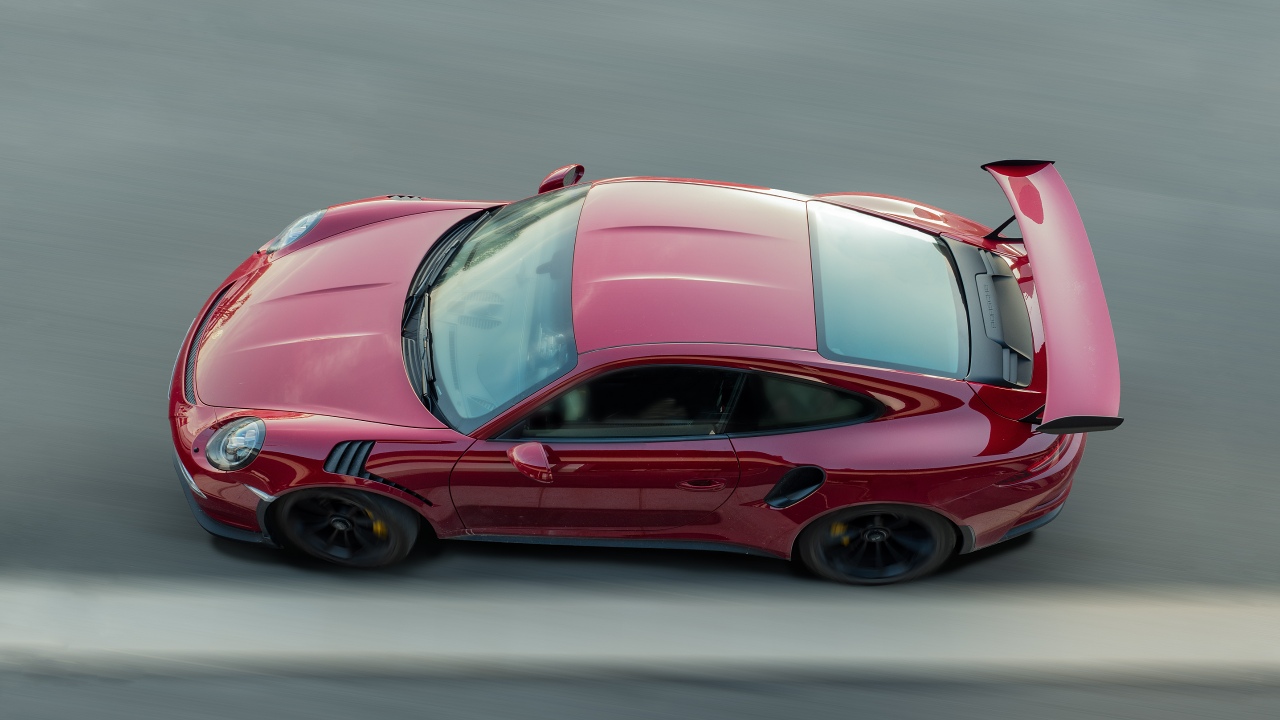
That same mindset filters directly into road cars like the 911 GT3 RS 992.1, a model that traces its lineage back to the Carrera 2.7 RS, described in detailed commentary as one of the strongest and most race focused sports cars of its time. The 2.7 did not earn its reputation through power alone, it did so through a chassis that could be driven hard for long stretches without losing its edge. Modern GT cars inherit that focus, using track development to refine suspension geometry, aero balance, and brake feel so that the car remains consistent from the first lap to the last. When I drive a Porsche that feels almost eerily composed after repeated hard use, I am feeling the same priorities that keep a Le Mans car stable at triple-digit speeds in the middle of the night.
Everyday usability as a performance tool
One of the more underrated reasons Porsche keeps excelling in handling is that it designs performance around everyday usability rather than treating comfort and control as opposing goals. Analysis of Porsche’s Engineering Excellence highlights how the company deliberately builds cars that can be driven daily without punishing their owners, which in practice means predictable responses, progressive breakaway characteristics, and ergonomics that let the driver operate the car precisely even when they are tired or distracted. A chassis that is easy to place in a parking garage is usually a chassis that is easy to place on a narrow back road at speed.
That usability focus also shapes how Porsche tunes its suspension and electronics. Instead of chasing the stiffest possible setup, engineers aim for a balance that keeps the tires in contact with imperfect real-world surfaces, allowing the car to generate grip where a harsher rival might skip or tramline. Reports comparing Porsche and Ferrari note that while Ferrari often dominates with raw power, Porsche remains focused on control and precision, which translates into a car that feels composed on a broken secondary road as well as a smooth circuit. In my experience, that breadth of ability is not a side benefit, it is central to why these cars feel so confidence inspiring when the pace rises.
How drivers actually experience the difference
For all the engineering theory, the real test of handling is how drivers experience the car from behind the wheel, and here the feedback is revealingly consistent. Enthusiast discussions about what makes Porsche so good often circle back to the same themes: a low center of gravity from Flat engines, a chassis that rotates predictably rather than snapping, and controls that feel natural within a few corners. Even when the conversation turns critical, as in sim racing communities where some players complain that Porsche models feel underwhelming in certain games, the underlying expectation is that a Porsche should feel communicative and poised, which says as much about the brand’s real-world reputation as it does about any particular digital model.
That expectation is reinforced every time a driver steps from a more theatrical sports car into a Porsche and discovers that the latter feels calmer yet somehow more capable. Reports on Porsche Has the Best Handling and Steering Feel in the Automotive World emphasize that the brand’s cars are tuned so that the driver can sense the limit building gradually rather than encountering it as a sudden cliff, which encourages drivers of varying skill levels to explore more of the car’s potential. When I talk to owners who track their cars, they rarely mention lap times first. Instead, they describe a sense of trust, the feeling that the car will do exactly what they ask, whether that is a gentle arc through a long sweeper or a late-braking dive into a tight hairpin.