Factory horsepower figures are supposed to be the final word on a car’s potential, yet some of the most memorable performance machines have treated those numbers as a polite suggestion rather than a limit. When I look at the history of supercars and their rivals, the most fascinating stories are not about the loudest claims, but about the quiet overachievers that left the showroom with far more power than anyone officially admitted.
From modern turbocharged coupes to classic American bruisers, a pattern emerges: engineers and marketers often had very different agendas. I see that tension in understated dyno sheets, in quarter-mile times that embarrass exotic badges, and in the way certain model codes have become shorthand for “the factory was lying.” These are the supercars and near-supercars whose true output only revealed itself once owners started measuring for themselves.
When Modern Numbers Do Not Add Up
In the contemporary era, I find the most striking examples of hidden power in cars that already wear performance credentials proudly, yet still arrive underrated. The Toyota Supra A90 is a textbook case. On paper, its BMW-sourced straight-six was presented as a well-judged balance of speed and usability, but independent testing quickly showed the engine delivering significantly more than the official figure. Reports of the Supra sprinting to 60 mph in 3.8 seconds, combined with dyno runs that pointed to a true figure of about 390 hp, made it clear that the factory specification had been conservative, even as marketing leaned on the car’s heritage and everyday usability to frame expectations.
What interests me is why a company would hold back on a headline number in an era obsessed with spec-sheet one-upmanship. In the Supra’s case, the answer appears to lie in platform sharing and internal politics as much as in engineering. The BMW-sourced unit had to coexist with other models using similar hardware, and a modest official rating left room for future variants and tuning packages without forcing a public climbdown on earlier claims. The pattern fits a broader history of manufacturers quietly delivering more than they promise, a trend that has been documented in lists of times carmakers understated how much power their vehicles actually produced, with the Supra A90 singled out as a modern example of a “BMW Sourced Engine Way More Powerful” than advertised.
Classic Muscle And The Art Of Underrating
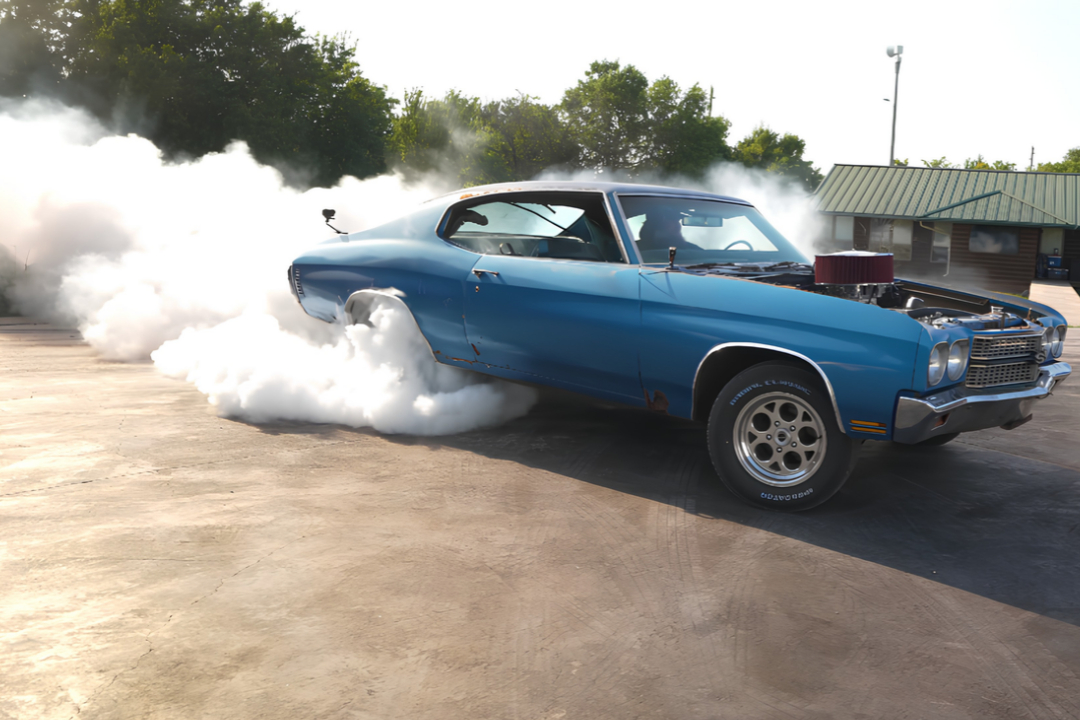
Long before turbocharged sixes and shared platforms, Detroit had already perfected the art of sandbagging. I see the late 1960s and early 1970s as the crucible for this behavior, a period when insurance companies, regulators, and racing bodies all had reasons to scrutinize big horsepower claims. Accounts of that era describe how manufacturers deliberately listed lower outputs to keep premiums manageable and to avoid attracting unwanted attention, a practice captured in the phrase “Horsepower Hijinks” and in detailed histories of “The Story Behind Factory Underrating of Muscle Car Power.” The mid-1960s through the early 1970s are widely regarded as the premium years for American muscle, and yet the numbers printed in brochures often told only part of the story.
Specific models illustrate how far this understatement could go. The 1970 AAR ’Cuda and its sibling, the Challenger T/A, carried the 340 Sixpack engine with a factory rating of 275 HP, yet period and modern assessments put the actual figure closer to 320 HP. Those exact figures, 340 cubic inches, 275 on paper, about 320 in reality, show how a car could be positioned as a mid-tier offering while delivering performance that rivaled more vaunted big-blocks. When I compare those numbers with contemporary commentary on the “new age of American muscle,” it is clear that the culture around these cars was built as much on what owners discovered at the drag strip as on what the manufacturers were willing to admit in print.
Sleeper Shapes, Supercar Pace

Some of the most compelling power surprises come from cars that never tried to look like supercars at all. I am particularly drawn to the way certain sedans and coupes, styled to blend into traffic, have quietly outgunned far more flamboyant machinery. Lists of “unexpected sleeper cars” highlight how an apparently ordinary four-door can outsmart celebrated performance icons, and they often point to models that, in period, were dismissed as executive transport rather than track weapons. One such example is the Mercedes-Benz E55 AMG, which took a conservative exterior and turned it into a formidable performance machine, a transformation that only became fully apparent once owners started lining up against traditional sports cars.
The Buick GNX represents the purest expression of this phenomenon. On the surface, it was a boxy, unassuming coupe, the kind of car that could disappear in a mall parking lot. Yet contemporary accounts describe how this understated Buick started beating Ferraris and Lamborghinis on the quarter-mile, a feat that shattered assumptions about what a domestic coupe could do. I see the GNX as a lesson in how power, when combined with traction and gearing, can embarrass far more expensive exotics, especially when those exotics are tuned for high-speed glamour rather than brutal launches. The GNX did not just challenge supercars; it reframed the conversation about what counted as a performance benchmark in its era.
Icons That Outran Their Own Legends
Even among the most celebrated sports cars, there are examples where the legend is built on more than the official spec sheet. The Chevrolet Corvette has long been a bellwether for American performance, and certain variants show how far the gap between paper and pavement could stretch. One standout is the 1967 Chevrolet Corvette 427/435 Convertible, a car whose desirability is underscored by its sale at the Barrett-Jackson Scottsdale auction for $264,000. Those numbers, 427 cubic inches and 435 advertised horsepower, have become shorthand for a particular kind of excess, yet period testing and later analysis suggest that the real output may have been even higher, especially in cars prepared for competition.
When I look at how that Corvette is remembered, I see more than just a big engine and a high auction price. The model sits within a broader narrative of American performance in the 1960s, a time when the Corvette nameplate was evolving from a stylish cruiser into a genuine rival for European sports cars. The fact that a 427/435 Convertible Sold example could command $264,000 decades later speaks to how enthusiasts value not only the official numbers but also the whispered stories of underrated engines and track exploits. In that sense, the car’s factory rating is almost a starting point for its legend rather than the final word.
How Underrated Power Shapes Enthusiast Culture
What ties these disparate machines together, from the Supra A90 to the AAR ’Cuda and the Buick GNX, is the way their hidden strength reshapes expectations. I notice that enthusiasts often treat an underrated factory figure as an invitation, a hint that the engineers left headroom for tuning or that the car is tougher than it looks. That perception feeds directly into the used market, where stories of conservative ratings and dyno-proven gains can inflate values and turn once-overlooked trims into cult favorites. The GNX’s ability to humble Ferraris and Lamborghinis, the E55 AMG’s transformation from executive sedan to “formidable performance machine,” and the Supra’s real-world 390 hp all contribute to a mythology that extends far beyond the original brochure.
There is also a generational thread that I cannot ignore. Commentaries on “Affordable Dream Cars” point out how, after a long lull, the 1990s saw performance return in force as Manufacturers realized that enthusiasts wanted speed without sacrificing daily usability. That insight connects back to the classic era chronicled in “Horsepower Hijinks” and forward to today’s turbocharged coupes and sedans. Whether it is a 340 Sixpack car quietly making more than 320 HP, a 427 Corvette that feels stronger than its 435 rating, or a modern Supra that dynos like a junior supercar, the pattern is consistent. The most interesting performance stories often begin where the official numbers stop, in the space where engineers, marketers, and drivers negotiate what a car is allowed to be on paper and what it can actually do on the road.