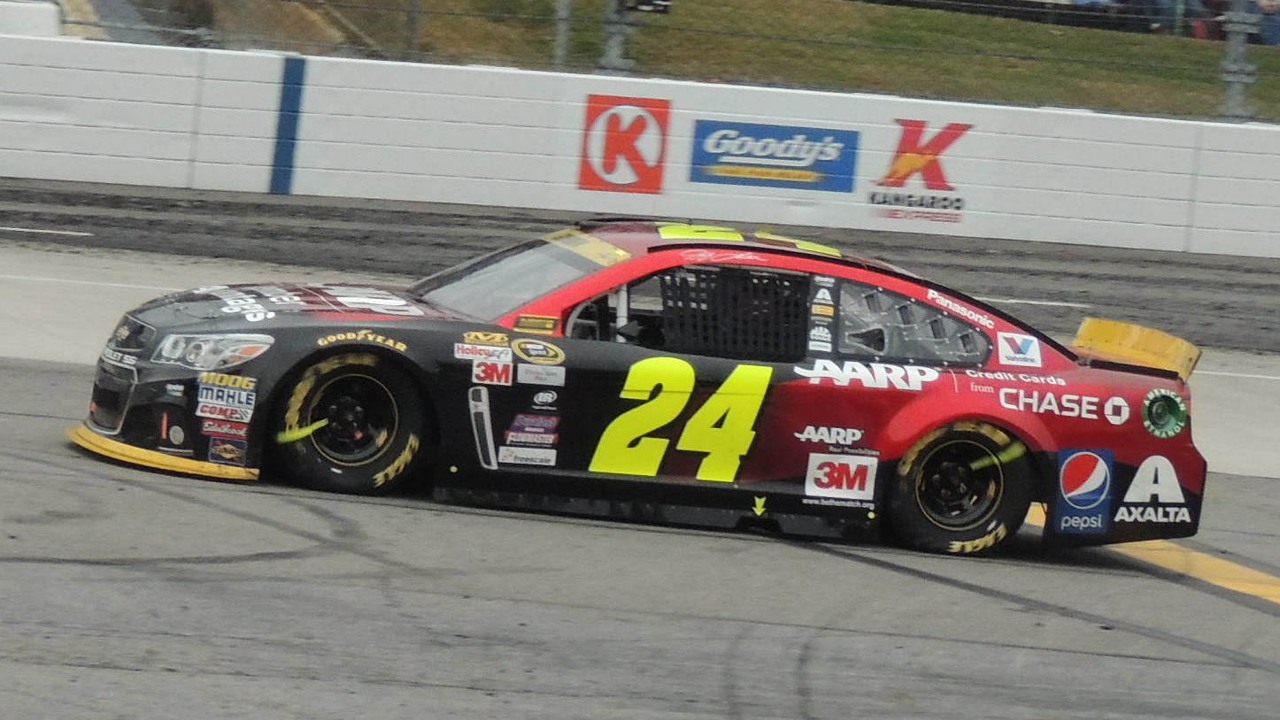
Short tracks strip NASCAR down to its essentials, turning every lap into a test of nerve, race craft, and restraint that no wind tunnel can solve. In a sport that now spans sprawling superspeedways and polished 1.5 mile ovals, the smallest circuits still feel like the place where stock car racing’s roots and its rawest competition collide.
When I look at the modern schedule, the short tracks stand out not because they are quaint, but because they remain the one environment where the driver, not the template, still dictates the outcome. The cars may evolve, the rules may shift, yet the tight quarters and relentless traffic of these bullrings keep exposing who can truly manage chaos at 120 miles per hour.
What makes a short track its own universe
At its core, a short track is defined less by marketing than by measurement. Oval racing treats any paved circuit under roughly a mile as a short track, a category that includes places like Martinsville, North Wilkesboro, and Richmond where the lap ends almost as soon as it begins. On these compact layouts, the driver is constantly choosing a line into each corner, weighing whether to hug the bottom, arc in from the top, or slide through the middle, and that decision repeats dozens of times in a 25 lap sprint, let alone a full NASCAR feature, which is why short-track specialists often look like chess players who never get to lift their hands from the clock.
That scale stands in stark contrast to the rest of the NASCAR landscape. Superspeedways such as Daytona and Talladega are likened to Monza, all about trimming drag for maximum top speed, while the ubiquitous 1.5 mile tracks, often compared to Tilke-style designs, reward aerodynamic efficiency and clean air more than elbows-out improvisation. Short tracks, by comparison, compress the field and magnify every mistake, which is why they are routinely described as the most demanding tests of car control and adept maneuvering skills in stock car racing.
Why the smallest tracks demand the biggest skill set
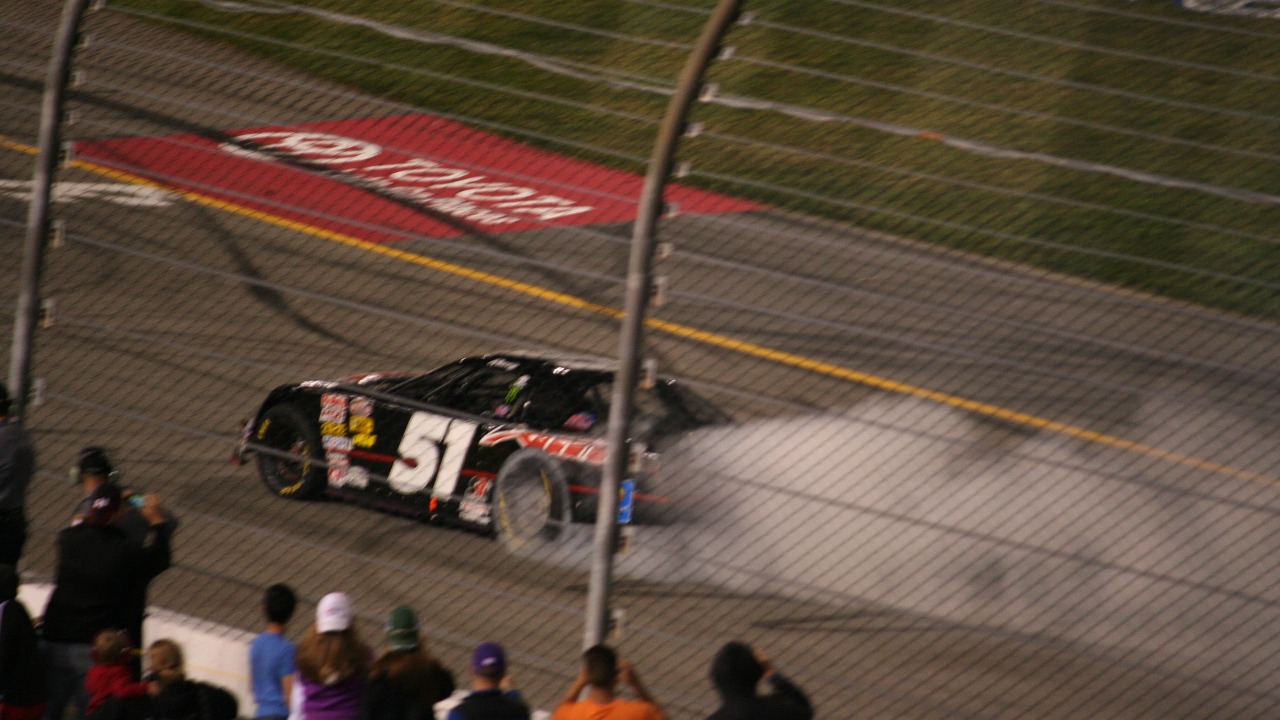
From my vantage point, the purity of short-track racing comes from how little room there is to hide. On a half-mile oval, traffic appears almost immediately, and leaders catch the back of the field within a handful of laps, which forces constant decisions about when to attack and when to survive. Oval specialists describe how, on a short track, the choice of line into each corner is not theoretical but urgent, because the wrong move can mean getting trapped behind a slower car or moved out of the groove by someone who timed the run better.
That intensity is why so many drivers and fans insist that these circuits put a premium on race craft over raw horsepower. Short tracks typically require more braking, more throttle modulation, and more steering input than their longer counterparts, which is why veterans often say that the driver plays a bigger role than the car in deciding who wins. In practice, that means the best short-track racers are the ones who can manage tire wear, anticipate traffic, and use the bumper with just enough precision to gain a spot without triggering a wreck that ruins their own night.
The grassroots heartbeat that still shapes the Cup garage
Short tracks are not just a category on the schedule, they are the foundation of how stock car racing in America teaches its talent. In North American circles, the archetypal local venue is a quarter-mile layout like Slinger Super Speedway, a place where young drivers learn to race inches apart and veterans refine their craft in front of grandstands that feel close enough to touch. Those bullrings, scattered across small towns and suburbs, have long been the proving grounds that feed national series, including NASCAR, with drivers who already understand how to survive in tight traffic and how to race with a high likelihood of contact without crossing the line into chaos.
That pipeline is not theoretical. Grassroots sanctioning bodies such as the United States Auto Club stage events on some of the most iconic short tracks across America, where close-quarters racing and intense competition mean every restart offers a new opportunity for victory or defeat. Fans in those grandstands grow up watching side-by-side battles on half-mile or smaller ovals, and many of the drivers who eventually reach the national spotlight carry that same short-track mentality into the Cup garage, where they still talk about local bullrings as the place they truly learned how to race.
Why fans still treat short tracks as sacred ground
When I talk to fans, the affection for short tracks rarely starts with nostalgia and almost always ends with experience. Supporters who have sat in the stands at Bristol or Martinsville describe a sensory overload that television struggles to capture, a constant roar of engines layered over the sight of cars stacked two and three wide with nowhere to escape. In their words, the appeal is simple: the racing is closer, the contact is more frequent, and the outcome feels more personal because you can see every move and misstep from your seat.
There is also a cultural familiarity that makes these venues feel like home. One fan put it bluntly by noting that 99% of oval tracks in this country, dirt and paved, are half a mile or less, which means that for generations, local Saturday-night racing has looked and felt like a short-track Cup race, only scaled down. Just about every community with a racing scene has a bullring where families gather, drivers sell T-shirts out of trailers, and kids fall in love with the sport, so when those same fans watch the national series roll into a tight oval, it feels less like a corporate spectacle and more like an amplified version of what they grew up on.
The modern car, the “cookie cutters,” and the fight to keep it real
Even in the Next Gen era, when NASCAR has worked to standardize equipment and broaden its appeal, the smallest tracks keep exposing the limits of engineering solutions. Part of the challenge in improving the racing product on these circuits lies in simple physics, because of the tracks NASCAR races on, the short ovals produce the lowest speeds and the slowest air, which makes aerodynamic tweaks less effective than they are on faster layouts. That reality has fueled an ongoing debate inside the garage about how to balance mechanical grip, tire wear, and horsepower so that the cars still reward the kind of aggressive, hands-on driving that short tracks demand.
The tension is not new. Over the years, the schedule has tilted toward larger, more uniform venues that critics often lump together as “cookie cutters,” a shift that some longtime observers argue has dulled the variety that once defined the series. Earlier discussions of that trend pointed out that, for the most part, the calendar had remained largely unchanged over a decade even as fans and industry voices called for more short-track dates and fewer near-identical intermediate ovals. Against that backdrop, the remaining bullrings on the schedule feel even more vital, because they continue to offer a style of racing where the driver’s judgment, not just the wind tunnel, decides who comes out on top.
More from Fast Lane Only: