NASCAR has always been a sport of individuals in fire suits and helmets, yet its greatest eras have been shaped by organizations that operated more like dynasties than race teams. From the earliest days of stock cars on Southern dirt to the modern Cup Playoffs era, a handful of “superteams” have concentrated talent, money, and engineering in ways that lifted the whole series, then sometimes helped drag it into decline when those empires faded.
As I trace the rise and fall of those powerhouses, what stands out is how closely their fortunes track the broader story of NASCAR itself: explosive growth built on charismatic winners, followed by painful resets when the magic combination of owner, driver, sponsor, and rules package finally broke apart.
From Raymond Parks to Petty Enterprises: the template for dominance
The idea of a NASCAR superteam did not begin with wind tunnels and corporate campuses. It started with a moonshine-era businessman who understood that organization could beat raw bravado. In the years just after World War II, Red Byron, Raymond Parks and Red Vogt combined driving talent, mechanical genius, and financial backing into what many historians regard as NASCAR’s first powerhouse operation, a partnership now honored by a pair of trophies in the Whelen Hall of Champions. That early alliance showed that a coordinated effort with top-tier equipment and preparation could overwhelm loosely organized rivals, setting a competitive template that later giants would refine.
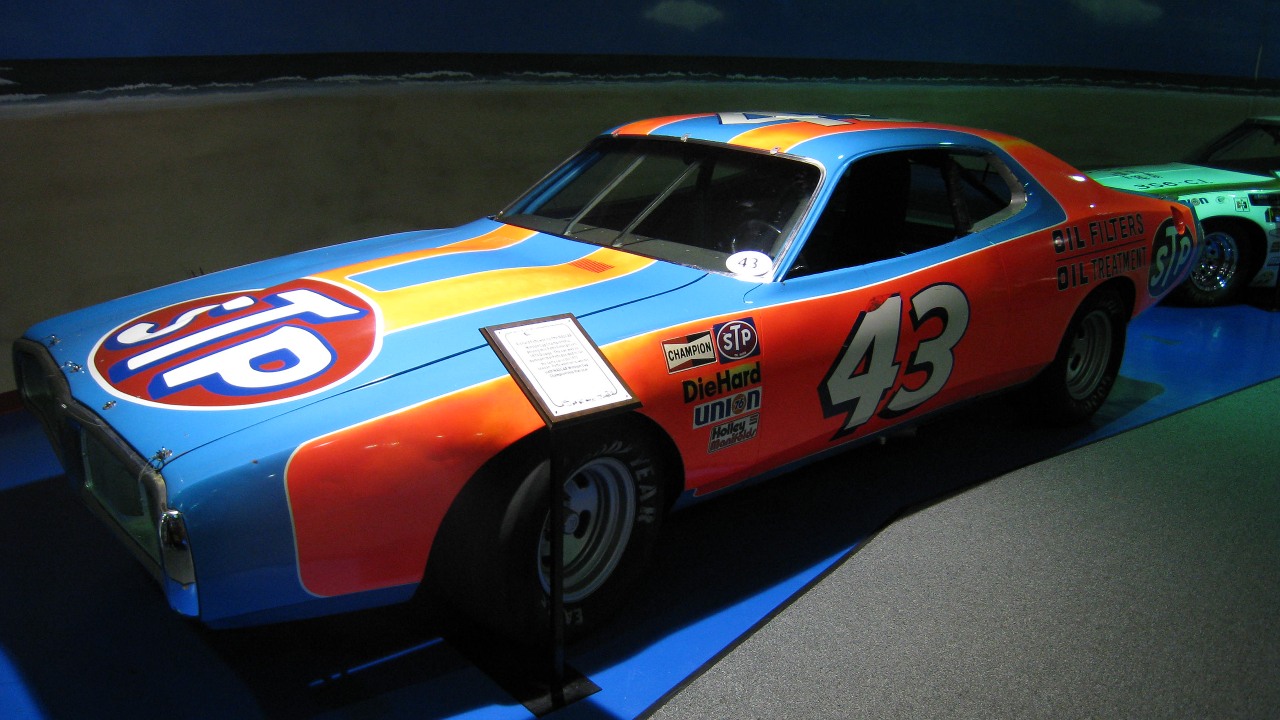
Petty Enterprises took that template and turned it into a long-running empire. Built around the Petty family and its iconic No. 43, the team became synonymous with stock car success, to the point that some analysts still argue Petty Enterprises is the Best Team in NASCAR History. Over decades in the sport, the organization piled up wins and championships, creating a benchmark that every later superteam would be measured against. The sheer longevity of its success, and the way it anchored NASCAR’s identity in the eyes of fans, made Petty Enterprises the first modern example of how one organization could define an era.
Junior Johnson, Roush and the rise of the multi-car powerhouse
As NASCAR moved from regional curiosity to national television property, the superteam model evolved from family operations into multi-car corporations. Junior Johnson, already a legend behind the wheel, became one of the sport’s most influential owners when Junior Johnson and Associates emerged as a magnet for elite drivers and sponsors. Junior Johnson, later recognized among the first five inductees into the NASCAR Hall of Fame, built a program that captured multiple premier series championships and proved that a single owner could field several front-running cars at once. His success as a team owner, documented in his Hall of Fame profile, helped normalize the idea that the path to titles ran through deep stables of talent rather than one-car independents.
On the Ford side, Jack Roush pushed the multi-car concept even further. As founder of Roush Fenway Racing, he presided over what was described as a four-car NASCAR powerhouse, an operation that turned engineering discipline into a competitive edge. The organization, originally known as Roush Racing and later rebranded as RFK Racing, has fielded entries like the 17 Mustang full-time for Chris Buescher and the No. 60 full-time for Ryan Preece, illustrating how its structure allowed multiple drivers to benefit from shared data and resources. That approach, rooted in the Roush Racing and RFK lineage, helped usher in the era when superteams were not just dominant but structurally necessary to compete for championships.
Joe Gibbs Racing and the modern era of engineered dynasties
By the 1990s and 2000s, the superteam concept had matured into something closer to a motorsports conglomerate, and Joe Gibbs Racing became its most polished expression. The Coach, already a three-time Super Bowl champion football coach, launched Joe Gibbs Racing in 1992 and applied the same organizational rigor that had worked in the NFL. Over time, Joe Gibbs Racing grew into a perennial title contender, with its Hall of Fame biography crediting the team with multiple championships and a central role in shaping the modern Cup landscape. The crossover credibility of a Super Bowl winner running a NASCAR operation underscored how far the sport had come from its bootlegger roots.
The statistical footprint of Joe Gibbs Racing underscores just how thoroughly it embraced the superteam model. In the NASCAR Cup Series, which has been sponsored at various times by Winston, Nextel, Sprint and Monster Energy, Joe Gibbs Racing amassed a win total that ranks among the most prolific for a single organization. That sustained success, cataloged in detailed lists of Joe Gibbs race wins, reflects a system built on deep engineering benches, manufacturer alliances and a pipeline of championship-caliber drivers. In fan discussions that liken NASCAR teams to Formula 1 outfits, Joe Gibbs is often compared to Mercedes, a nod to the way the team has combined technical excellence with relentless execution.
Hendrick, Penske, Childress and the arms race at the top
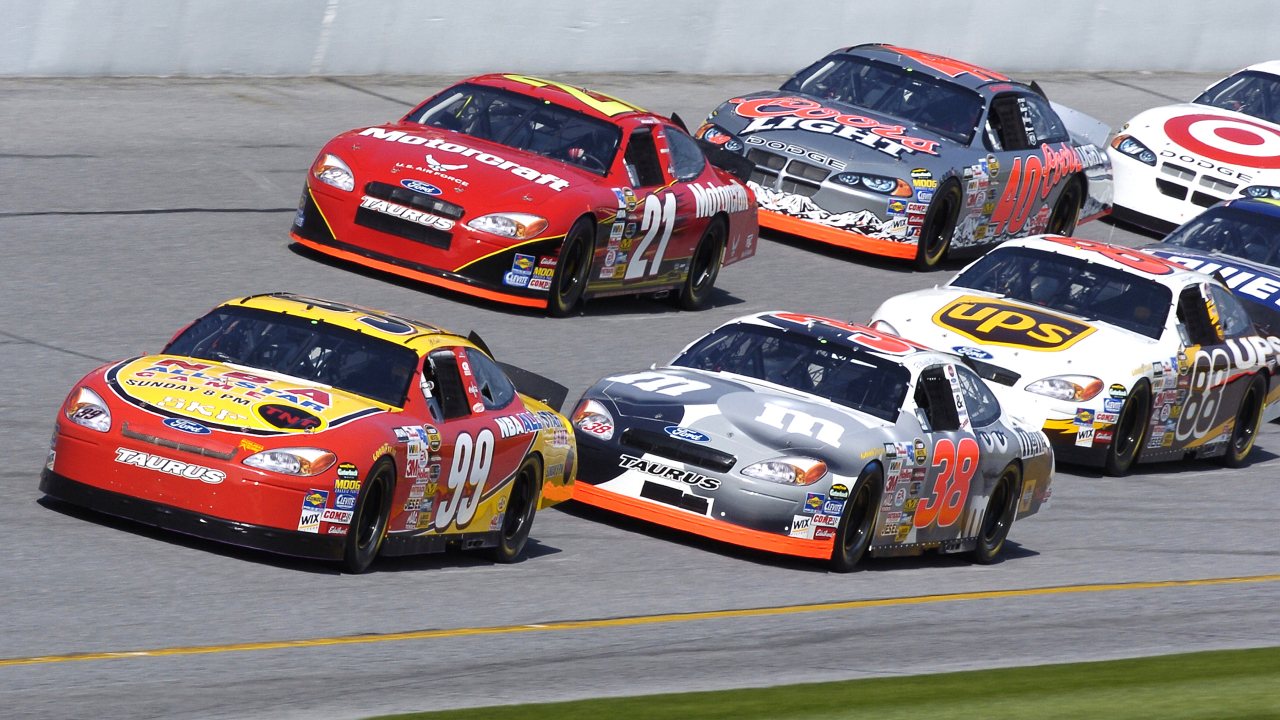
While Joe Gibbs Racing was building its empire, other organizations were turning the top of the grid into an arms race. Hendrick Motorsports, often compared by fans to Ferrari in informal lists of NASCAR and F1 counterparts, became the sport’s other towering giant, stacking championships and Daytona 500 wins in a way that invited constant comparison with Petty Enterprises. Debates over whether Hendrick or Petty Enterprises is the Best Team in NASCAR History highlight how the superteam conversation has shifted from a single dominant family operation to a rivalry among corporate-style juggernauts. The very existence of that debate shows how thoroughly the sport’s competitive center of gravity moved into the hands of a few mega-operations.
Alongside Hendrick and Joe Gibbs Racing, organizations like Team Penske and Richard Childress Racing have been consistently listed among the most successful race teams in NASCAR history. Analyses of the most successful teams point to Team Penske’s championships and marquee victories, as well as Richard Childress Racing’s long record of developing title-winning drivers, as evidence that the sport’s modern era has been defined by a small circle of well-funded, technically sophisticated groups. Rankings that track team win totals and reference categories such as NASCAR’s 75 Greatest Drivers, Hall of Fame Inductees, Rookie of The Year and Most Popular Driver further reinforce how often those honors cluster around drivers tied to these superteams. The concentration of accolades around a handful of organizations has been both a marketing asset and a competitive concern.
When empires crumble: Petty’s slide, NASCAR’s stagnation and the superteam hangover
No dynasty lasts forever, and the unraveling of once-dominant organizations has often mirrored broader turbulence in the sport. The fall of Petty Enterprises, discussed in fan retrospectives that look back on the team’s decline, is a case study in how a superteam can lose its edge. As sponsorship models shifted and the competitive bar rose, Petty Enterprises struggled to keep pace with the engineering depth and multi-car sophistication of newer powerhouses. The team that had once defined success in NASCAR gradually slipped into the midfield, then into historical memory, illustrating how quickly a foundational brand can fade when it no longer has the resources to match the sport’s escalating demands.
That kind of decline has not been limited to one organization, and it has unfolded against a backdrop of broader stagnation. Analyses of the sport’s trajectory argue that the decline of NASCAR from dominance started circa 2005, with no single rules change to blame. Instead, a mix of factors, including controversial events such as the Indianapolis debacle of 2008, eroded fan trust and momentum. Long-form examinations of how NASCAR lost its speed trace the arc from humble beginnings on dirt tracks and ovals in the Southeast to a period when the series struggled to maintain its cultural relevance. In that context, the superteams that once powered growth sometimes looked less like saviors and more like symbols of a sport that had become too insular and predictable at the front.
What the superteam era left behind
Looking across these eras, I see a clear pattern: every leap in NASCAR’s popularity has coincided with the rise of a new kind of superteam, and every plateau has followed when those organizations either lost their edge or pulled too far away from the rest of the field. From Red Byron, Raymond Parks and Red Vogt filling the Whelen Hall of Champions, to Junior Johnson turning his name into a multi-car brand, to Jack Roush building Roush Fenway Racing into a four-car NASCAR powerhouse, the sport has repeatedly relied on concentrated excellence to tell its most compelling stories. Those stories, however, have also made it harder for smaller teams to break through, narrowing the competitive spotlight even as the schedule and rulebook tried to promise parity.
The legacy of the superteam era is written not only in trophies but in the way fans talk about the sport. Online debates that rank the best teams in a single season, or that compare Hendrick to Ferrari and Joe Gibbs to Mercedes, show that supporters now think of NASCAR in terms of organizational dynasties as much as individual drivers. Metrics like 75 G and other win-ranking tools quantify that dominance, while Hall of Fame profiles for figures such as Junior Johnson and The Coach preserve the stories behind the numbers. As NASCAR continues to search for its next growth spurt, the question is not whether superteams will matter, but what kind of powerhouse can capture the imagination of a new generation without repeating the boom-and-bust cycles that defined the past.
More from Fast Lane Only: