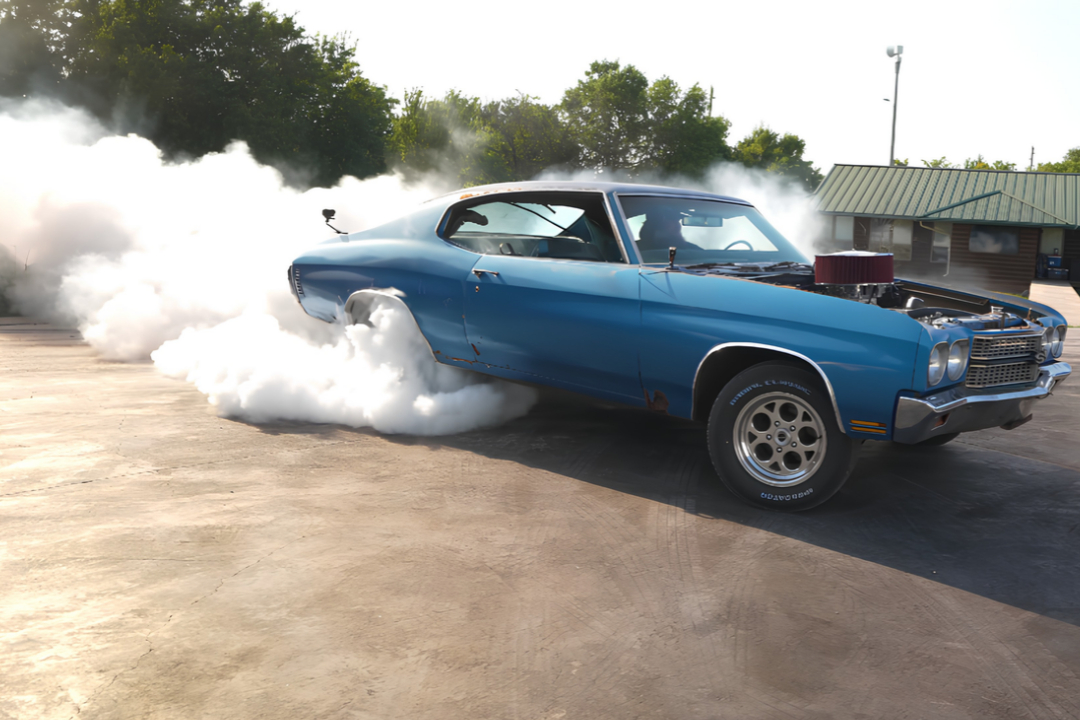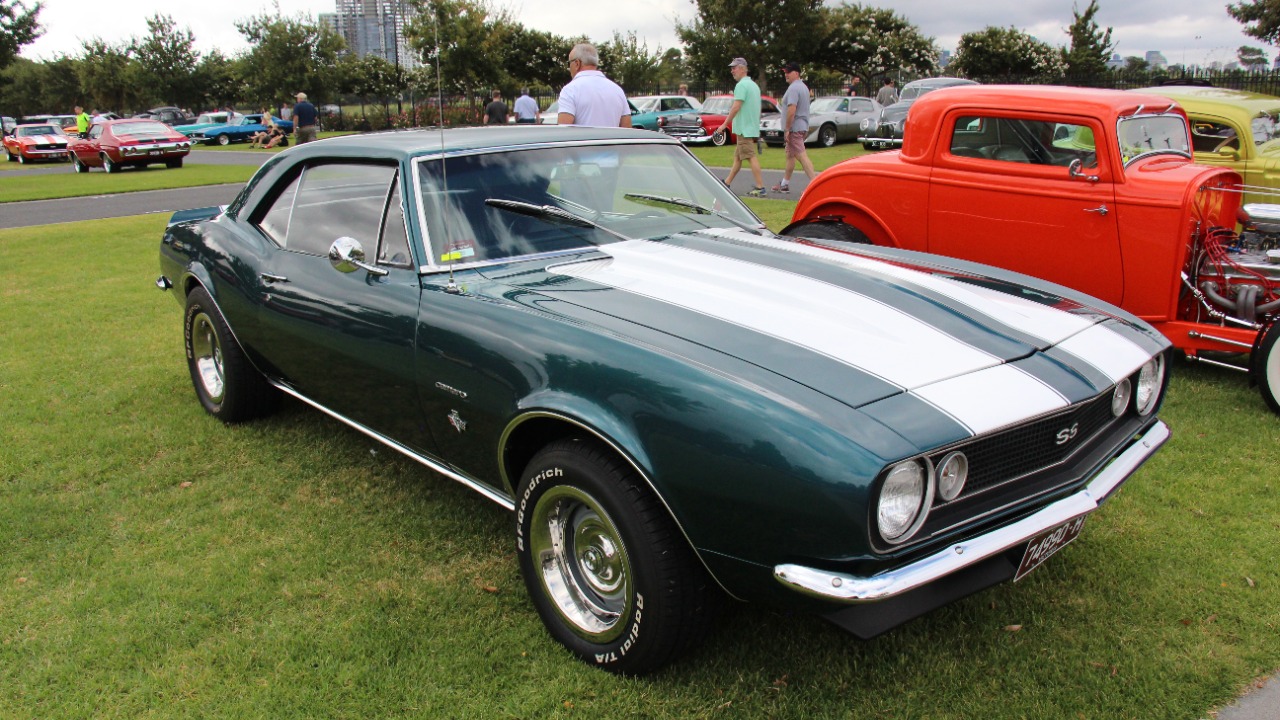
By the late 1970s, American performance looked like it had been left in the rearview mirror. After a decade of tightening emissions rules, fuel crises, and soaring insurance rates, the muscle car era felt like it had hit pause and the spec sheets seemed to agree. Yet by 1979, small-block V8s were quietly learning new tricks, and the foundations of a fresh performance wave were already in place.
In this story, I want to trace how those supposedly sleepy years actually set up a comeback, from the way engineers rethought classic small-blocks to the arrival of lighter platforms and smarter tuning. The numbers on paper were modest, but the hardware, the culture, and the ingenuity around these engines were already pointing toward a revival that enthusiasts would fully recognize only years later.
The hangover from the muscle era
When people talk about 1979 as a low point, they are not imagining it. Compared with the wild late 1960s, cars of that period really did feel dulled, and there were good reasons why. Stricter emissions standards, unleaded fuel, and the shock of fuel shortages had pushed automakers into survival mode, trimming compression ratios and choking carburetors until even V8 badges could not guarantee excitement. As one period reflection puts it, by the time drivers reached 1979, cars did not feel nearly as thrilling as they had just a decade earlier, a sign that the old-school muscle car era had effectively hit pause and left enthusiasts wondering what was next.
From my perspective, that “hangover” is exactly what makes the late 1970s so interesting. With big blocks fading and insurance companies punishing high advertised horsepower, the spotlight shifted to small-blocks that had to do more with less. Engineers were forced to squeeze efficiency and drivability out of familiar cast-iron architecture instead of simply bolting on more cubic inches. The result was a generation of engines that looked tame on paper but carried the seeds of the performance return that would become obvious in the 1980s.
How the Chevy 350 kept the flame alive
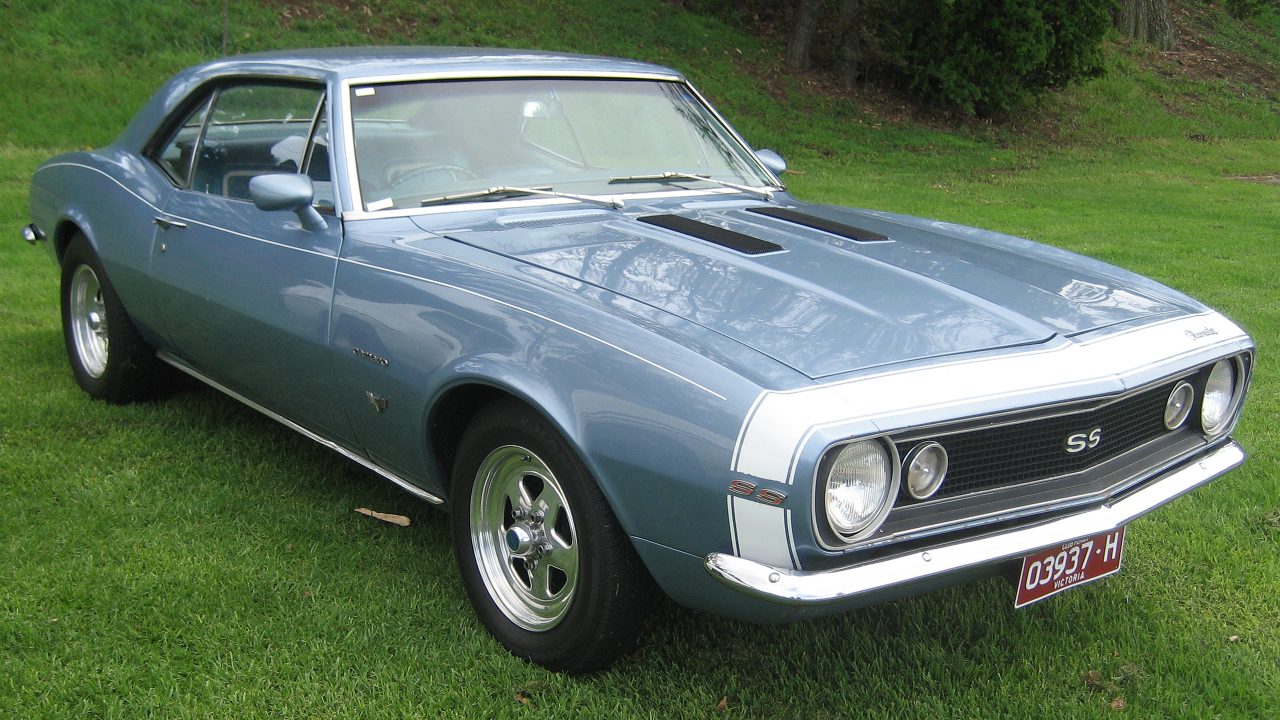
If there was a single small-block that bridged the gap between the glory days and the comeback, it was the Chevrolet 350. Long before the malaise era, the 350 had already built a reputation as a flexible, hard-working V8 that could live in everything from pony cars to pickups. Introduced as a high-performance option in the 1967 Chevrolet Camaro, the 350 quickly proved it could deliver both the punch and the reliability that Chevy fans demanded, which turned out to be crucial once the easy horsepower of big blocks disappeared.
By the late 1970s, that same 350 was no longer the fire-breather it had been in its earliest “Rise to Power” years, but its basic architecture remained stout, simple, and endlessly tunable. I see that continuity as the quiet backbone of the performance return. Even when factory ratings slid, the aftermarket knew the 350 inside and out, from cylinder head swaps to cam profiles, and owners could unlock far more than the showroom numbers suggested. In garages across the country, that meant a supposedly tired small-block could be woken up with weekend wrenching, keeping real-world performance alive while the industry publicly talked about economy and emissions.
The controversial 305 and the search for efficiency
Not every small-block of the era was loved, and the Chevrolet 305 is proof. Enthusiasts often dismissed it as a compromise, a smaller bore sibling to the 350 that seemed to offer neither the brute strength of the old big blocks nor the romance of the earlier high-compression small-blocks. Yet when I look at the 305 in context, it reads like an early attempt to reconcile performance with the new realities of fuel economy and emissions. Rather than building it simply to chase rivals, General Motors developed this controversial small block V8 in a way that was not primarily about competing with Ford or Chry, but about threading the needle between regulation, cost, and drivability.
That approach mattered, even if the 305 never became an enthusiast hero. By focusing on smaller displacement, tighter packaging, and emissions-friendly tuning, engineers were learning how to extract usable torque and decent mileage from a V8 that had to live in a very different world than the late 1960s. I see the 305 as a kind of laboratory piece: it taught lessons about combustion, gearing, and calibration that would later feed into more celebrated engines. In other words, the same compromises that frustrated some buyers in 1979 were also the experiments that helped small-block performance find a new path forward.
Fox-body Mustangs and the power of a lighter platform
While Chevrolet refined its small-block family, Ford was quietly preparing a different kind of comeback. The arrival of the Fox platform in the late 1970s gave the Mustang a lighter, more modern chassis that could make the most of modest power. When I look at the Fox era, what stands out is how the 79 to 93 M Mustangs used smart packaging and weight savings to turn relatively small outputs into genuinely lively performance, especially compared with the bloated intermediates that had come before.
That shift in philosophy is a big part of why small-block performance felt like it had quietly returned by the end of the 1970s. Instead of relying on huge displacement, cars like these Fox Mustangs paired compact V8s with better suspensions, improved aerodynamics, and gearing that let engines stay in their sweet spot. Over time, those 79 to 93 M cars would enjoy a full-blown revival among enthusiasts, precisely because they proved that a well-matched small-block in a lighter shell could deliver the kind of fun that had seemed lost earlier in the decade.
Why 1979 felt slow but set the stage
From the driver’s seat, 1979 still felt like a comedown, and I do not want to romanticize that away. Compared with the peak of the muscle era, quarter-mile times were slower, compression ratios were lower, and the soundtrack was often muffled by catalytic converters and restrictive exhausts. As one retrospective on that period notes, Back in 1979, cars did not feel nearly as thrilling as they had just a decade earlier, and that perception was real enough to shape how enthusiasts talked about the entire era.
Yet when I step back and look at the hardware, 1979 also marks the moment when the industry had finally absorbed the first shock of regulation and fuel crises and started to respond with more thoughtful engineering. Small-blocks like the 350 and 305 were being refined rather than abandoned, platforms like the Fox were proving that weight mattered as much as raw power, and tuners were learning how to coax performance out of emissions-era engines without sacrificing reliability. That is why, in hindsight, the late 1970s feel less like a dead end and more like a reset. The numbers on the brochure might have been modest, but the ingredients for the next performance wave were already in place, idling quietly under the hoods of cars that did not yet know they were future classics.