Factory numbers were supposed to settle arguments at the drag strip, yet some classic muscle cars kept humiliating their own spec sheets. On paper they were rated modestly, but on the street and track they ran like they had a secret stash of horsepower hidden under the air cleaner. I want to unpack why that gap existed, and why certain cars in particular seemed to outrun what the brochure promised.
Once you look past the nostalgia and peel back the engineering, regulations, and marketing games, a pattern emerges. From how horsepower was measured, to how insurance and racing rules distorted the truth, to the way safety and emissions reshaped the whole package, the “underrated” legend starts to make sense.
Gross vs net: the numbers game under the hood
One of the biggest reasons old muscle cars feel stronger than their ratings is that the numbers themselves were playing by different rules. Early performance figures were often “gross” horsepower, measured on a bare engine with no accessories, open exhaust, and ideal conditions. When you bolt on a water pump, alternator, full exhaust, and air cleaner, the real output drops, which is what “net” horsepower tries to capture. A classic example is the 3,547 cc “Stovebolt” six in a 1950 Chevrolet, which had a gross output of 92 hp (69 kW) but a net output of only 85 hp (63 kW). That spread shows how much reality can diverge from the optimistic test stand.
By the early 1970s, regulators and insurers were pushing for more honest, net-based ratings, and that transition created the illusion that power suddenly fell off a cliff. In reality, a lot of the “drop” was just a new measuring stick. When I watch enthusiasts like Michael from This Old Car walk through why horsepower figures seemed to collapse after 1972, the point that sticks is how the newer net numbers finally reflected what the car actually delivered with all its equipment installed. That shift helps explain why some late muscle cars, even with lower published ratings, still ran neck and neck with their supposedly stronger predecessors.
Insurance, image, and the art of underrating
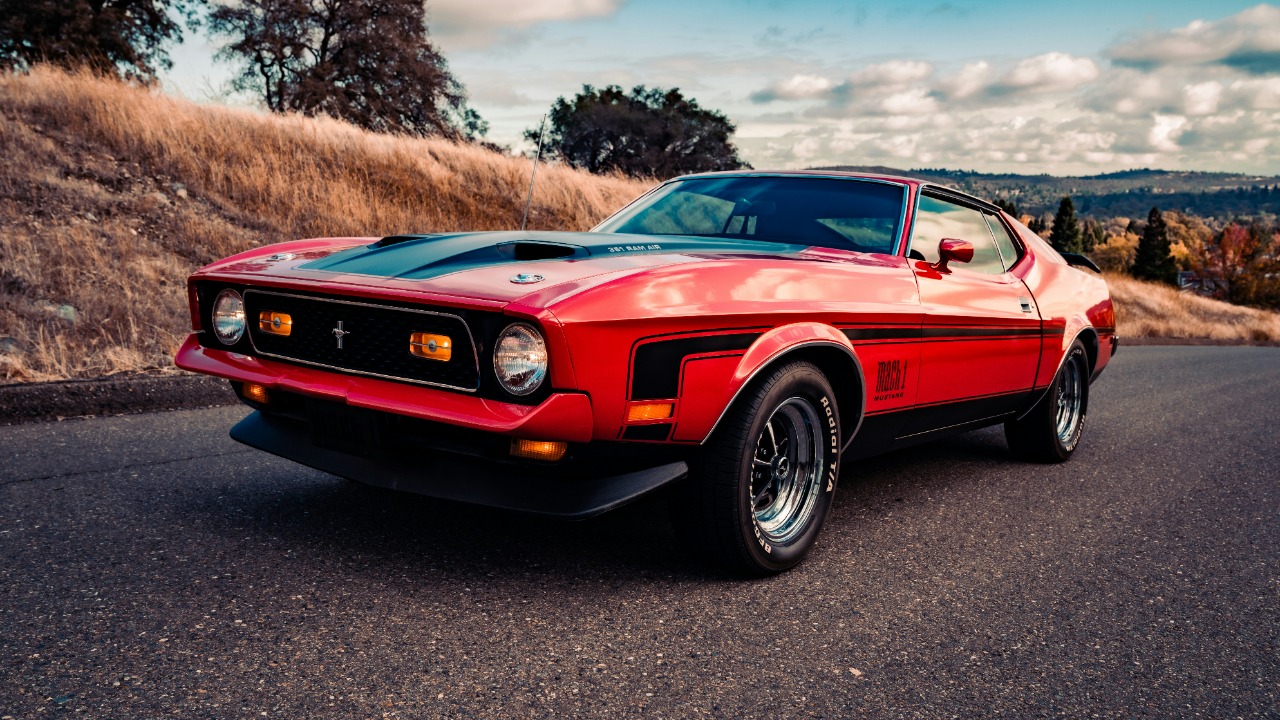
Even before the measurement standards changed, carmakers had strong incentives to sandbag their own performance claims. Insurance companies were already targeting big cubic inches and high advertised horsepower, so a car that looked tame on paper could save buyers serious money. That created a quiet arms race in reverse, where the real goal was to build a fast car that did not look too fast in the spec sheet. When I read modern breakdowns of how brands like BMW have been caught with engines that respond to tuning with gains far beyond the official numbers, with some models seeing figures closer to 700 hp commonly reported, I see the same pattern that once defined the muscle era, just updated for turbocharged sixes and e-diffs in place of carburetors and leaf springs.
Back in the classic Detroit heyday, the game was cruder but just as deliberate. Some factory ratings were pegged low to keep a lid on insurance premiums and to avoid attracting regulatory heat, especially as emissions and safety scrutiny ramped up. Contemporary enthusiasts still trade stories about cars that “felt” way stronger than their badges, and when I look at modern lists of underrated engines, it is clear that this culture of strategic understatement did not end with the last big-block. The muscle car era simply wrote the first draft of that playbook.
Racing rules and the birth of overbuilt street engines
Another reason some muscle cars outran their spec sheets is that they were built to win races first and satisfy the DMV second. Sanctioning bodies wanted to keep competition tied to production reality, so they required that engines used on track also be sold in road cars. When NASCAR insisted that engines appear in regular production models, it effectively forced manufacturers to bolt race-bred hardware into showroom machines. That is how we ended up with the big horsepower in those 60 hotrods that enthusiasts still talk about in threads that start with a simple “Today I learned” and end with a deep dive into how NASCAR shaped the street.
Once those engines were in the catalog, the temptation to downplay their true potential was huge. A motor designed to survive 500 miles at full tilt on a superspeedway was naturally going to feel stout in a street car, even if the brochure claimed a conservative output. I see that tension every time I look at period advertising that sells comfort and style while quietly offering an option code that unlocks a race-derived V8. The result was a generation of cars that, by design, had more capability than their official numbers suggested, because the real audience for those engines was not the insurance adjuster, it was the tech inspector in the pits.
Safety, weight, and why later cars felt slower on paper
As the 1960s rolled into the 1970s, another force started reshaping performance: safety. It was not until the 1960s and 1970s that car manufacturers began to recognize the importance of bumpers in enhancing vehicle safety, and that shift brought heavier, more complex structures into the mix. Modern bumpers and crash structures do a far better job of protecting passengers, but they also add mass and change how a car behaves in a collision, which in turn affects how engineers tune suspensions and powertrains. When I look at how bumpers evolved from chrome ornaments to serious safety devices, it is easy to see why later muscle cars had to work harder just to match the straight-line pace of their lighter predecessors.
At the same time, emissions rules and fuel concerns were tightening the screws on carburetors and compression ratios. Enthusiasts on forums still point out that the way horsepower is rated now, with Gross vs net math and all the added equipment, makes some 1970s cars look weaker than they feel from behind the wheel. In one discussion that kicked off in Sep with a user simply noting that “Some really good answers” had already been given, the thread eventually circled back to how Gross ratings once flattered engines that, in real-world trim, were not that far off their supposedly detuned successors. When you combine heavier safety gear with more honest net ratings, you get cars that seem to have lost their edge on paper even as their real-world performance stayed surprisingly close.
The 1972 reset and how the legends were born
By the early 1970s, the industry hit a kind of reset button. Engines Automakers in the U.S. switched from gross to net power and torque ratings between 1971 and 1972, a change that is clearly documented in the history of the first-generation Ford Mustang. That shift coincided with lower compression ratios and new emissions hardware, so the spec sheets suddenly looked bleak. Yet when you line up some of those early 1970s cars against their late 1960s counterparts, the stopwatch often tells a more nuanced story, because the new ratings finally accounted for all the real-world losses that gross figures had ignored.
Regulatory changes also forced manufacturers to rethink how they described performance. Additionally, for the 1972 model year, the manual transmissions were dropped in certain lines and automakers had to convert to reporting power with all additional options and equipment installed, a move that is spelled out in coverage of John DeLorean’s work on the Pontiac Grand Prix and its evolution into a more luxurious personal coupe. When I read how that shift was framed in period accounts of the Additionally updated ratings, it is clear that the industry was being pushed toward transparency, even if the marketing departments were slow to admit that the old numbers had been optimistic.
When I put all of this together, the mystery of why some muscle cars outran their factory claims starts to look less like magic and more like a collision of incentives. Engineers were building engines to survive racing, marketers were trying to dodge insurance penalties, regulators were tightening safety and emissions, and the test procedures themselves were changing underfoot. The result was a generation of cars whose reputations were forged not just by what was printed in the brochure, but by what happened when the light turned green and the spec sheet suddenly did not matter anymore.