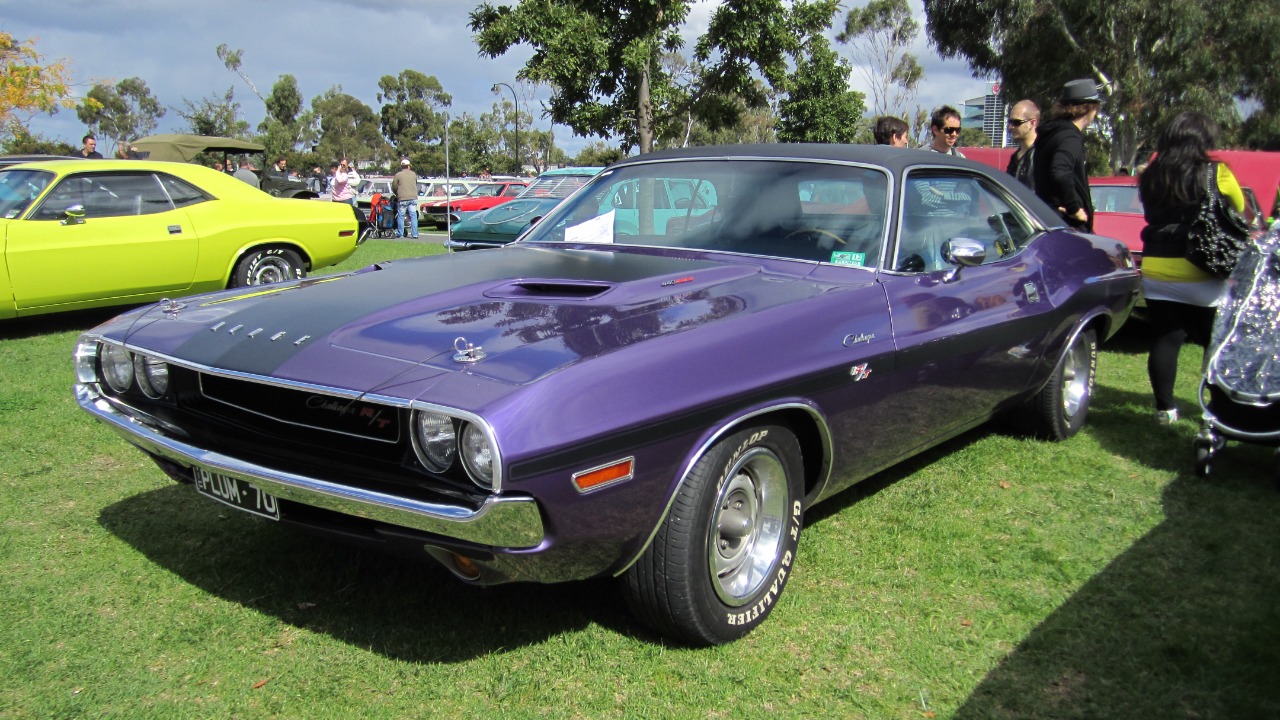
The allure of rare muscle cars often lies not only in their performance and design but also in the unique ways they were ordered and customized. From eccentric color choices to peculiar performance modifications, the stories behind these vehicles add layers of intrigue to their already impressive profiles. By delving into how these cars were configured and the unusual requests that led to their scarcity, we can better appreciate their place in the automotive landscape.
THE SIGNIFICANCE OF MUSCLE CARS IN AUTOMOTIVE HISTORY
The muscle car era, generally considered to have spanned from the mid-1960s to the early 1970s, revolutionized the American automotive landscape. Characterized by high-performance engines, aggressive styling, and a focus on speed and power, these cars appealed to a burgeoning youth culture that valued freedom and individuality. Iconic models such as the Ford Mustang, Chevrolet Camaro, and Dodge Charger not only defined the genre but also became symbols of American pride during a time of significant cultural change.
Notable manufacturers played crucial roles in shaping the muscle car landscape. Ford’s introduction of the Mustang in 1964 created a new segment of affordable performance vehicles, which competitors quickly sought to emulate. The Chevrolet Camaro, launched in 1966, directly challenged the Mustang’s dominance, while brands like Pontiac introduced the GTO, often credited as the first true muscle car. These vehicles did more than just provide thrilling performance; they became integral to American car culture, representing a rebellious spirit that resonated with the youth of the era.
UNCONVENTIONAL ORDERING METHODS
Custom dealership orders were one of the less conventional routes that led to the creation of rare muscle cars. Some enthusiasts would approach dealerships with specific requests, leading to configurations that were not commonly available. For example, a customer might request a particular combination of engine size and transmission type that was outside the standard offerings. This not only made the car unique but also contributed to its rarity when compared to mass-produced models. Dealerships would sometimes accommodate these requests, leading to one-off models that collectors now seek out fervently.
Factory special orders also played a significant role in the rarity of certain muscle cars. Customers could sometimes specify unique features directly to the manufacturer, resulting in limited runs that carried their own distinct characteristics. For instance, during the 1969 model year, some Chevrolet Camaros were ordered with performance options that were not part of the standard package. These factory orders led to the creation of models that didn’t fit neatly into the production line, making them highly sought after in today’s collector market.
UNIQUE COLOR AND TRIM COMBINATIONS
Limited-edition paint colors have become a hallmark of rarity in the muscle car world. Specific hues, often tied to promotional campaigns or special editions, can significantly impact a car’s desirability. For instance, the 1970 Plymouth Barracuda was available in “Panther Pink,” a vibrant color that was not only eye-catching but also rare. Fewer than 200 of these cars were painted in this hue, making them a coveted item among collectors. The uniqueness of these colors contributes to their scarcity, as fewer cars in these striking shades were produced.
Beyond exterior colors, custom interior options also enhance a muscle car’s uniqueness. Upholstery choices, dashboard designs, and trim materials can vary dramatically, creating a broad spectrum of customization. For example, the 1970 Dodge Challenger offered a range of interior materials, from basic vinyl to luxurious leather, allowing buyers to tailor their cars to their tastes. Unique combinations of these features can lead to cars that not only stand out on the road but also command higher prices at auctions due to their distinctive configurations.
ENGINE AND PERFORMANCE MODIFICATIONS
When it comes to engine and performance, factory performance packages often resulted in configurations that were rarely ordered. Take, for instance, the 1969 Chevrolet Camaro ZL1, equipped with a 427 cubic-inch V8 engine. Only 69 units were produced with this engine, making it one of the rarest Camaros ever. Buyers who opted for such performance packages were looking for something extraordinary, and the limited availability of these features today adds to their allure.
Moreover, the aftermarket modification scene has created numerous stories of owners who personalized their muscle cars post-purchase. Consider the case of a 1970 Ford Mustang Mach 1 that was modified by its owner to include a supercharger and custom exhaust. While these modifications may have detracted from the car’s factory originality, they also contributed to its uniqueness. Such stories underline the passion and creativity that owners have invested in their vehicles, further enhancing their value in the eyes of collectors.
LIMITED PRODUCTION RUNS AND DEALER EXCLUSIVES
Understanding limited production models is essential to grasping what makes them so rare. Manufacturers occasionally produce vehicles in limited runs, either as promotional items or to gauge interest in a new model. For example, the 1971 Chevrolet Corvette ZR2 was produced in a shockingly low number of just 12 units. This extreme rarity is a significant factor in the high market value these cars command today. Limited production runs often come with unique features that set them apart from standard models, making them particularly appealing to collectors.
Specific dealer exclusives also showcase unique ordering processes that contribute to a vehicle’s rarity. The 1970 Dodge Challenger R/T was offered in various configurations, but several dealerships took it upon themselves to create special packages that included unique performance parts. These dealer-exclusive options not only provided more variety for customers but also resulted in cars that are now highly sought after. The rarity of these models is further cemented by their unique ordering processes and the stories behind them.
STORIES OF UNUSUAL CUSTOMERS AND THEIR REQUESTS
Throughout automotive history, notable figures have made unusual requests that have led to the creation of unique muscle cars. One example is the legendary actor and car enthusiast Steve McQueen, who famously ordered a 1970 Ford Mustang GT390 for his role in the film “Bullitt.” His specifications included a unique Highland Green color and specific performance modifications that set his car apart from the rest. Today, McQueen’s Mustang is not only an iconic film car but also a critical piece of automotive history, showcasing how celebrity influence can shape production.
Additionally, there are countless anecdotes of unusual customer requests that resulted in one-off models. For example, a customer once requested a 1969 Pontiac GTO with a custom paint job that featured a mural of the owner’s favorite band. Such personalized requests led to cars that not only represented the owner’s personality but also became unique pieces of art in their own right. The legacy of these unique orders continues to impact the collector market today, as enthusiasts seek to find pieces of automotive history that reflect individuality.
More from Fast Lane Only
- Unboxing the WWII Jeep in a Crate
- 15 rare Chevys collectors are quietly buying
- 10 underrated V8s still worth hunting down
- Police notice this before you even roll window down
*Research for this article included AI assistance, with all final content reviewed by human editors.