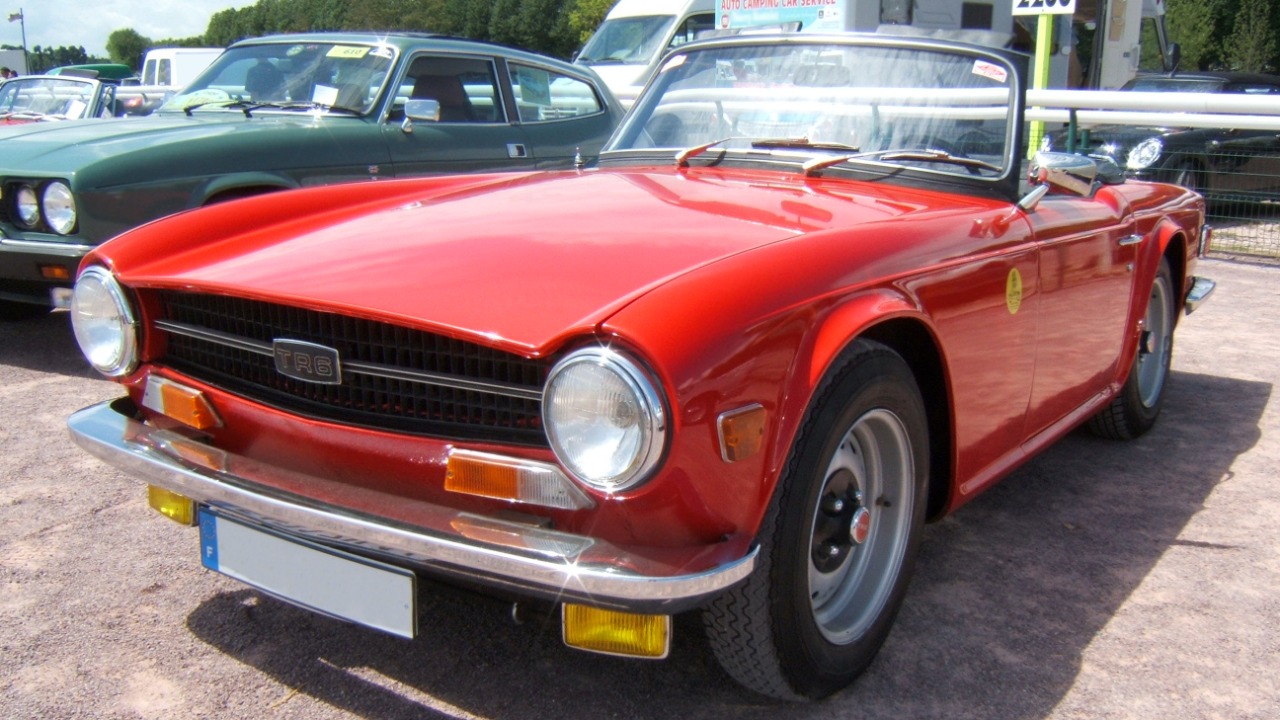
Roadsters have always appealed to drivers who care more about the experience behind the wheel than practicality. With lightweight bodies, rear-wheel drive, manual transmissions, and open-air cabins, the best examples deliver a direct connection that modern cars often struggle to match. These are the roadsters enthusiasts continue searching for, even decades after they first appeared.
Alfa Romeo Spider
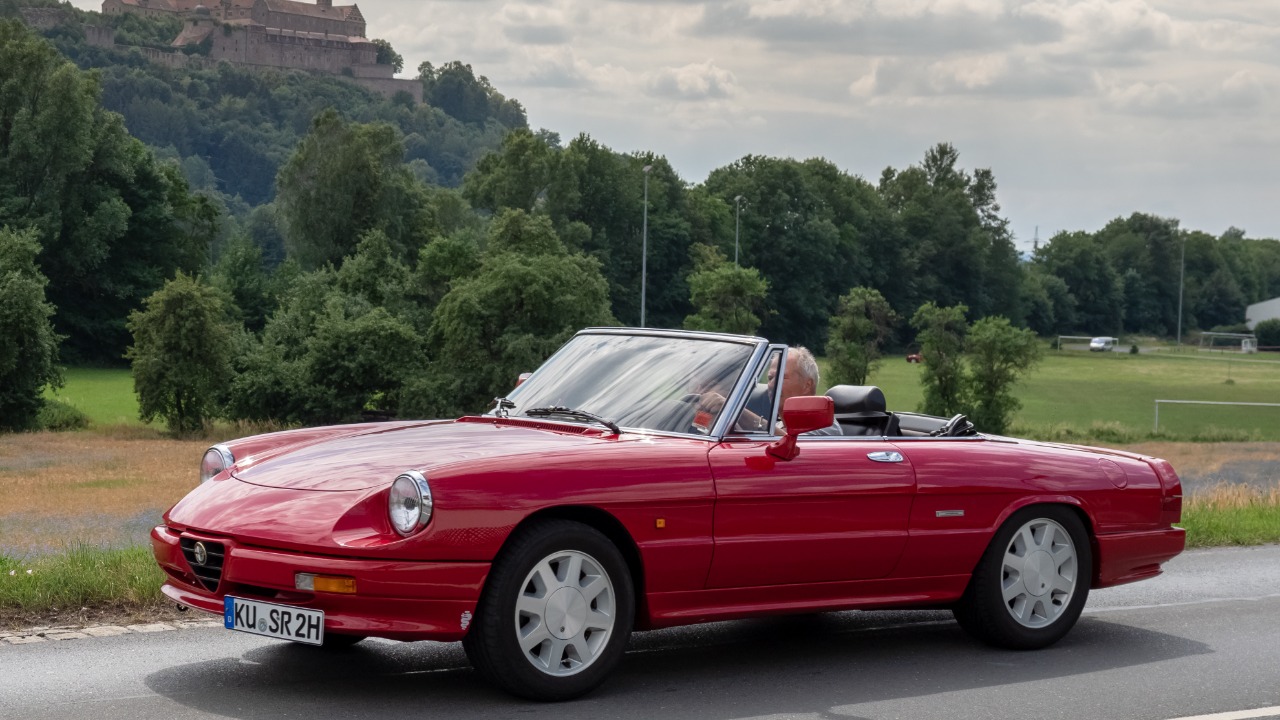
The Alfa Romeo Spider became famous for its elegant styling and lively driving character. Its long production run gave enthusiasts plenty of versions to choose from, while the classic shape remained recognizable throughout much of its life. The Spider was never about overwhelming power. Instead, it focused on steering feel, balance, and the simple pleasure of driving with the roof down.
Fiat 124 Spider
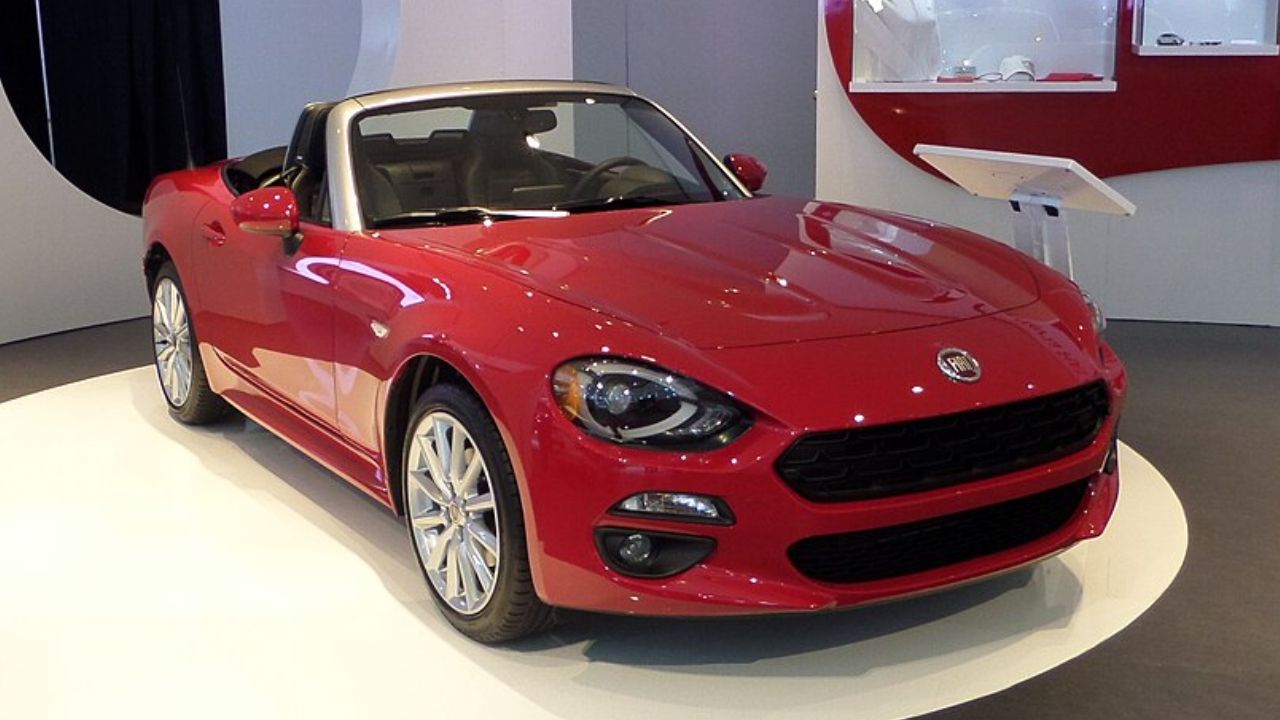
The Fiat 124 Spider combined Italian styling with a compact rear-wheel-drive chassis that made it enjoyable on winding roads. Its Pininfarina-designed body gave it a distinctive appearance, while the relatively simple mechanical layout appealed to enthusiasts who preferred an uncomplicated sports car. The 124 Spider remains popular among drivers who want classic roadster character without the size or weight of larger performance cars.
Datsun 2000 Roadster
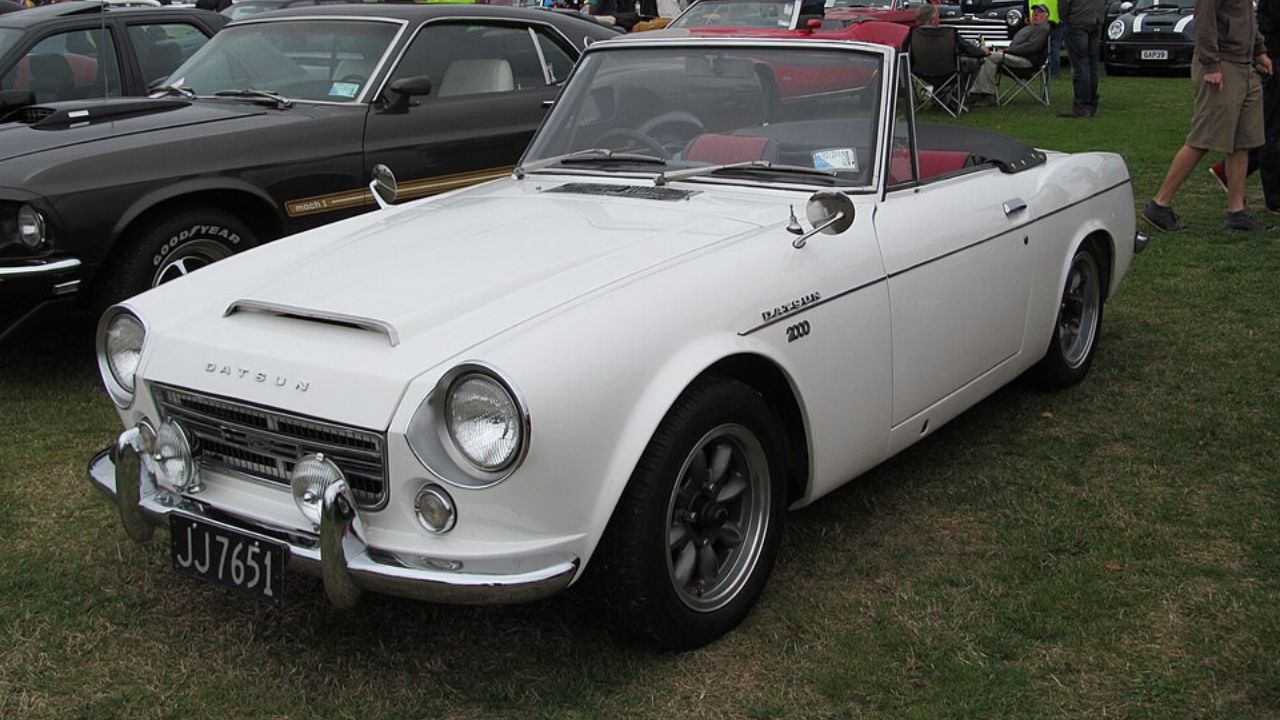
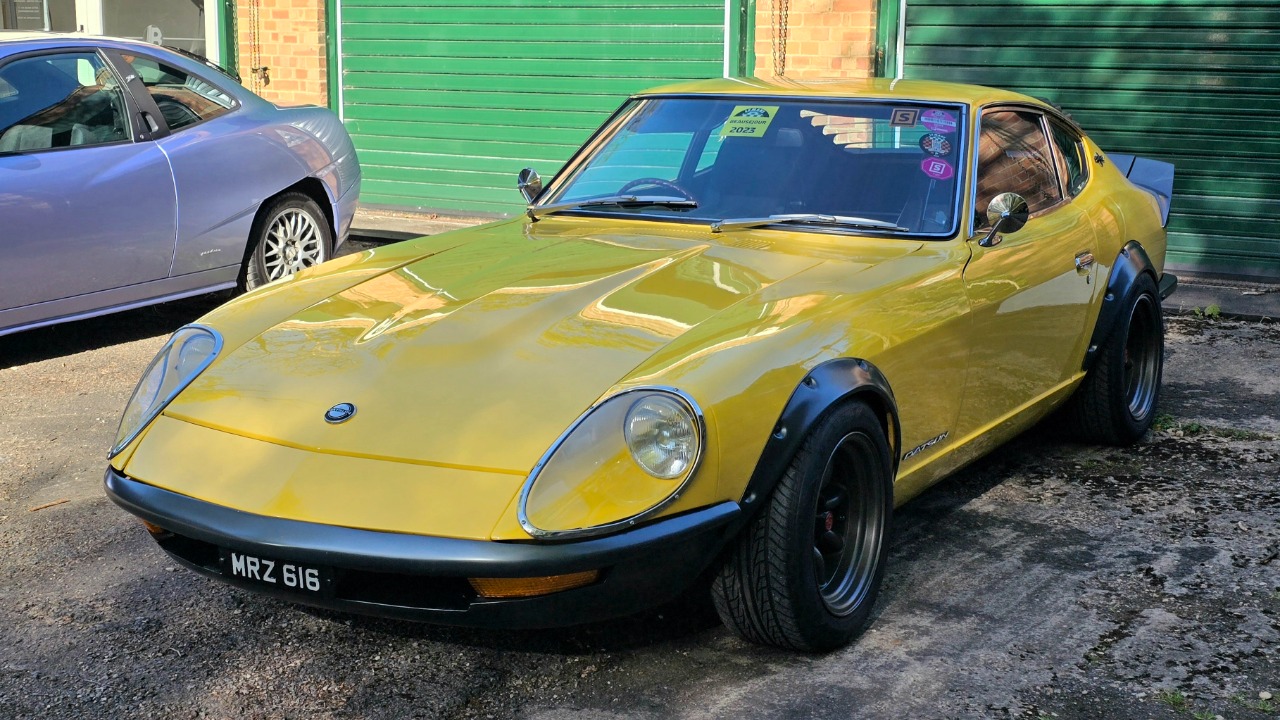
The Datsun 2000 helped establish Japanese roadsters as serious alternatives to European sports cars. Its four-cylinder engine could rev enthusiastically, while the manual transmission and lightweight body created an engaging driving experience. The car also proved that an affordable Japanese sports car could offer genuine performance. Today, clean examples are sought by collectors who appreciate its role in the early development of Japanese performance cars.
Datsun 1600 Roadster
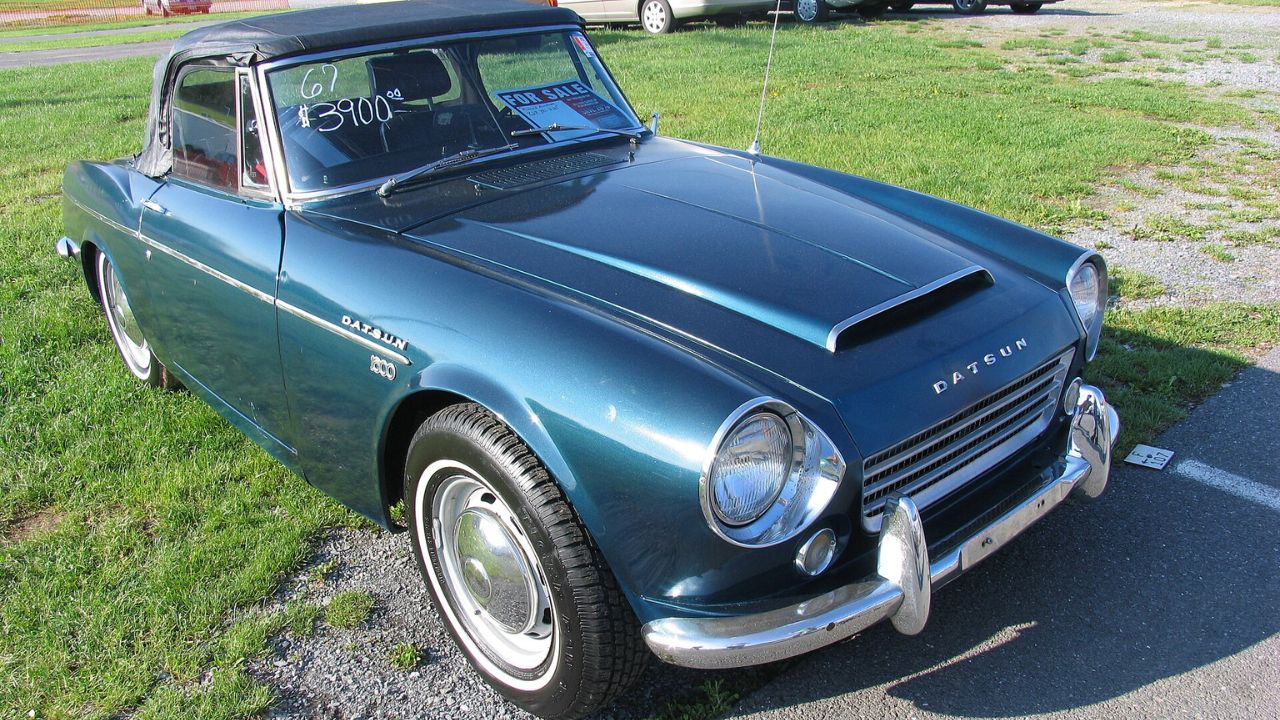
The Datsun 1600 brought much of the same formula to enthusiasts in a slightly smaller package. Its compact dimensions, independent suspension, and manual transmission gave it a lively character without requiring huge power. The car helped build Datsun’s reputation among American sports-car buyers. Surviving examples remain attractive because they offer straightforward mechanicals and the unmistakable charm of an early Japanese roadster.
Triumph TR6

The TR6 remains one of the most recognizable British roadsters of its era. Its straight-six engine, rear-wheel drive, manual transmission, and traditional open cockpit created the kind of direct experience enthusiasts still appreciate. The car was not designed around modern refinement, and that is part of its appeal. Drivers who want a mechanical connection with the road continue to seek well-preserved TR6s.
Triumph TR250
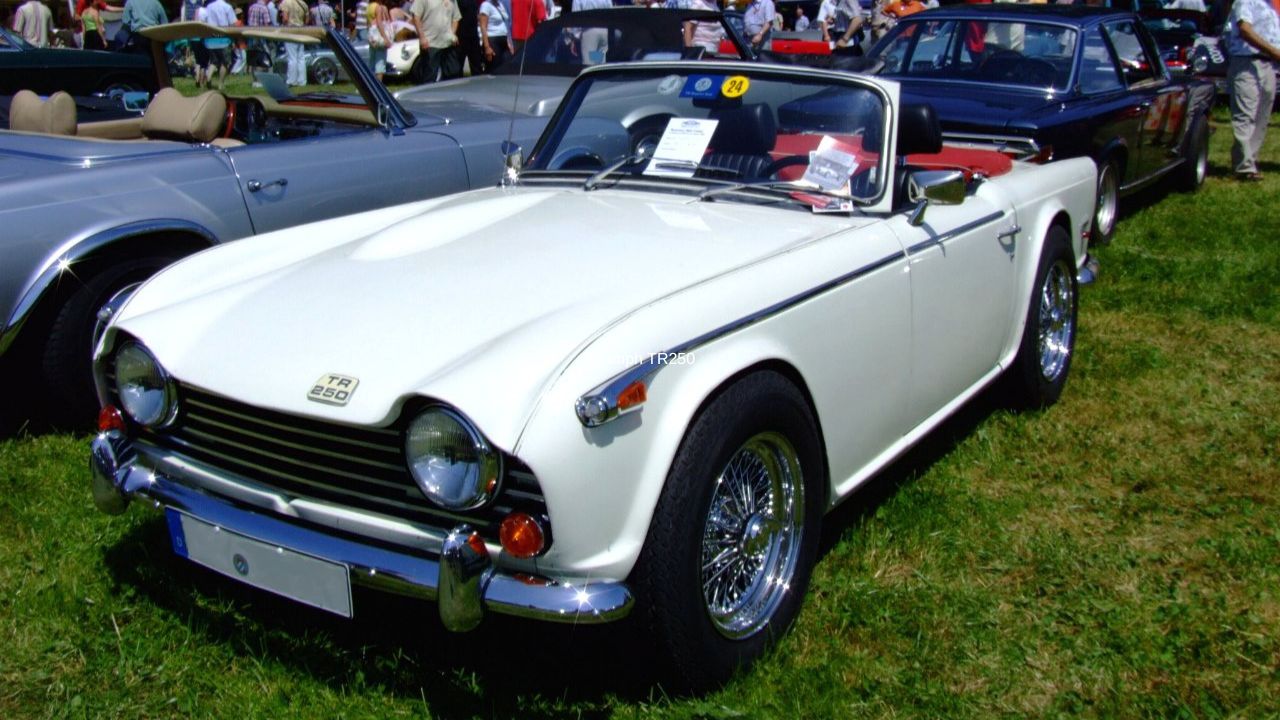
The TR250 occupies an interesting place between Triumph’s earlier four-cylinder roadsters and the later TR6. Its six-cylinder engine provided smoother performance, while the classic body retained the compact proportions enthusiasts expected from a British sports car. It was produced for a relatively short period, making surviving examples particularly interesting. Collectors value it for combining rarity with a familiar and attractive roadster shape.
MG Midget
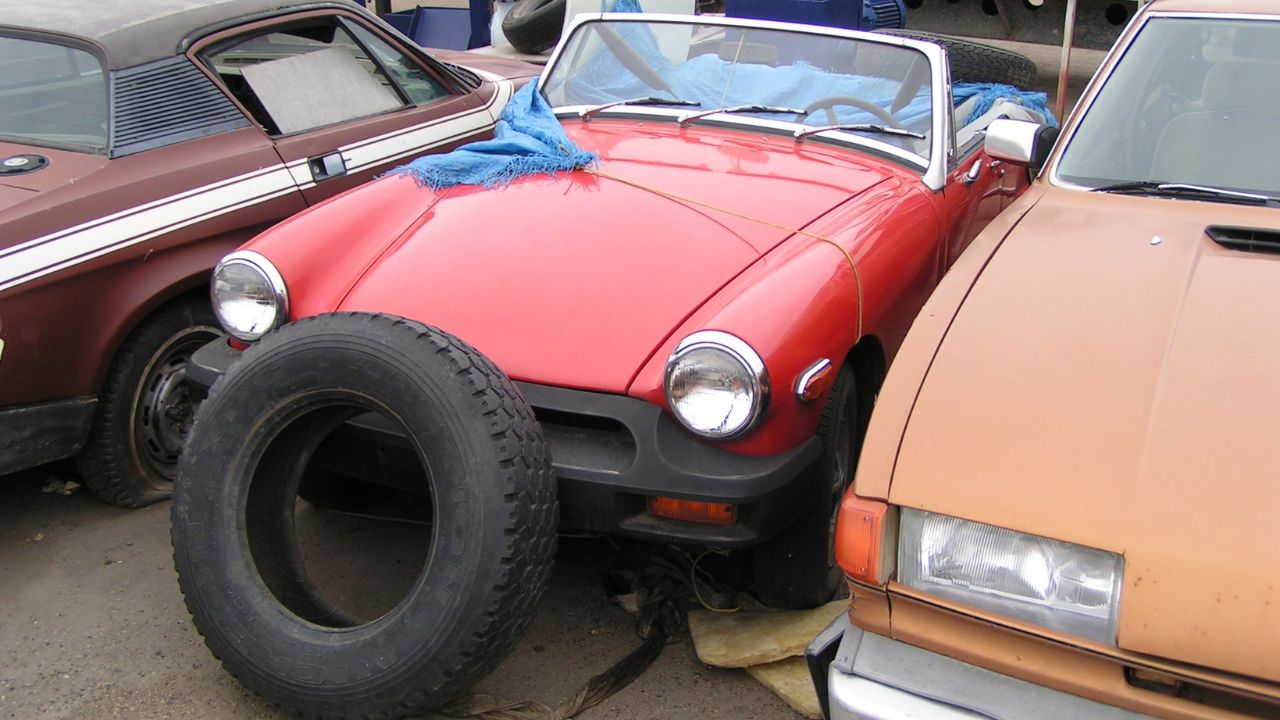
The MG Midget proved that a sports car did not need large power or a large body to be entertaining. Its lightweight construction and compact dimensions made even modest speeds feel engaging. The simple mechanical layout also helped owners work on their cars themselves. Today, the Midget remains popular among enthusiasts who value nimble handling and classic roadster character over outright acceleration.
Austin-Healey Sprite
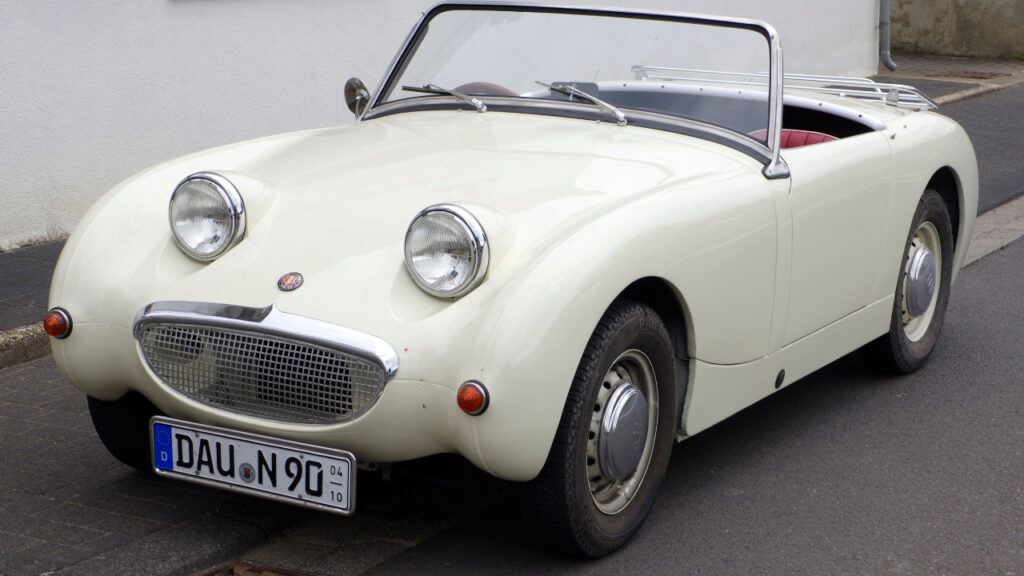
The Sprite became famous for its tiny dimensions, simple design, and playful driving experience. Early examples were particularly minimalist, while later versions gained more conventional styling and equipment. Its lightweight construction allowed the modest engine to provide plenty of entertainment on winding roads. The Sprite remains a favorite among drivers who believe that a great sports car should be light, responsive, and uncomplicated.
Morgan Plus 4
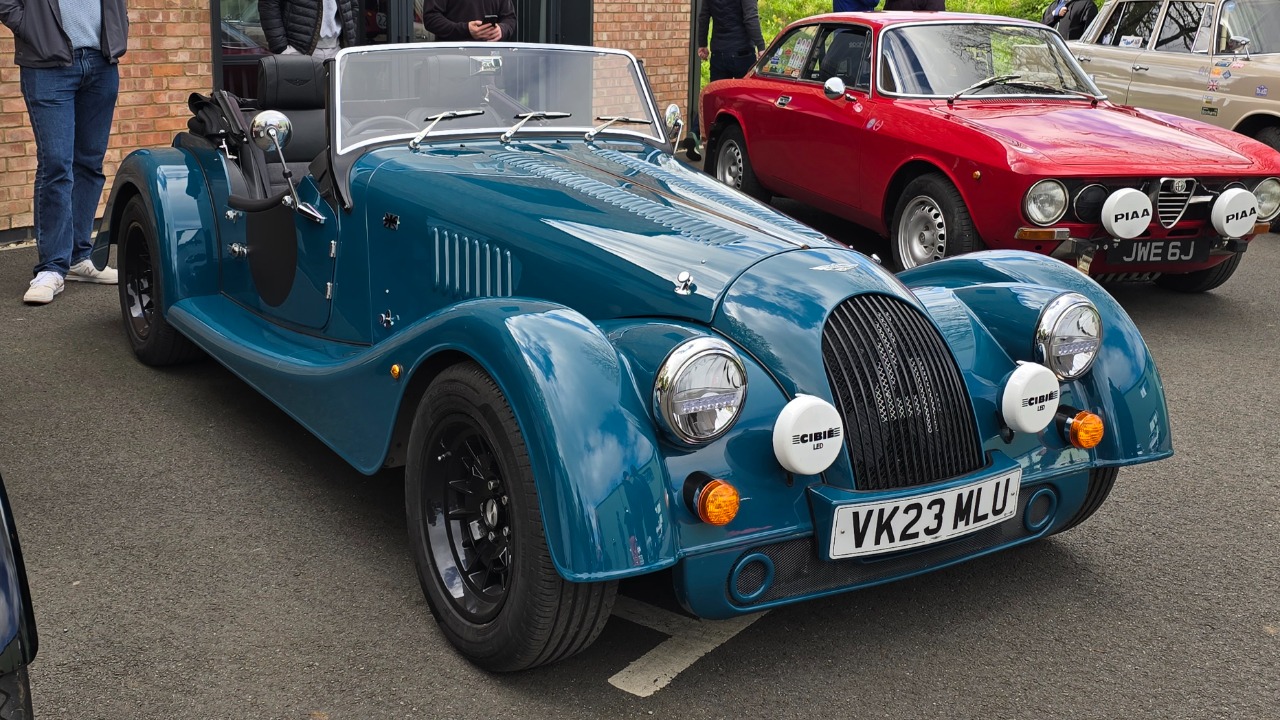
The Morgan Plus 4 has retained an unusually traditional approach to sports-car construction. Its classic appearance, lightweight body, rear-wheel-drive layout, and driver-focused character make it feel almost completely disconnected from modern automotive trends. Morgan’s long-running design philosophy is a major part of its appeal. Enthusiasts seek the Plus 4 because it provides an experience that few contemporary roadsters can genuinely reproduce.
Caterham Super Seven
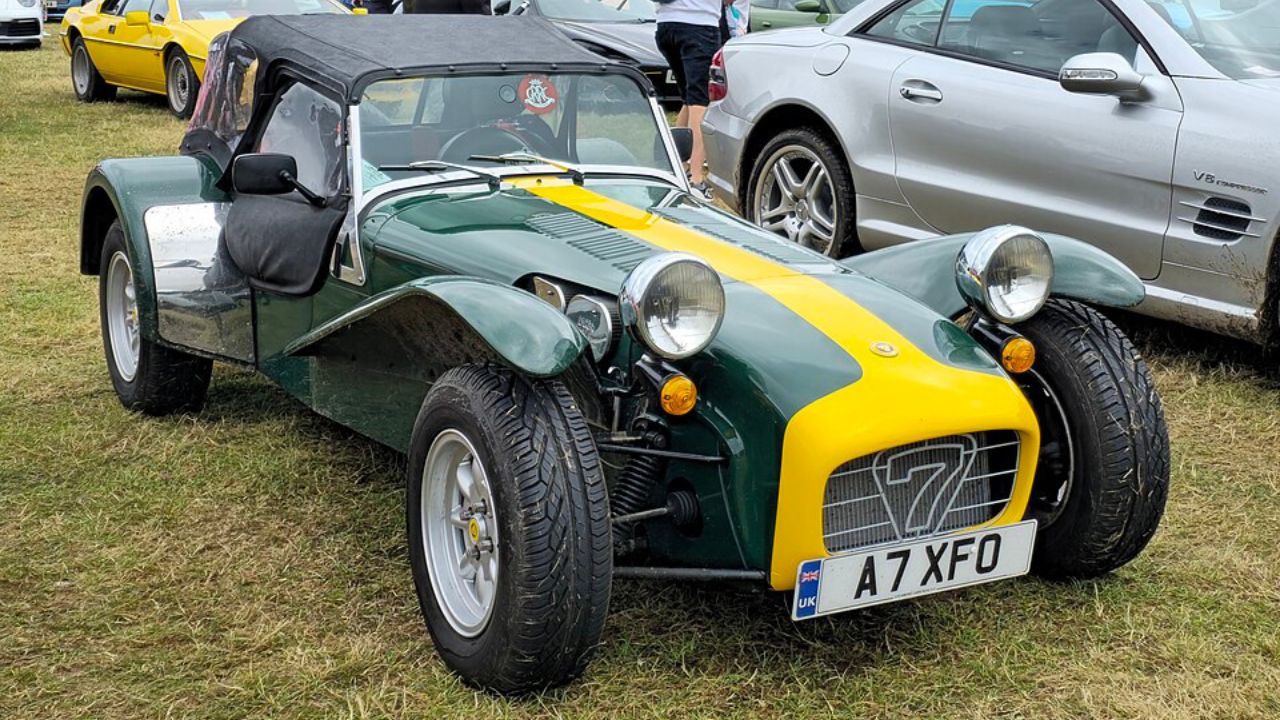
The Caterham Super Seven takes the lightweight sports-car philosophy to an extreme. Its compact dimensions, minimal bodywork, and low weight make every steering input and throttle movement feel immediate. There is very little between the driver and the road. The Seven has remained popular precisely because it avoids unnecessary complexity, offering enthusiasts a remarkably direct experience that is increasingly rare in modern performance cars.
Lotus Elan
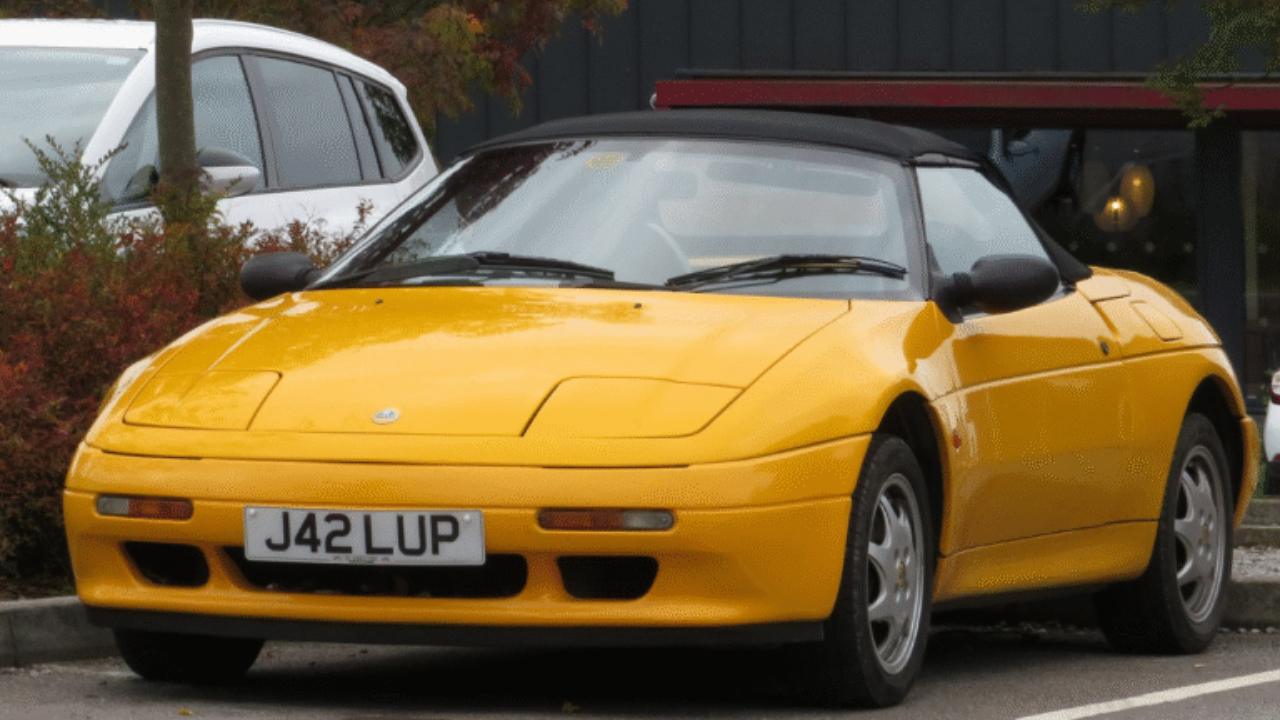
The Lotus Elan demonstrated how effective lightweight engineering could be. Its compact size, independent suspension, and low weight gave it exceptional agility without requiring enormous engine output. Lotus focused heavily on handling balance, making the Elan a favorite among serious driving enthusiasts. Its influence can still be seen in later lightweight sports cars that prioritize chassis behavior over brute-force acceleration.
Lotus Elise
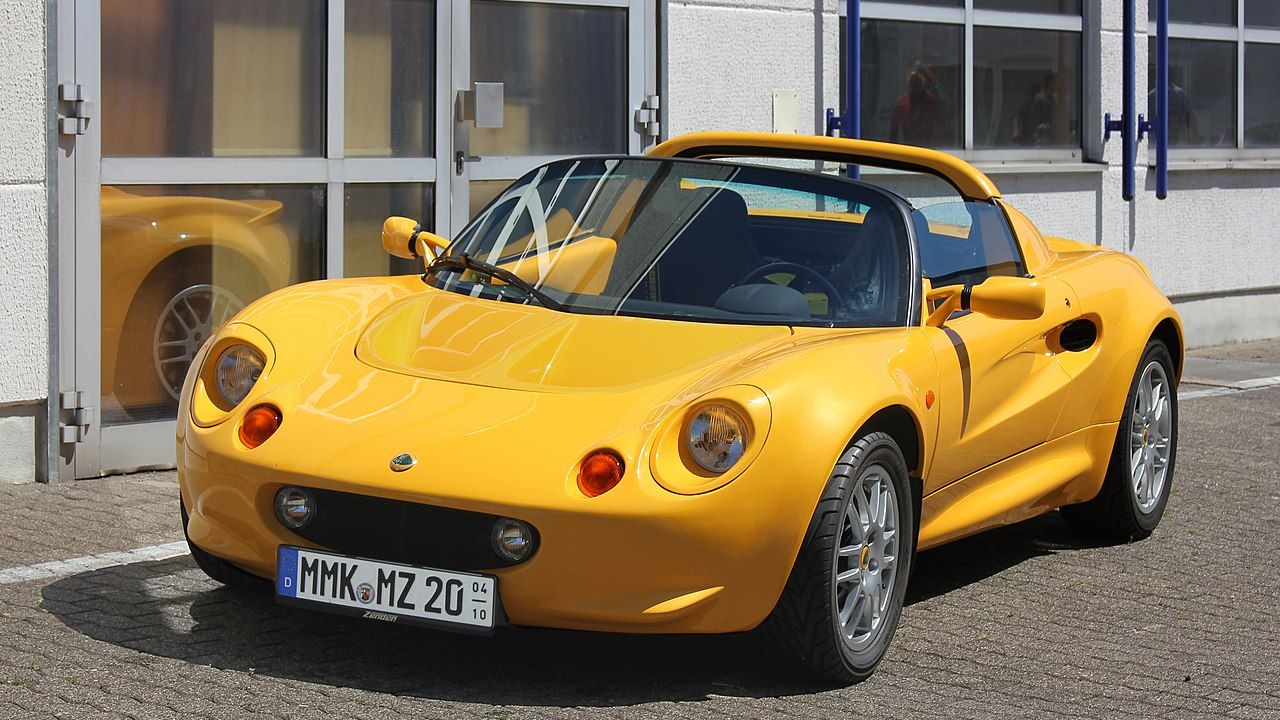
The Elise brought the lightweight Lotus philosophy into the modern era. Its extremely light structure, sharp steering, and compact dimensions made it one of the purest sports cars available. Engine power was never the entire story because the chassis did most of the work. Enthusiasts continue to seek Elise examples because they offer an unusually direct connection between driver, car, and road.
Honda S2000
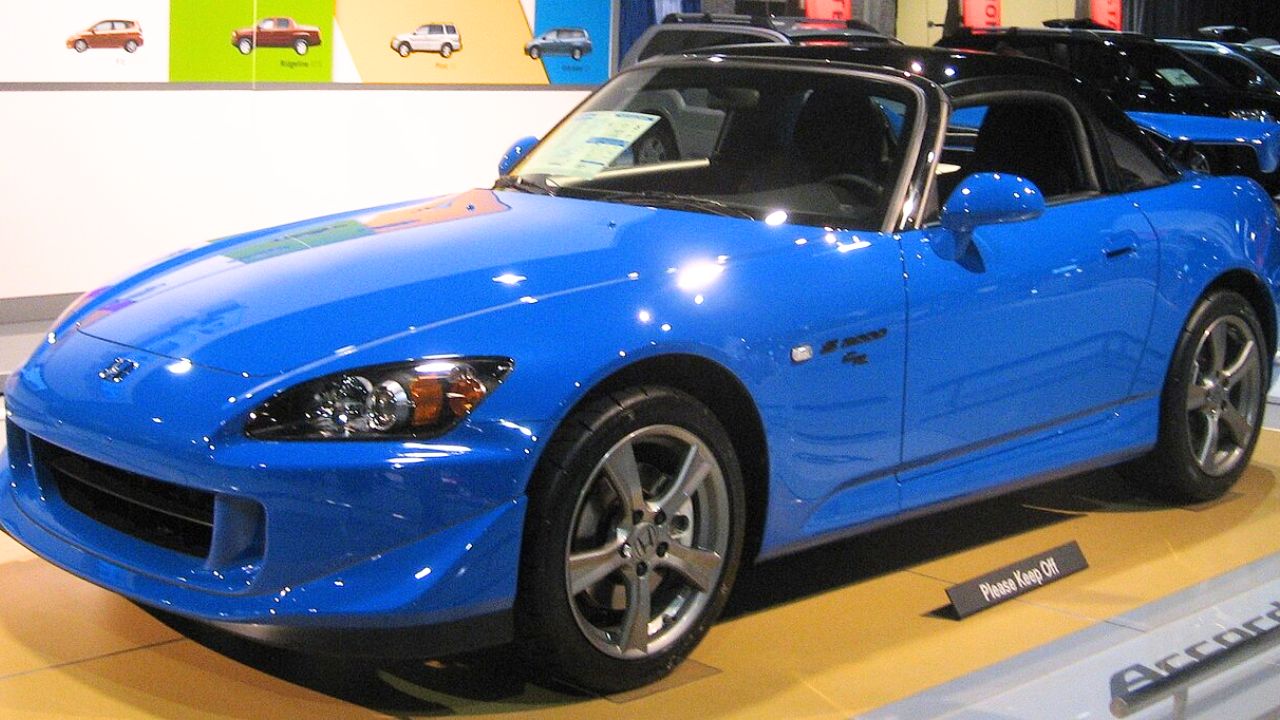
The S2000 became famous for its high-revving naturally aspirated engine, precise manual transmission, and rear-wheel-drive layout. Its compact dimensions and balanced chassis made it rewarding even when driven well below its limits. The car’s engineering quality also helped many examples survive. Today, unmodified S2000s are increasingly sought by enthusiasts who appreciate its combination of reliability, performance, and analog driving feel.
BMW Z4 M Roadster

The Z4 M Roadster brought BMW’s performance engineering to a compact open-top platform. Its high-revving inline-six, manual transmission, rear-wheel drive, and sharp chassis gave it a much more serious personality than the standard Z4. The car was produced in relatively limited numbers, which has helped preserve its enthusiast appeal. It remains a compelling choice for drivers who want classic BMW performance in roadster form.
Mercedes-Benz SLK55 AMG
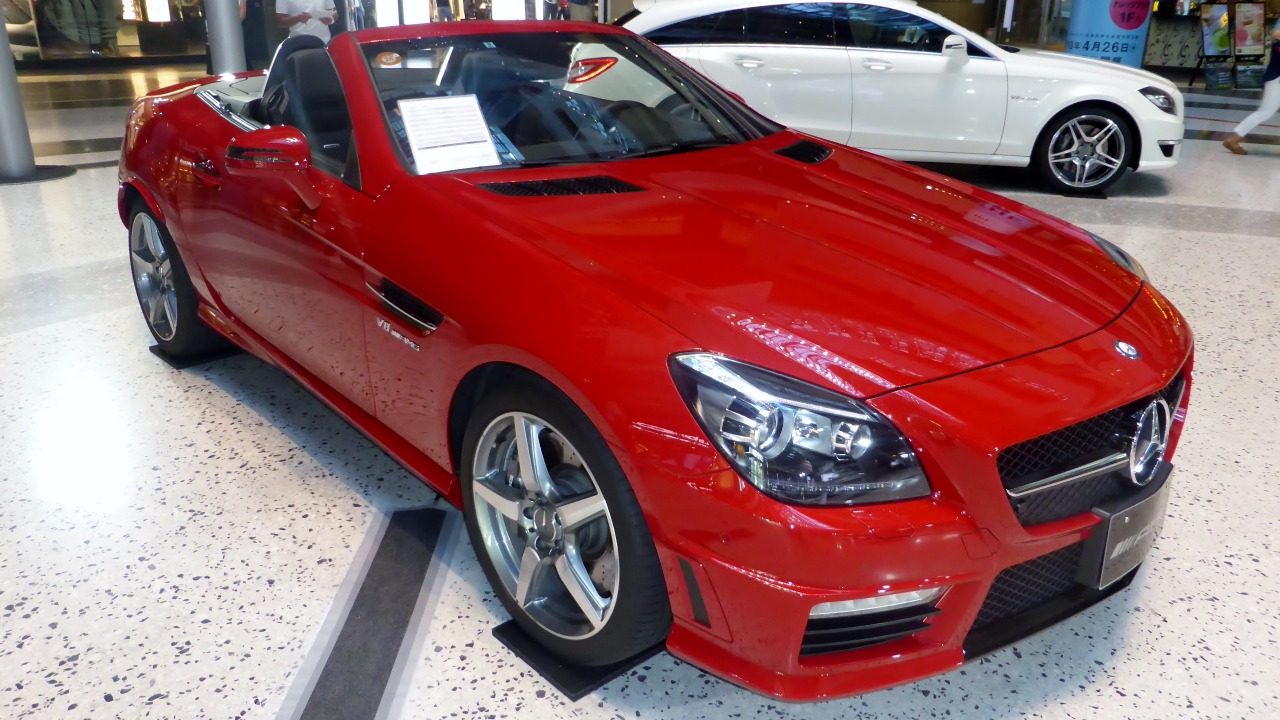
The SLK55 AMG combined compact roadster dimensions with a naturally aspirated V8. That combination gave it a character that smaller turbocharged roadsters cannot quite reproduce. The folding hardtop also made it more practical than many traditional sports cars. Enthusiasts appreciate the car for its strong engine, rear-wheel-drive layout, and ability to blend everyday usability with genuine performance.
Porsche Boxster Spyder

The Boxster Spyder represents Porsche’s focus on reducing unnecessary weight and sharpening the driving experience. Its lower weight, aggressive chassis setup, and naturally aspirated flat-six in key generations make it particularly appealing to purists. Unlike many high-performance cars, the Spyder’s appeal comes from balance rather than simply adding power. Clean examples remain highly desirable among drivers who value precision.
Jaguar F-Type Convertible
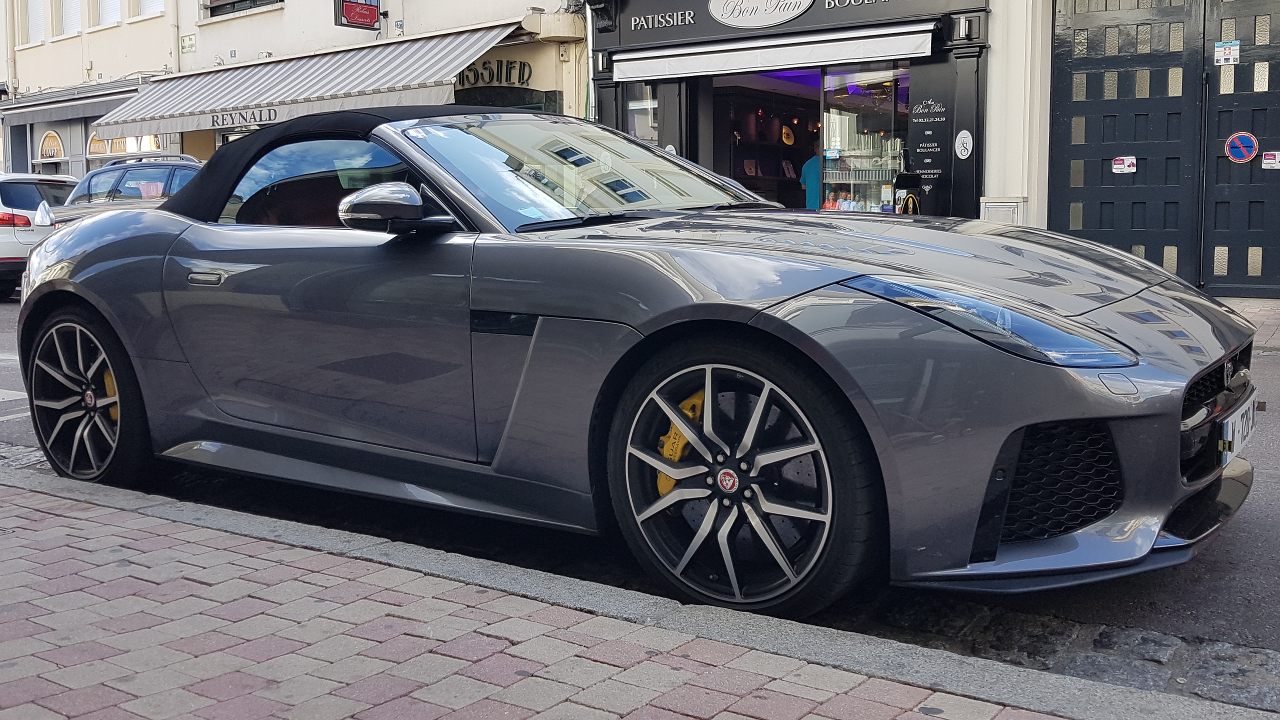
The F-Type brought a more dramatic personality to the modern roadster market. Its long hood, rear-wheel-drive chassis, and powerful engines gave it a distinctly traditional sports-car character, while modern suspension and technology kept it usable. V6 and V8 versions provide different levels of performance, but all share the same emphasis on style and driver engagement. It remains one of the most visually striking modern roadsters.
Nissan 350Z Roadster
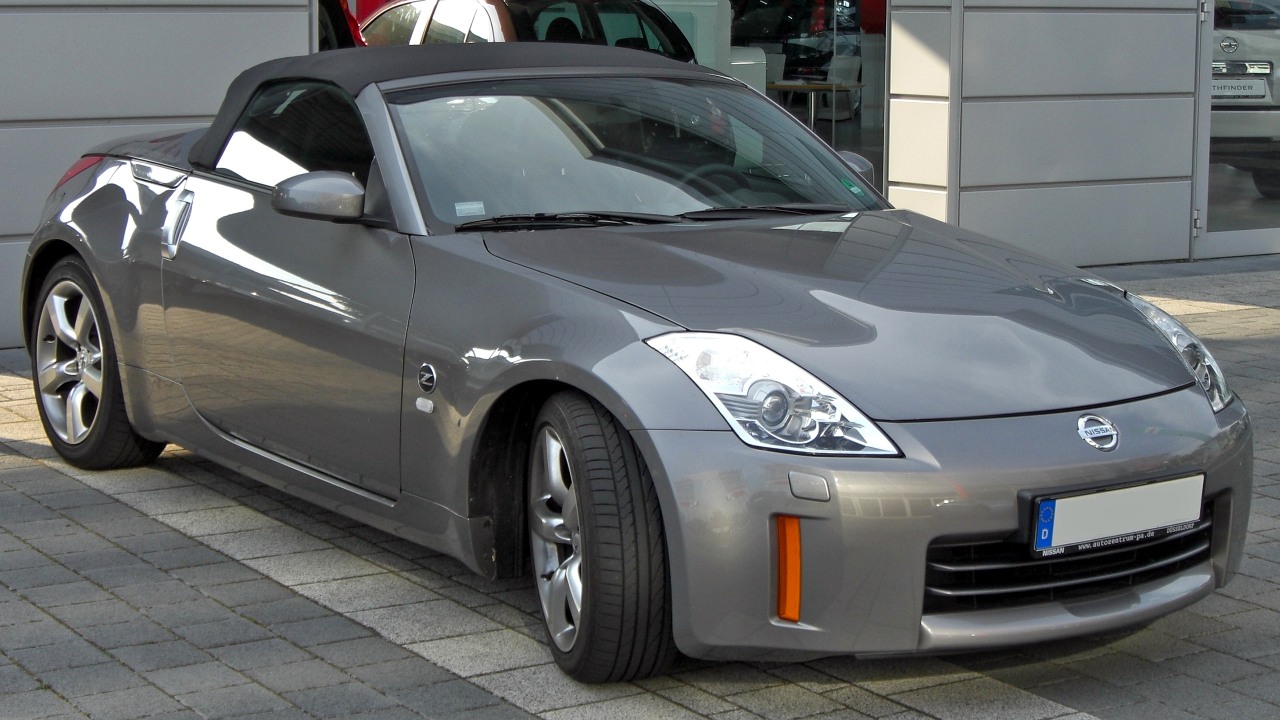
The 350Z Roadster offered a straightforward performance formula with a naturally aspirated V6, rear-wheel drive, and a manual transmission. It was relatively affordable when new and had enough power to satisfy serious enthusiasts. Its mechanical simplicity compared with newer sports cars also makes it appealing today. The roadster retains the classic combination of a long hood, short rear deck, and open-air driving.
Chevrolet Corvette Convertible
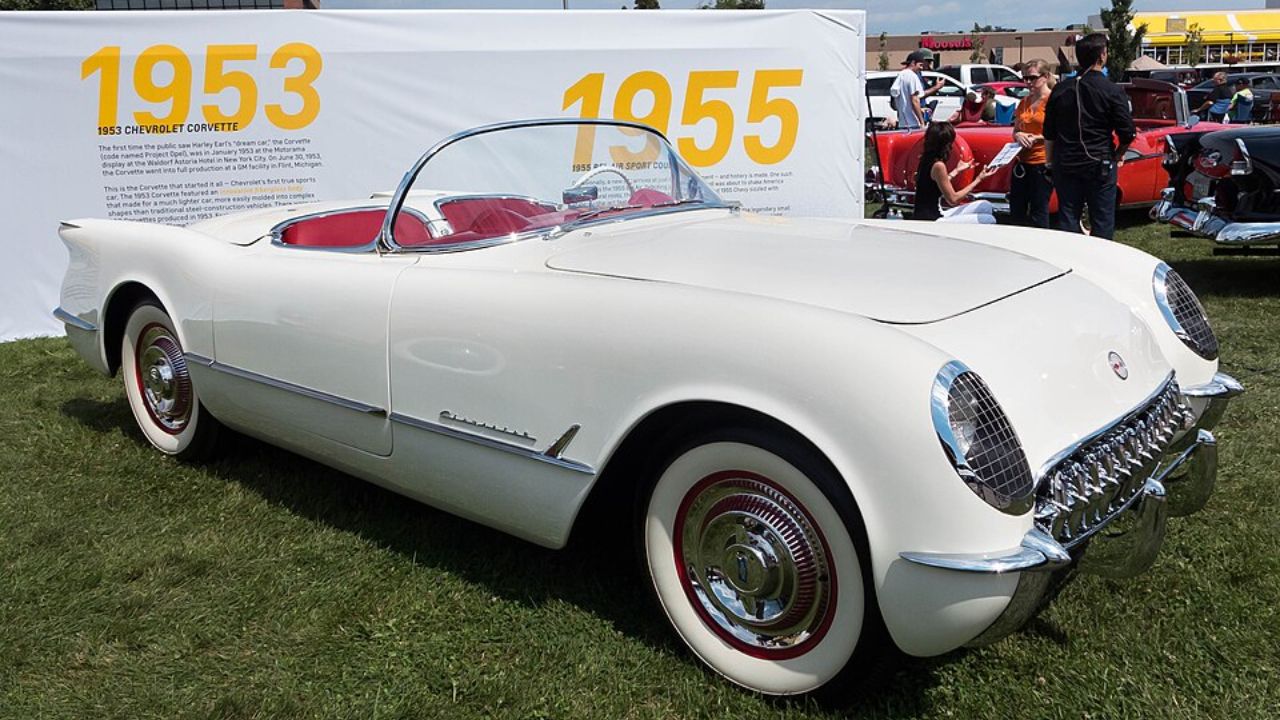
The Corvette Convertible has consistently offered American performance in open-air form. Powerful V8 engines, rear-wheel drive, and strong chassis engineering have made it capable of serious performance while retaining the traditional roadster experience. Older generations remain popular because each represents a different stage in Corvette development. For enthusiasts who want an American alternative to European roadsters, the Corvette remains an obvious choice.
Pontiac Solstice GXP
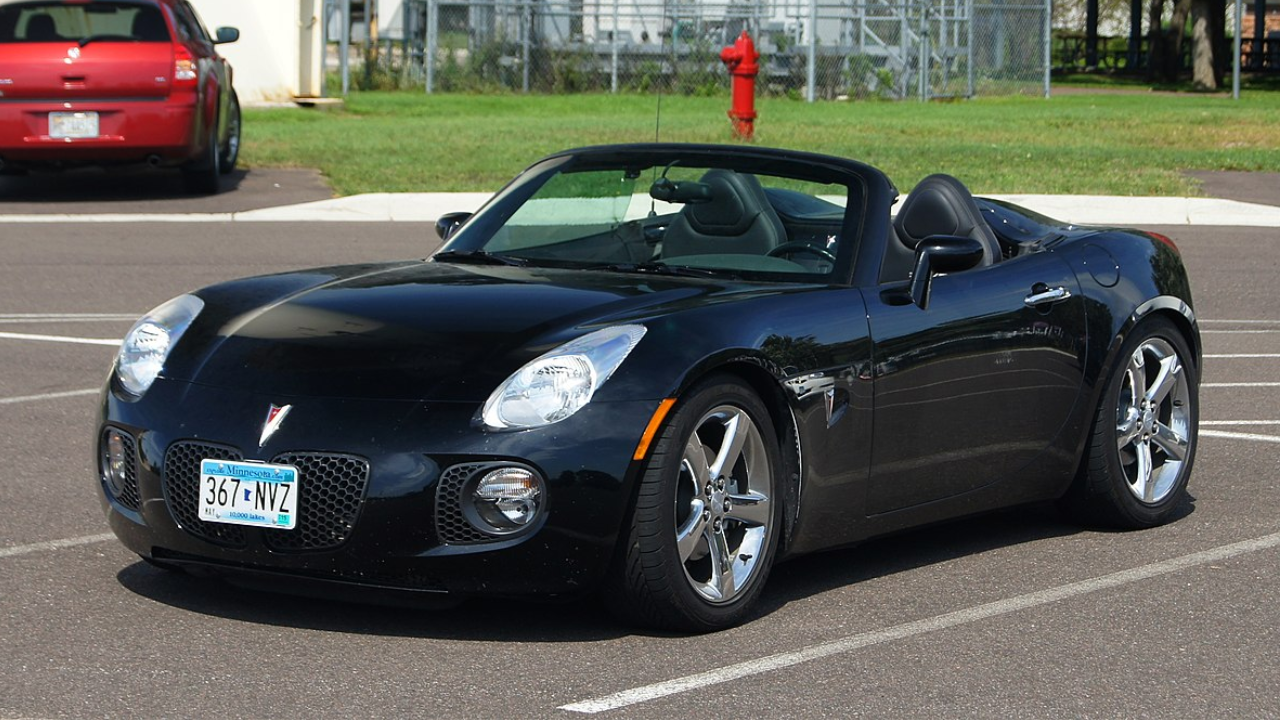
The Solstice GXP gave American enthusiasts a compact turbocharged roadster with rear-wheel drive and distinctive styling. Its lightweight chassis made the car enjoyable on winding roads, while the turbocharged engine provided enough power to make it genuinely quick. Production was relatively short, making good examples increasingly interesting. The GXP remains an overlooked choice for drivers who want something different from the usual European and Japanese roadsters.
More from Fast Lane Only
- Unboxing the WWII Jeep in a Crate
- 15 rare Chevys collectors are quietly buying
- 10 underrated V8s still worth hunting down
- Police notice this before you even roll window down
*Research for this article included AI assistance, with all final content reviewed by human editors.