The Ford Thunderbird has long been celebrated as a symbol of American automotive ingenuity. Over the decades, it has evolved, showcasing Ford’s ability to blend style, performance, and innovation. From its inception in the mid-1950s to its more modern interpretations, the Thunderbird has consistently impressed car enthusiasts and casual drivers alike.
1955 Ford Thunderbird: The Birth of a Legend
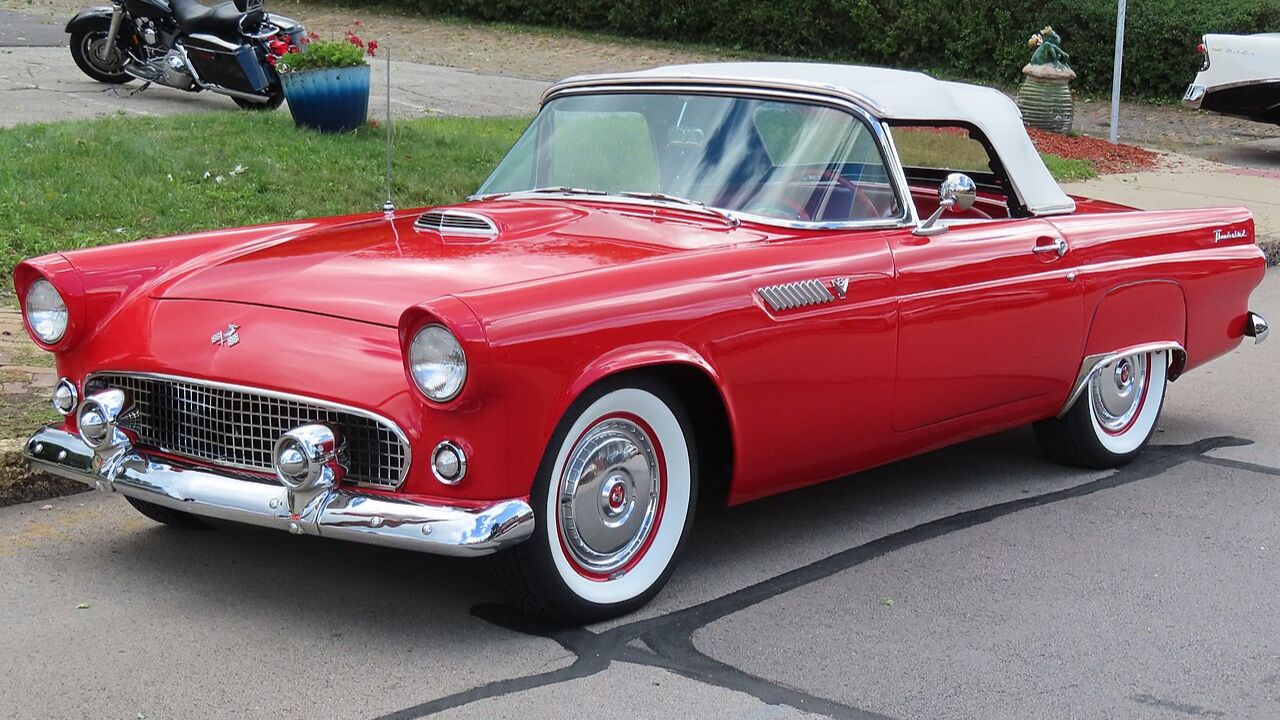
Introduced in 1955, the Ford Thunderbird marked a significant departure from the traditional American car design of the era. With its sleek, two-seater layout and V8 engine, it became an instant classic. The Thunderbird’s design was influenced by European sports cars, yet it retained an unmistakable American flair. This combination appealed to a wide audience, attracting buyers looking for both performance and style. The success of the ’55 Thunderbird laid the groundwork for future iterations, establishing it as a cultural icon. Its enduring legacy is explored in more detail on various automotive history sites.
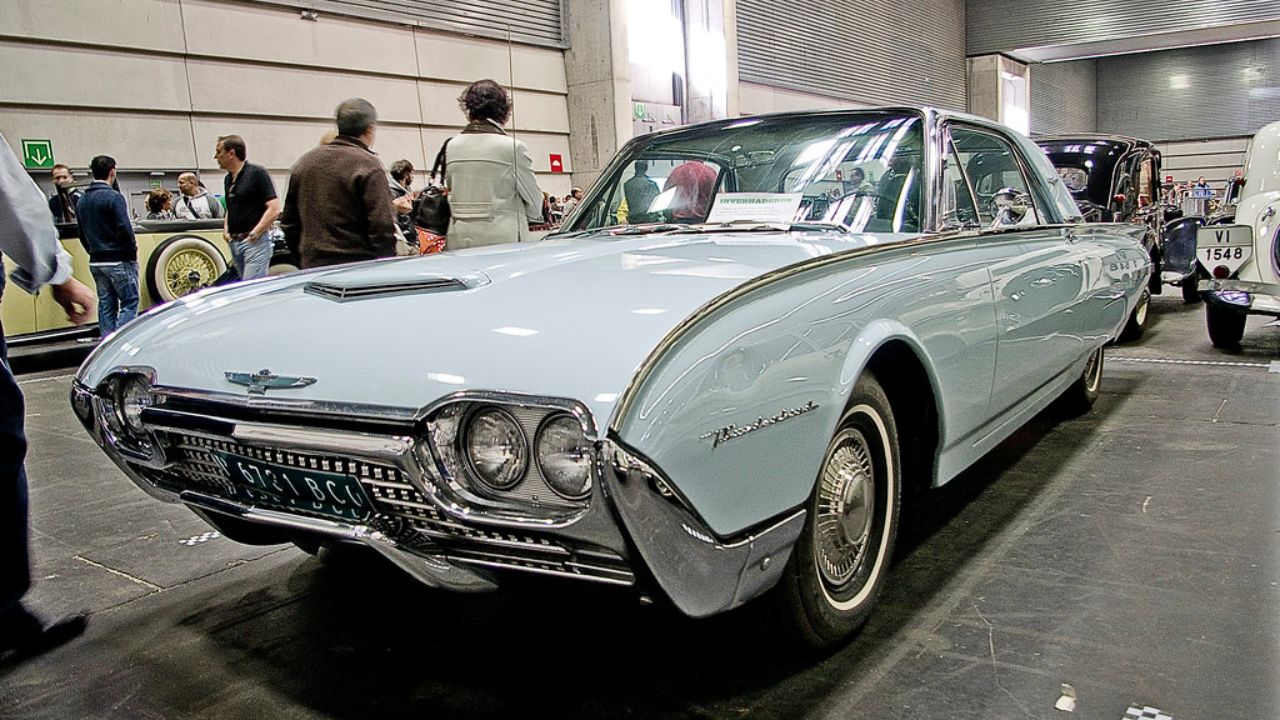
1961 Ford Thunderbird: The Elegant Bullet Bird
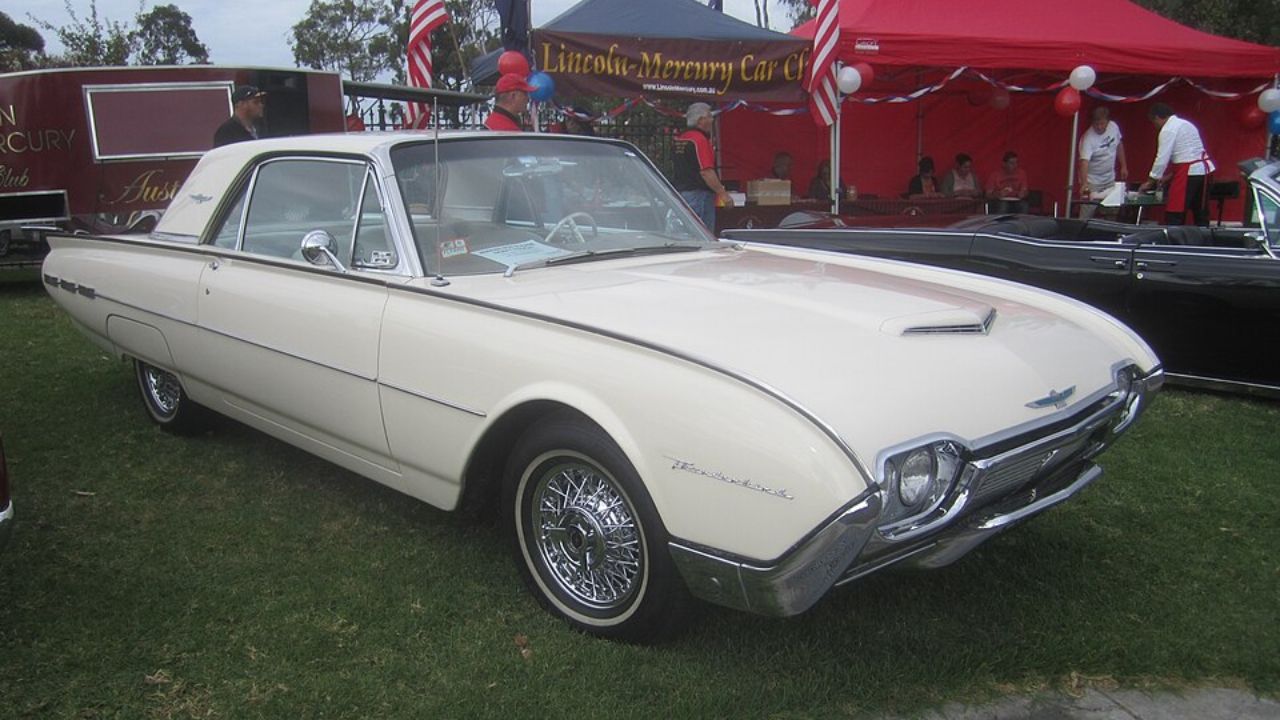
The 1961 Thunderbird introduced a more sophisticated design, characterized by its elongated body and unique bullet-shaped tail lights. This model embraced a more luxurious approach, appealing to consumers who desired both comfort and style. The interior featured high-quality materials, providing a plush experience for passengers. Under the hood, the Thunderbird was equipped with a powerful engine, ensuring that it not only looked good but also performed excellently on the road. The 1961 model solidified the Thunderbird’s status as a luxury vehicle, a theme that would continue in later models.
1966 Ford Thunderbird: A Bold Step into Luxury

The 1966 Thunderbird took the concept of personal luxury to new heights, featuring a larger body and a more spacious interior. With its distinctive design, including a prominent grille and sculpted lines, it stood out in a crowded market. The model offered advanced features for its time, such as an optional 7.0-liter V8 engine, which provided impressive power and performance. The ’66 Thunderbird was not just a car; it was a statement of wealth and sophistication, appealing to a demographic that valued both aesthetics and engineering. Its legacy can be seen as a precursor to modern luxury sedans.
1970 Ford Thunderbird: The Personal Luxury Revolution

By 1970, the Thunderbird had fully embraced the personal luxury segment, offering a more expansive interior and a wealth of options for buyers. This model featured a bold, aggressive design, complete with a long hood and a tapered rear. The introduction of advanced technological features, such as power windows and air conditioning, made it a favorite among those seeking comfort in their driving experience. With its smooth ride and powerful engine choices, the 1970 Thunderbird set a benchmark for other manufacturers to follow in the luxury vehicle market.
1977 Ford Thunderbird: The Return of the Classic Style
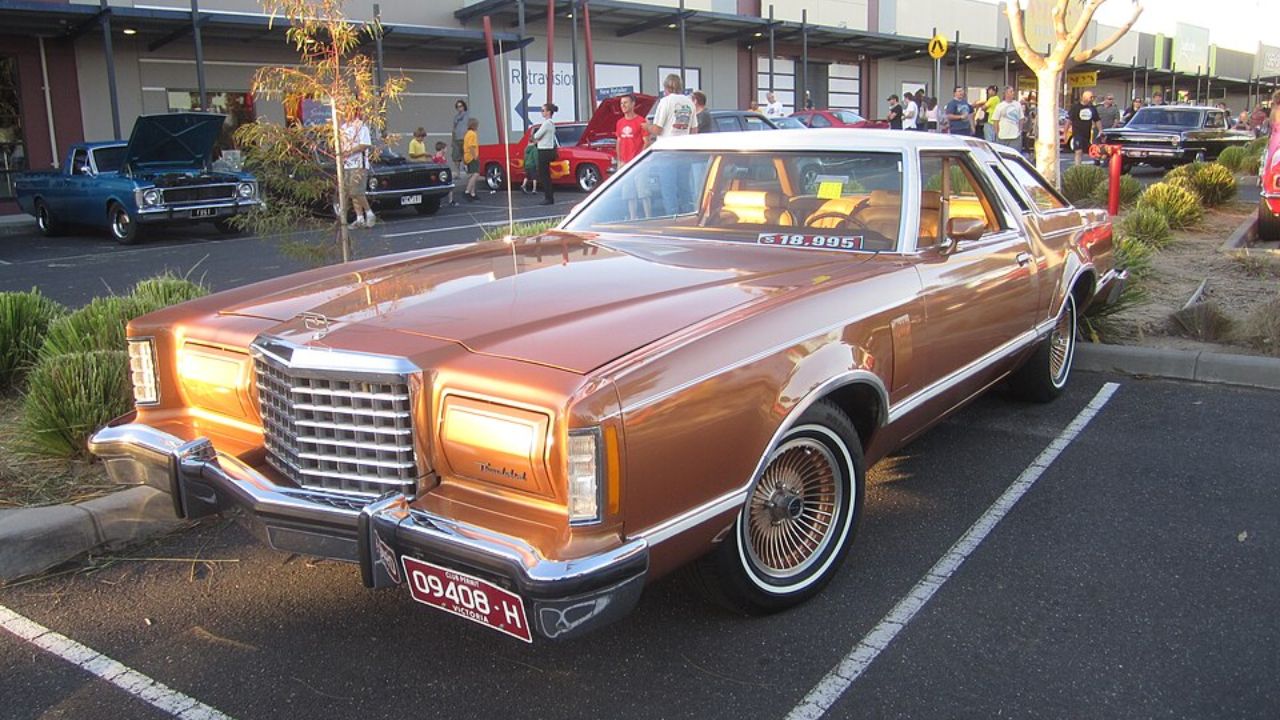
The 1977 Thunderbird represented a return to the classic design elements that made the model a favorite in the 1950s and 1960s. It featured a more restrained style compared to its predecessors, focusing on elegance over extravagance. The car was equipped with a fuel-efficient engine during a time of rising fuel prices, which made it appealing to a broader audience. This model emphasized comfort, with spacious seating and a refined interior, making it a popular choice for those looking for a stylish yet practical vehicle.
1983 Ford Thunderbird Turbo Coupe: Performance Meets Innovation
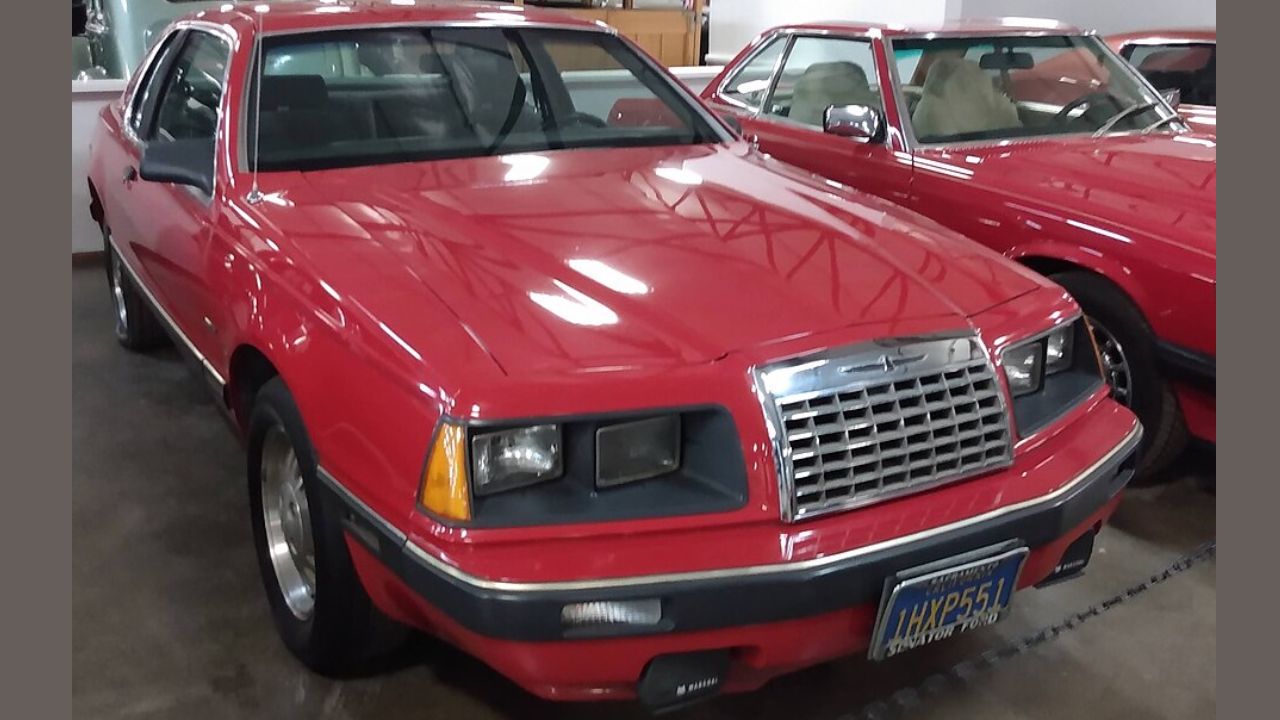
The 1983 Thunderbird Turbo Coupe showcased Ford’s commitment to performance and innovation. This model introduced a turbocharged four-cylinder engine, offering a balance of power and fuel efficiency that was ahead of its time. The aerodynamic design reduced drag, enhancing performance on the highway. Additionally, the Turbo Coupe featured advanced technology, including a digital dashboard, which was a novel concept back then. This model paved the way for a new generation of performance vehicles, demonstrating that the Thunderbird could evolve while still honoring its heritage.
1987 Ford Thunderbird: The Aerodynamic Redesign
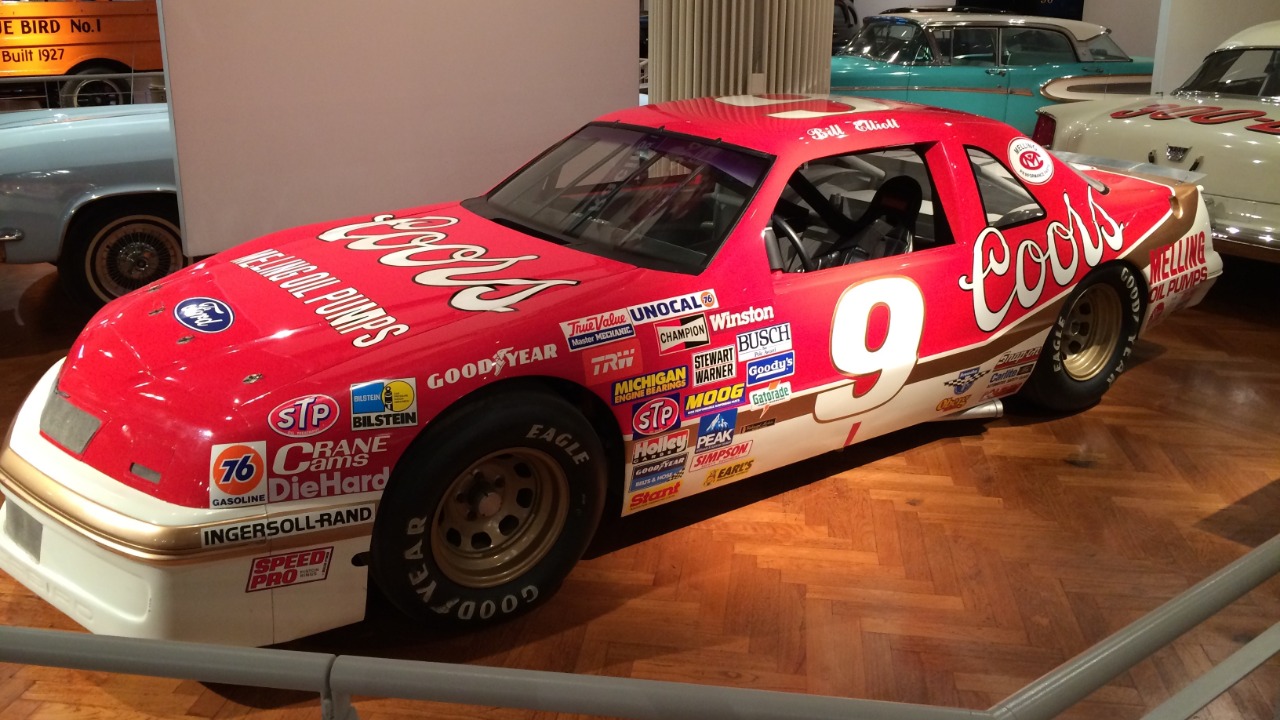
With the 1987 model, the Thunderbird underwent a significant aerodynamic redesign that improved its handling and efficiency. The sleek lines and rounded edges not only enhanced its appearance but also contributed to better fuel economy. The introduction of features like antilock brakes and advanced stereo systems made it appealing to tech-savvy consumers. This model was a testament to Ford’s ability to adapt to changing consumer preferences while maintaining the Thunderbird’s identity as a stylish and performance-oriented vehicle.
1997 Ford Thunderbird: A Nostalgic Modern Revival
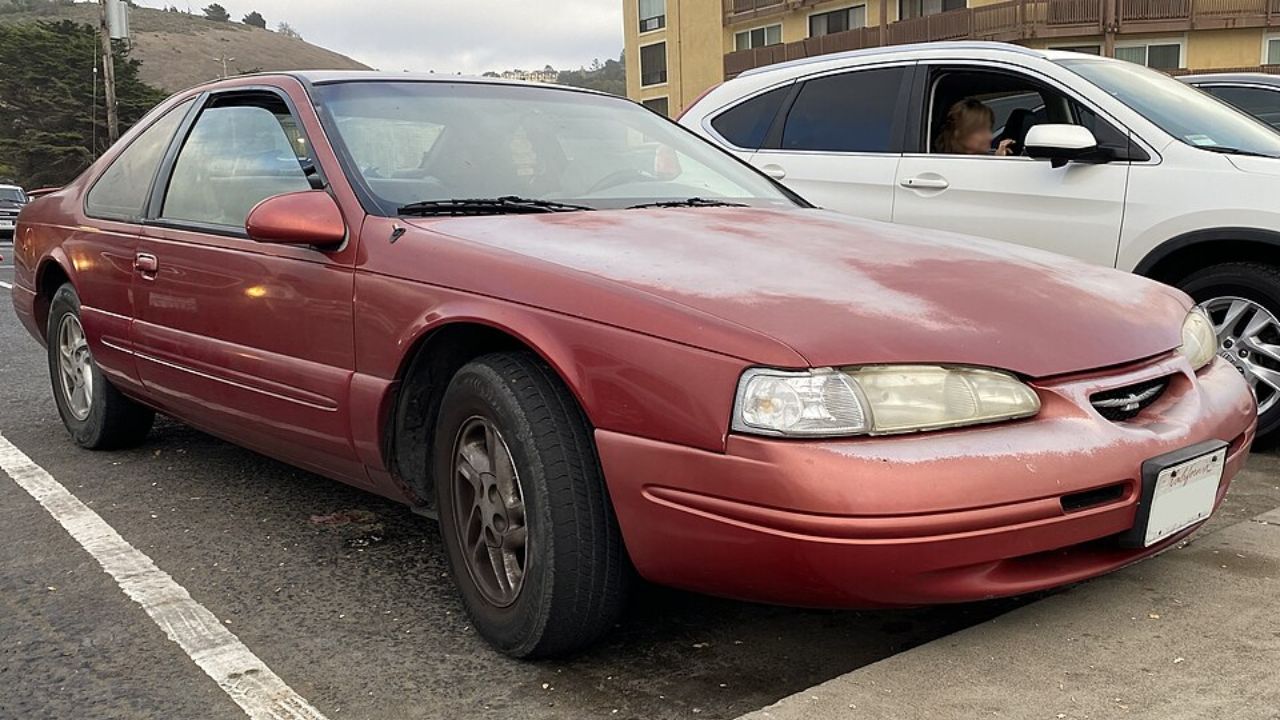
The 1997 Thunderbird marked a return to its roots, offering a nostalgic design that paid homage to its predecessors while incorporating modern technology. The two-door coupe featured a more rounded silhouette and retro-inspired details, appealing to both new buyers and those who remembered the classic models. Technological advancements included improved safety features and a more refined interior. This model was celebrated for bridging the gap between classic styling and contemporary performance, reflecting Ford’s understanding of its loyal customer base.
2002 Ford Thunderbird: The Ultimate Retro Roadster
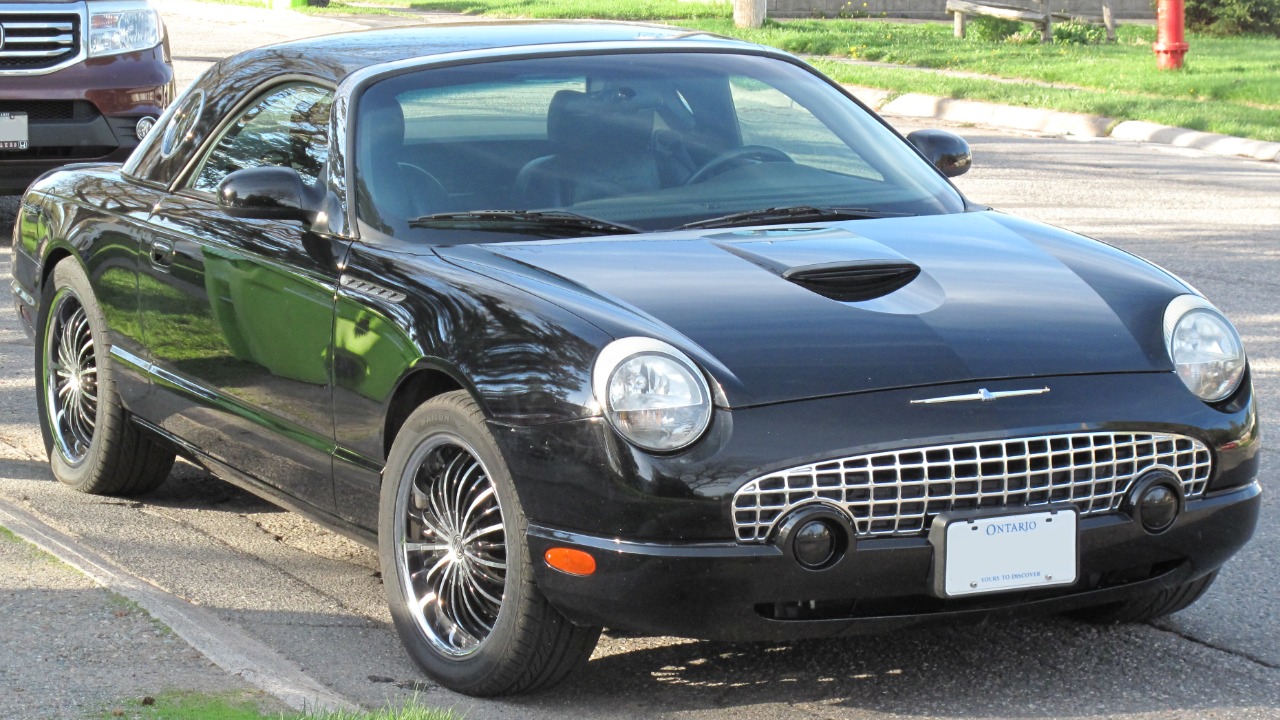
The final iteration, the 2002 Thunderbird, embraced a full retro design, drawing heavily on the aesthetics of the original 1955 model. With its convertible option and luxurious interior, it appealed to a new generation of drivers looking for a stylish roadster. The 2002 model offered modern performance features, including a V8 engine and advanced safety systems. This Thunderbird was not just a tribute to its past; it was a celebration of American automotive culture, showcasing Ford’s ability to innovate while honoring its legacy. More insights into its design can be found in publications such as automotive history books.
More from Fast Lane Only