Classic wagons were built for families, road trips, hauling gear, and almost anything else owners could throw at them. They offered huge cabins, long roofs, simple mechanicals, and a character that is difficult to find in today’s vehicles. These examples show why old wagons continue to attract collectors and nostalgic buyers.
Chevrolet Nomad

The Chevrolet Nomad remains one of the most recognizable American wagons ever built. Its sleek two-door body gave it a sportier appearance than the typical family wagon, while the long roof provided useful cargo space. The Nomad combined dramatic 1950s styling with genuine practicality, making it a standout from an era when station wagons could also be desirable collector cars.
Ford Country Sedan
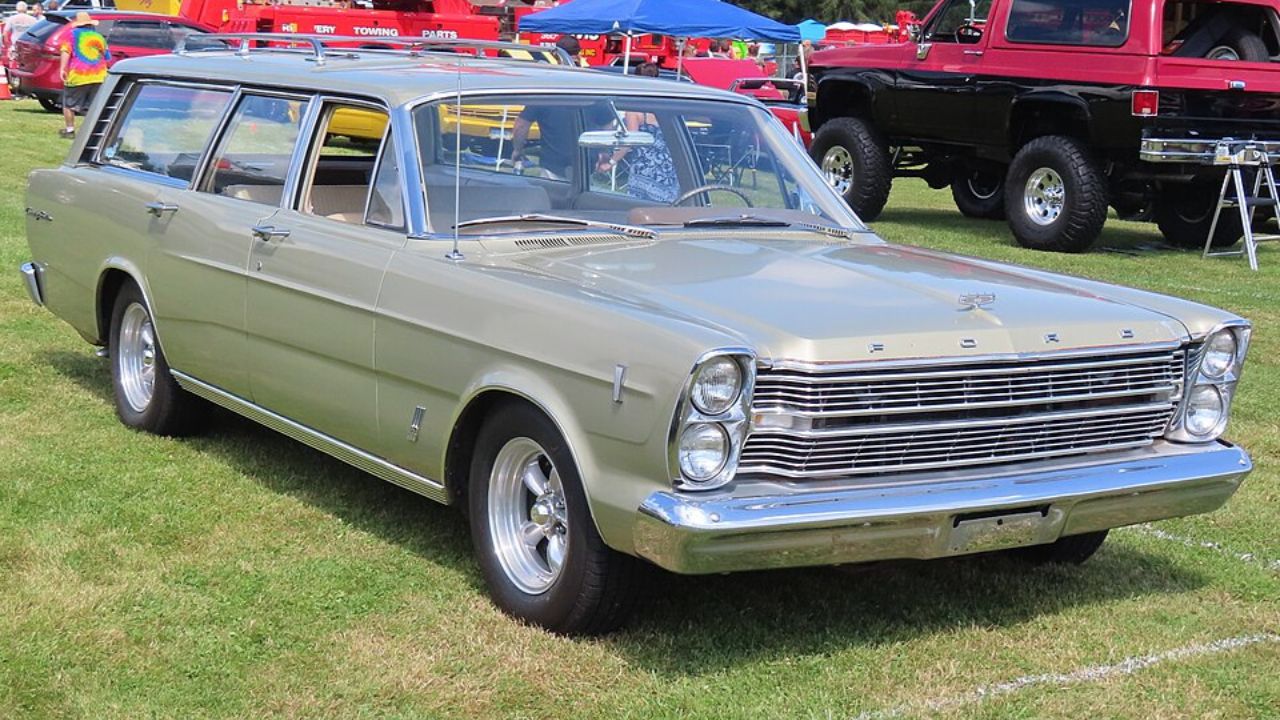
The Country Sedan represented the practical side of Ford’s wagon lineup while still carrying plenty of traditional American style. Its spacious interior and multiple seating configurations made it useful for large families and long trips. Unlike today’s crossovers, it had a genuinely substantial cargo area and a long, low body. Surviving examples capture the straightforward practicality that defined classic American family transportation.
Mercury Colony Park
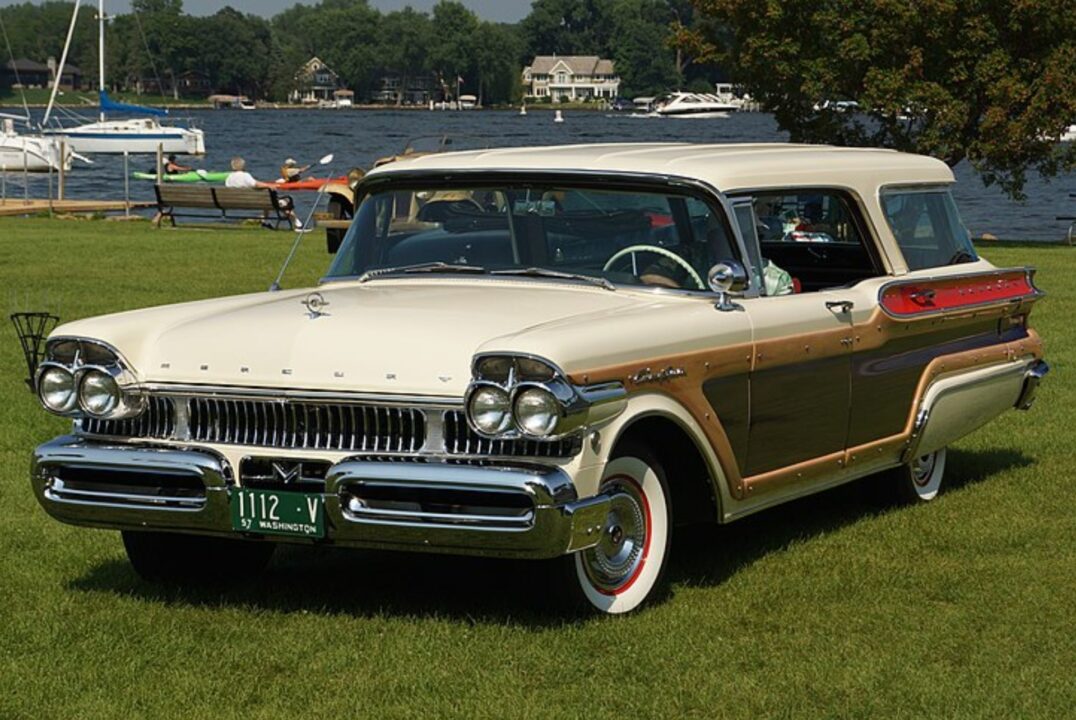
The Colony Park brought Mercury’s upscale personality to the traditional station wagon. Its long body, spacious cabin, and distinctive exterior trim gave it a more luxurious character than an ordinary family hauler. Later examples became especially recognizable for their formal styling and woodgrain appearance. It remains a favorite among enthusiasts who appreciate large American wagons with plenty of personality.
Pontiac Safari
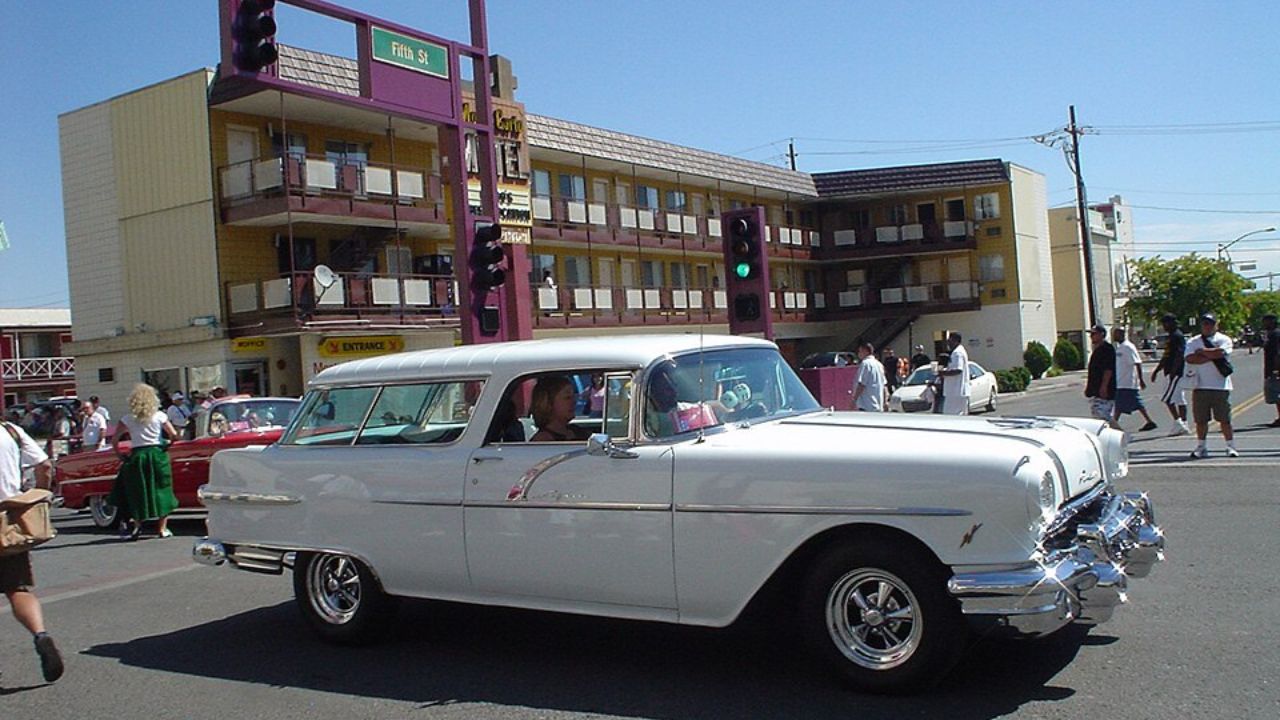
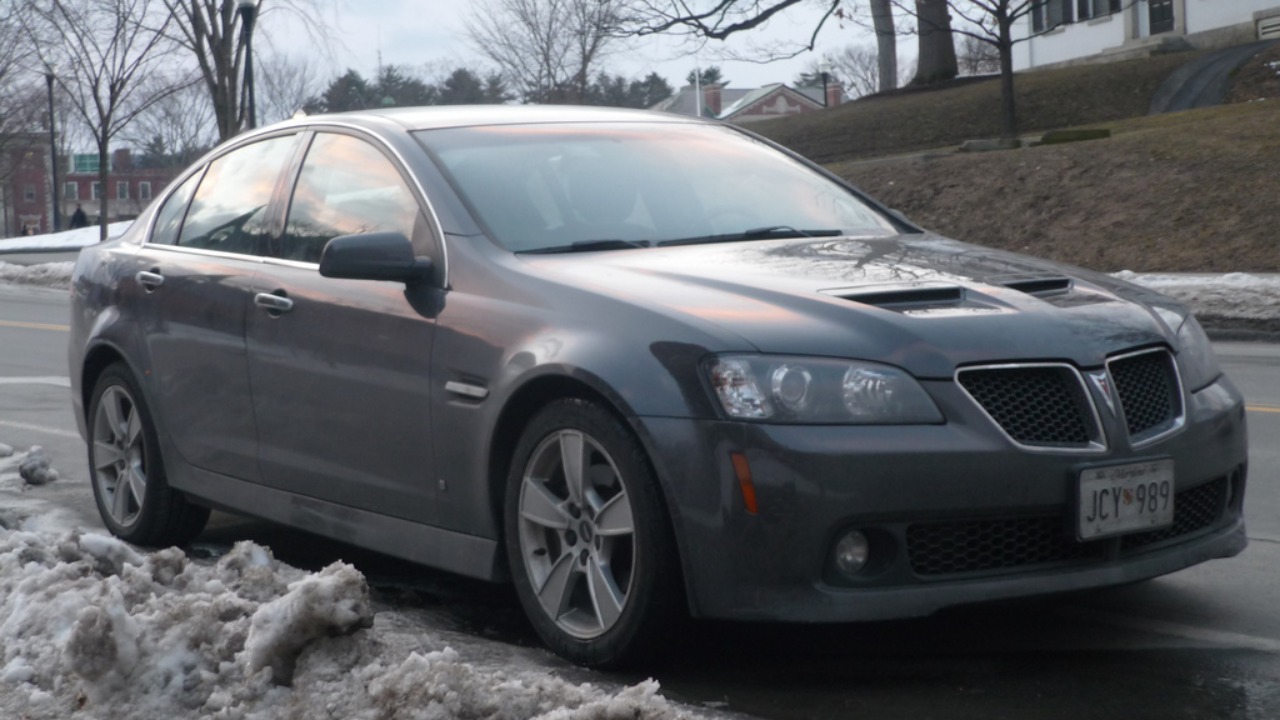
The Safari name appeared on several Pontiac wagons, but the classic versions are particularly memorable for their combination of stylish design and substantial size. Pontiac gave these cars distinctive grilles, sweeping body lines, and plenty of available V8 power. They were family vehicles first, but they never looked anonymous. Today, the Safari represents a period when practical transportation could still have considerable visual character.
Buick Estate Wagon
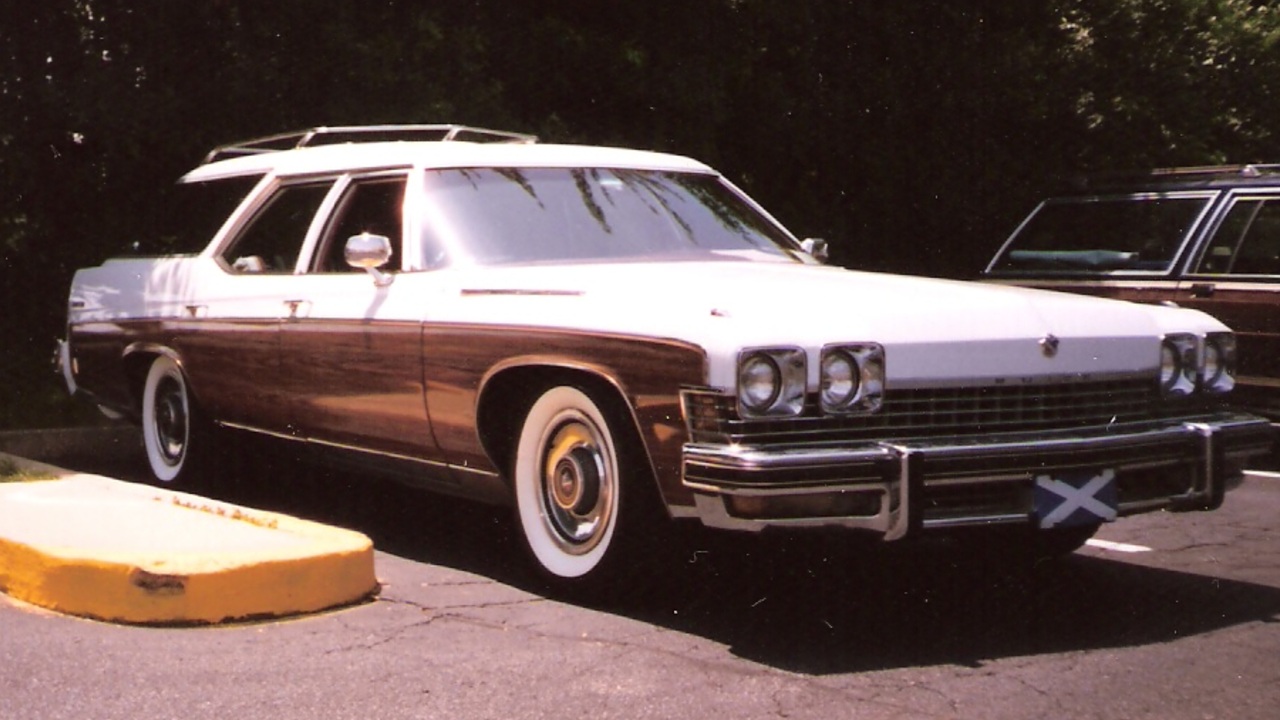
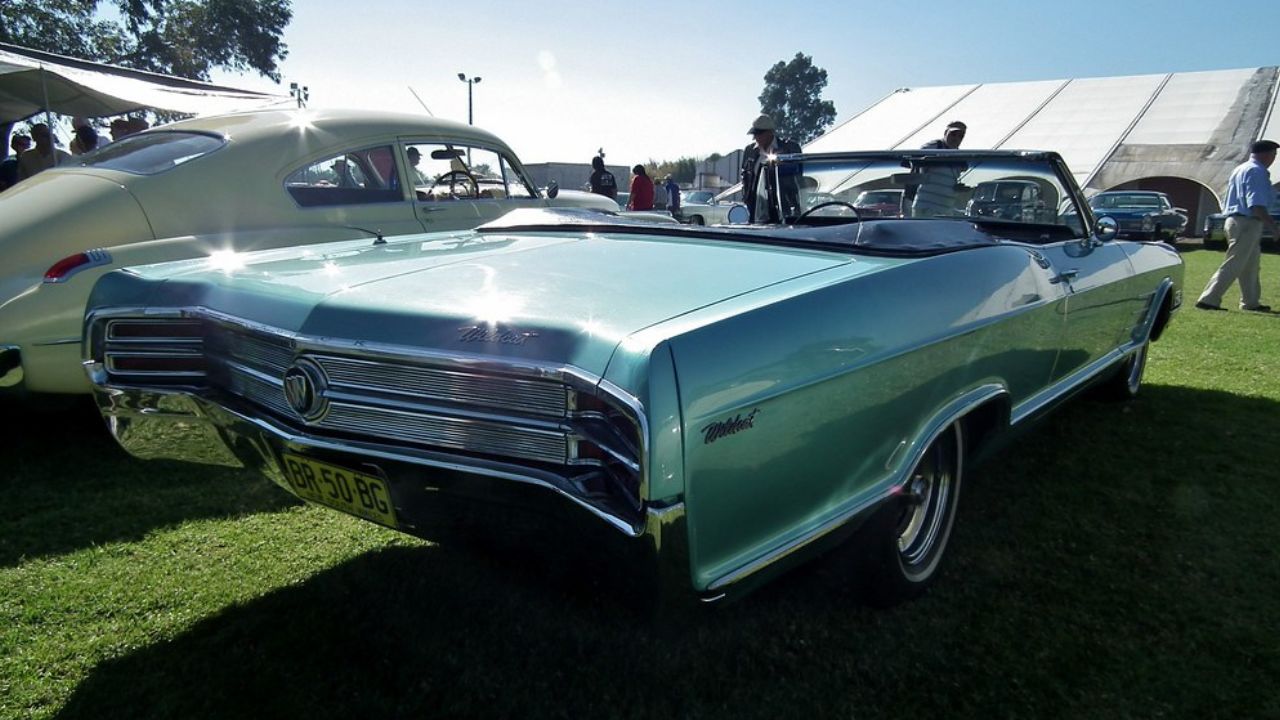
The Buick Estate Wagon delivered the size and comfort expected from a full-size American car while providing the versatility of a station wagon. Its large cabin made it useful for families, while Buick’s softer ride and upscale interior gave it a more refined personality. These wagons were designed for long-distance travel, making them a reminder of when road trips were a major part of American car culture.
Mercury Villager
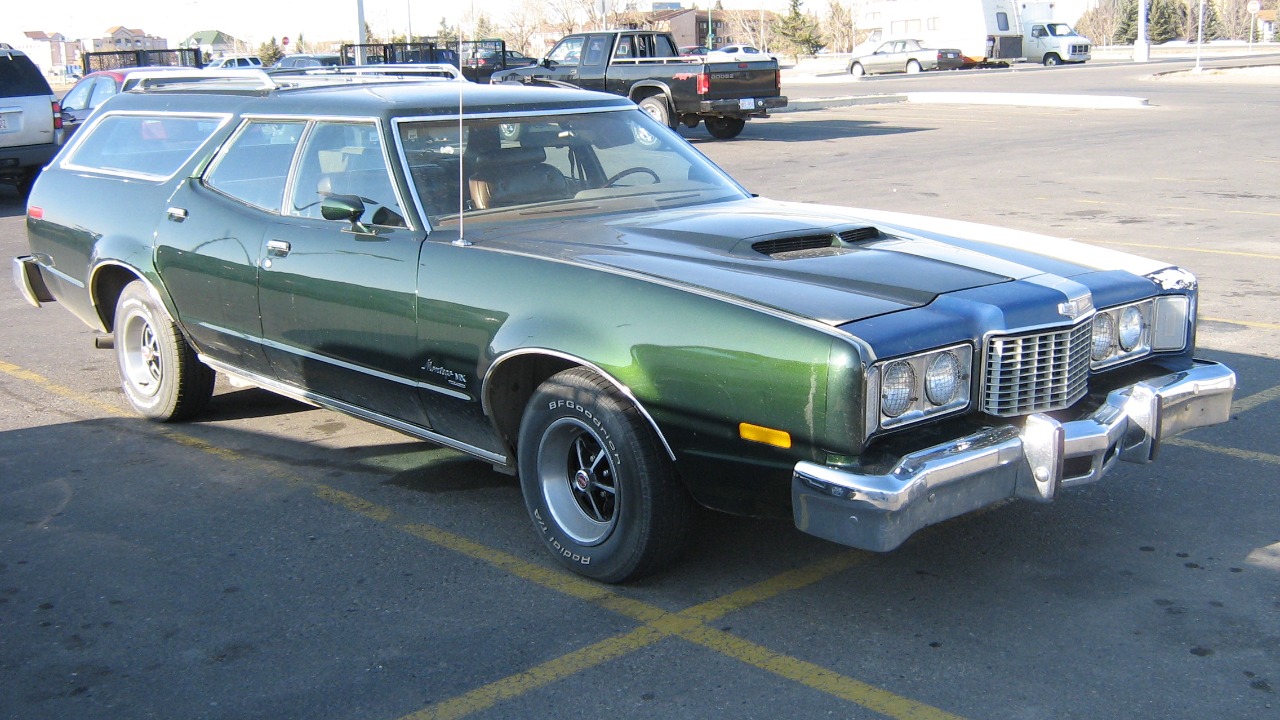
The Mercury Villager brought a more upscale interpretation to the compact wagon market. Its smaller dimensions made it easier to manage than the enormous American wagons of earlier decades, while the interior remained practical for families. It represented the gradual shift toward more efficient family vehicles. Today, clean examples are an interesting reminder of how quickly American wagons changed as consumer preferences evolved.
Ford LTD Country Squire
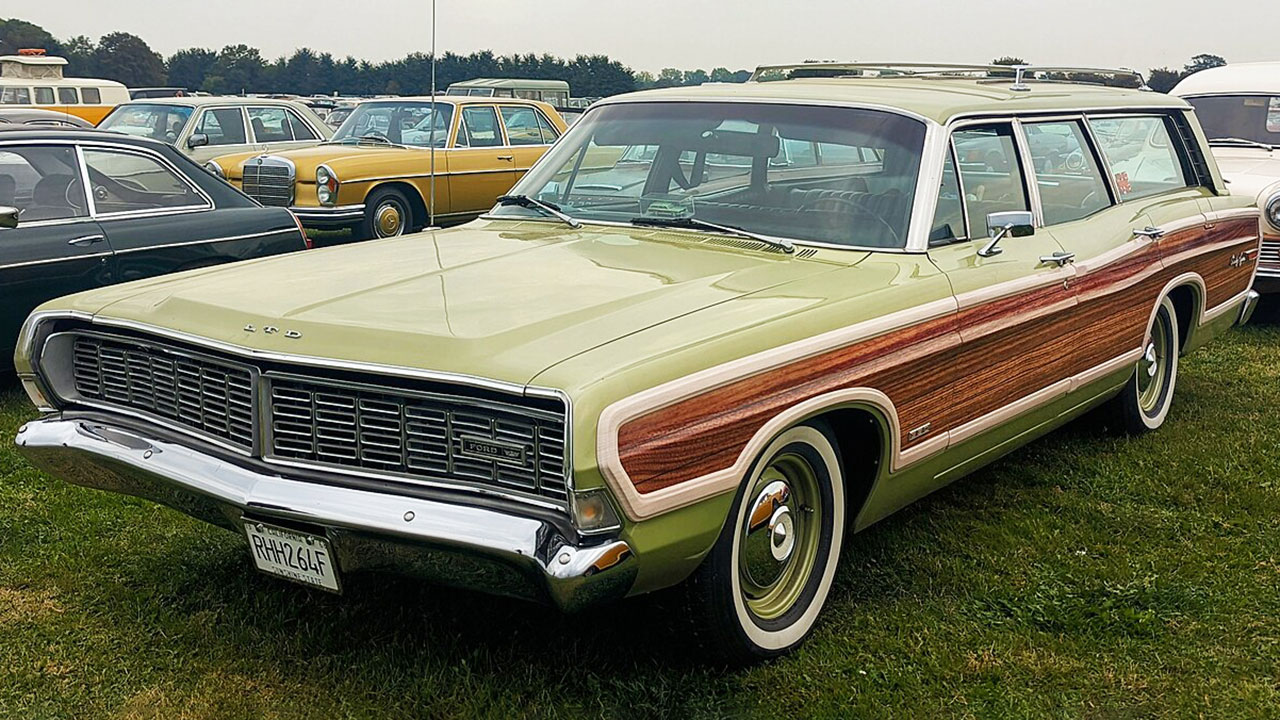
The LTD Country Squire was one of the quintessential large American family wagons. Its enormous interior, long body, and traditional woodgrain appearance made it instantly recognizable. With available V8 power and generous seating, it could handle family vacations, luggage, and everyday errands with ease. The Country Squire remains a powerful symbol of the era when station wagons were central to American family life.
Pontiac Custom Safari
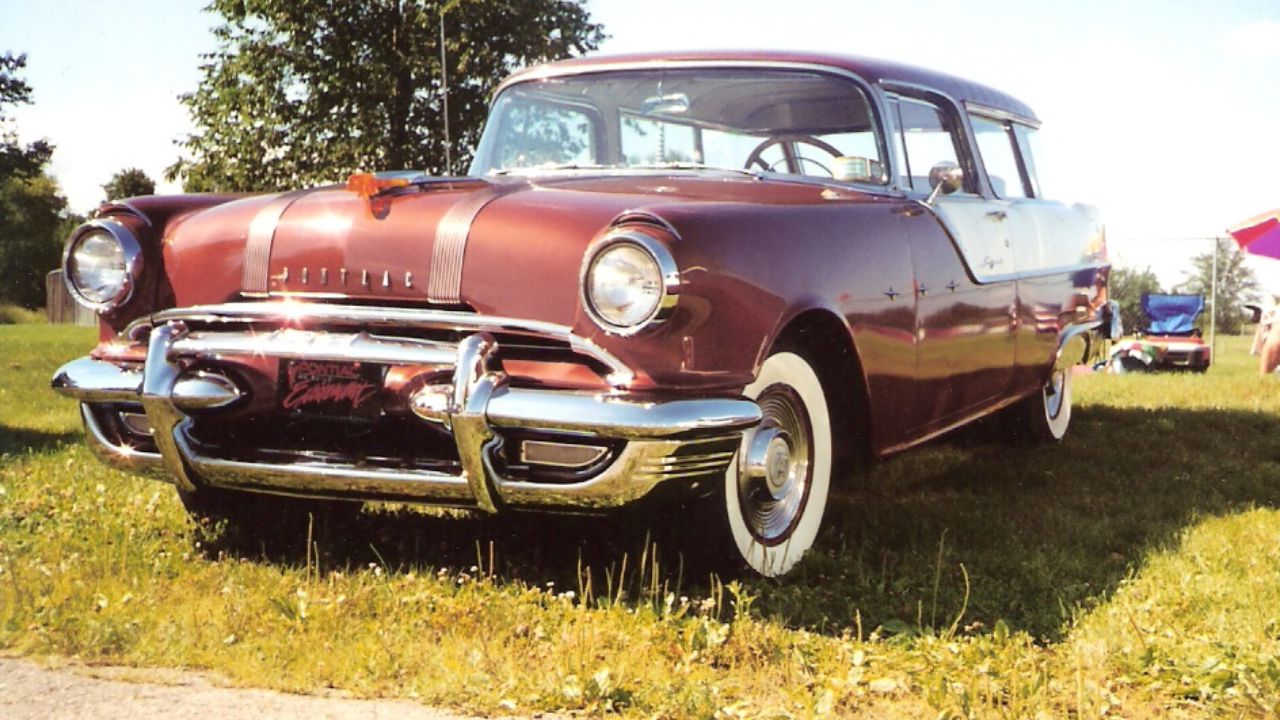
The Custom Safari gave Pontiac buyers a large wagon with a more upscale appearance and plenty of traditional V8 character. Its long roof and substantial dimensions made it practical, while Pontiac’s styling helped keep it from looking like a simple utility vehicle. These cars were built when manufacturers still treated wagons as full-size automobiles rather than simply stretched versions of compact cars.
Chevrolet Caprice Estate
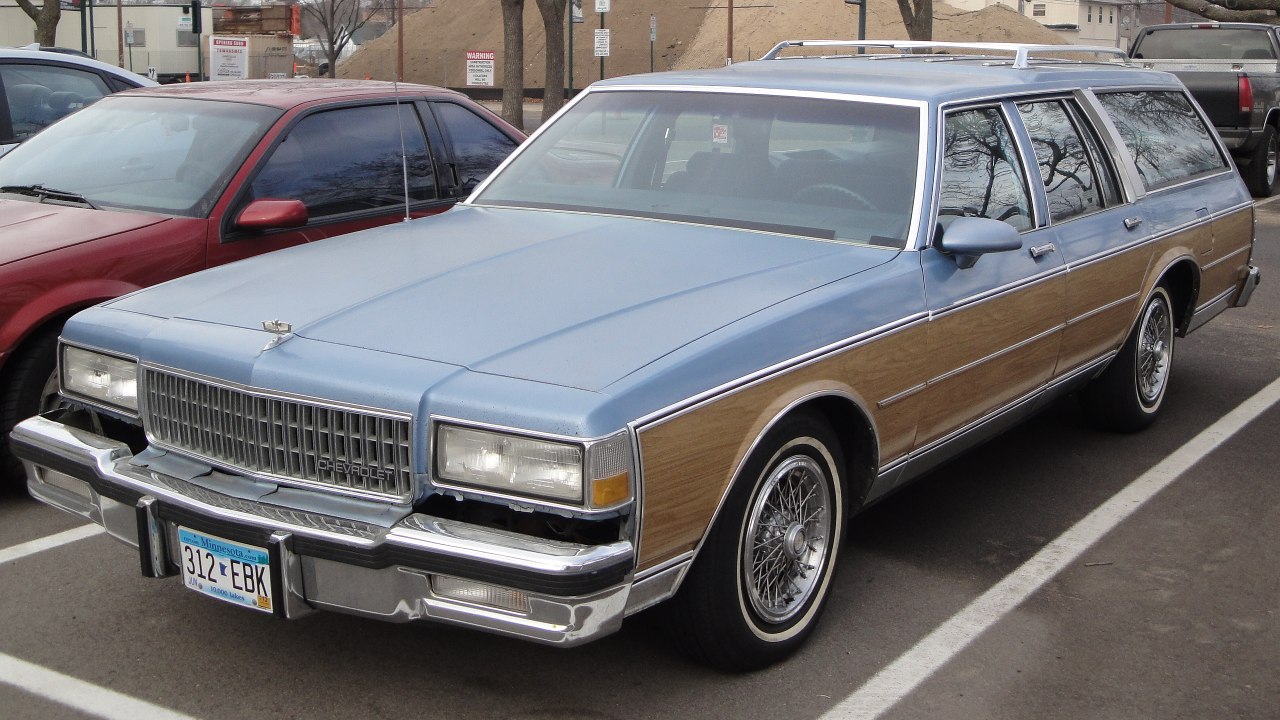
The Caprice Estate combined the comfort of Chevrolet’s full-size sedan with the versatility of a large station wagon. Its spacious cabin and generous cargo area made it ideal for families, while V8 power remained available. The wagon’s formal styling also gave it considerable presence. Today, well-preserved examples appeal to enthusiasts who miss the days when a family car could be both enormous and distinctive.
Ford Gran Torino Wagon
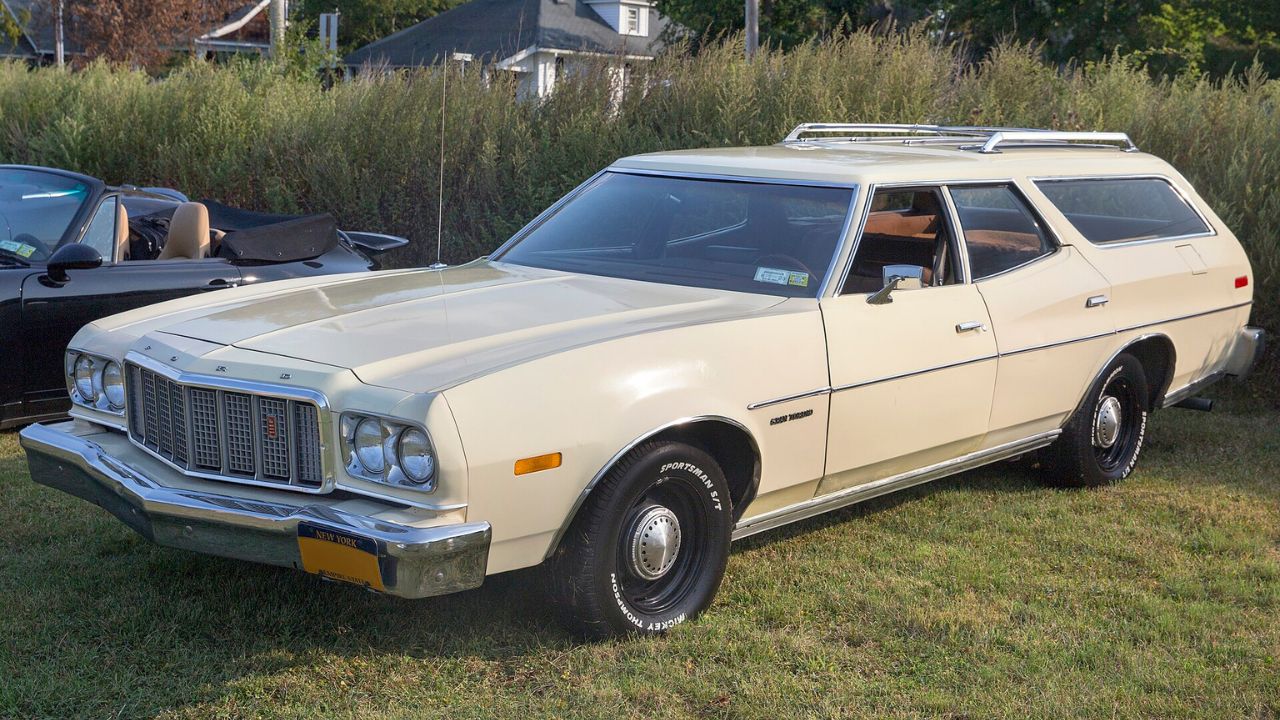
The Gran Torino wagon brought some of the bold styling associated with Ford’s midsize lineup into a practical family package. Its substantial body offered plenty of room, while available V8 engines gave it more authority than modern family vehicles typically provide. The wagon’s connection to the Torino name also gives it added appeal among collectors interested in Ford’s performance-era history.
Chevrolet Kingswood Estate
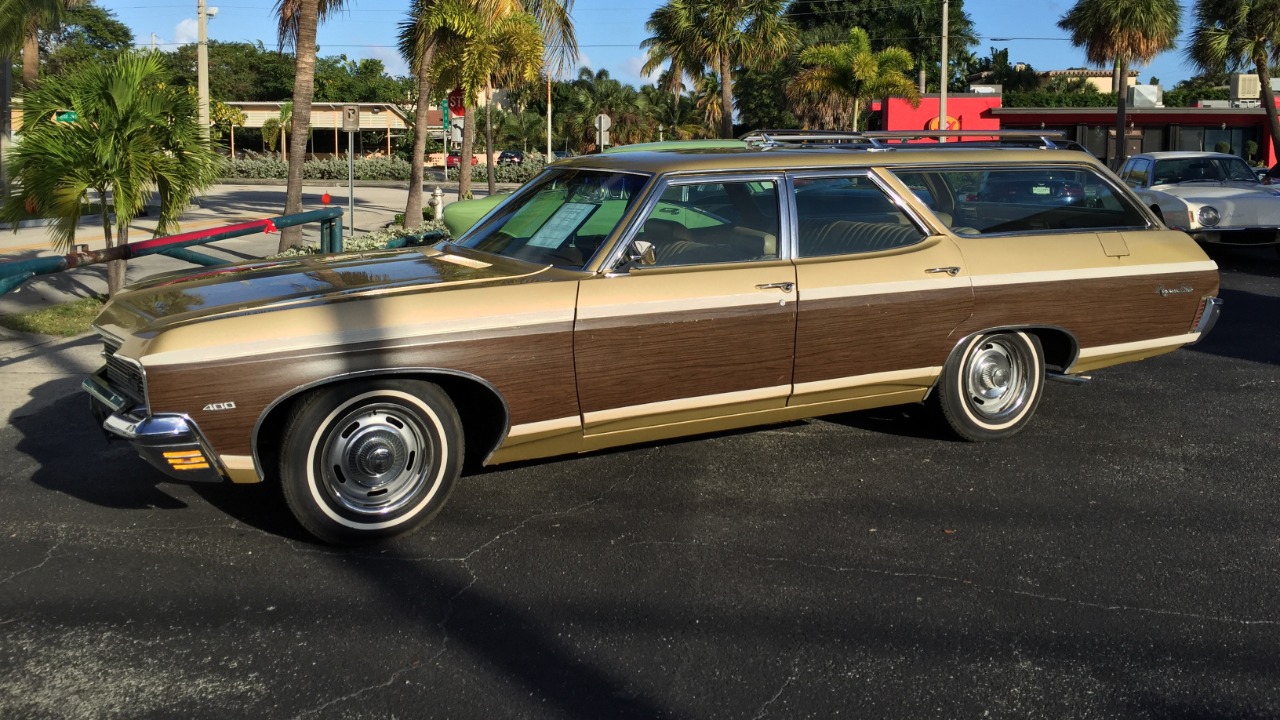
The Kingswood Estate was a large Chevrolet wagon built around the idea that bigger was better. Its long body provided substantial passenger and cargo capacity, while available V8 engines made highway travel effortless. The car’s size and traditional American styling are difficult to replicate today. For collectors, it represents the peak of the full-size family wagon before smaller vehicles began taking over.
Buick Sport Wagon
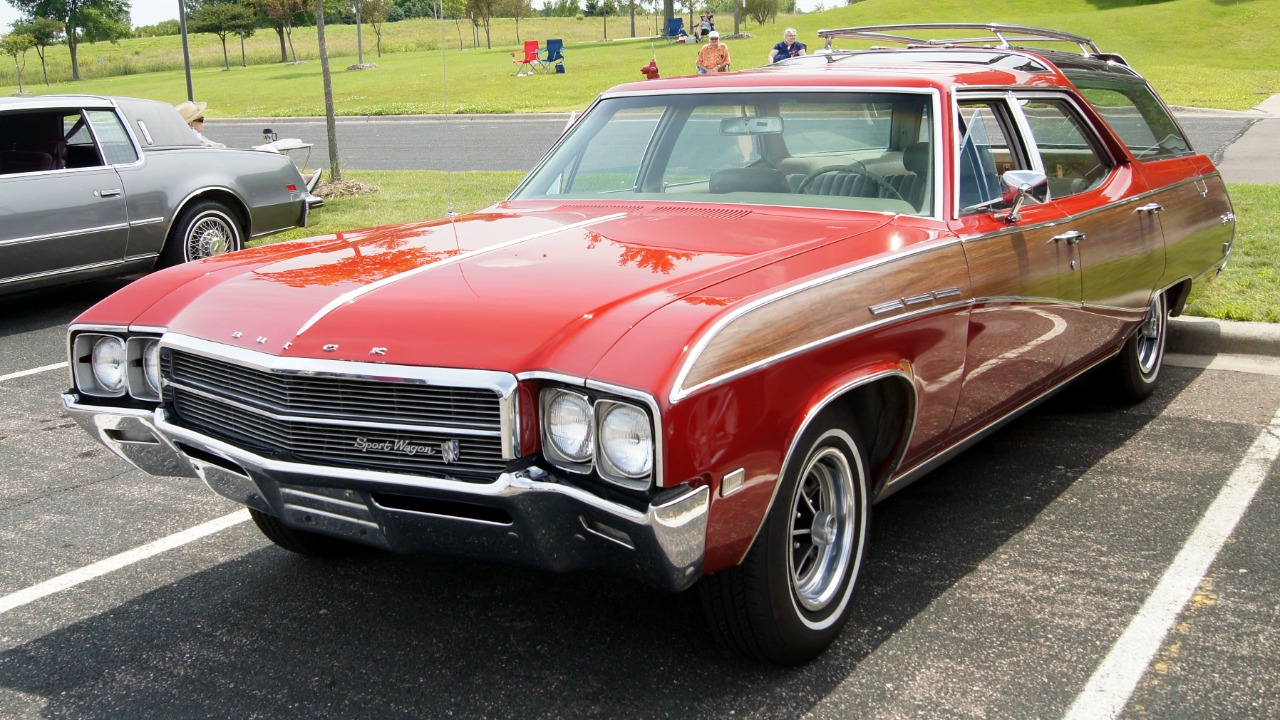
The Buick Sport Wagon was a more unusual take on the traditional station wagon. Its distinctive roof design and upscale presentation helped separate it from ordinary family transportation. Buick offered useful space without completely abandoning style, creating a wagon with a surprisingly individual personality. Its relative rarity today makes it especially interesting to collectors looking beyond the better-known full-size American wagons.
Oldsmobile Vista Cruiser
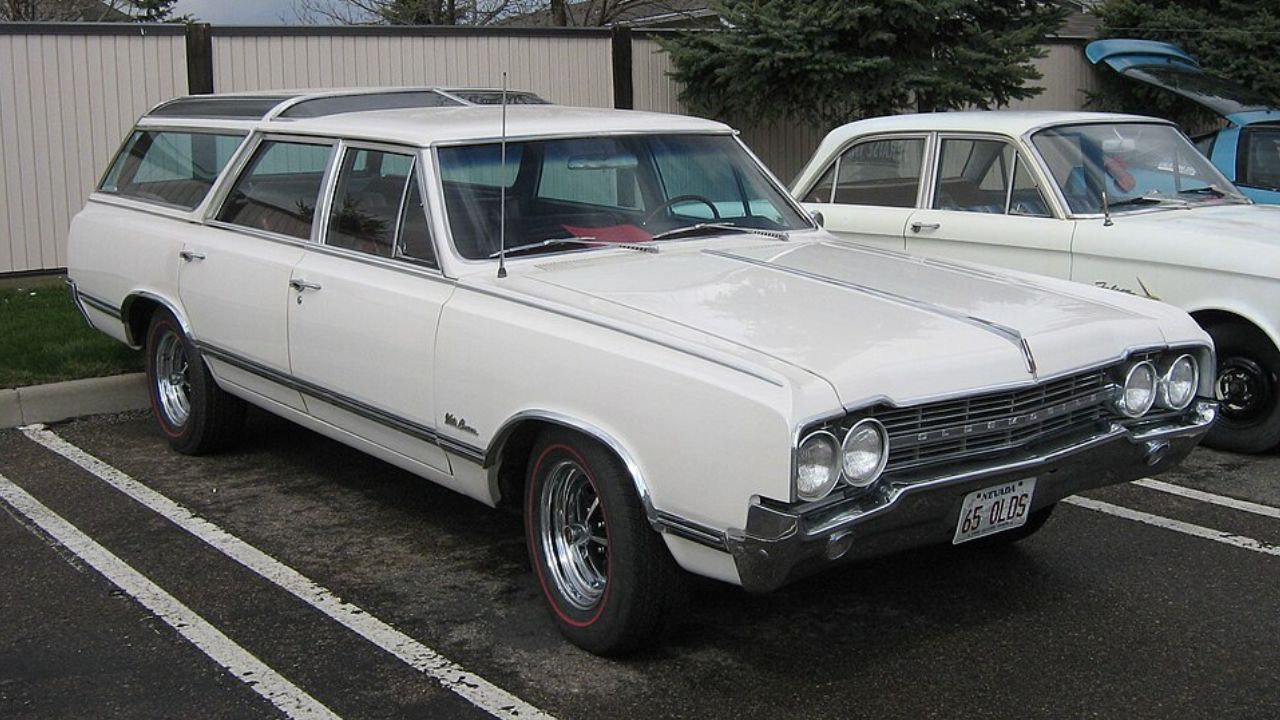
The Vista Cruiser became famous for its distinctive raised-roof design and unusual side windows. That configuration gave passengers additional visibility while creating one of the most recognizable wagon silhouettes of its era. The spacious interior made it genuinely useful for families, while available V8 engines provided plenty of traditional American power. Its distinctive roof remains its biggest claim to fame.
Ford Falcon Wagon
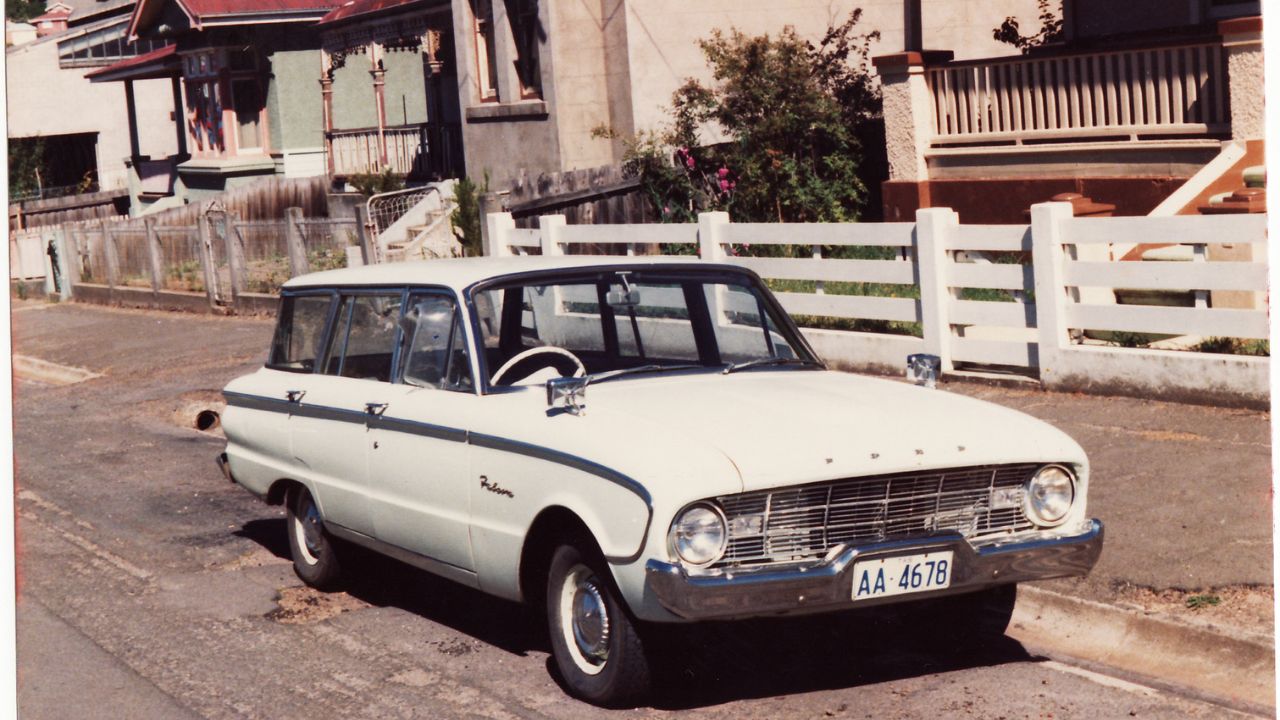
The Falcon wagon offered compact dimensions at a time when many American family cars were becoming increasingly large. Its simple mechanical layout, modest size, and practical interior made it a sensible choice for buyers who wanted wagon versatility without a massive full-size body. Today, the Falcon wagon is appealing because of its clean proportions and connection to an important period in Ford’s history.
Chevrolet Nomad Wagon
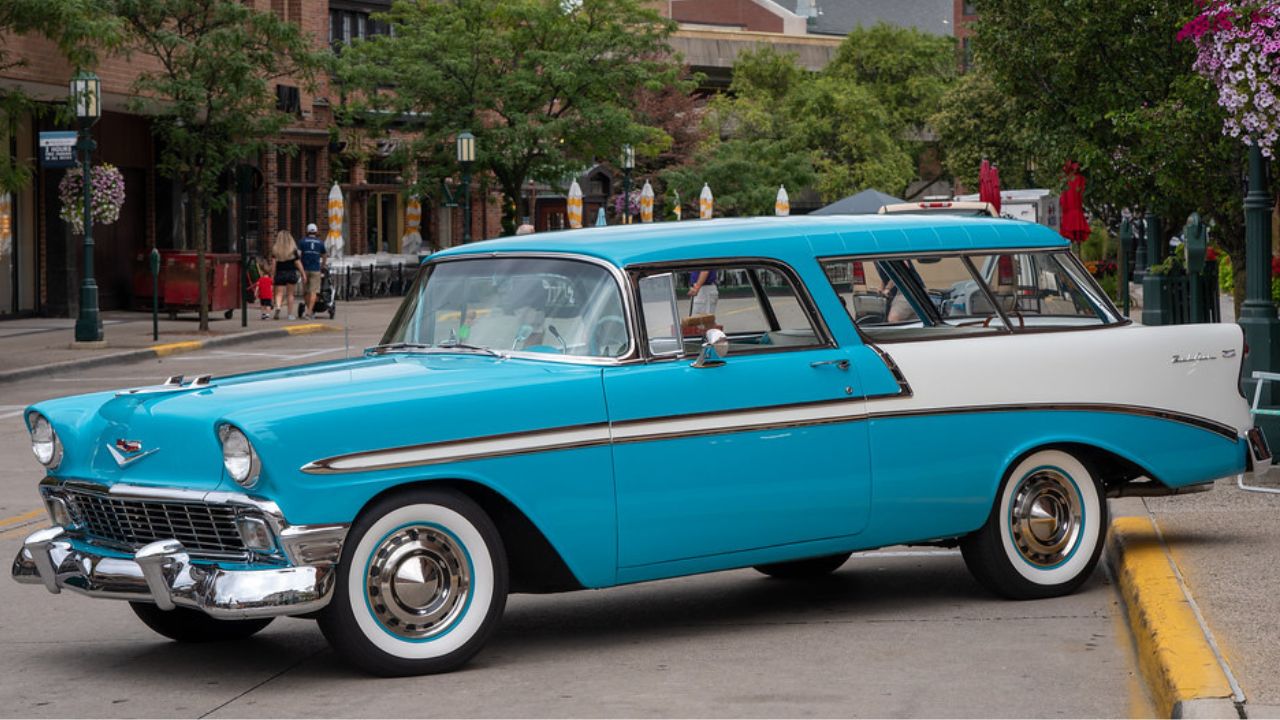
Later Nomad versions moved away from the original two-door performance-oriented concept and became part of Chevrolet’s broader wagon lineup. Even so, the Nomad name retained a certain sense of style and distinction. These wagons offered generous passenger and cargo space while carrying more visual personality than many ordinary family cars. Their relative scarcity today makes them an interesting alternative to more common Chevrolet wagons.
Ford Fairlane Station Wagon
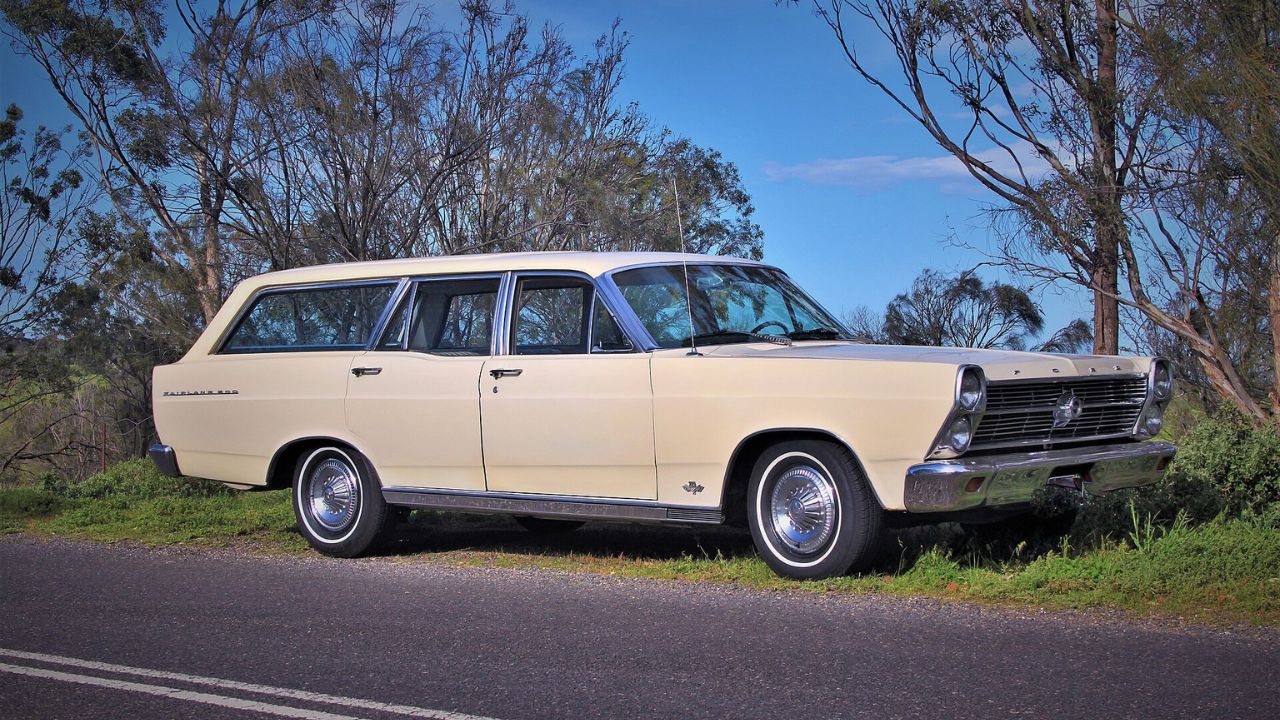
The Fairlane wagon combined midsize practicality with the increasingly dramatic styling of 1950s Ford. Its generous glass area and spacious cabin made it useful for families, while distinctive trim gave it plenty of period character. The wagon also reflects a time when Ford could offer several different sizes and configurations without relying on today’s standardized crossover formulas.
Chevrolet Brookwood
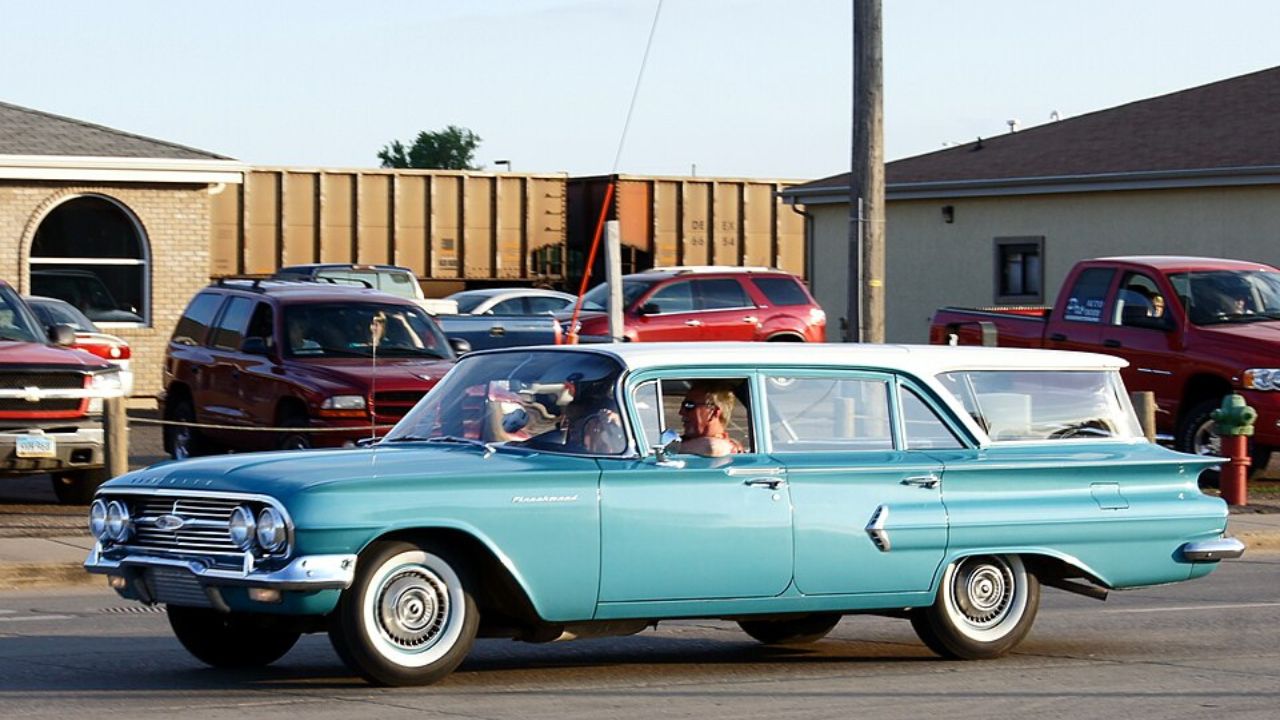
The Brookwood was Chevrolet’s more practical station-wagon offering, positioned below the brand’s upscale wagon models. It provided substantial space without requiring buyers to spend as much as they might on a premium full-size model. V8 engines were available, making it more capable than its practical image suggested. Today, the Brookwood is a charming example of Chevrolet’s broad wagon lineup.
Pontiac Tempest Safari
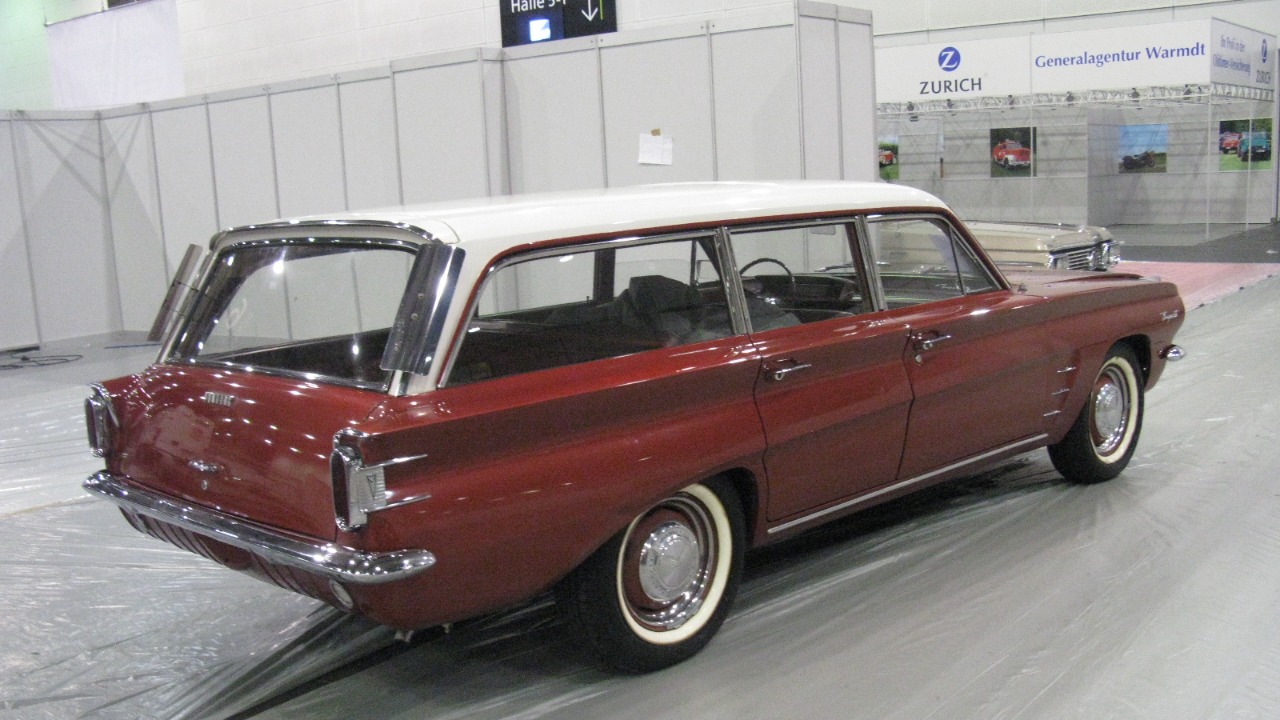
The Tempest Safari brought wagon practicality to Pontiac’s compact lineup. Its smaller footprint made it easier to handle than the brand’s larger wagons, while the design retained Pontiac’s sporty personality. It was an interesting alternative for families who wanted useful cargo space without moving into a huge full-size vehicle. Clean examples are increasingly uncommon and provide a fascinating look at early compact American wagons.
Dodge Coronet Wagon

The Coronet wagon combined Dodge’s muscular styling with the practical shape of a family hauler. Depending on configuration, buyers could get substantial V8 power while still having room for passengers and cargo. That combination made these wagons surprisingly versatile. Today, a clean Coronet wagon stands out because it blends the visual attitude of a classic Dodge with the practicality of a traditional family car.
Plymouth Fury Station Wagon
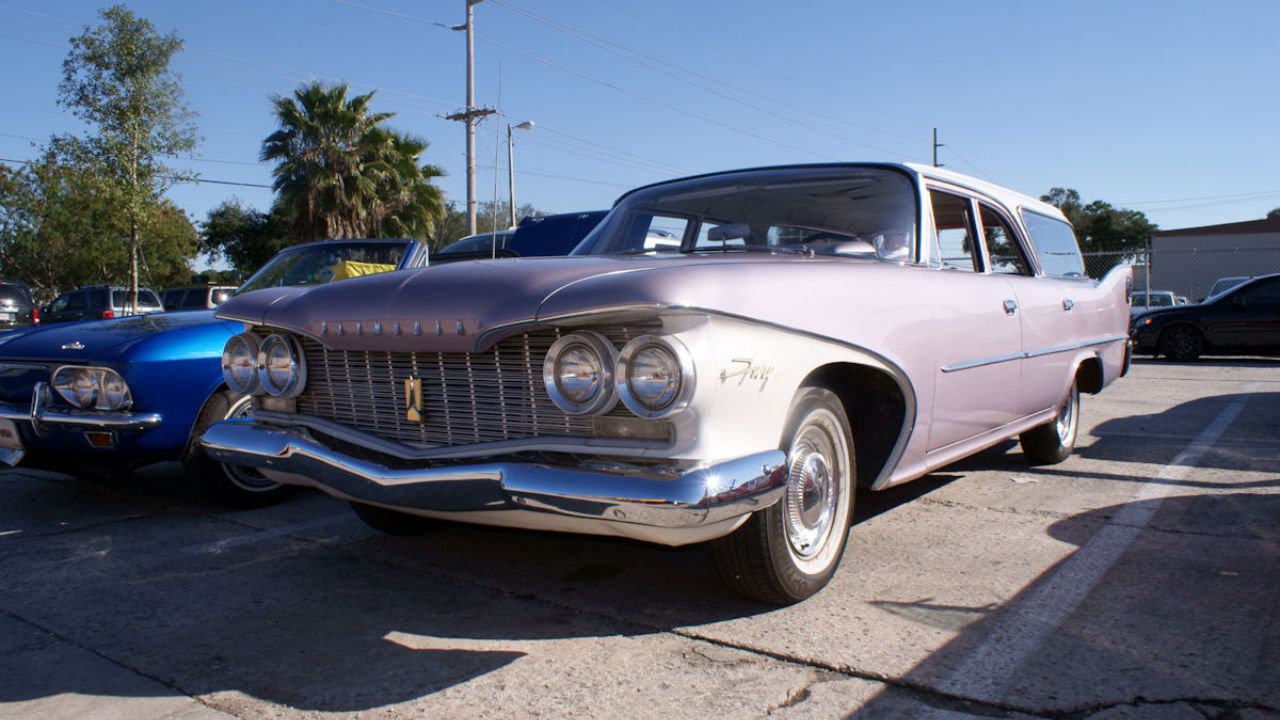
The Fury station wagon represented the full-size American family car in its most practical form. Its broad body, spacious interior, and available V8 engines made it well suited to long trips and heavy family use. The styling changed considerably over the years, but the basic formula remained familiar. These wagons now offer collectors a direct connection to an era when family transportation was unapologetically large.
More from Fast Lane Only
- Unboxing the WWII Jeep in a Crate
- 15 rare Chevys collectors are quietly buying
- 10 underrated V8s still worth hunting down
- Police notice this before you even roll window down
*Research for this article included AI assistance, with all final content reviewed by human editors.