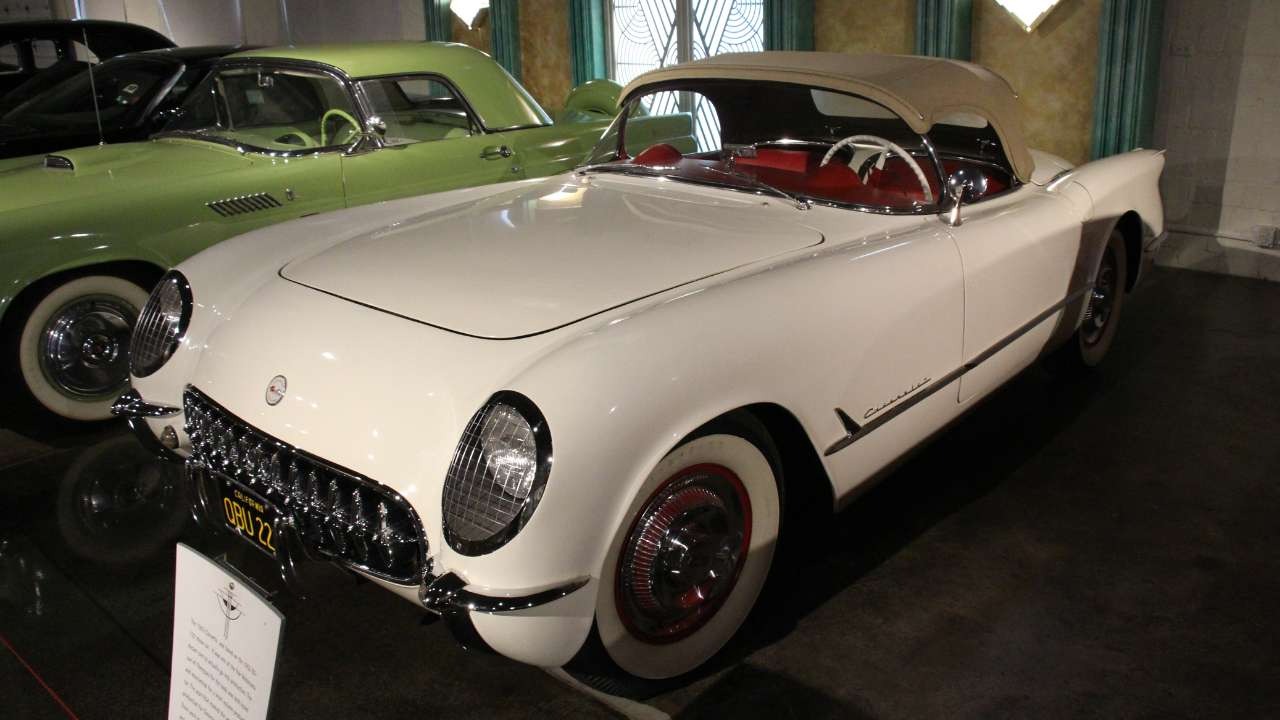
The 1953 Corvette arrived as a bold experiment, a fiberglass two seater in a country still obsessed with chrome laden sedans and workhorse pickups. Yet within just a couple of years, the car that was supposed to signal a new direction for Chevrolet came perilously close to being written off as an expensive mistake. I want to trace how that early misfire happened, and why the Corvette survived when so many inside General Motors were ready to pull the plug.
From Motorama fantasy to rushed reality
The story really starts in Manhattan, where Chevrolet used General Motors’ Motorama show to unveil a low slung roadster that looked more like a European sports car than anything in its showrooms. That dream car, displayed under bright lights and surrounded by concept machinery, generated enough buzz that executives greenlit a production version even though the company had never built anything like it before, a leap that is still celebrated by the National Corvette Museum. It all began in Manhattan as a piece of rolling theater, not as a carefully costed business case.
Once the applause faded, the hard part started, and Chevrolet had to turn that showpiece into something it could actually sell. The Chevrolet Corvette, later known as the C1, was pushed into production quickly, with a fiberglass body and a layout that owed more to styling flair than to engineering conservatism, a point that is clear in the detailed history of the Chevrolet Corvette (C1). In the rush to capitalize on Motorama excitement, the company accepted compromises that would haunt those first cars.
A sports car in a land of sedans and trucks
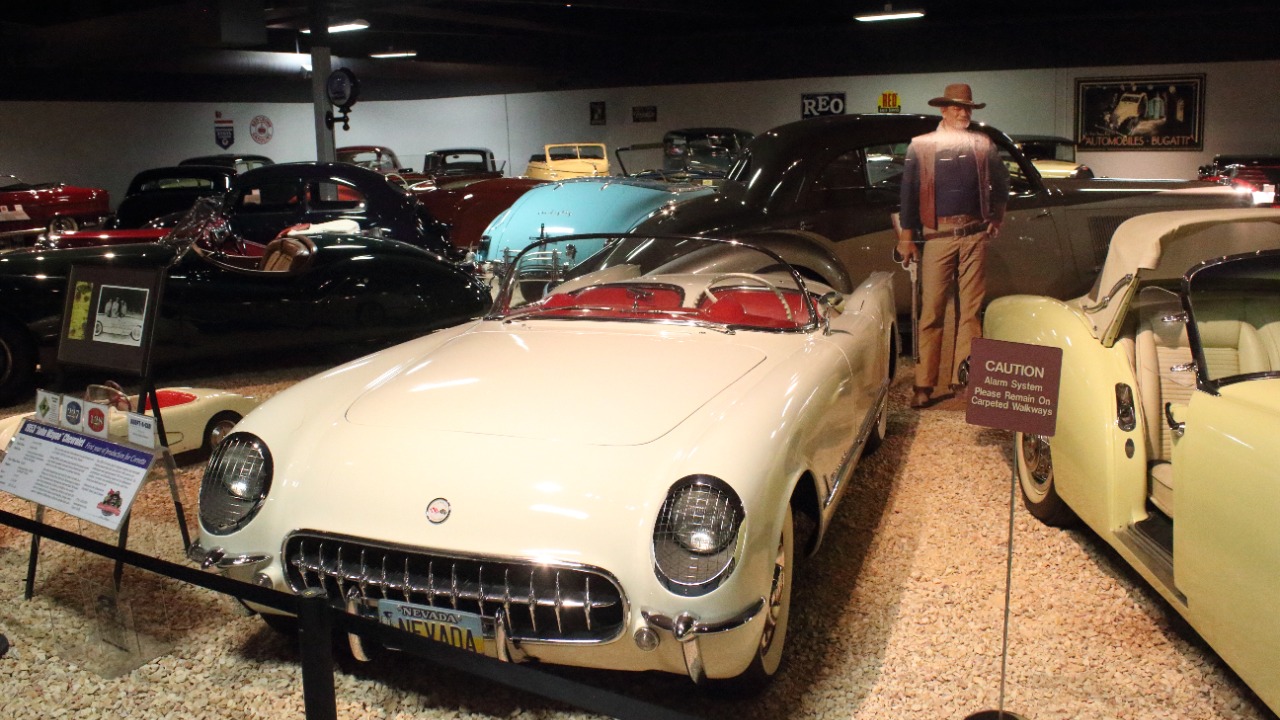
Even if the 1953 Corvette had been flawless, it was swimming against the cultural current. Americans were still in love with big sedans and workhorse trucks, and the idea of paying a premium for a small two seater that was not especially loud or practical was a tough sell, a tension that comes through in period retrospectives like the video that calls out how Sep and other enthusiasts saw the car in context of postwar tastes in American car culture. I see that mismatch every time I look at the early sales figures, which never came close to matching the hype that surrounded the Motorama prototype.
Chevrolet also struggled to explain exactly what the Corvette was supposed to be. It was not a family car, it was not a truck, and it did not yet have the raw performance to win over hardcore racers, which left it stranded between categories. A later breakdown of those early years notes that the Model description for the mid decade cars still had to reassure buyers that General Motors was committed to the project, even as it admitted that the company had seriously considered shelving the Corvette after two slow initial sales years, a reality captured in the Model description for the 1955 Chevrolet Corvette Base.
High price, soft performance, and bad timing
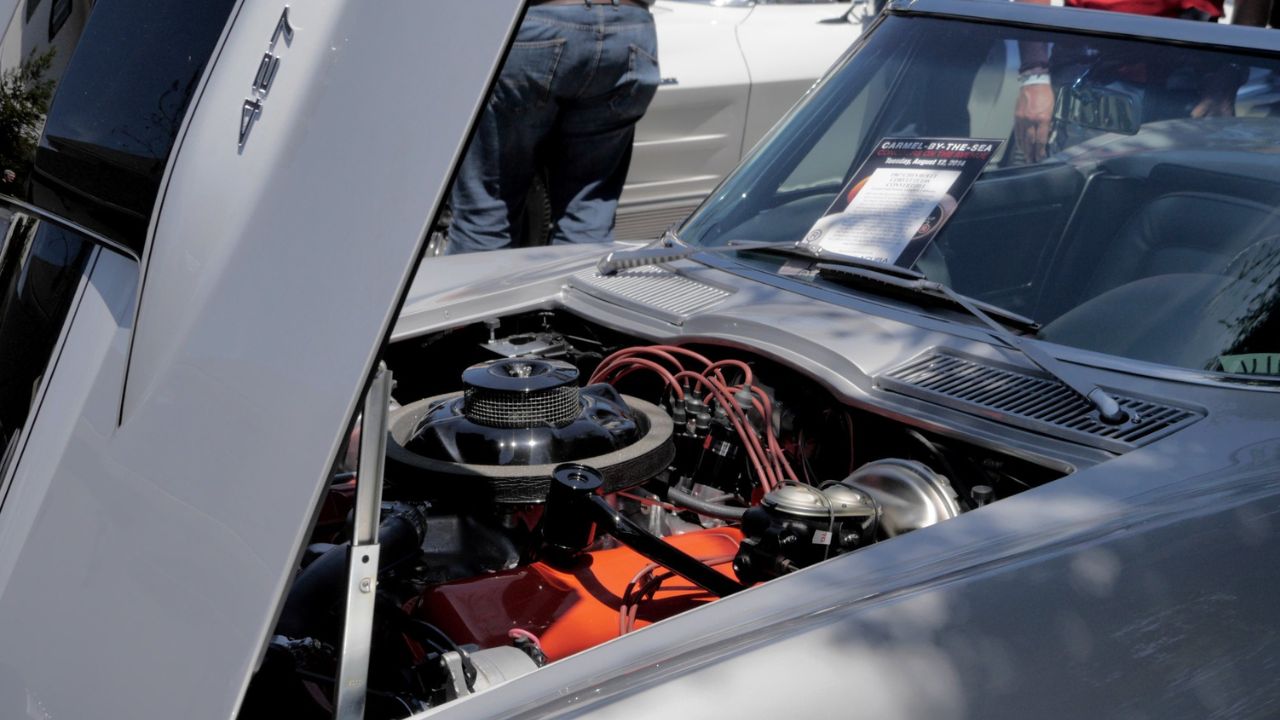
On paper, the 1953 Corvette looked exotic, but under the hood it relied on familiar Chevrolet hardware that did not live up to the styling. Legendary chief Chevrolet engineer Ed Cole reworked the company’s so called stove bolt inline six into a higher output unit, yet even that effort could not hide the fact that the early cars were more boulevard cruisers than true performance machines, a compromise that later analysts of Ed Cole’s engineering push have highlighted. When I compare those specs to what enthusiasts expected from European rivals, it is easy to see why some test drivers came away underwhelmed.
Price and positioning made the problem worse. The Rearview Mirror column that revisits The First, and Nearly Last, Chevrolet Corvette points out that a high price, bad marketing and underwhelming power left dealers with cars they could not move, even though the whole saga had started as a glamorous Manhattan debut, a contradiction laid out in the account of The First, and Nearly Last, Chevrolet Corvette. In my view, that combination of sticker shock and modest performance is what turned early curiosity into buyer hesitation.
When General Motors nearly pulled the plug
Following mixed reviews and slow sales, the Corvette program was nearly shelved by General Motors, which had little patience for a halo car that was not paying its way. One detailed FAQ on the early years spells this out bluntly, explaining that Following those disappointing results, the Corvette (Chevrolet Corvette) was on the chopping block inside General Motors, a precarious moment captured in the C1 FAQ that also notes how the Ford Thunderbird loomed as a rival. Reading that, I can almost feel the tension in those boardrooms as executives weighed pride against profit.
Other historians go further and describe how some inside General Motors were ready to send the Corvette out to pasture entirely, treating it as a short lived experiment rather than a core product. One analysis of why GM almost killed Corvette recounts how the combination of slow sales, internal skepticism and the arrival of the Ford Thunderbird pushed decision makers to the brink, a narrative that is echoed in the broader look at why GM almost killed Corvette. When I put those threads together, the picture that emerges is of a car that survived as much through stubbornness and timing as through early commercial success.
The turning point that saved America’s sports car
What ultimately saved the Corvette was a mix of engineering evolution and a growing sense that Chevrolet needed a true sports car to match its image. A later video retrospective on the 1953 Corvette frames that first car as the one that changed America forever, even if most people think they know the story already, and it reminds viewers that Aug and other enthusiasts now see those early missteps as part of a larger arc in which Chevrolet finally delivered the performance the styling promised, a point underscored in the look back at how Chevrolet decided to build a sports car that would change America. From my perspective, that shift from showpiece to serious machine is what turned a near failure into a foundation.
Behind the scenes, the company also learned from its own history, including the fate of the very first production car. One account of the original Corvette notes that the first example was believed destroyed but was later rediscovered, a twist that appears in the section titled Why in the same C1 FAQ. To me, that rediscovery mirrors the way the brand itself clawed back from the brink, turning what could have been a forgotten footnote into the opening chapter of a story that still resonates with enthusiasts today.
More from Fast Lane Only: