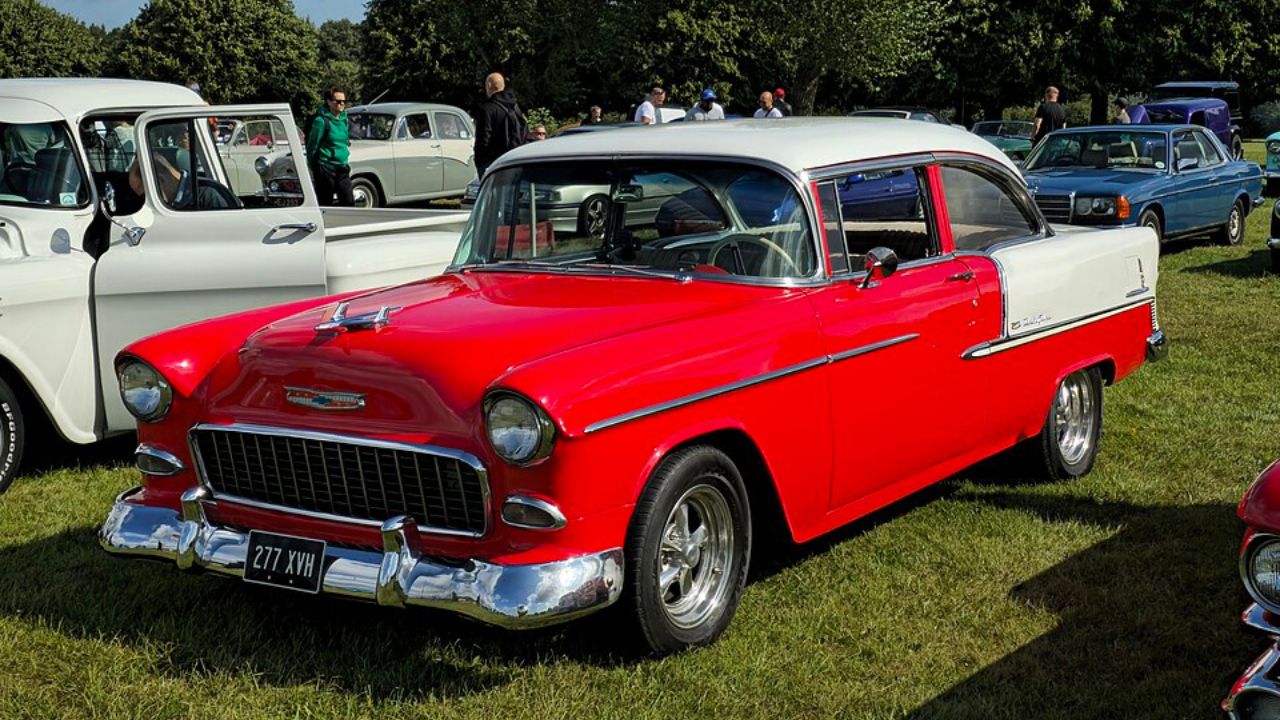
The 1955 Chevrolet Bel Air was one of America’s best-selling automobiles, but few could have predicted the extraordinary legacy it would develop in Cuba. While the car enjoyed widespread popularity throughout North America, unique historical events allowed thousands of mid-century American automobiles to remain on Cuban roads for decades. As a result, the Bel Air became far more than a classic car—it evolved into one of the country’s most recognizable automotive symbols.
Cuba Was a Major Market for American Cars
During the 1950s, Cuba imported large numbers of American automobiles. Its close economic relationship with the United States made Chevrolet, Ford, Buick, and other Detroit brands common sights in cities such as Havana.
The 1955 Bel Air appealed to Cuban buyers for the same reasons it attracted Americans. It offered modern styling, a comfortable interior, dependable mechanicals, and the option of Chevrolet’s new small-block V8. Families, business owners, and professionals embraced the model, making it one of the many American cars that became woven into everyday Cuban life.
At the time, few owners imagined that these vehicles would remain in regular use for generations.
History soon gave the Bel Air an entirely unexpected future.
Political Changes Froze an Automotive Era
Following the Cuban Revolution and the subsequent U.S. trade embargo in the early 1960s, importing new American automobiles and replacement parts became extremely difficult. Instead of replacing aging vehicles, owners repaired and maintained the cars they already had.
The Bel Air proved especially well suited to this challenge. Its relatively straightforward mechanical design allowed skilled mechanics to keep it running using locally fabricated parts, rebuilt components, and creative engineering solutions. Many cars received replacement engines, transmissions, or suspension parts from other manufacturers as owners adapted them to changing circumstances.
Rather than disappearing, the Bel Air became a lasting part of Cuba’s transportation system through necessity and ingenuity.
Its survival reflected remarkable resourcefulness more than simple nostalgia.
The Bel Air Became a Cultural Landmark
As decades passed, brightly painted 1950s Chevrolets became closely associated with Cuba’s identity. The 1955 Bel Air, with its chrome accents and distinctive styling, became one of the most photographed automobiles in the country.
Visitors from around the world admired the sight of beautifully maintained classic American cars driving through historic streets. Many Bel Airs found new roles as taxis, family vehicles, or cars used for sightseeing tours, allowing them to continue serving practical purposes while also becoming cultural attractions.
The vehicle gradually came to represent resilience, craftsmanship, and the ability of owners to preserve machinery under extraordinary circumstances.
Its enduring presence turned an ordinary production car into an international icon.
A Legacy Built Through Preservation
Today, the 1955 Chevrolet Bel Air remains one of the classic American cars most closely linked with Cuba. While many examples have been restored or carefully maintained, others continue operating with a fascinating mix of original components and later mechanical adaptations that reflect decades of inventive repairs.
Collectors worldwide admire these Cuban Bel Airs not only for their appearance but also for the remarkable stories they represent. They stand as reminders of how historical events can shape the destiny of an automobile long after it leaves the factory.
Looking back, the 1955 Chevrolet Bel Air became unexpectedly popular in Cuba because circumstances transformed it from a stylish new family car into a lasting symbol of perseverance. Kept alive by generations of skilled owners and mechanics, it continues to embody both the golden age of American automobiles and the remarkable ingenuity of the people who refused to let it disappear.
More from Fast Lane Only
- Unboxing the WWII Jeep in a Crate
- 15 rare Chevys collectors are quietly buying
- 10 underrated V8s still worth hunting down
- Police notice this before you even roll window down
*Research for this article included AI assistance, with all final content reviewed by human editors