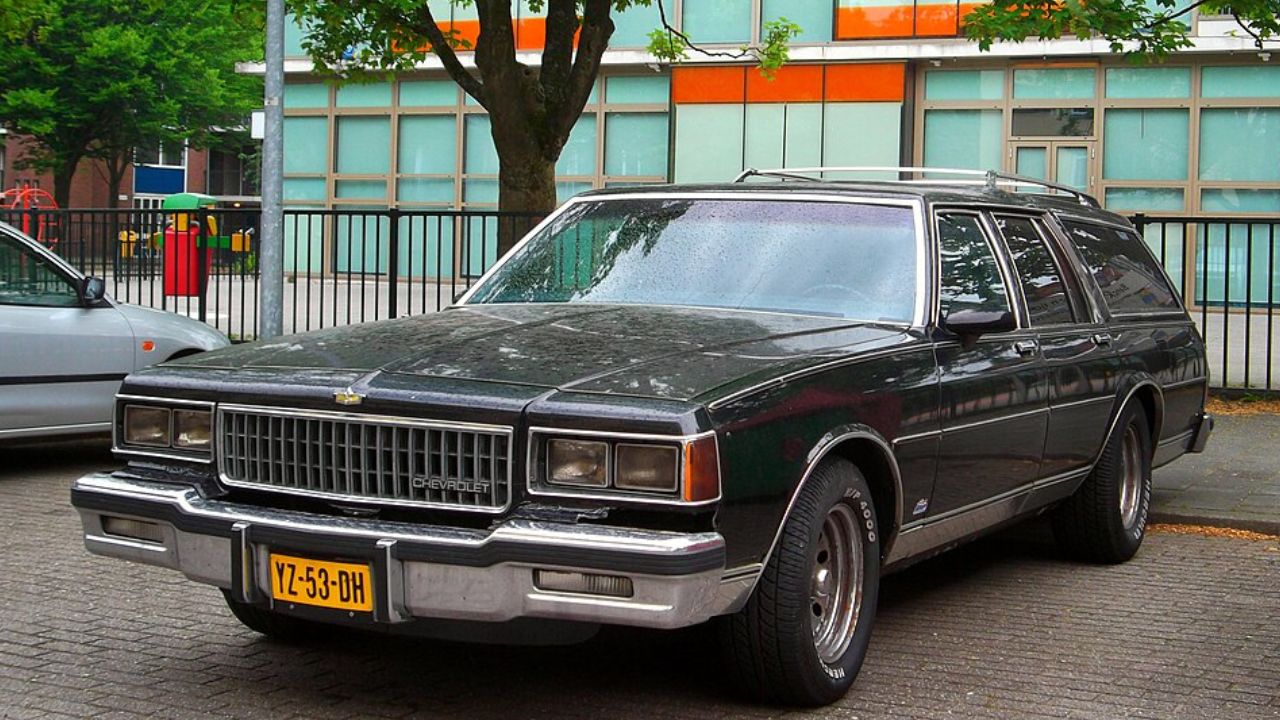
American station wagons largely disappeared from new-car showrooms as minivans and SUVs gained popularity, but many older wagons continued serving useful lives far from the United States. Exported to countries across Latin America, Africa, the Middle East, and parts of Europe, these spacious vehicles found new owners who valued their durability, cargo capacity, and straightforward mechanical design. Their unexpected second careers proved that practicality often matters more than changing automotive trends.
Their Size and Utility Made Them Highly Practical
During their heyday, American station wagons were designed to carry large families and substantial amounts of cargo. Long wheelbases, spacious interiors, and expansive cargo areas made them among the most versatile passenger vehicles of their era.
When many were retired from family duty in the United States, they still had years of useful service remaining. Overseas buyers discovered they could transport goods, passengers, farming supplies, or business equipment with ease. In many communities, a single station wagon served multiple purposes throughout the day, functioning as both a family vehicle and a commercial workhorse.
Their combination of comfort and practicality made them valuable in places where versatility was essential.
Simple Engineering Kept Them on the Road
One reason these wagons remained useful abroad was their relatively uncomplicated mechanical design. Many models featured naturally aspirated V8 or inline-six engines, rear-wheel drive, and robust automatic transmissions that mechanics could repair without specialized diagnostic equipment.
Replacement parts were often sourced from similar American vehicles or adapted using locally available components. Skilled mechanics became adept at fabricating repairs when factory parts were unavailable, extending the vehicles’ service lives far beyond what many owners originally expected.
The rugged body-on-frame construction found on many full-size wagons also helped them withstand rough roads and demanding workloads in regions where infrastructure was less developed.
Their longevity became one of their greatest advantages.
They Adapted to New Roles Around the World
As these station wagons changed hands, many took on responsibilities their designers had never imagined. Some became rural taxis, carrying passengers between villages and towns. Others transported agricultural products, construction materials, or small business inventories across long distances.
Hotels, tour operators, and government agencies also found them useful because of their spacious interiors and comfortable ride. In certain regions, owners modified suspension systems, installed diesel engines, or reinforced cargo areas to better suit local needs and operating conditions.
Their ability to evolve with changing demands allowed them to remain relevant long after newer vehicle types entered the market.
Adaptability helped ensure their lasting usefulness.
Their Legacy Lives Beyond Their Original Purpose
Today, surviving American station wagons overseas are more than aging vehicles—they are reminders of an era when durability and versatility defined family transportation. Some continue working in remote communities, while others have become cherished classics restored by collectors who appreciate their distinctive styling and practical design.
Enthusiasts admire these exported wagons not only for their nostalgic appeal but also for the remarkable stories of endurance they represent. Many traveled thousands of miles from their original homes before beginning entirely new lives in different countries and cultures.
Looking back, old American station wagons found second lives overseas because they offered exactly what many communities needed: dependable transportation, generous cargo space, and mechanical simplicity. Their ability to adapt to new environments transformed them from retired family cars into hardworking vehicles with legacies that reached far beyond the roads they were originally built to travel.
More from Fast Lane Only
- Unboxing the WWII Jeep in a Crate
- 15 rare Chevys collectors are quietly buying
- 10 underrated V8s still worth hunting down
- Police notice this before you even roll window down
*Research for this article included AI assistance, with all final content reviewed by human editors