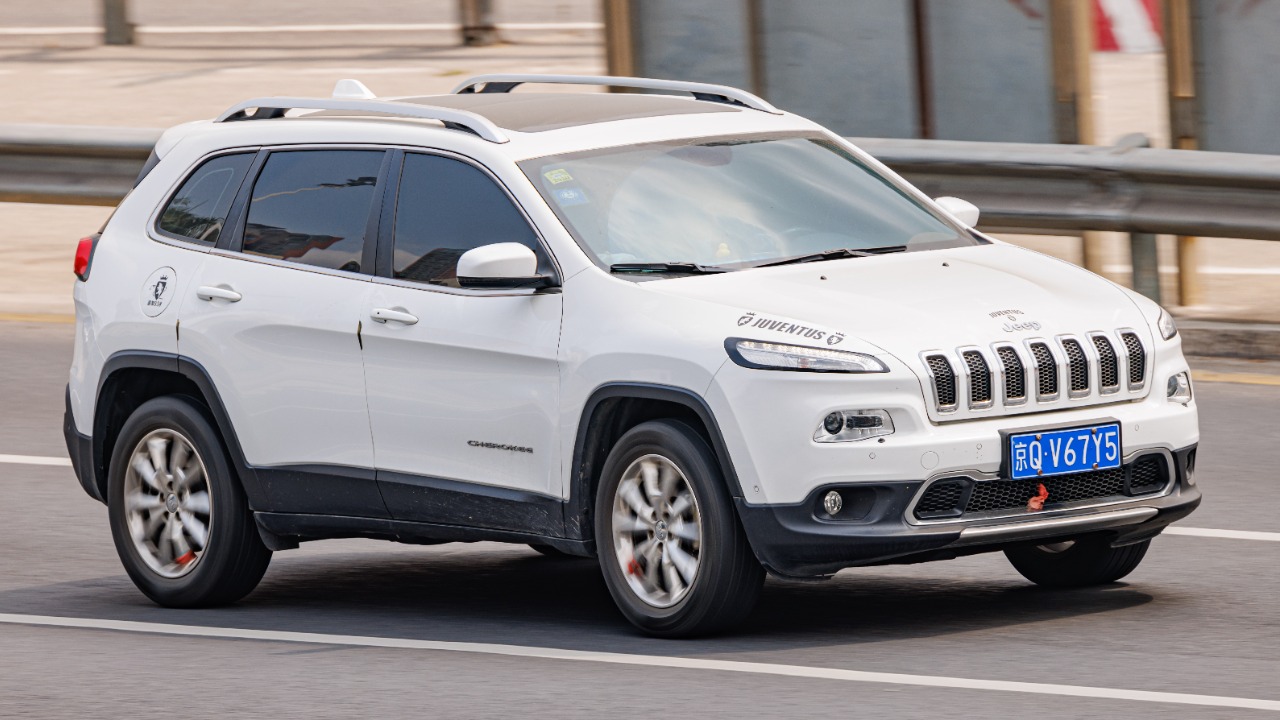
The Jeep Cherokee is often associated with American roads and the rise of the modern sport utility vehicle, but its influence reached far beyond the United States. Over several generations, the Cherokee found buyers across Europe, Australia, Asia, South America, and the Middle East, where it served as everything from a family vehicle to a dependable workhorse. Although its international success is often overshadowed by its popularity at home, the Cherokee quietly helped establish Jeep as a global brand.
It Introduced Jeep to New Buyers Around the World
As global demand for versatile four-wheel-drive vehicles grew during the 1970s and especially after the introduction of the compact Cherokee (XJ) in 1984, Jeep began expanding into international markets more aggressively. The Cherokee offered something many buyers had not seen before: the capability of a traditional off-roader combined with the comfort and practicality of a passenger car.
Its compact dimensions made it easier to drive through narrow city streets than many full-size SUVs, while its available four-wheel-drive systems allowed owners to confidently tackle rough roads, snow, and rural terrain.
For many international customers, the Cherokee became their first introduction to the Jeep brand, helping establish its reputation well beyond North America.
Its balance of utility and everyday usability appealed to a wide range of drivers.
Different Markets Used It in Different Ways
One reason the Cherokee became successful internationally was its versatility. In Europe, it attracted drivers who wanted an alternative to conventional family wagons while still offering genuine off-road capability. In Australia and New Zealand, it proved popular among buyers who regularly traveled between urban areas and rugged countryside.
Across parts of the Middle East and South America, the Cherokee handled challenging road conditions while serving as reliable transportation for families, businesses, and government organizations. Diesel-powered versions, offered in several international markets, further increased its appeal by improving fuel economy and long-distance driving range.
Rather than filling a single niche, the Cherokee adapted to the needs of different regions, contributing to its broad global acceptance.
Its flexibility became one of its greatest strengths.
Local Production Expanded Its Reach
To better serve overseas markets, Jeep and its manufacturing partners assembled or produced the Cherokee in several countries outside the United States. Local production helped reduce import costs and made the vehicle more competitive in markets where tariffs affected fully imported automobiles.
These manufacturing arrangements also allowed Jeep to tailor certain specifications to regional preferences, including engine choices, emissions equipment, and trim levels. Some markets favored economical diesel engines, while others prioritized higher towing capacity or additional comfort features.
By adapting the Cherokee to local conditions rather than offering a one-size-fits-all approach, Jeep strengthened its position in a growing international SUV market.
This strategy helped the Cherokee become familiar on roads far from its American origins.
A Global Legacy That Is Often Overlooked
Today, the Cherokee is widely recognized for its role in shaping the modern SUV, particularly the groundbreaking XJ generation. However, its contribution to Jeep’s worldwide growth deserves equal recognition. By combining everyday practicality with authentic four-wheel-drive capability, it demonstrated that SUVs could succeed in vastly different environments and cultures.
Many older Cherokees remain in service around the world, valued for their rugged construction, mechanical simplicity, and dependable performance. Enthusiasts continue restoring and modifying them for off-road adventures, overlanding, and daily transportation.
Looking back, the forgotten role of the Jeep Cherokee in international markets was its ability to bridge cultures and driving conditions with a single, versatile design. Its global success helped transform Jeep from an American off-road specialist into one of the world’s most recognizable automotive brands, leaving a legacy that extends far beyond the roads where it first became famous.
More from Fast Lane Only
- Unboxing the WWII Jeep in a Crate
- 15 rare Chevys collectors are quietly buying
- 10 underrated V8s still worth hunting down
- Police notice this before you even roll window down
*Research for this article included AI assistance, with all final content reviewed by human editors