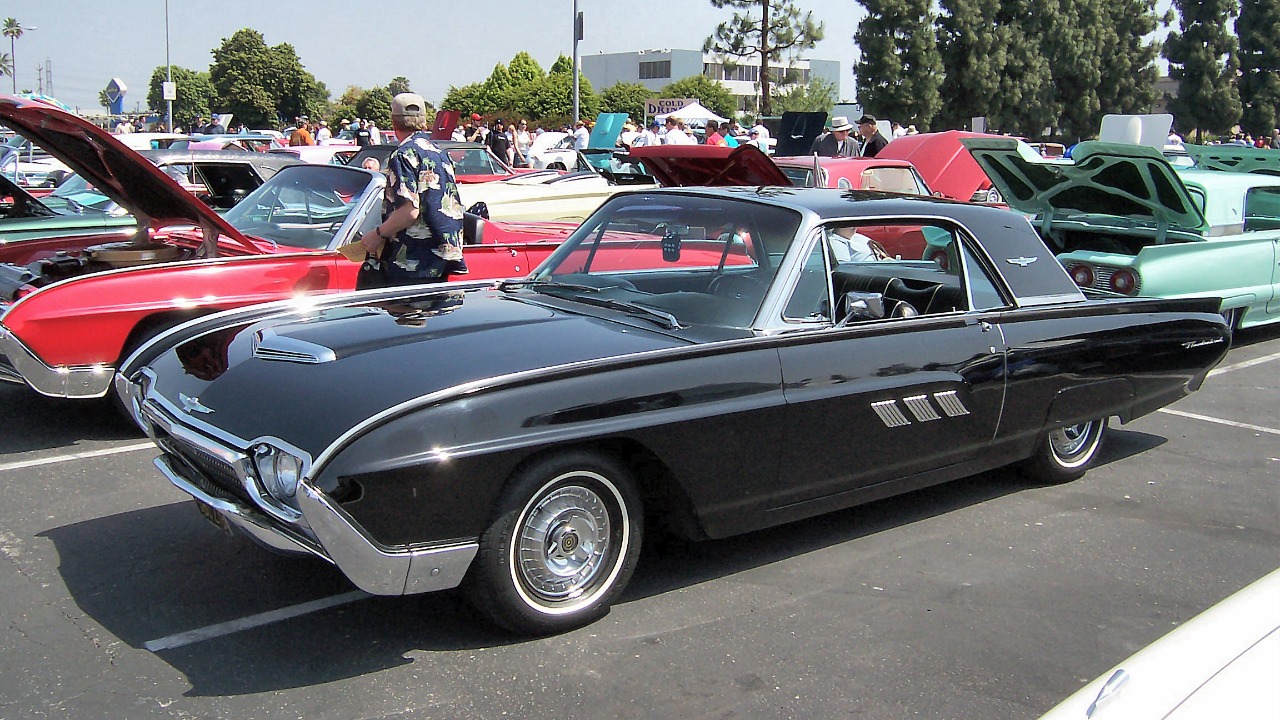
The 1963 Ford Thunderbird holds a significant place in the annals of American automotive history, representing a blend of innovation, luxury, and style. However, its unexpected removal from the lineup caught many by surprise, sparking debates among car enthusiasts and consumers. The decision to discontinue this iconic model was not made lightly; it reflected a confluence of shifting market dynamics, changing consumer preferences, and strategic corporate decisions during a transformative period for the automotive industry.
Historical Context of the Thunderbird
The Ford Thunderbird made its debut in 1955, quickly becoming synonymous with American luxury and performance. Designed to compete with GM’s Corvette, the Thunderbird was initially marketed as a “personal luxury car,” which appealed to a demographic seeking both performance and comfort. Its success in the 1950s was marked by a blend of stylish design and innovative engineering, establishing a new segment in the automotive market that would influence countless models to come.
The 1963 model was significant for several reasons. It featured a sleek, aerodynamic design with a distinctive pointed front end and a spacious interior, showcasing advancements such as a fully independent suspension system. The vehicle was equipped with powerful V8 engines, offering impressive performance while still retaining a sense of luxury. The Thunderbird became a vital part of Ford’s brand identity, symbolizing not only innovation but also a lifestyle of affluence and sophistication. However, as the 1960s progressed, the automotive landscape began to shift dramatically.
Market Trends and Consumer Preferences
By the early 1960s, consumer preferences were changing rapidly. The post-war economic boom had led to a surge in disposable income and a fascination with larger, more powerful vehicles. However, as the decade wore on, there was a notable shift towards smaller, more economical cars. Factors such as rising fuel prices and changing attitudes towards consumption began to influence buying decisions. This evolution in consumer behavior was reflected in the sales figures for larger vehicles, including the Thunderbird.
Competitors were quick to adapt to these trends. Automakers like Chevrolet and Plymouth began introducing compact and sporty models that catered to a younger demographic looking for affordability and style. The Ford Mustang, which debuted in 1964, would soon capture the attention of the market and further diminish the appeal of larger, more luxurious vehicles like the Thunderbird. An analysis of sales data reveals a decline in Thunderbird sales leading up to its discontinuation, highlighting a clear disconnect between Ford’s offerings and the desires of the evolving consumer base.
Corporate Decisions and Strategic Shifts
Ford’s corporate strategy during this period was influenced by both internal dynamics and external pressures. Executives were keenly aware of the shifting market landscape and the need to pivot towards more economically viable options. The decision to pull the Thunderbird from the lineup was also influenced by cost-cutting measures aimed at reallocating resources towards more profitable models. Management discussions reflected a growing concern over production costs and profitability, leading to tough decisions regarding which models to prioritize.
Additionally, the internal political climate at Ford played a role in these decisions. There were competing interests within the company, as divisions fought for investment and support. The pressure to innovate while maintaining profitability weighed heavily on decision-makers. Ultimately, the decision to discontinue the Thunderbird was a reflection of a broader strategic shift aimed at aligning the brand with the changing market landscape and consumer demands.
Production and Supply Chain Challenges
In 1963, Ford faced several production challenges that further complicated its ability to sustain the Thunderbird in the lineup. Labor strikes and material shortages were rampant during this time, creating significant disruptions in the manufacturing process. The United Auto Workers (UAW) strike in 1963, which lasted several weeks, had a profound impact on production schedules and output. These challenges not only affected the Thunderbird but also the entire Ford lineup.
The logistical implications of discontinuing a model like the Thunderbird were significant. Dealerships had to adjust their inventories and marketing strategies quickly, while suppliers faced uncertainty regarding their future contracts. The abrupt removal of the Thunderbird created a ripple effect throughout the supply chain, leading to challenges for both dealers and manufacturers. This situation was emblematic of a larger struggle within the automotive industry as companies navigated the complexities of production and market demands.
Legacy and Impact on Future Models
The discontinuation of the 1963 Thunderbird had lasting effects on Ford and the automotive industry as a whole. While the Thunderbird would eventually make a comeback in later years, its abrupt removal from the lineup highlighted the need for automakers to remain agile and responsive to market trends. The lessons learned from this experience influenced the design and marketing strategies of future Ford models, pushing the company to innovate and adapt to consumer preferences.
The Thunderbird’s legacy is not solely defined by its discontinuation; it also paved the way for the emergence of other luxury vehicles in the market. The influence of the Thunderbird can be seen in subsequent models, such as the Ford Mustang and the Lincoln Continental, which adopted elements of its design and luxury appeal. Industry experts often reflect on the significance of the Thunderbird in shaping the luxury car market and its role in Ford’s evolving identity within the automotive landscape.
Consumer Reactions and Anecdotes
The abrupt decision to remove the 1963 Thunderbird from the lineup sparked a wave of reactions among consumers and enthusiasts alike. Many Thunderbird owners expressed their disappointment, viewing the decision as a betrayal of the brand’s commitment to quality and luxury. Personal stories emerged from those who cherished their Thunderbirds, sharing anecdotes about road trips, family memories, and the emotional connections they forged with their vehicles.
Media coverage of the Thunderbird’s discontinuation reflected a sense of nostalgia for the model, highlighting its role in American culture. Articles in automotive magazines and newspapers captured the sentiments of a generation that had grown up with the Thunderbird as a symbol of freedom and innovation. The emotional connection consumers had with the Thunderbird influenced their perceptions of Ford as a brand, presenting challenges for the company to maintain loyalty in the wake of such a significant decision.
Ultimately, the story of the 1963 Ford Thunderbird serves as a reminder of the complexities within the automotive industry. It illustrates the delicate balance between consumer expectations, market dynamics, and corporate strategy. As I reflect on this pivotal moment in automotive history, it’s clear that the Thunderbird’s legacy extends far beyond its discontinuation; it remains a cherished symbol of an era defined by luxury, performance, and American ingenuity. For those who experienced the Thunderbird firsthand, it will always hold a special place in the hearts of car enthusiasts and collectors alike.
More from Fast Lane Only
- Unboxing the WWII Jeep in a Crate
- 15 rare Chevys collectors are quietly buying
- 10 underrated V8s still worth hunting down
- Police notice this before you even roll window down
*Research for this article included AI assistance, with all final content reviewed by human editors.