Station wagons were expected to carry families and cargo, not surprise sports cars at stoplights. Yet several wagons quietly packed impressive performance beneath their practical exteriors. These nine models proved that everyday utility and serious speed could exist in the same vehicle.
Chevrolet Nomad

The Chevrolet Nomad paired distinctive styling with available V8 power, giving buyers a wagon that could deliver strong performance as well as everyday practicality. Its lightweight design and powerful engine options made it quicker than many expected. Today, it remains one of Chevrolet’s most desirable wagons.
Oldsmobile Vista Cruiser
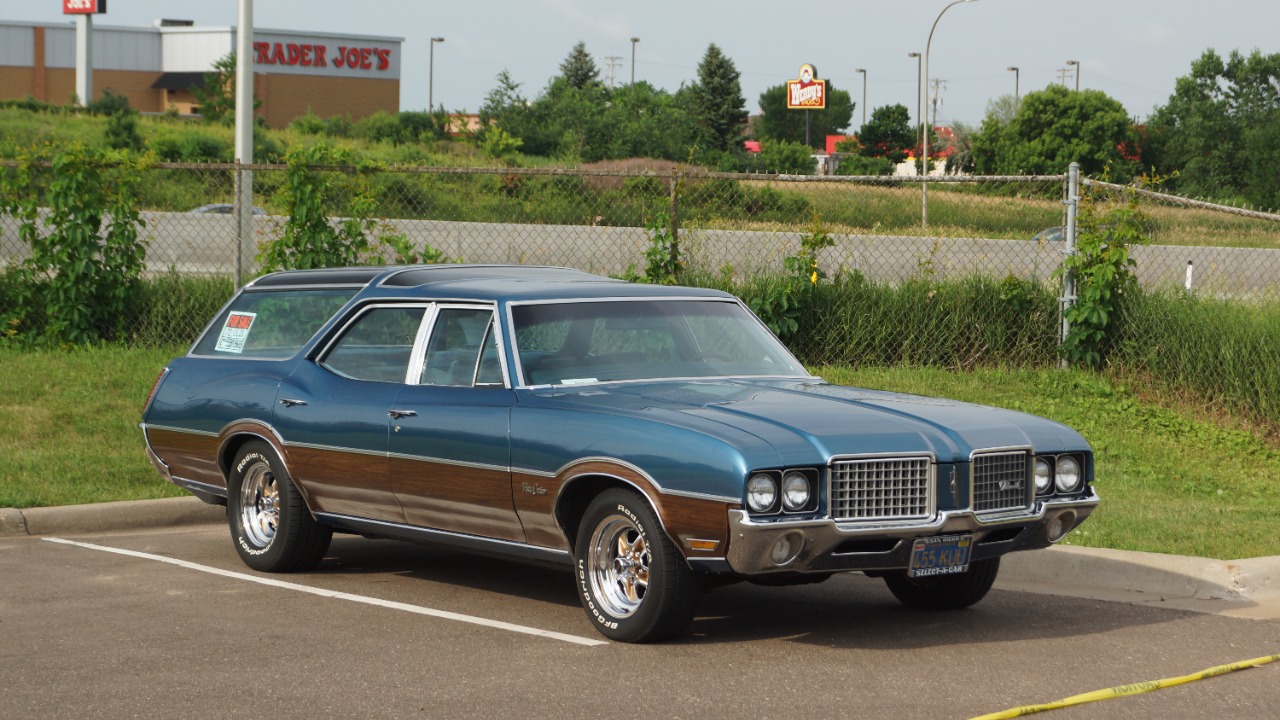
The Oldsmobile Vista Cruiser offered roomy family transportation while sharing dependable V8 engines with other Oldsmobile performance models. It delivered confident highway performance without sacrificing comfort. Many enthusiasts now recognize it as more than just a family wagon.
Ford Country Squire
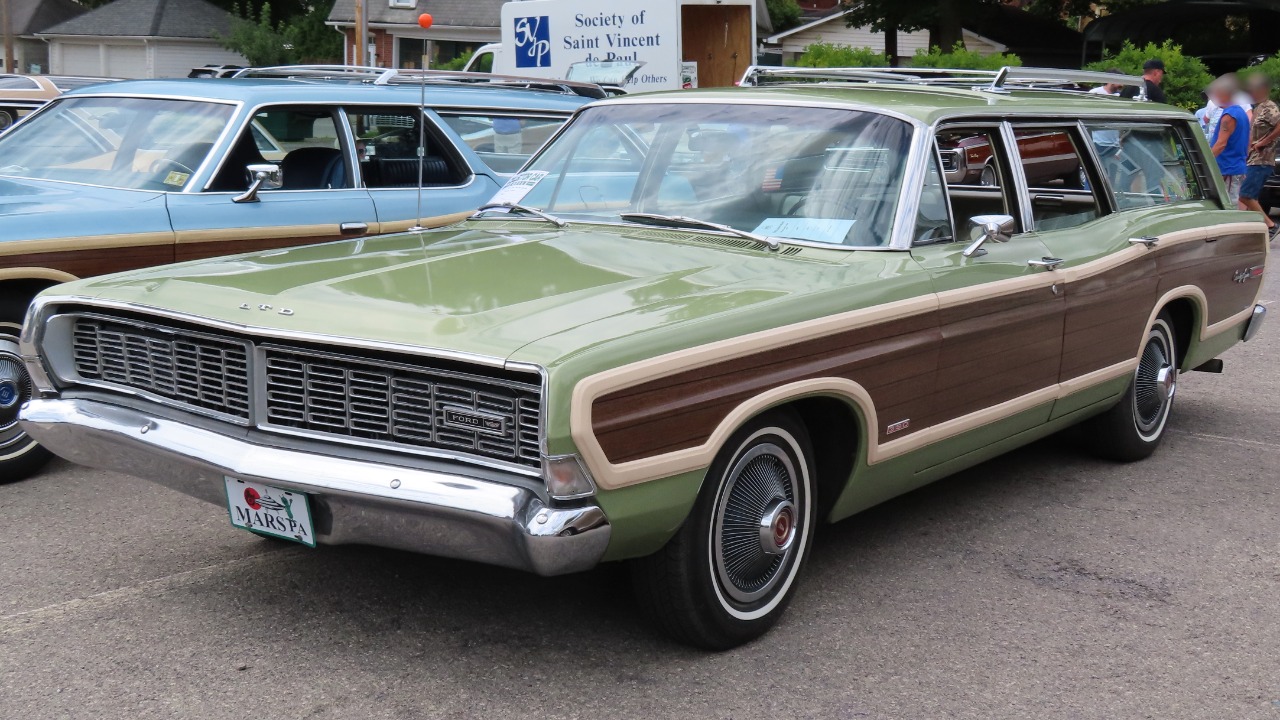
The Ford Country Squire could be equipped with large-displacement V8 engines that provided impressive acceleration for such a spacious vehicle. Built for family road trips, it quietly delivered performance that surprised many drivers. It became one of Ford’s most capable full-size wagons.
Buick Estate Wagon

The Buick Estate Wagon combined premium comfort with powerful V8 engine options that made long-distance travel effortless. Despite its luxury focus, it offered stronger performance than most buyers expected. Its smooth power remains one of its defining qualities.
Mercury Colony Park
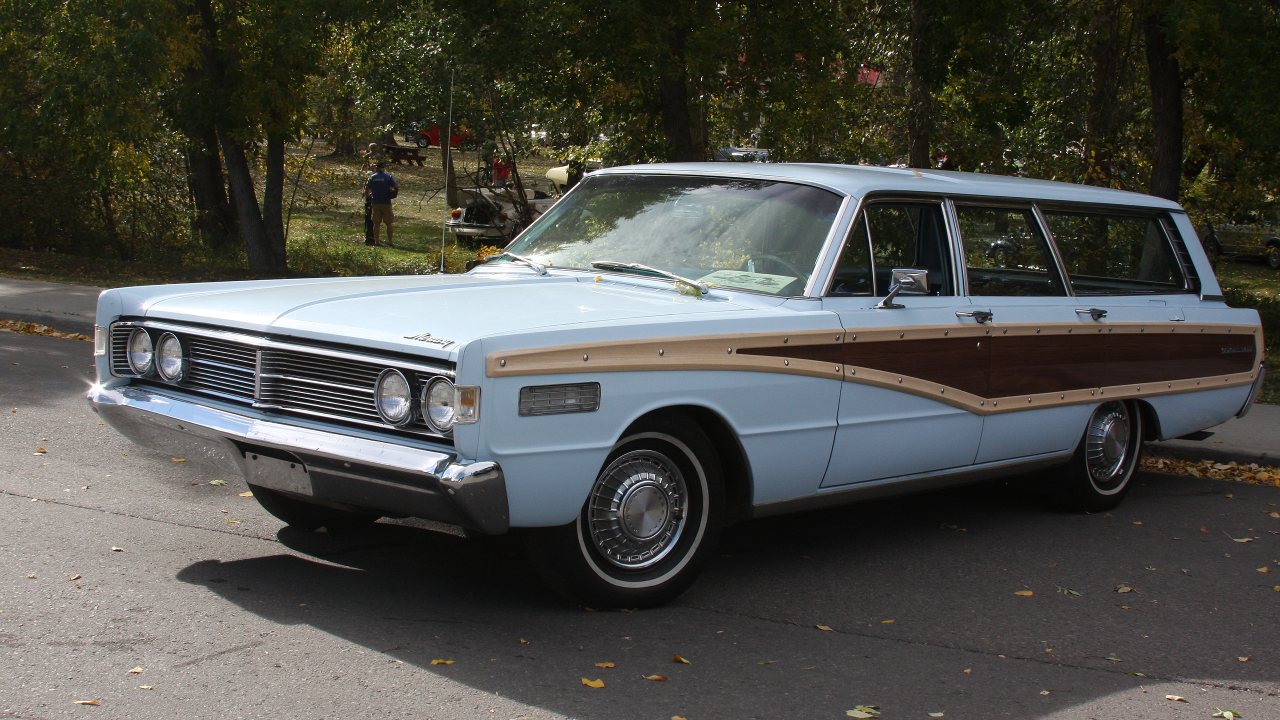
The Mercury Colony Park featured smooth V8 performance wrapped in upscale styling and generous passenger space. It comfortably handled highway cruising while delivering acceleration that exceeded expectations for a luxury wagon. It remains a respected classic among collectors.
Dodge Coronet Wagon

The Dodge Coronet Wagon benefited from the same dependable V8 engines found in Dodge’s performance cars. Although designed for families, it offered surprisingly strong acceleration and confident highway performance. It quietly proved that practicality did not mean sacrificing power.
Plymouth Sport Suburban
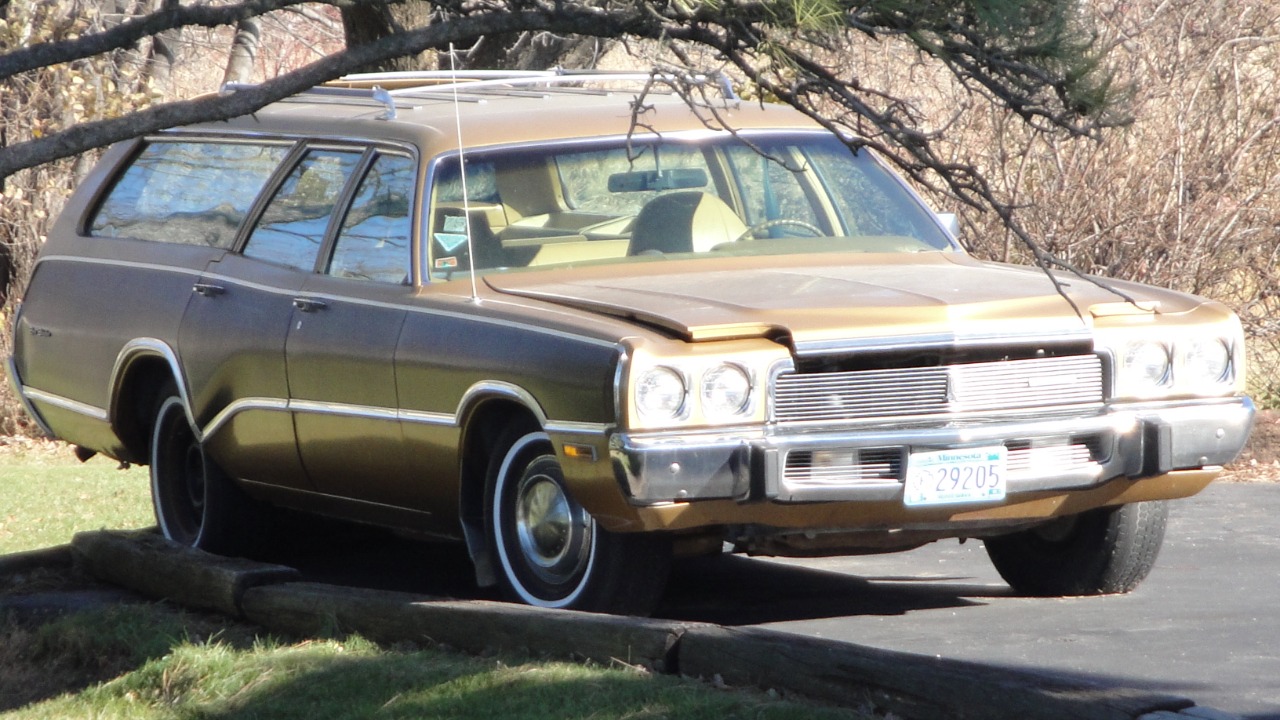
The Plymouth Sport Suburban offered available V8 power and a roomy interior that made it both practical and enjoyable to drive. Overshadowed by more famous Plymouth performance cars, it quietly earned a reputation for capable performance. Today, it remains an underrated classic wagon.
Volvo 850 T-5R Wagon
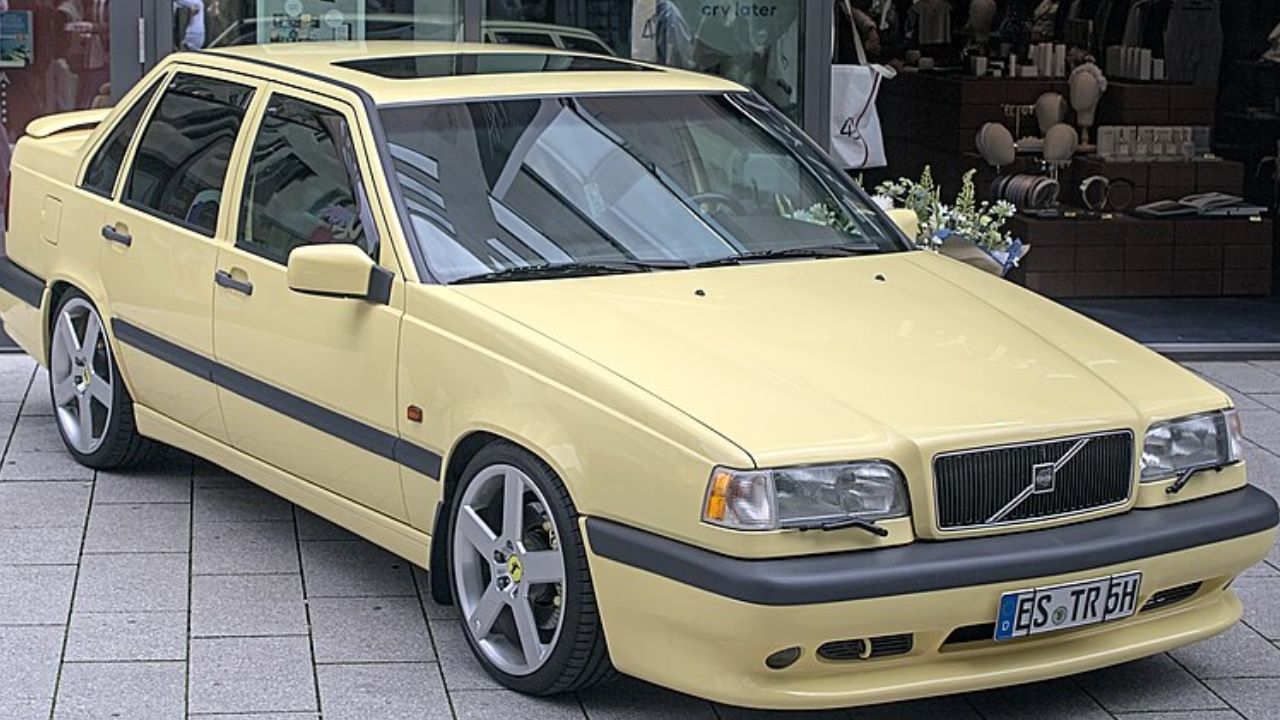
The Volvo 850 T-5R Wagon shocked enthusiasts with its turbocharged five-cylinder engine and genuinely impressive performance. Its understated appearance hid sports-sedan acceleration beneath practical wagon styling. It remains one of the most iconic high-performance wagons ever built.
Mercedes-Benz E55 AMG Wagon
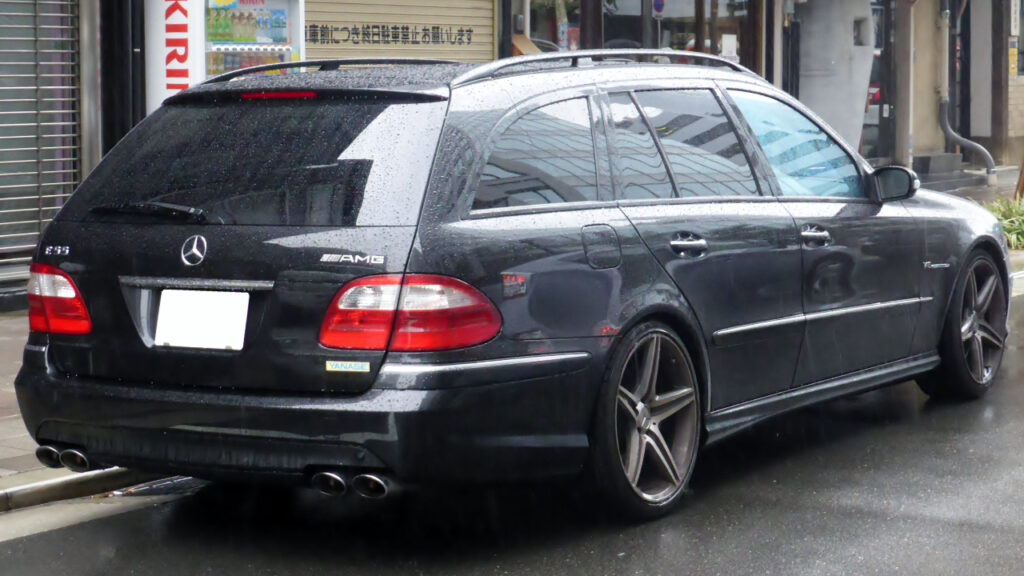
The Mercedes-Benz E55 AMG Wagon blended luxury, practicality, and a hand-built V8 engine into one remarkable package. Capable of keeping pace with many sports cars, it became one of the fastest station wagons of its era. Its combination of comfort and performance continues earning admiration.
More from Fast Lane Only
- Unboxing the WWII Jeep in a Crate
- 15 rare Chevys collectors are quietly buying
- 10 underrated V8s still worth hunting down
- Police notice this before you even roll window down
*Research for this article included AI assistance, with all final content reviewed by human editors