The world of automotive performance is often polarized, especially when it comes to turbocharger setups. The debate over which configurations yield the best balance of power, reliability, and driver experience continues to divide enthusiasts and racers alike.
Types of Turbocharger Configurations
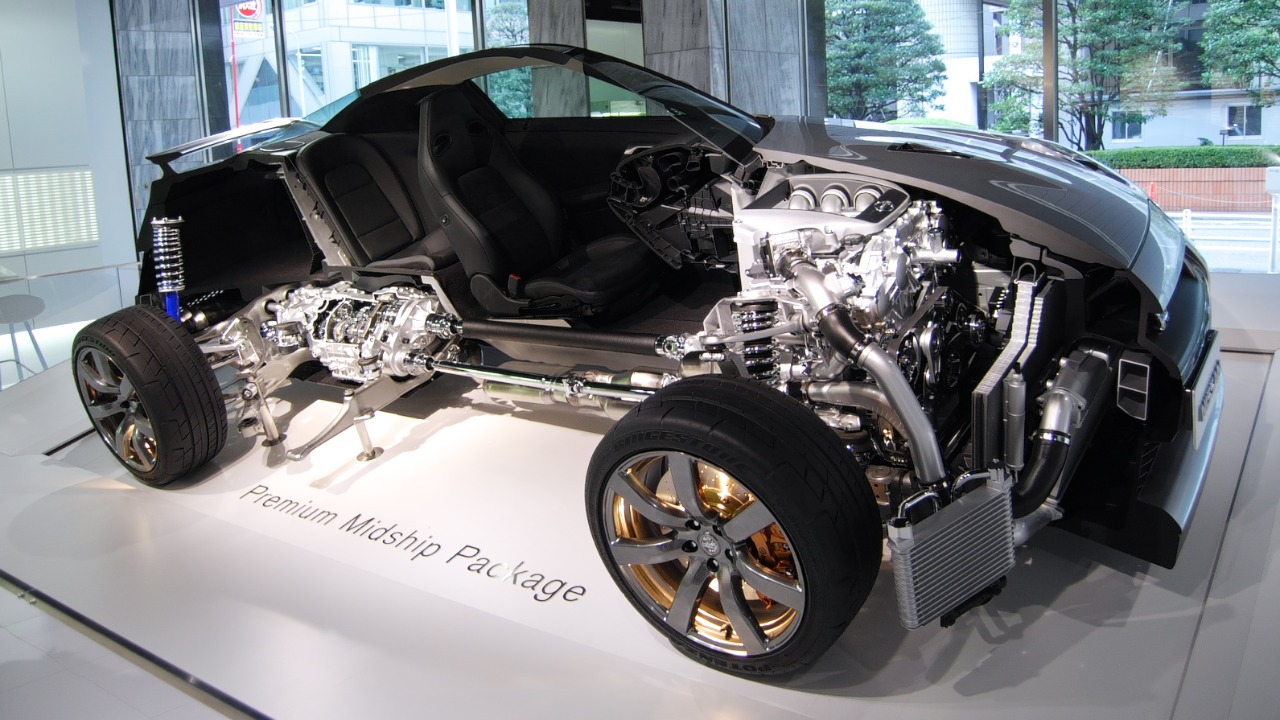
When it comes to turbocharger configurations, drivers primarily debate the effectiveness of single versus twin-turbo systems. A single turbocharger can be simpler and lighter, often resulting in a more straightforward installation and tuning process. However, it may struggle with turbo lag, especially in larger displacement engines. In contrast, twin-turbo systems can offer quicker spool times and a broader power band, but they come with increased complexity. For instance, the Nissan GT-R R35 utilizes a twin-turbo setup that provides rapid throttle response, making it a favorite among track enthusiasts. On the other hand, some drivers prefer the simplicity and lower cost of single turbo setups, especially in street applications.
Sequential turbocharging represents a more advanced configuration that employs two turbochargers of different sizes. This setup aims to optimize performance across various RPM ranges, allowing for a seamless transition from low to high-end power delivery. For example, the Toyota Supra features a sequential system that enhances both efficiency and power. However, while some drivers swear by the performance benefits, others argue that the added complexity and potential for failure can make this setup less appealing.
Compound turbo systems, which combine two or more turbochargers to enhance overall efficiency and power, are another controversial topic. While they can deliver significant performance gains, such as in high-performance diesel applications, they often raise concerns regarding reliability and maintenance. Critics of compound setups argue that they can be over-engineered for most driving needs, leading to unnecessary complications. As a result, while these systems can achieve impressive power figures, they remain a divisive topic among automotive enthusiasts.
Driver Preferences and Driving Styles
Driver preferences play a crucial role in the ongoing debate over turbocharger setups. The way power is delivered can significantly affect the driving experience, particularly with regard to throttle response. Enthusiasts who favor immediate power delivery often lean towards smaller, single turbos or sequential systems, which can provide a snappier response. Meanwhile, those who appreciate a more linear power curve may opt for larger twin-turbo systems that deliver power more gradually. For example, the Porsche 911 Turbo employs a twin-turbo setup that offers a smooth and predictable power band, catering to a specific driving style that values refinement over raw, explosive power.
The intended use of the vehicle also heavily influences preferences for turbo configurations. Track-focused drivers often prioritize setups that maximize power and responsiveness, while street drivers may prefer setups that balance power with drivability and reliability. In my conversations with fellow enthusiasts, I’ve noticed that many track drivers champion twin-turbo systems for the increased efficiency they provide during high-performance driving conditions. Conversely, street drivers may argue that a well-tuned single turbo is sufficient for daily driving, emphasizing the importance of reliability and lower maintenance costs.
Personal experience and bias also contribute significantly to the divide among drivers. Many enthusiasts have strong opinions shaped by their history with specific setups, leading to passionate debates in forums and social media. A driver who has had a positive experience with a sequential turbo setup may dismiss single turbos outright, while another who faced issues with a twin-turbo system may advocate for simplicity and reliability. This variance in personal experience can often lead to strong opinions that fuel the ongoing debate over which turbo setup is superior.
Reliability and Maintenance Concerns
The reliability of different turbo configurations is a common concern among drivers. Many believe that single turbo systems tend to be more durable, as they have fewer components that can fail. Conversely, twin-turbo systems may be perceived as more prone to issues due to their complexity. However, this isn’t always the case; the longevity of a turbo setup often comes down to how well it is maintained and the specific components used. For instance, a factory-installed twin-turbo system in a BMW M4 can last for years with proper care, while aftermarket systems might not offer the same level of reliability.
Maintenance complexity is another significant factor that deters some drivers from adopting more intricate turbo setups. For instance, a compound turbo system may require specialized knowledge and tools for proper tuning and maintenance, which can be daunting for the average driver. Many enthusiasts prefer setups that allow for straightforward maintenance, such as single turbo systems that can be serviced with basic tools and skills. This preference often leads to a divide, as some drivers prioritize performance over ease of maintenance, while others seek a more hassle-free experience.
Failure modes in turbo systems can also contribute to the divide among drivers. Common failure points, such as boost leaks, oil starvation, or turbocharger failures, can significantly impact the performance and reliability of a setup. Drivers who have experienced these issues may be less inclined to recommend complex configurations, while those who have successfully navigated these challenges may advocate for the performance benefits that come with them. Understanding these failure modes can help drivers make informed decisions about which turbo setups align with their needs and preferences.
Cost vs. Performance Trade-offs
The financial aspect of turbocharger setups is another critical factor that splits opinions among drivers. The initial investment required for various turbo configurations can vary significantly, from the relatively affordable single turbos to the more expensive twin or compound setups. Installation costs and necessary supporting modifications can further increase these expenses. For example, installing a twin-turbo system on a Ford Mustang can easily run into several thousand dollars, leading some drivers to reconsider their options.
Return on investment is a key consideration for many drivers when weighing the cost of turbo setups against the performance gains they can achieve. Enthusiasts who prioritize maximum power output often justify the expense by highlighting the significant performance benefits a well-tuned twin-turbo or compound system can provide. However, others may view these costs as prohibitive, especially if they do not plan to utilize the full potential of the setup. Ultimately, the decision often comes down to individual priorities and whether the performance gains justify the financial commitment.
Long-term ownership costs also factor into the equation, as maintenance and potential repairs can significantly impact the overall cost-effectiveness of a turbo configuration. Drivers who invest in high-maintenance setups may find themselves facing unexpected expenses, which can lead to dissatisfaction. In contrast, those who prioritize reliability and lower maintenance costs may be more satisfied with simpler setups, even if they sacrifice some performance. This ongoing trade-off between cost and performance continues to fuel discussions among drivers.
Technological Advances and Innovations
Recent advancements in turbocharger technology have created a new landscape of options for automotive enthusiasts. Technologies such as variable geometry turbochargers (VGT) and electric turbochargers have changed the way we think about performance and efficiency. These innovations can minimize turbo lag and optimize performance across a broader RPM range, making them attractive options for many drivers. The latest models of the Audi RS5 showcase how these advancements can lead to impressive power delivery and efficiency, further complicating the debate over traditional setups.
Tuning and customization options have also evolved, allowing drivers to tailor their turbo setups to their specific needs and preferences. Modern tuning software enables enthusiasts to fine-tune their vehicles in ways that were previously unimaginable. This level of customization can lead to increased satisfaction among drivers who can achieve their desired balance of power and reliability. As a result, the divide between different turbo setups is becoming less about the configurations themselves and more about the tuning options available.
Looking ahead, emerging technologies such as hybrid turbochargers may influence the ongoing debate over turbo setups. These innovative designs combine the benefits of electric and conventional turbocharging, potentially offering the best of both worlds. As the automotive industry continues to evolve, it will be interesting to see how these technologies impact driver preferences and the overall conversation surrounding turbo setups.
Cultural and Community Influences
The culture surrounding automotive performance plays a significant role in shaping opinions about turbocharger configurations. Online forums and communities often serve as hotbeds for discussion, where enthusiasts share their experiences and insights. These platforms can amplify personal biases and create entrenched divisions among drivers, often leading to heated debates. For example, discussions on platforms like Reddit frequently showcase the passionate opinions of drivers advocating for their preferred setups, whether they favor single turbos or complex systems.
The influence of motorsports cannot be overlooked either, as competitive racing often informs public perception of turbo setups. Professional drivers frequently showcase the advantages of specific configurations, which can sway the opinions of amateur enthusiasts. The success of turbocharged cars in various racing series, such as Formula 1 or World Rally Championship, often leads to increased interest and acceptance of those setups among the general public. However, this influence can also create a divide, as some drivers may feel pressured to conform to trends rather than choose a setup that best suits their driving style.
Regional variations also contribute to the ongoing debate over turbo setups. In certain areas, specific configurations may be more popular due to local racing cultures or automotive trends. For instance, in regions with a strong drifting scene, drivers may favor setups that provide quick throttle response, while in areas focused on straight-line performance, larger twin-turbo systems may dominate. Understanding these regional differences can help contextualize the diverse opinions that exist within the automotive community.
More from Fast Lane Only
- Unboxing the WWII Jeep in a Crate
- 15 rare Chevys collectors are quietly buying
- 10 underrated V8s still worth hunting down
- Police notice this before you even roll window down
*Research for this article included AI assistance, with all final content reviewed by human editors.