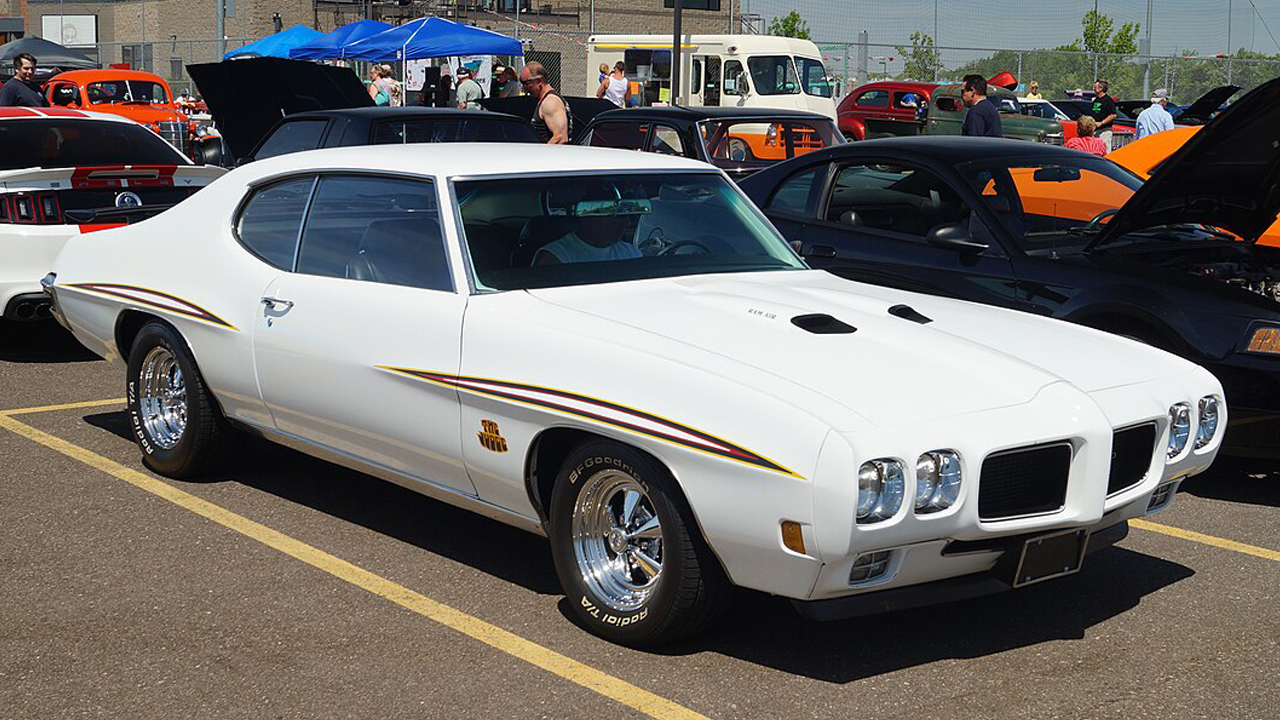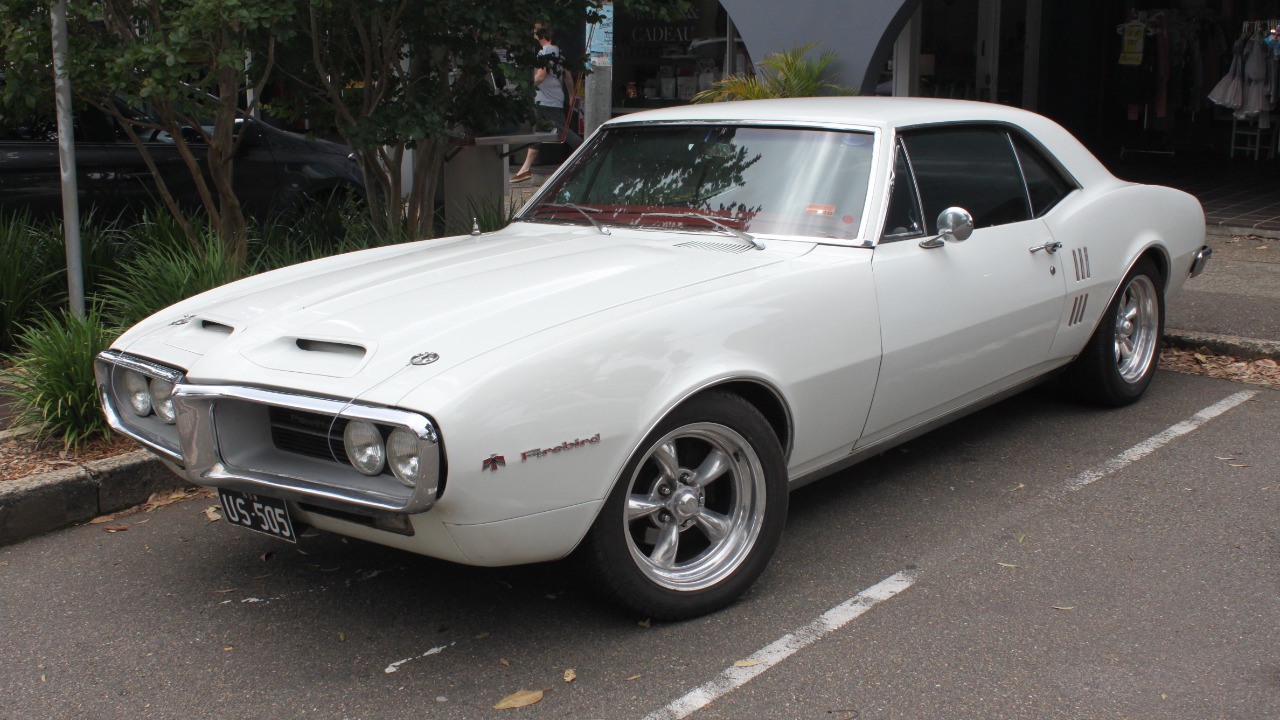
The 1967 Pontiac Firebird emerged as a symbol of American muscle, boasting impressive power and a bold design. However, for many drivers, this classic car was more than just a performance vehicle; it brought with it a sense of fear and trepidation that stemmed from its raw capabilities and unpredictable handling.
The Power Plant: Unleashing Raw Horsepower
The Firebird was available with several powerful V8 engine options, with the most notable being the 400 cubic inch V8 that produced a staggering 400 horsepower. This level of power transformed the Firebird into a beast on the road, capable of sprinting from 0 to 60 mph in just a few seconds. The sheer force of acceleration could be exhilarating, but it was also intimidating, particularly for inexperienced drivers who might not have been prepared for such raw performance.
Its lightweight design further amplified this experience. Weighing in at around 3,200 pounds, the Firebird could accelerate rapidly, often catching novice drivers off guard. It was not uncommon for new owners to misjudge the car’s power, leading to moments of panic as they tried to adjust to its capabilities. The available engine choices created a thrilling yet intimidating driving experience that could overwhelm those unfamiliar with high-performance vehicles.
The Firebird’s reputation for speed and power was cemented by its performance on the road. With a responsive throttle and a growling exhaust note, it offered an adrenaline rush that few cars could match. However, that same power could quickly turn into a handful if not managed correctly, leading to white-knuckle moments behind the wheel. As many drivers learned, the Firebird was not just a car; it was a potent machine that demanded respect.
Handling and Suspension: A Double-Edged Sword
One of the defining characteristics of the 1967 Firebird was its rear-wheel drive layout. While this configuration contributed to a thrilling driving experience, it also created a potential for oversteering, especially in wet or slippery conditions. The car’s tendency to break loose during aggressive cornering required a skilled hand, and many drivers found themselves in precarious situations, grappling with the car’s unpredictable behavior.
The performance-oriented suspension was another factor that could invoke fear among drivers. Designed for responsiveness, it could be unforgiving on rough roads or during sudden maneuvers. The ride was often jarring, pushing the limits of comfort and making it essential for drivers to stay alert and engaged. Many reported that the Firebird’s suspension setup, while effective at high speeds, could lead to a disconcerting feeling of instability during everyday driving.
Additionally, a lack of feedback from the steering wheel heightened the sense of unpredictability. Drivers often felt disconnected from the road, making it difficult to gauge the limits of grip and control. This lack of communication between the car and the driver could be nerve-wracking, particularly for those pushing the Firebird to its limits. As a result, many experienced a mix of exhilaration and anxiety, creating a complex relationship with this muscle car.
Design Aesthetics: A Menacing Presence
The Firebird’s aggressive styling contributed significantly to its fearsome reputation. With a muscular design featuring a long hood, short rear deck, and wide stance, it commanded attention on the road. The visual impact of the Firebird wasn’t just about looks; it was about presence. Other drivers often felt a sense of respect—and sometimes fear—when they saw a Firebird approaching, knowing that it was a serious performance vehicle.
Inside, the driver-focused layout added to the intensity of the experience. Equipped with performance-oriented gauges and controls, the interior was designed to emphasize speed and power. For less experienced drivers, the array of dials and buttons could feel overwhelming, creating an environment that amplified the pressure of driving such a powerful machine. The cockpit-like feel of the interior made you aware of every rev and shift, heightening the stakes with every turn of the wheel.
Ultimately, the Firebird’s design was not just about aesthetics; it was about creating an emotional response. The sight of the Firebird on the road was enough to stir feelings of excitement and fear, a blend that many enthusiasts cherished. The car wasn’t just fast; it looked fast, which only exacerbated the adrenaline rush of driving it. For many, the visual allure was inseparable from the raw power it offered.
Reputation and Legacy: The Scary Muscle Car
The 1967 Firebird quickly became a cultural icon, often depicted in films and media as the quintessential muscle car. Its powerful presence on screen amplified its fearsome reputation, contributing to the mythos surrounding the vehicle. Movies like “Smokey and the Bandit” and various television shows featured the Firebird, solidifying its status as a car that was both admired and feared.
Many anecdotal experiences from drivers highlight the thrill and terror of piloting a Firebird. Stories of near misses and loss of control are commonplace among those who have driven this muscle car. While some remember the exhilaration of mastering the vehicle, others recount moments that left them shaken, reinforcing the Firebird’s image as a heart-pounding ride that could easily get away from you. The tales of its unpredictability helped forge a legacy that echoed through the years.
When compared to its competitors from the late 1960s, the Firebird was often seen as more unpredictable. While cars like the Ford Mustang and Chevrolet Camaro offered their own thrills, many Firebird drivers noted a distinct edge of fear that came with handling the Pontiac. This unpredictability enhanced the allure of the Firebird, making it a popular choice for those seeking both performance and a hint of danger.
The Driver’s Mindset: Overcoming the Fear
Driving the Firebird demanded a certain level of skill and confidence. Many found that the car was not forgiving of mistakes, and those lacking adequate experience often felt intimidated. The combination of raw power and sensitive handling meant that one wrong move could lead to a precarious situation. For many, this car was more than just a vehicle; it was a challenge that required respect and understanding.
The learning curve associated with the Firebird was steep. Many drivers experienced frustration as they tried to adapt to the car’s unique dynamics. Transitioning from a standard vehicle to the Firebird could feel like stepping into a different world altogether. This steep learning curve often led to moments of doubt, making it important for drivers to cultivate their skills steadily to truly enjoy what the Firebird had to offer.
Fortunately, a community of enthusiasts emerged around the Firebird, sharing tips and experiences to help others navigate their fears. Online forums, such as those found on Reddit, offer a wealth of knowledge for both new and experienced drivers. The camaraderie among Firebird enthusiasts not only fosters a sense of belonging but also encourages drivers to embrace the challenge of mastering this iconic muscle car.
The Mythos of the Firebird: Fear and Fascination
The combination of power, speed, and unpredictability contributed to a mystique that drew many to the Firebird, despite its intimidating reputation. The allure of danger was a significant factor in its appeal; the thrill of driving something that could potentially go sideways at any moment was intoxicating. This relationship between fear and fascination is what has kept the Firebird relevant in the minds of classic car enthusiasts.
Stories of the Firebird’s fearsome nature have been passed down through generations, creating a legend that persists among classic car aficionados. The tales of reckless driving, unexpected spins, and impressive feats have added layers to the Firebird’s identity, making it a car that represents not just speed, but a lifestyle. The stories told around campfires or car meets serve as a testament to the captivating nature of this powerful machine.
Today, the Firebird is both celebrated and feared as a classic muscle car. Its legacy continues to inspire awe and caution among drivers, with many enthusiasts willing to embrace both the thrill and the risks that come with driving such a powerful vehicle. As classic cars gain popularity, the Firebird stands out as a symbol of the raw spirit of American muscle, evoking both admiration and respect from those who dare to take the wheel.
More from Fast Lane Only
- Unboxing the WWII Jeep in a Crate
- 15 rare Chevys collectors are quietly buying
- 10 underrated V8s still worth hunting down
- Police notice this before you even roll window down
*Research for this article included AI assistance, with all final content reviewed by human editors.