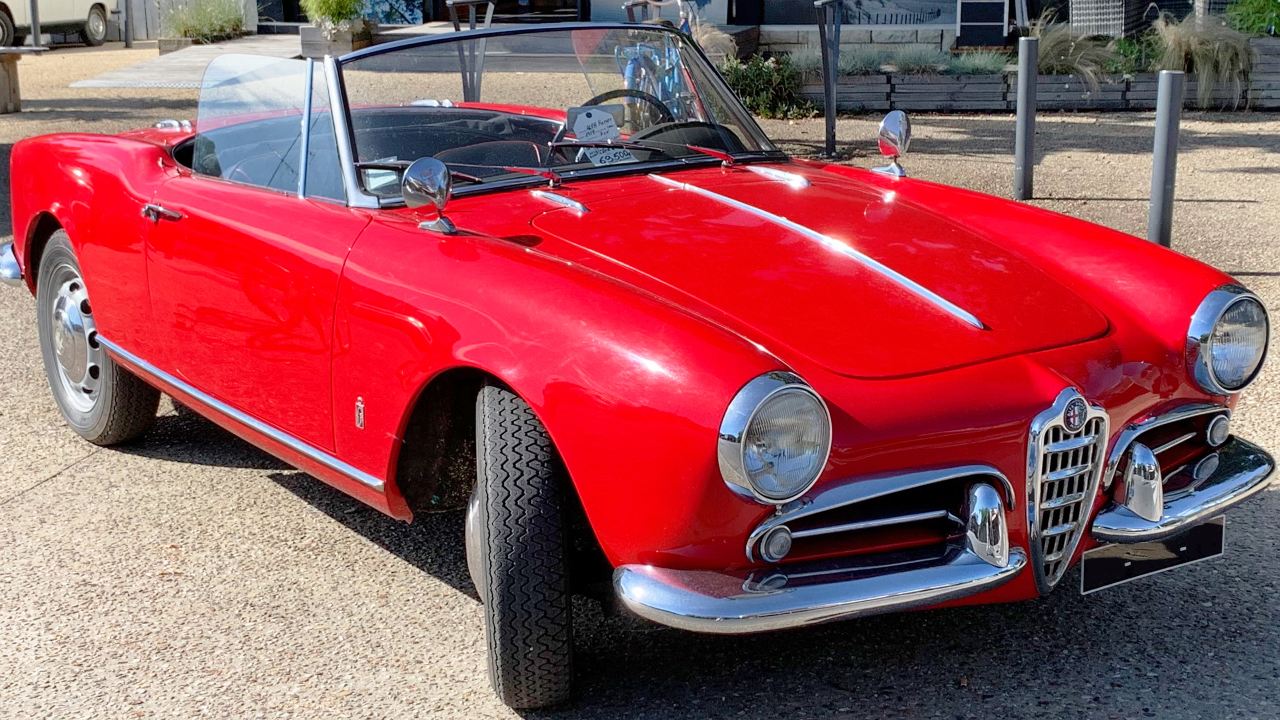
The 1965 Alfa Romeo Spider did more than launch a pretty new roadster. It crystallised a particular idea of Italian driving pleasure, blending lightness, mechanical charm and cinematic style in a way that still feels current. Its mix of responsive engineering and romantic design has allowed it to outlast fashion cycles and remain a touchstone for what an open sports car should be.
Shaped by Italian style, not just nostalgia
The Spider’s enduring appeal starts with its proportions, not its mythology. The long, low bonnet, compact cabin and delicately tapered tail give the 1965 car a balance that reads as modern even beside contemporary convertibles. The lines are clean rather than aggressive, so the car looks elegant at city speeds and composed on a mountain road, which is why it continues to photograph so well and to anchor collections that span decades of design. That visual restraint is what lets the car slip easily into different eras, from black-and-white street scenes to today’s social feeds, without ever looking out of place.
Italian coachbuilders treated the Spider as a piece of industrial art, but the shape was always in service of driving. The low scuttle and thin pillars open up the horizon, so the driver sees more sky and road than dashboard. Reports on the early Giulia Spider Veloce versions underline how the bodywork was carefully honed around the mechanical package, with the compact twin cam engine sitting low and far back under the bonnet to keep the nose light and the stance purposeful. That focus on proportion and visibility, rather than ornament, is a key reason the car still feels like a template for modern open sports cars rather than a period curiosity.
A twin cam heart that still feels alive
Timeless cars usually have engines that feel characterful rather than simply powerful, and the 1965 Alfa Romeo Spider is a textbook case. Its all-alloy, twin overhead cam four-cylinder was advanced for a small roadster of its time, but what matters today is how it delivers its performance. Contemporary drives of a 1965 Alfa Romeo Giulia Spider Veloce 1600 describe a smooth power delivery and an almost youthful character, with the engine revving freely and encouraging the driver to explore the upper half of the tachometer. That willingness to spin, rather than just thump out torque, gives the car a light-footed personality that modern enthusiasts still seek out.
Technical continuity also helps the Spider feel relevant. Accounts of the Giulia Veloce Spider note that Alfa’s engineers used the same twin cam engine architecture across related models, refining it rather than replacing it wholesale. Nevertheless, the major difference in the Veloce specification was under the bonnet, where tuning and carburation unlocked increased power without sacrificing the engine’s civility. That combination of everyday usability and eager response is what owners still praise when they talk about long drives, mountain passes and the way the car seems to come alive at speed, rather than feeling like a fragile antique.
Engineered for real roads, not just spec sheets
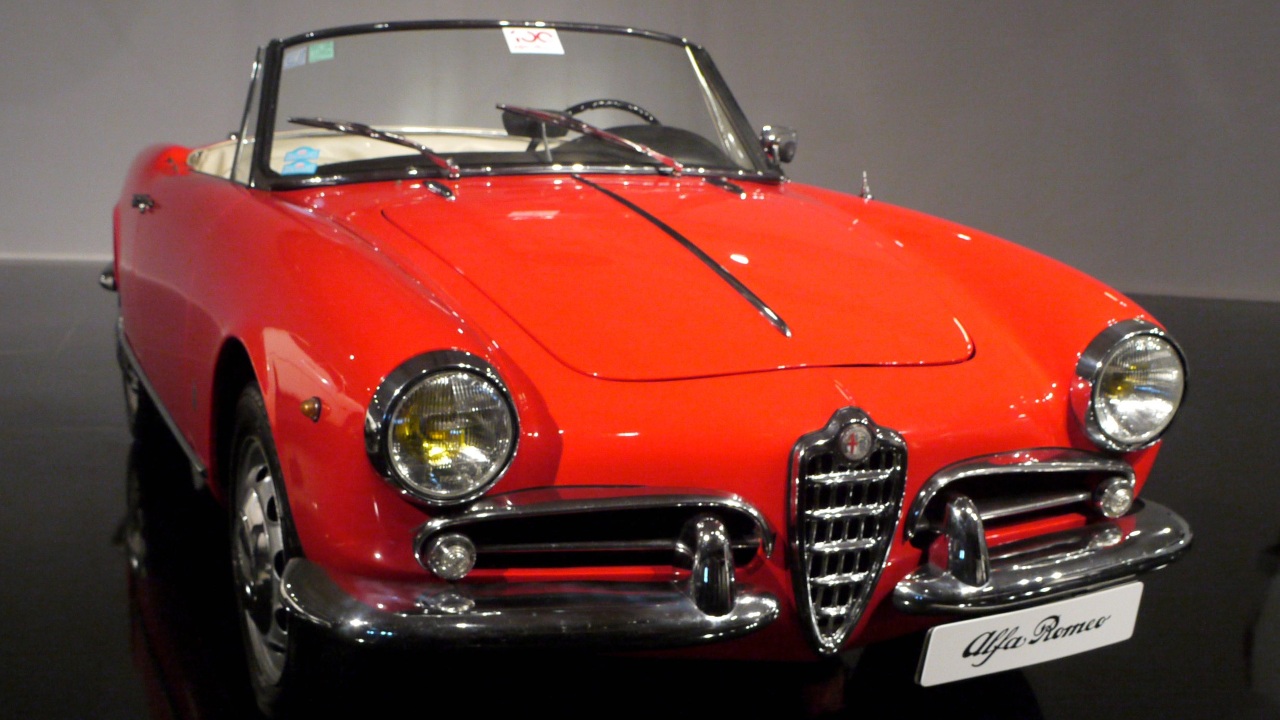
Underneath the pretty body, the 1965 Spider was engineered to be driven hard on imperfect roads, which is another reason it has aged so gracefully. Period and modern impressions of the Giulia Spider Veloce 1600 highlight a chassis that feels supple rather than harsh, with suspension that absorbs bumps while keeping the car composed through corners. The steering is light but communicative, so the driver can place the car accurately without wrestling it, and the relatively low weight means the brakes and tyres do not have to work against unnecessary mass. That balance of comfort and control is what makes the car feel usable today on everything from city streets to rural backroads.
Later reflections on the Giulia Spider Veloce, written decades after the car left the showroom, reinforce how well the underlying engineering has held up. Owners who have lived with these cars for long periods describe them as machines that reward regular use, not just occasional outings. The drivetrain tolerates modern traffic, the gearbox still feels precise, and the car’s compact footprint makes it easy to park and thread through tight spaces. When a sports car can integrate into daily life half a century after it was built, it moves from being a nostalgic object to a genuinely timeless piece of engineering.
Personal histories that keep the car young
Mechanical qualities alone do not make a car timeless; it also needs stories that continue to unfold. One long-term owner of a Giulia Spider Veloce has written about buying the car in his youth and then, 43 years later, watching his daughter Alexandra sit behind the same wheel. That kind of continuity turns the Spider into a family heirloom, a car that connects generations through shared drives and roadside repairs. The fact that the car can still deliver joy to a new driver after so many years, without feeling temperamental or outdated, speaks to how well its basic formula was conceived.
More recent conversations with owners like Dino, who talks through the details of his 1965 Alfa Romeo Giulia Spider Veloce, show how the car continues to attract enthusiasts who were not alive when it was new. Dino’s focus on the way the car sounds, the feel of the gearshift and the satisfaction of maintaining the twin cam engine illustrates how the Spider invites a hands-on relationship. These personal narratives, from multi-decade custodians to newer caretakers, keep the model present in club events, tours and online communities, which in turn reinforces its status as a living classic rather than a museum piece.
From Italian roads to global icon
The Spider’s mission from the outset was to deliver open-road adventure with a distinctly Italian flavour, and that original brief still resonates. Accounts of the Alfa Romeo Spider saga describe it as one of the clearest expressions of legendary Italian craftsmanship and the romance of top-down motoring. There are few cars that so neatly combine compact dimensions, a rev-happy engine and a cabin that feels intimate without being cramped. That recipe has allowed the Spider to transcend its domestic market and become a symbol of carefree driving in films, advertising and popular imagination far beyond Italy.
Over time, the Spider’s image has been reinforced by the broader history of the Alfa Spider line, which carried the same basic idea through multiple generations. Yet the 1965 Giulia Spider Veloce 1600 remains a reference point because it captures the concept in its purest form, with minimal adornment and maximum mechanical engagement. Later retrospectives on the model’s place in the history of the Alfa Spider emphasise how the early cars set the tone: light, responsive and unmistakably Italian in character. That clarity of purpose, backed by an engine that still feels eager and a design that still turns heads, is why the 1965 Alfa Romeo Spider has slipped the bounds of its decade and settled into the rare category of cars that feel permanently current.
More from Fast Lane Only: