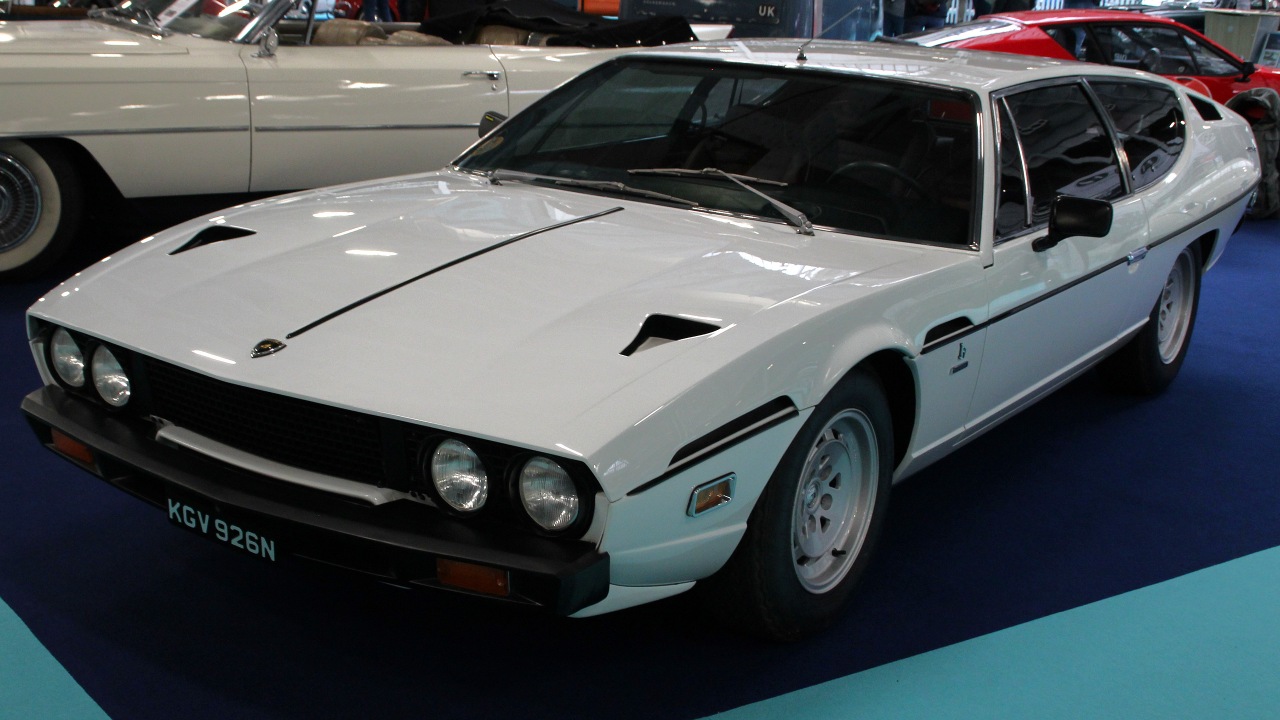
The 1969 Lamborghini Espada did something radical for a brand associated with low, uncompromising exotics: it turned the grand tourer into a four-seat, V12-powered express that could genuinely cross a continent in comfort. By combining supercar performance with space, visibility, and everyday usability, it reset expectations for what a high performance GT could be in the late 1960s and early 1970s.
Rather than chasing lap times or racing glory, the Espada focused on speed that could be used for hours at a time, with luggage and passengers, at a time when most supercars were cramped and temperamental. That shift in priorities, backed by bold design and serious engineering, is what allowed this long, low four seater to quietly redefine grand touring.
A grand tourer built around real-world speed
From the start, the Espada was engineered as a car that could sustain very high speeds without punishing its occupants, which is the core promise of any true grand tourer. Contemporary accounts describe the 1969 Lamborghini Espada Series I as capable of cruising at 240 km/h with four people on board, air conditioning running, and a sense of security that matched its speed. That combination of velocity, refinement, and capacity went beyond what most Italian exotics of the era even attempted, and it aligned perfectly with Ferruccio Lamborghini’s preference for fast, elegant road cars rather than track-focused machines.
The Espada’s grand touring credentials were not theoretical. Decades later, owners have used the car exactly as intended, taking it on long European journeys that underline how usable that performance really is. One driver, recounting a multi country trip, noted that the maximum speed reached was 120 mph on the German Autobahn, but that the car was generally kept to lower, more relaxed cruising speeds to preserve comfort and mechanical sympathy. That kind of real world testimony shows that the Espada’s blend of pace and composure was not just a spec sheet boast, but a quality that made it a genuine long distance companion rather than a fragile weekend toy.
Design to shock, practicality to surprise
The Espada’s impact on grand touring started with how it looked. Designer Marcello Gandini conceived the car “with an idea to shock,” and the result was a low, wide, almost shooting brake like profile that bore little resemblance to the traditional two door GT coupes of the time. The long glasshouse, abrupt rear cut off, and expansive side windows were not just visual drama, they created the visibility and interior volume that made the Espada a credible four seater. That design decision, rooted in Gandini’s willingness to push beyond convention, allowed Lamborghini to offer a car that could carry adults in the rear seats without turning the cabin into an afterthought.
What made the Espada truly disruptive, though, was how that dramatic shape translated into day to day practicality. Enthusiasts who have driven and lived with the car describe it as “the most practical super car in the 70s,” a machine with good visibility, usable space, and road manners that defy its exotic badge. One owner summed up the surprise with a blunt “WHAT!?” before noting that everything in the car seems quite well resolved for its era and that it drives well. In a segment where cramped interiors and poor sightlines were often accepted as the price of style, the Espada proved that a V12 GT could be both visually shocking and genuinely livable.
Four seats, real comfort, and a new GT template
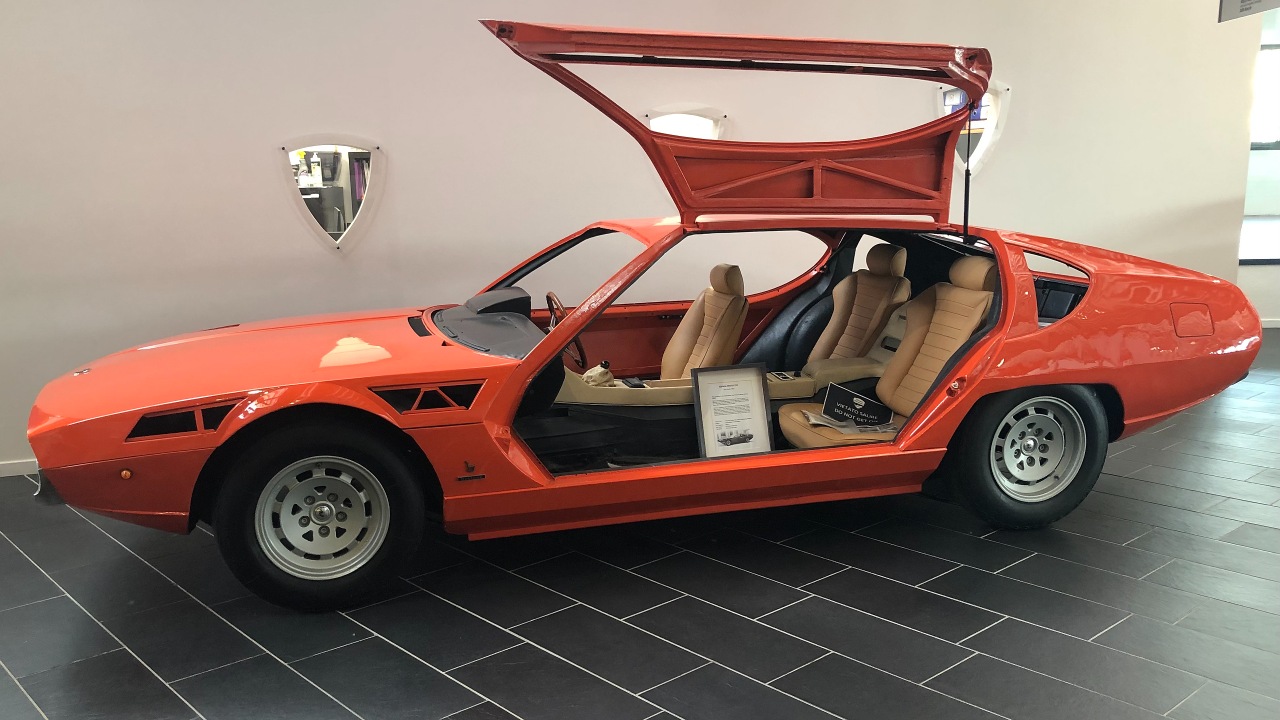
By insisting on four proper seats and a comfortable cabin, Lamborghini pushed the definition of a grand tourer beyond the usual 2+2 compromise. Reports on the 1969 Lamborghini Espada Series I emphasize that it could carry four people comfortably at very high speeds, with air conditioning maintaining a pleasant environment and enough luggage space to handle what one account called its passengers’ “doubtlessly extensive wardrobe.” That level of practicality, paired with a front mounted V12 and long range cruising ability, effectively turned the Espada into a high speed family express at a time when most performance cars were barely suitable for two adults and an overnight bag.
Long distance drives in surviving Espadas confirm that this was not marketing spin. On a grand tour of Europe, an owner highlighted how the car’s seating position, ride quality, and stability made it easy to cover serious mileage without fatigue, even when using stretches of unrestricted German Autobahn to stretch its legs. The fact that the driver chose to keep speeds below the car’s maximum potential for most of the trip underscores a key point about grand touring: what matters is not the top speed figure, but how relaxed and secure the car feels at the fast but sustainable pace that defines real world travel. The Espada delivered that balance in a way few contemporaries could match.
From outlier to best seller
Although it looked radical, the Espada quickly became one of Lamborghini’s commercial pillars, which shows how strongly its grand touring formula resonated with buyers. Period analysis notes that the Espada grew into one of the highest selling models ever for the Raging Bull, a remarkable outcome for a car that had been conceived with such a provocative design brief. That success suggests that customers were ready for a different kind of Italian performance car, one that could handle daily life and long journeys without sacrificing the drama and speed they expected from the badge.
The car’s reputation among enthusiasts has evolved in parallel. Some modern commentators still call it the “weirdest Lamborghini ever,” pointing to its unusual proportions and four seat layout, but those same voices often concede that it drives well and offers a level of practicality that was almost unheard of in its era. That mix of initial skepticism and eventual respect mirrors the broader shift in how grand tourers are judged today, where usability and comfort sit alongside performance as essential criteria. In that sense, the Espada’s commercial and cultural trajectory helped normalize the idea that a top tier GT could be both eccentric and deeply functional.
A legacy written into modern grand tourers
Looking back from today’s landscape of powerful, comfortable four seat GTs, it is clear that the Espada anticipated many of the qualities that define the segment. Its ability to cruise at 240 km/h with four occupants, air conditioning, and luggage set a benchmark for combining speed with civility that modern grand tourers still chase. The car’s long distance exploits on routes like the German Autobahn show that it was not just a styling exercise, but a machine built to turn high speed travel into something routine rather than exceptional.
For me, that is where the 1969 Lamborghini Espada truly redefined grand touring: it treated performance as a tool for effortless travel, not an end in itself, and wrapped that philosophy in a body that refused to blend in. By uniting Marcello Gandini’s “idea to shock” with Ferruccio Lamborghini’s focus on fast, elegant road cars, the Espada created a template for the practical super GT that later brands and models would follow. Its mix of V12 power, four seat comfort, and everyday usability did not just expand Lamborghini’s range, it expanded the very idea of what a grand tourer could be.
More from Fast Lane Only: