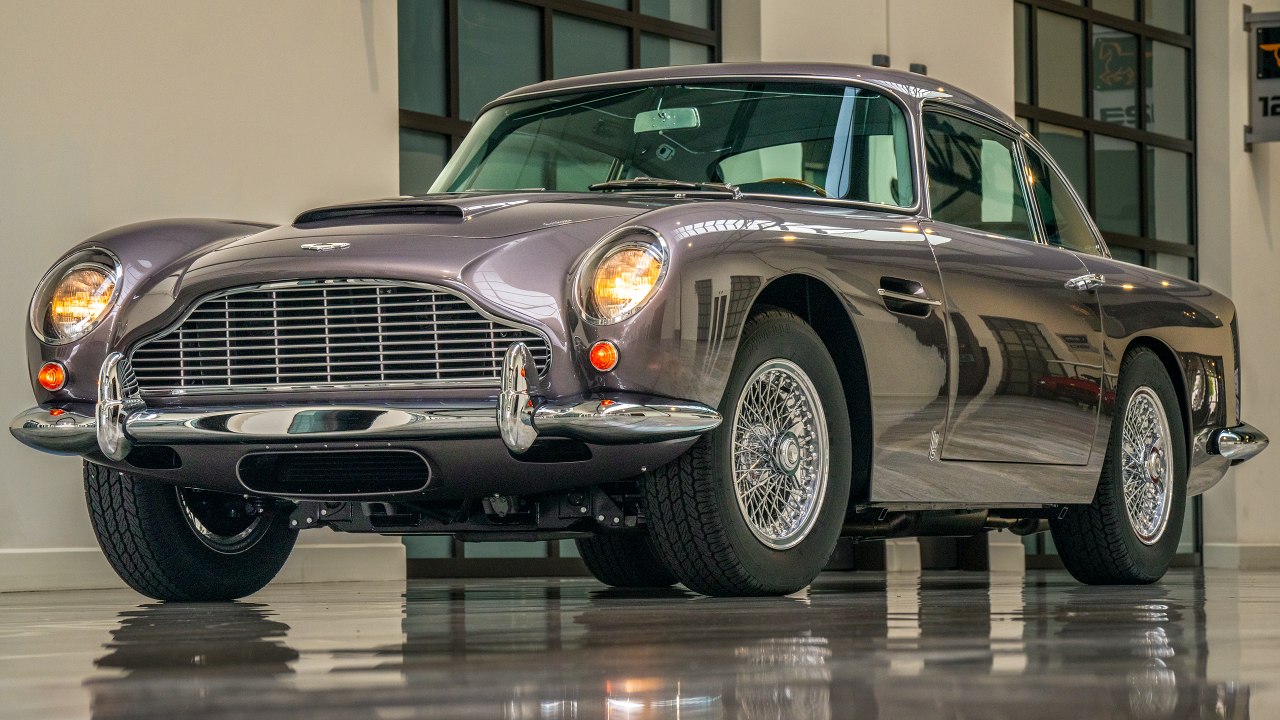
The 1965 Aston Martin DB5 did more than star in a film. It fused British engineering, tailored luxury, and cinematic fantasy into a single silhouette that still defines what a “cool” car looks and feels like. Six decades on, its shape, sound, and story continue to set the benchmark for how culture imagines style on four wheels.
To understand why that one model year still looms so large, I need to look at the DB5 not just as a collectible but as a turning point. Its design, mechanical substance, and James Bond mythology combined at exactly the right moment, and the result is a car that remains instantly recognizable even to people who have never driven a manual transmission.
The DB5 as the blueprint for modern cool
Cool is usually a mix of understatement and confidence, and the Aston Martin DB5 captured that balance with rare precision. Its proportions are athletic but not aggressive, with a long bonnet, compact cabin, and subtle rear haunches that suggest speed without shouting about it. Contemporary accounts describe the DB5 as a global phenomenon and “the most famous car in the world,” a status that reflects how its shape became shorthand for suave sophistication rather than raw performance alone. The car’s hand-finished bodywork and restrained chrome detailing gave it the presence of a tailored suit, which is why it still looks at home in modern city streets rather than trapped in its own era.
Underneath the styling, the DB5 backed up its image with serious engineering, which is essential to why it still feels authentic rather than purely nostalgic. The model evolved from the earlier DB4 series, but period reviews and later analyses emphasize that it was more than a cosmetic refresh. The 4.0‑liter straight‑six engine delivered a meaningful step up in power, and the chassis and equipment updates made it a genuine high-speed grand tourer rather than a fragile showpiece. That combination of real capability and elegant restraint is what modern manufacturers still chase when they talk about “driver’s cars” that can cross continents in comfort.
Engineering substance behind the style
For all the attention on its movie career, the 1965 Aston Martin DB5 earned its reputation first by being a serious machine. The enlarged 4.0‑liter engine, derived from the DB4 but reworked for more power, gave the car the kind of performance that matched its glamorous image. Factory figures and later retrospectives highlight that the DB5’s extra power was part of a broader package of technical improvements, including upgraded brakes and refined suspension tuning, that made high-speed cruising feel composed rather than frantic. This was a car designed to sit comfortably in the fast lane for hours, not just sprint between traffic lights.
Transmission technology was another quiet revolution that helped the DB5 feel modern in its day and usable in ours. Earlier cars had relied on four-speed gearboxes, but within a short time all DB5s were fitted with a ZF five‑speed gearbox as standard. That extra ratio improved both acceleration flexibility and relaxed cruising, reinforcing the car’s identity as a grand tourer rather than a stripped-back sports car. Later factory retrospectives describe the DB5’s technical package, including the debut of electric windows and other equipment upgrades, as a key step on the path to what the brand now calls its “Super Tourer” philosophy. In other words, the DB5 did not just look advanced, it quietly set the template for how a fast luxury car should work.
From road car to James Bond icon
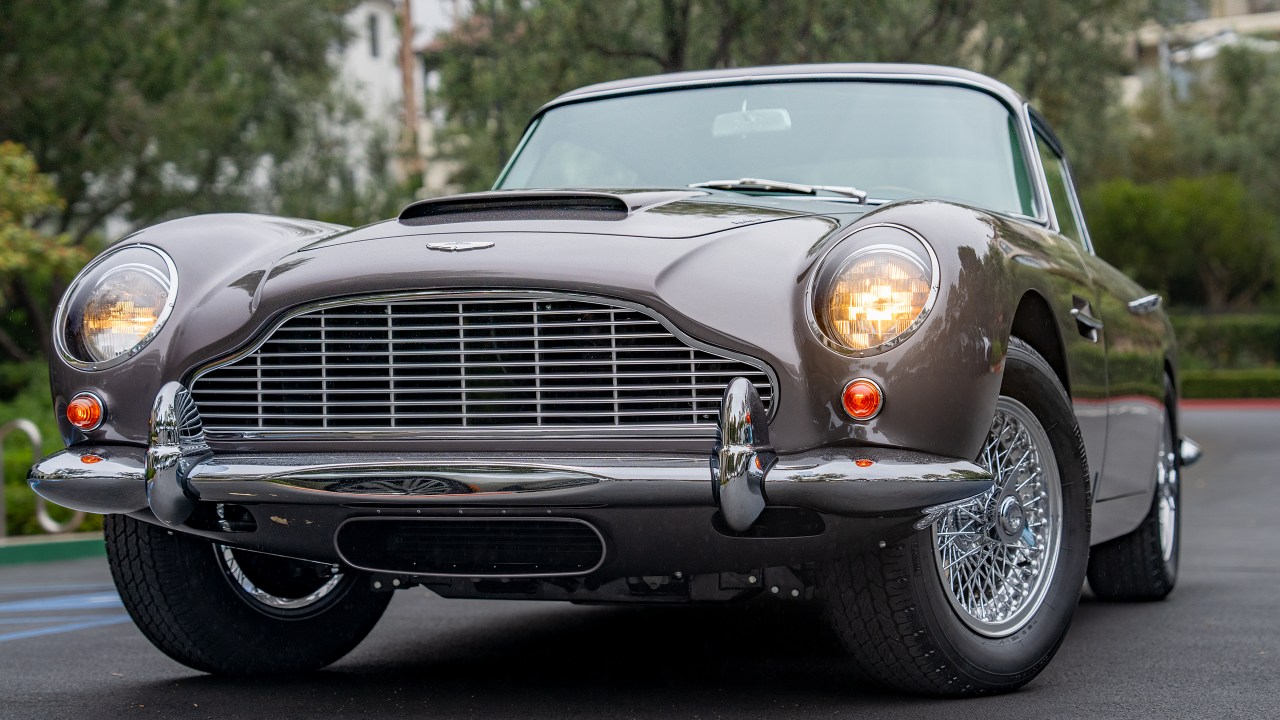
The DB5’s leap from admired grand tourer to cultural icon came when it was cast as James Bond’s car, a pairing that permanently welded the model to the idea of effortless cool. On screen, the Aston Martin became an extension of the character: refined, dangerous, and always prepared. The gadgets fitted to the movie cars, from revolving number plates to hidden weapons, turned the DB5 into a fantasy object, but they were layered on top of a car that already embodied the right mix of elegance and menace. That is why the association stuck so powerfully, and why later Bond films kept returning to the same silhouette even as the character and plots evolved.
The strength of that bond between car and character is clear in the way collectors treat Bond‑spec DB5s today. At a high-profile auction, a 1965 Aston Martin DB5 built with working Q‑style gadgets sold for 6,400,000 dollars, a figure that reflects both the car’s intrinsic rarity and the value of its cinematic story. Reports on that sale note that the gadgets were not mere props but functional recreations of the film equipment, underscoring how deeply the Bond mythology has been engineered into some of these cars. When a single DB5 can command that kind of price, it signals that the model has moved beyond the normal collector market into the realm of cultural artifact.
Sixty years of influence on Aston Martin and beyond
The DB5 did not just boost one film franchise, it reshaped the trajectory of Aston Martin itself. Company retrospectives credit the car with laying the foundations for the brand’s growth into a globally admired name, arguing that the DB5 set the blueprint for the modern Aston Martin. Its mix of performance, craftsmanship, and cinematic exposure created a halo effect that later models, from the DB6 to contemporary grand tourers, have continued to draw on. When the brand celebrated sixty years of the DB5, it framed the car as the origin point for its current identity as a maker of fast, luxurious “Super Tourers,” a direct acknowledgment that the 1960s design still defines what an Aston Martin should be.
The ripple effect extends beyond one manufacturer. Enthusiast guides describe the DB5 as one of the most iconic cars ever created, a “British jewel of engineering” that set expectations for how a luxury performance car should look and feel. Modern buyers who have never seen a DB5 in person still recognize its outline from posters, toys, and video games, which keeps the car relevant in a way few 1960s machines can match. When analysts describe the DB5 as appealing to almost everyone, car enthusiast or not, they are capturing this broader cultural familiarity. The car’s influence shows up in the way other brands design their own grand tourers, often echoing the DB5’s long bonnet, compact cabin, and clean surfacing to signal timeless style rather than passing fashion.
Why the 1965 model year still matters
Focusing on the 1965 Aston Martin DB5 highlights a moment when all these threads came together at full strength. By that point, the model had benefited from the early production refinements, including the standardization of the ZF five‑speed gearbox, while still sitting at the heart of the Bond era that cemented its legend. Enthusiast features that single out the 1965 DB5 often emphasize this sweet spot, noting that the car combined the matured engineering of a later production run with the pure, uncluttered styling that collectors prize. It was also close enough to the DB5’s introduction, in July of 1963, to retain the sense of freshness that surrounded the model when it first appeared.
When I look at how the DB5 is discussed today, from club histories to specialist model guides, the 1965 examples are treated as reference points. Detailed guides describe the DB5’s blend of timeless style, stirring performance, and effortless charisma, arguing that no other car exudes the same mix of qualities. That language may sound romantic, but it is grounded in the car’s real-world achievements: a technically advanced grand tourer that became a film star without losing its credibility as a driver’s car. The fact that, six decades later, manufacturers still chase the same formula and audiences still respond to that familiar silver shape explains why the 1965 Aston Martin DB5 continues to define what cool looks like on the road.
More from Fast Lane Only: