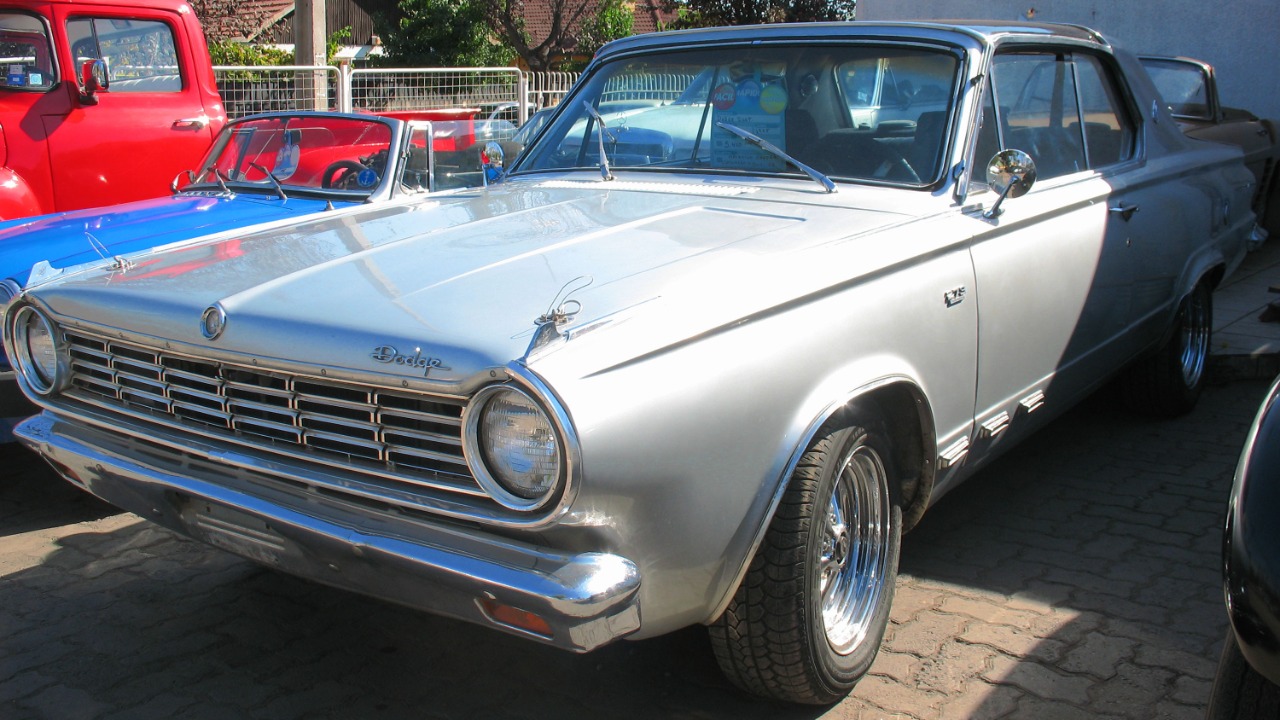
The 1965 Dodge Dart GT arrived in showrooms as a compact on paper but a quiet disruptor in practice, blurring the line between sensible transportation and genuine performance. It did not shout as loudly as the headline muscle cars that followed, yet it delivered power, poise, and practicality in a way that made it far more influential than its size or price suggested. I want to unpack how this trim level in particular managed to feel like a bigger, more expensive car without losing the everyday usability that kept buyers coming back.
To understand why the Dart GT hit so hard, I need to look at how Dodge positioned the third-generation Dart, how the GT’s hardware and tuning elevated it, and how special variants like the Charger 273 package nudged it toward full-bore muscle territory. Along the way, the sales numbers, engine choices, and even Dodge’s broader mid‑sixties lineup help show why this compact could credibly stand alongside much more celebrated performance names.
The compact that thought like a heavyweight
By the mid‑sixties, the Dart had evolved from a tentative compact into a confident small car that anchored Dodge’s lineup. The third generation, introduced in 1963, is where the Dart really found its stride, with a range of body styles and trim levels that let Dodge sell the same basic package to budget buyers and style‑conscious drivers alike. That flexibility mattered, because it meant the GT could be pitched as the aspirational top of a familiar, practical family of cars rather than an exotic one‑off.
The strategy worked. In 1965, Dart production almost reached 207,000 units, a figure that put this compact in the same conversation as more heavily hyped sporty cars of the era. When I look at that number, I see proof that buyers were not just tolerating a small Dodge, they were embracing it as a primary car. The GT trim, with its extra style and performance, sat right at the intersection of that mass appeal and the growing appetite for excitement behind the wheel.
GT hardware: more muscle than the badge suggests
What really let the Dart GT punch above its class was the hardware hiding under its clean, compact sheetmetal. According to detailed Dodge Dart Specifications, buyers could choose from a range of engines that started with sensible sixes and climbed to small‑block V‑8s, culminating in a 273 cubic inch unit rated at 235 BHP (172.96 KW). That spread meant a GT could be ordered as a comfortable cruiser or as a genuinely quick compact that would not embarrass itself against larger intermediates at a stoplight.
The way Dodge tuned that top engine for the GT is where the car’s overachieving character really shows. On the GT, the 235HP V‑8 received a hotter cam and a four‑barrel carburetor, turning what could have been a mild small‑block into a robust and eager powerplant. I read that as Dodge deliberately engineering the GT to feel like more than a trim package; it was a mechanical upgrade that gave the compact real authority on the road, especially when paired with manual transmissions that let drivers keep the engine in its sweet spot.
Everyday livability with a streak of mischief
Power alone does not explain why the Dart GT resonated with so many buyers, and this is where its personality comes into focus. Contemporary impressions describe the GT as a smart compromise for the family driver who still wanted some fun, with one period review calling it a nice balance “for the family man who wants a little extra excitement for his automotive dol.” That line, preserved in a later look back at the car, captures how the GT managed to be both responsible and a little mischievous, a point reinforced in the same Aug review that noted its blend of comfort and verve.
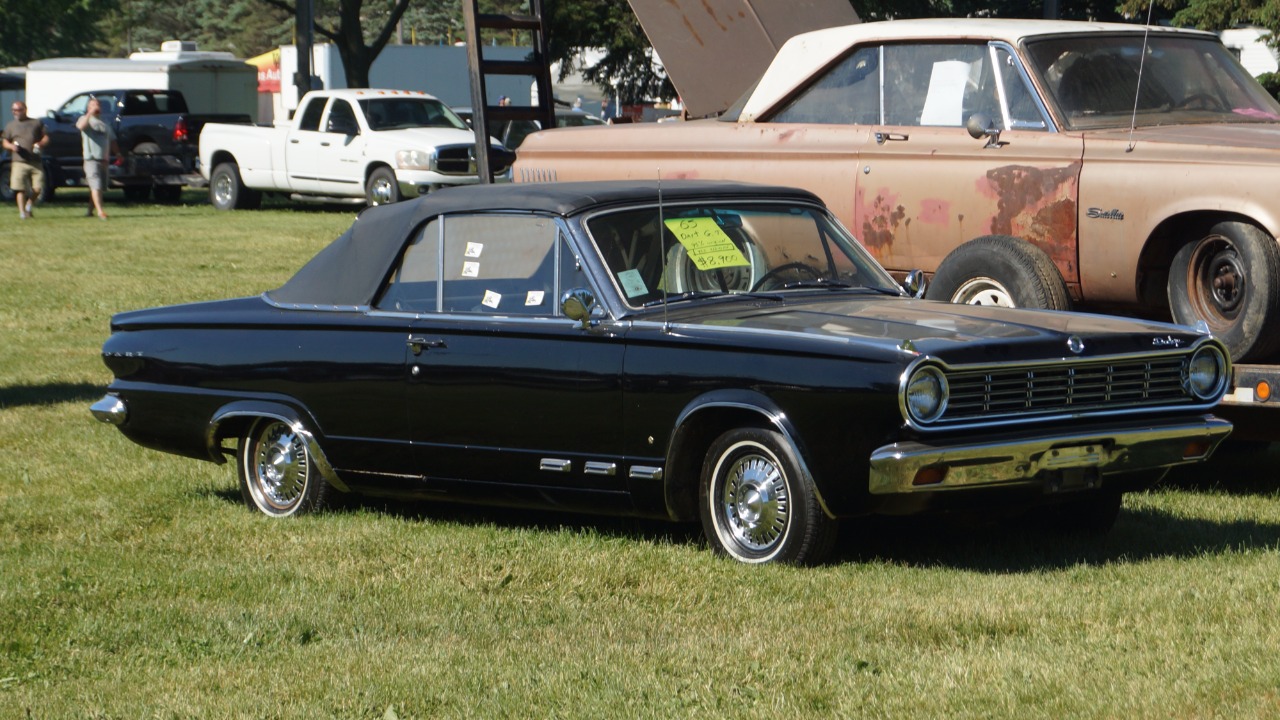
That dual nature shows up again when I look at surviving cars. One Dart GT Convertible is described as a 273 HiPo V8 4 Speed example and praised as a Very Nice Survivor and Unmolested, language that hints at how owners valued originality and everyday usability as much as raw speed. The fact that This Is a convertible, not a stripped‑out racer, underlines the point: the GT could be a sunny‑day cruiser, a commuter, and a back‑road toy all at once, which is not something every compact of the era could claim.
The Charger 273: when the compact went hunting
If the standard GT was the overachieving honor student, the Dart Charger 273 was the kid who secretly trained for the decathlon. Dodge created the Charger 273 as a performance package built around the same 273 cubic inch V‑8, but with a more aggressive personality and a clearer focus on speed. One detailed breakdown of What Should You Know About The Dodge Dart Charger 273 notes that the 1965 Dodge Dart Charger 273 represented a key moment in the lineup, with Finally a compact Dodge that leaned fully into performance while still wearing the Dart badge.
The Charger GT variant sharpened that idea even further. A preserved example is described as a Comando powered car, part of a performance package that included a new Comando motor, a 4‑speed, and a posi rear end, and it was the only production car to ever be sold new with Cragar wheels. When I picture that specification on a compact body, I see a car that could legitimately chase bigger B‑body Dodges down a drag strip, yet still carry Dart GT badges and the basic practicality of the underlying platform.
Context in the Dodge performance universe
To really appreciate how far the Dart GT and its Charger offshoots went, I have to set them against Dodge’s broader mid‑sixties performance push. In the same period, the company was rolling out the 1965 Coronet as part of its B‑body lineup, positioned as a mid‑size car with body styles ranging from 2‑door sedans to convertibles and wagons. A detailed breakdown of the Coronet’s Significance notes that the 65 m model year marked Dodge returning to the intermediate market, with engines ranging from the Slant‑6 225 to small‑block 273 and 318 units, and big‑block 361, 383, 413, and 426 Wedge options, plus the legendary 426 HEMI in limited numbers. Against that backdrop, the Dart GT’s 273 looks modest on paper, but in a lighter shell it delivered a power‑to‑weight punch that made the compact feel far more serious than its spec sheet might suggest.
At the extreme end of Dodge performance, factory‑backed drag cars were pushing the limits of what a production body could handle. Some altered‑wheelbase machines were essentially race cars that only resembled a 1965 Dodge, with Fit and finish taking a back seat to quarter‑mile times. The Dart GT never went that far, and that is precisely why it matters: it translated some of the same engineering know‑how into a car that ordinary buyers could afford, register, and live with every day. In that sense, the GT and its Charger 273 sibling served as a bridge between the sensible compacts that kept the lights on at dealerships and the wild machines that built Dodge’s performance reputation.
More from Fast Lane Only: