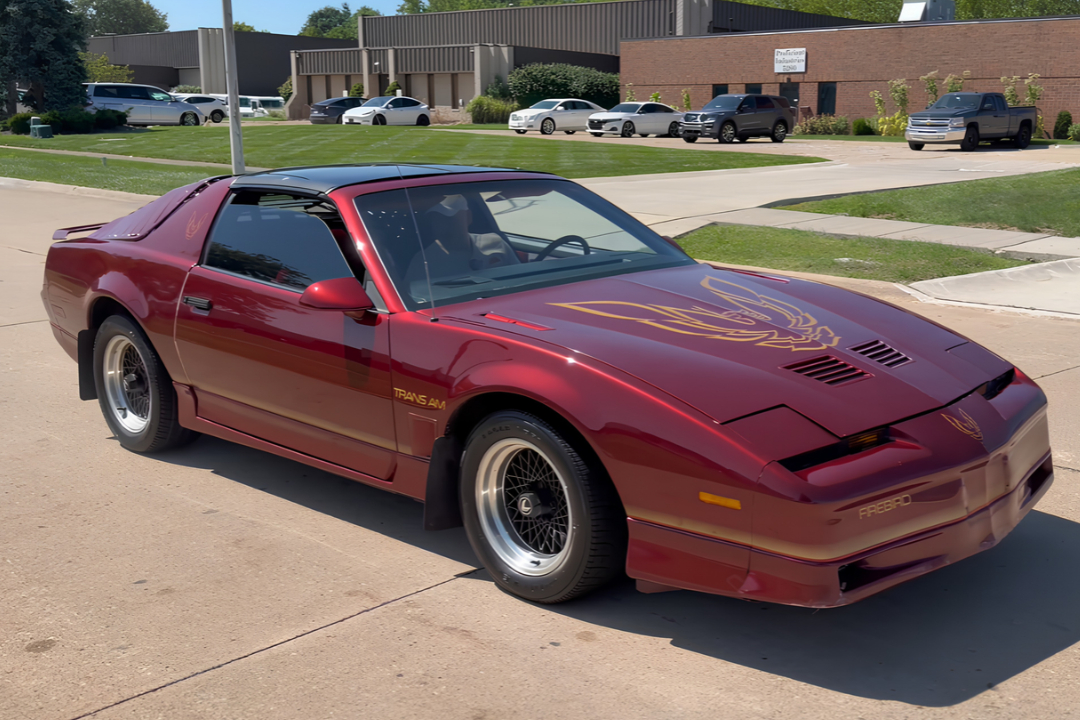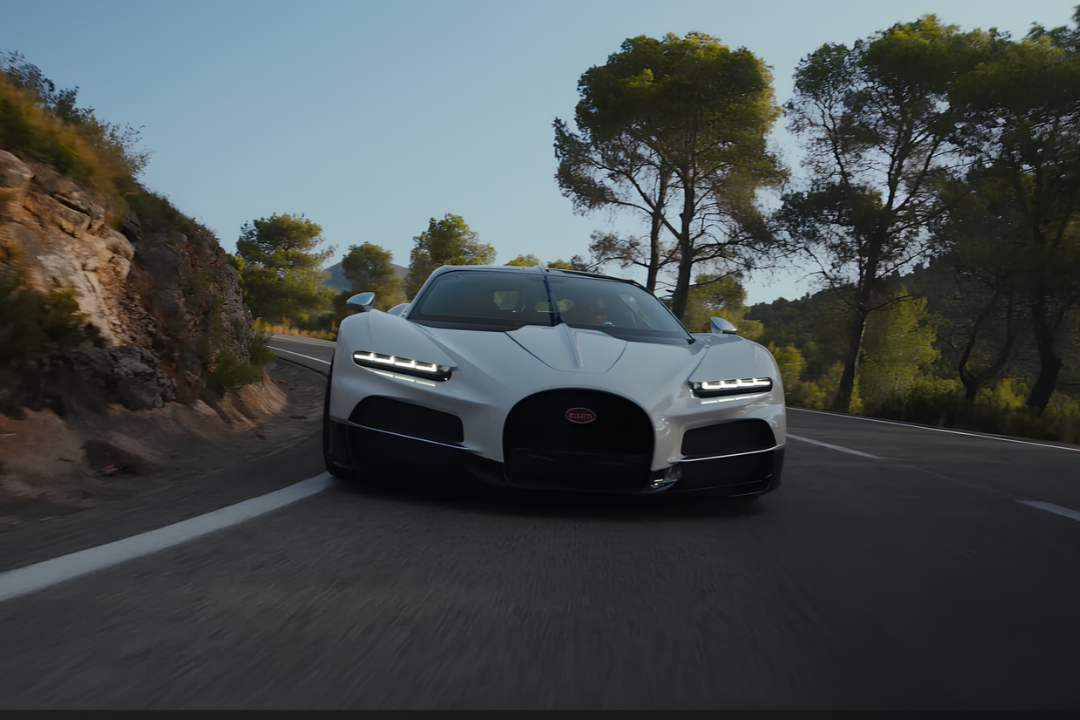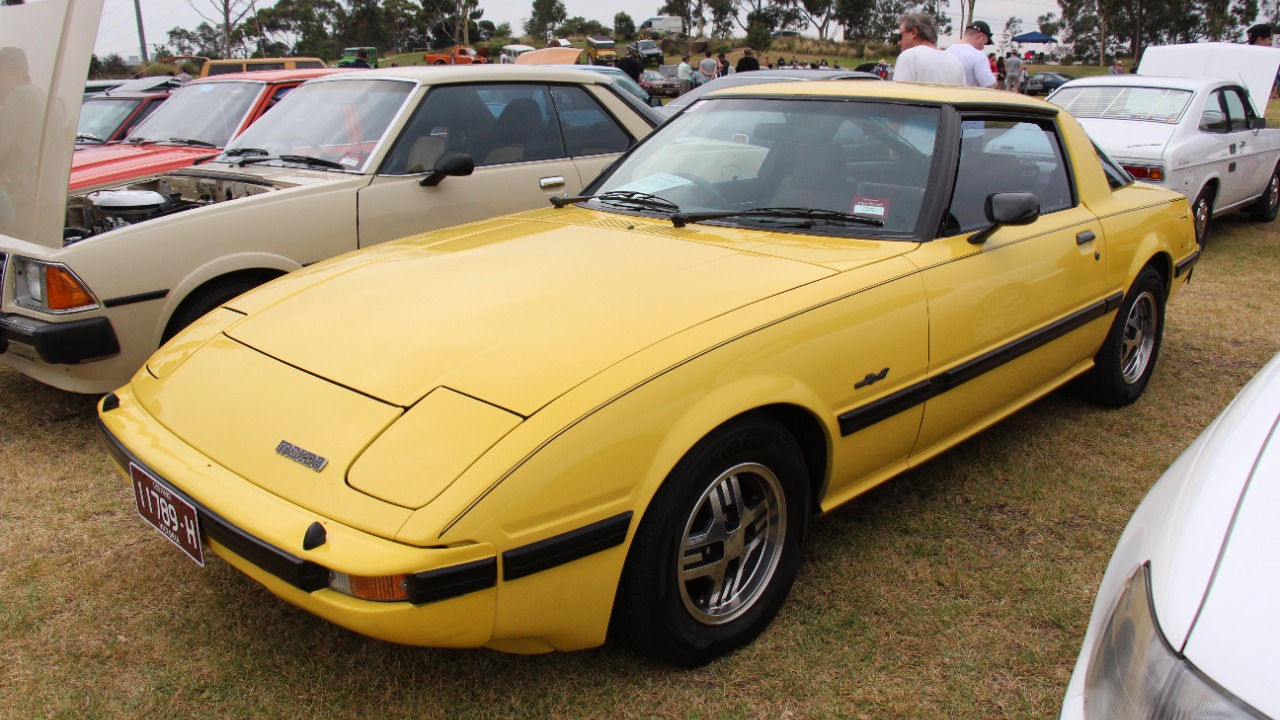
As automotive technology continues to evolve, many road cars have made significant impacts on the industry, yet they often fade into obscurity. These forgotten models not only shaped their eras but also laid the groundwork for innovations we appreciate today. From unique design philosophies to groundbreaking engineering, here are nine road cars that, while not in the spotlight, have left a lasting legacy.
The DeLorean DMC-12
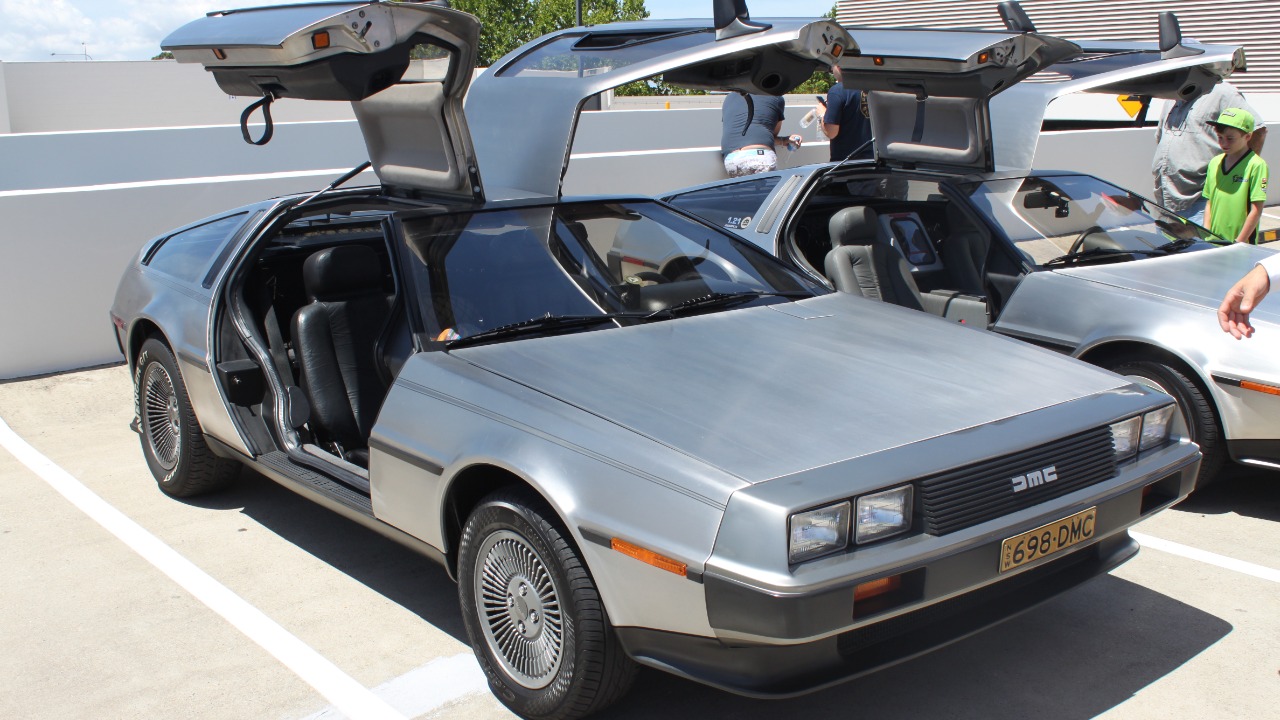
The DeLorean DMC-12, produced between 1981 and 1983, is often remembered for its iconic gullwing doors and stainless-steel body. While its production was short-lived, the car became a symbol of innovation that encapsulated the spirit of the ’80s. Its futuristic look has been immortalized in pop culture, particularly in the Back to the Future franchise. Beyond aesthetics, the DMC-12 was one of the first mass-produced cars to feature a fiberglass-reinforced plastic chassis, which influenced future car designs by emphasizing lightweight materials. The car’s struggles with production quality and performance have overshadowed its pioneering aspects, but it remains a significant milestone in automotive history.
Despite its issues, the DeLorean paved the way for a different approach to sports cars, one that focused on innovation rather than sheer power. Its design and engineering concepts have influenced various automakers who sought to combine style with substance. Today, the DMC-12 serves as a reminder of what happens when ambition meets execution challenges, making it a fascinating case study in automotive evolution.
The Citroën DS
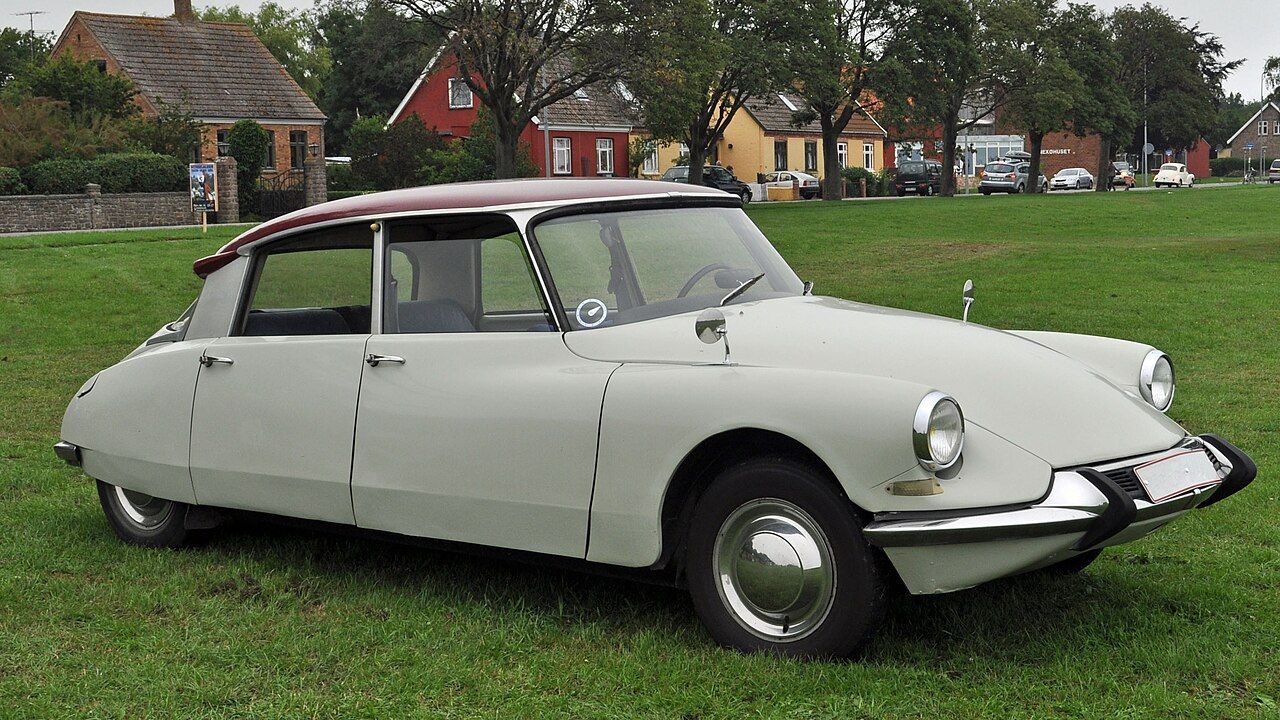
Launched in 1955, the Citroën DS revolutionized the automotive industry with its avant-garde design and advanced technology. Its aerodynamic shape and distinctive styling turned heads, but it was the innovative features like hydropneumatic suspension and power steering that truly set it apart. This technology not only ensured a smooth ride but also influenced future designs, as other manufacturers began to incorporate similar systems into their vehicles. The DS quickly became an icon of French engineering, celebrated for its comfort and elegance.
What’s remarkable about the Citroën DS is its cultural impact; it became a symbol of modernity and progress during a time of significant societal change in France. The car’s design philosophy and engineering solutions paved the way for future luxury vehicles. As I study its influence, I can’t help but appreciate how it encouraged other brands to prioritize comfort and innovation, a trend that persists in today’s automotive market. Learn more about its history in this detailed account.
The Lancia Stratos
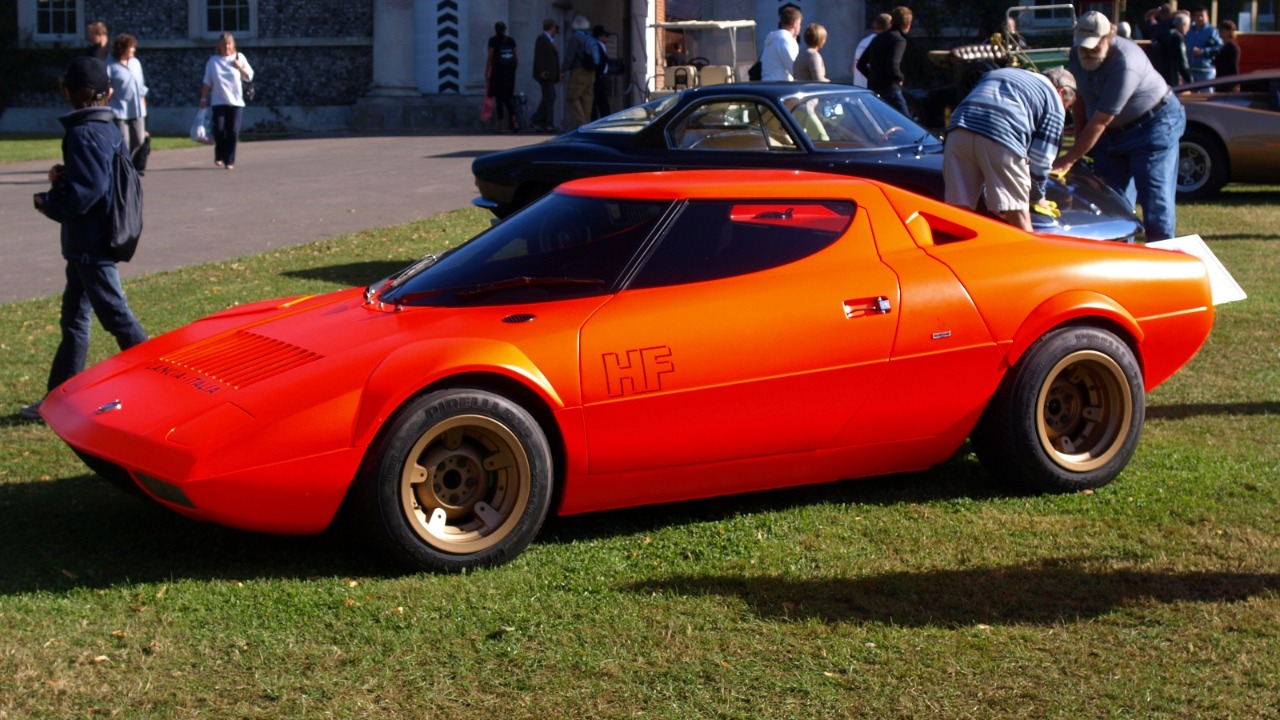
The Lancia Stratos, produced in the mid-1970s, is a prime example of how a seemingly niche vehicle can influence the broader automotive landscape. This rally car was designed specifically for competition, boasting a mid-engine layout and a compact body that provided exceptional handling. The Stratos’ success in motorsport, particularly in the World Rally Championship, showcased the potential of lightweight design and agile performance, influencing future sports cars and rally vehicles.
With its aggressive styling and unique design, the Lancia Stratos also ushered in a new era of automotive aesthetics. Its impact can be seen in cars that prioritize performance while maintaining distinct visual appeal. The innovative engineering behind the Stratos laid the groundwork for manufacturers to explore unconventional designs in sports cars. Examining its legacy, it’s clear that the Stratos was more than just a successful rally car; it was a game-changer that inspired future generations of automotive enthusiasts.
The BMW M1

Developed in the late 1970s, the BMW M1 was the automaker’s first foray into the supercar market. This mid-engine vehicle combined high performance with striking aesthetics, featuring a design by the renowned artist Giugiaro. Despite its limited production run from 1978 to 1981, the M1’s influence has been felt through the decades, particularly in BMW’s subsequent M series. It was well ahead of its time, showcasing the potential of turbocharging and lightweight materials.
The M1 played a pivotal role in establishing BMW as a performance-oriented brand, setting a benchmark that many competitors would strive to meet. Its racing pedigree, including participation in the Procar series, further solidified its status in automotive lore. The M1’s legacy is evident in how modern supercars are engineered, with a focus on combining luxury with exhilarating performance. The car’s impact on both motorsport and consumer vehicles is a testament to its forward-thinking design and engineering. I recommend watching this video for a closer look at its history.
The Pontiac Fiero

The Pontiac Fiero, produced between 1984 and 1988, was an ambitious project aimed at delivering a sporty, affordable American car. Its mid-engine layout was relatively rare among production vehicles and offered a unique driving experience that appealed to enthusiasts. The Fiero was marketed as a “true sports car,” and while it faced some criticism for its build quality and performance, it introduced many drivers to the concept of mid-engine dynamics.
Beyond its performance, the Fiero’s design influenced a generation of compact sports cars. Its styling cues and engineering solutions were later adopted by other manufacturers looking to capture a similar market segment. Although it didn’t achieve lasting commercial success, the Fiero’s role in promoting the idea of an affordable sports car remains significant. Its development paved the way for future models that aimed to marry performance with accessibility, inspiring a new wave of automotive creativity.
The Renault Avantime

Launched in 2001, the Renault Avantime was an ambitious attempt to blend coupe and MPV characteristics into a unique package. With its striking design and spacious interior, the Avantime stood out on the road, although it struggled to find a market. Despite its short production run, the Avantime introduced innovative features, such as a panoramic glass roof and modular interior space, that would later influence the design of multi-purpose vehicles.
The Avantime’s bold styling and concept-driven approach encouraged other manufacturers to think outside the box when designing vehicles. It served as a precursor to the trend of crossovers that has dominated the automotive market in recent years. While not a commercial success, the Avantime’s emphasis on style and versatility has left a lasting impression, inspiring future designs that prioritize both aesthetics and functionality.
The Mazda RX-7
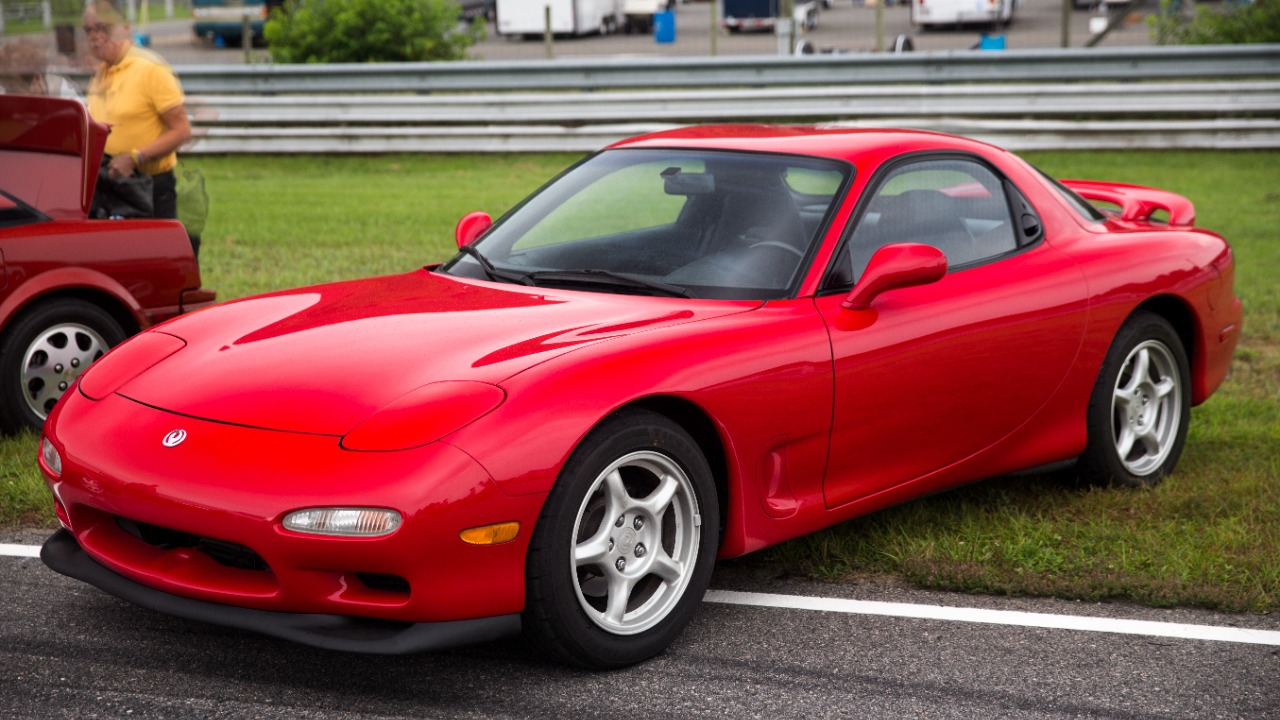
The Mazda RX-7, first introduced in 1978, is celebrated for its innovative rotary engine and lightweight design. This sports car gained a cult following due to its unique powertrain, which provided a thrilling driving experience while maintaining impressive fuel efficiency. The RX-7’s engineering challenged traditional notions of performance and efficiency, paving the way for alternative engine technologies in the automotive world.
Throughout its production, the RX-7 was a formidable competitor in motorsports, showcasing the capabilities of rotary engines in various racing formats. Its success not only solidified Mazda’s reputation as an innovative manufacturer but also inspired other automakers to experiment with unconventional technologies. The RX-7’s legacy is evident in how it continues to influence enthusiasts and manufacturers alike, proving that innovative design and engineering can lead to remarkable performance.
The Alfa Romeo Milano
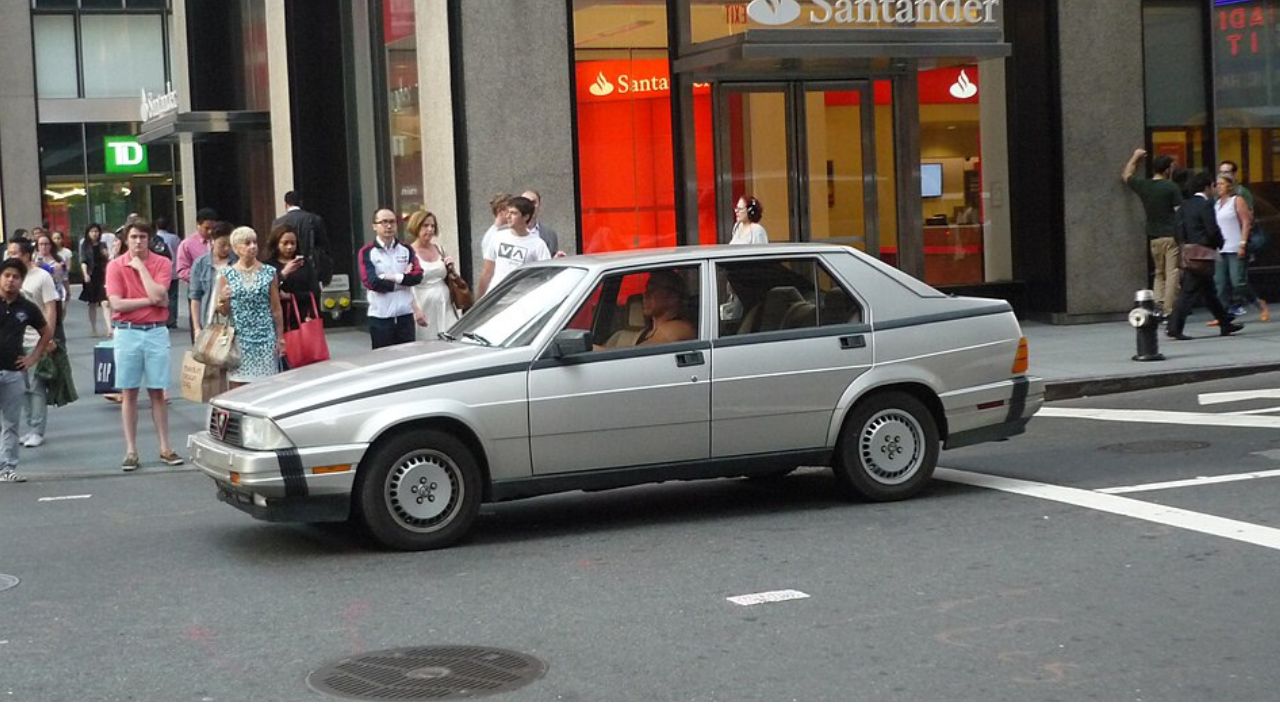
Produced in the 1980s, the Alfa Romeo Milano was known for its engaging driving dynamics and distinctive Italian styling. This compact sports sedan featured a transaxle layout and rear-wheel drive, which contributed to its balanced handling and spirited performance. The Milano embodied the essence of Italian engineering, focusing on driving pleasure and stylish design.
Despite its limited availability in some markets, the Milano’s engineering concepts influenced other manufacturers looking to create sport-oriented sedans. It showcased the potential for compact cars to deliver an exhilarating driving experience without compromising on practicality. The Milano’s legacy is evident in the modern performance sedans that prioritize handling and driver engagement, reminding us that even less popular models can significantly shape the automotive landscape.
The Ford SVT Cobra R
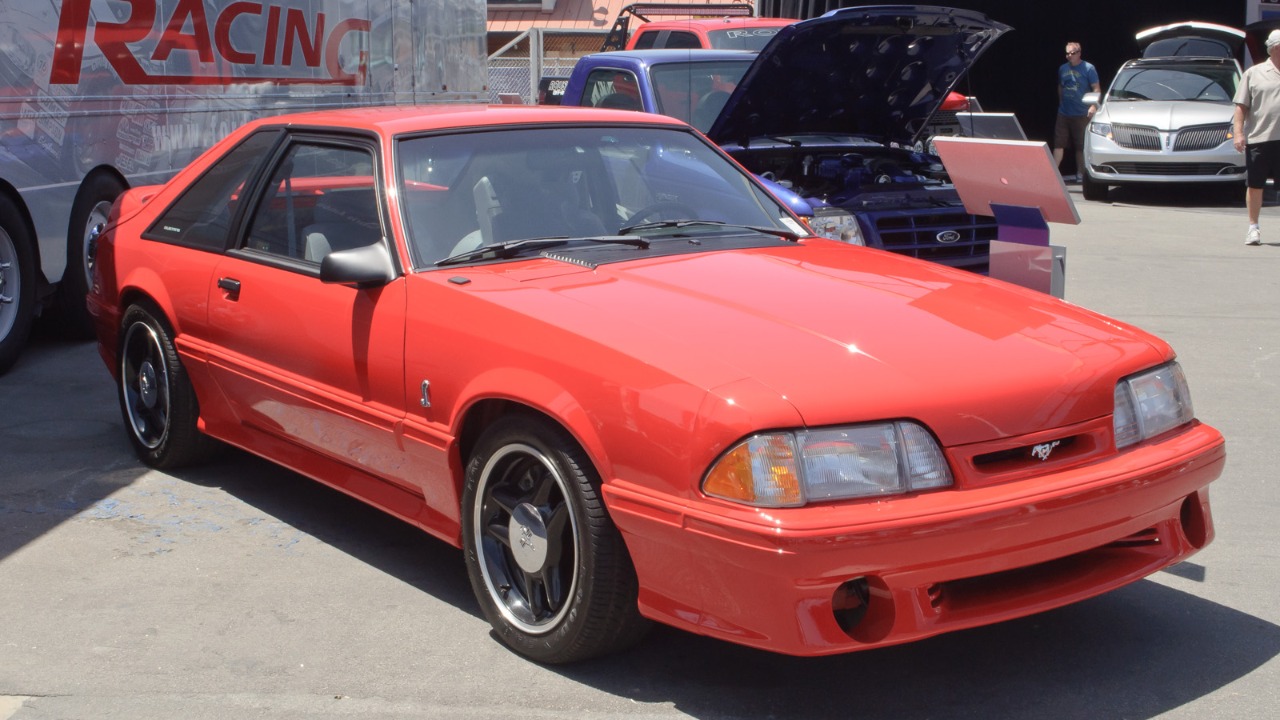
The Ford SVT Cobra R, produced in 2000, was an extreme version of the Mustang that showcased Ford’s commitment to performance. With a focus on track capabilities, this limited-production model featured upgraded suspension, enhanced aerodynamics, and a powerful V8 engine. The Cobra R not only set performance benchmarks but also highlighted the importance of balancing power with handling, a lesson that resonates in today’s performance vehicles.
Despite its short production run, the SVT Cobra R has become a sought-after collectible, revered for its raw performance and distinctive styling. Its impact on the Mustang lineage and American muscle cars cannot be understated, as it pushed the boundaries of what a production vehicle could achieve. By examining its role in the evolution of performance cars, it becomes clear that the Cobra R laid the groundwork for future iterations of the Mustang and solidified Ford’s reputation in the performance segment.
More from Fast Lane Only
- Unboxing the WWII Jeep in a Crate
- 15 rare Chevys collectors are quietly buying
- 10 underrated V8s still worth hunting down
- Police notice this before you even roll window down
*Research for this article included AI assistance, with all final content reviewed by human editors.