Some motorcycles become famous because they are fast, beautiful, expensive, or technologically advanced. Others build their reputations in a much quieter way. They get ridden every day, survive neglected maintenance, rack up enormous mileage, and somehow keep showing up for work long after newer machines have come and gone.
That kind of reliability rarely gets the same attention as horsepower or styling, but it creates something just as valuable. Riders begin trusting a motorcycle because it has already proven itself. From simple singles and old-school Japanese fours to long-distance tourers and adventure bikes, these 20 motorcycles developed reputations for staying on the road when their owners needed them most.
Honda Super Cub
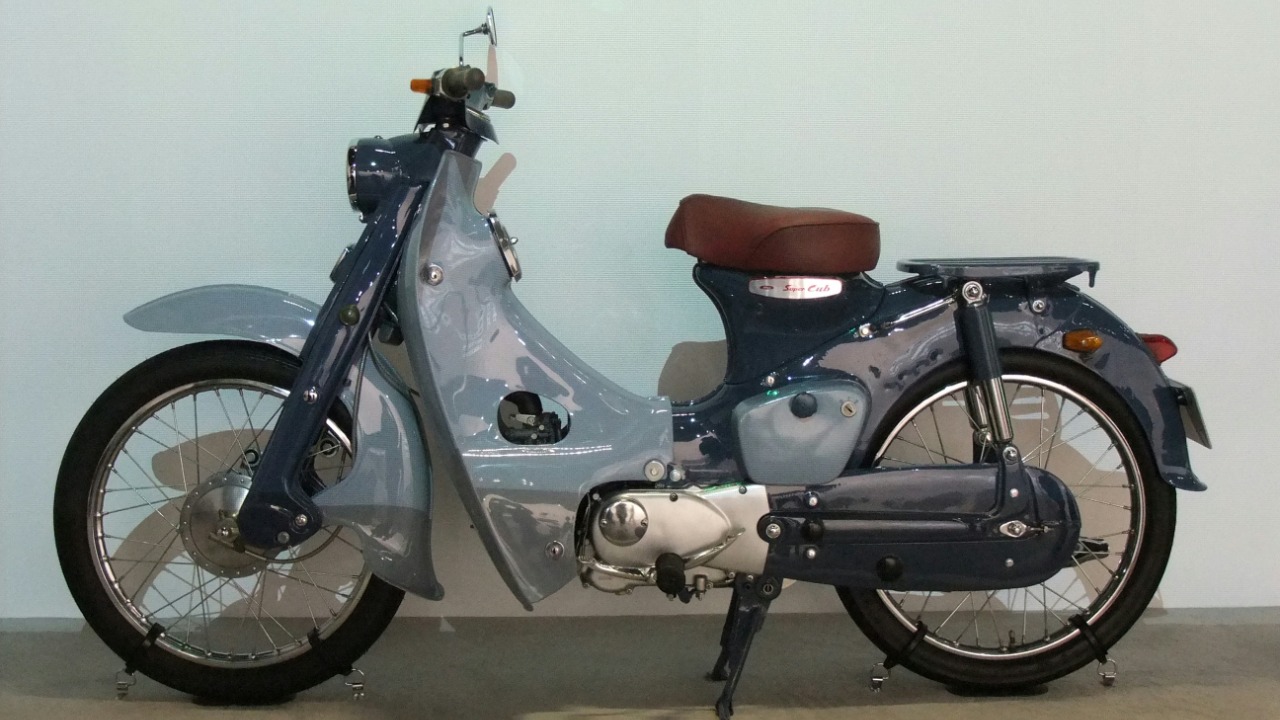
Few motorcycles have demonstrated the value of simple engineering quite like the Honda Super Cub. Introduced in 1958, the little step-through combined an uncomplicated four-stroke engine, automatic centrifugal clutch, practical frame, and easy-to-use controls in a package that could handle everyday transportation without demanding much from its owner. The Super Cub became a worldwide workhorse, appearing in markets where motorcycles were expected to carry people, supplies, and sometimes considerably more than the designers probably imagined. Its enormous production numbers also meant that knowledge, parts, and mechanical familiarity spread almost everywhere the bike was sold. The Super Cub did not need superbike performance to become important. It simply had to start, run, and keep doing its job, which is exactly why generations of riders came to trust it.
BMW K75
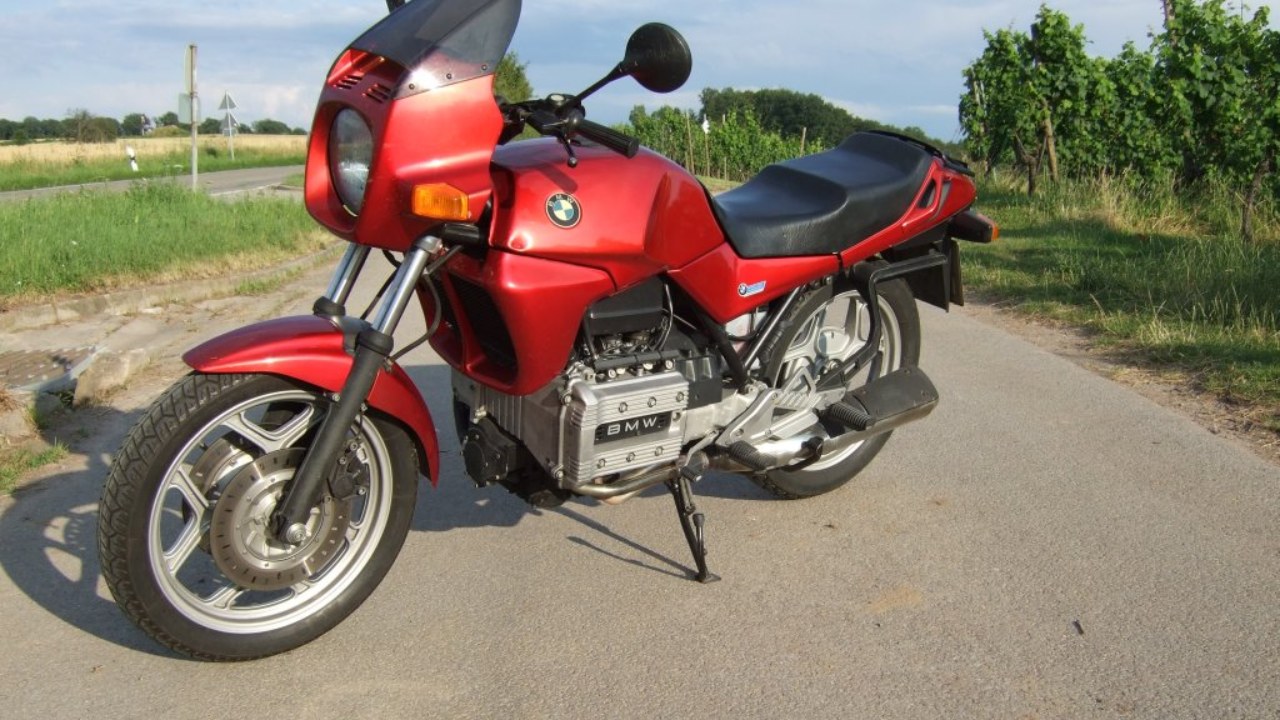
BMW’s K75 never got the attention lavished on its four-cylinder K100 sibling, but it built a loyal following by simply refusing to wear out. Built from 1985 to 1995, it used a 740cc liquid-cooled inline triple laid on its side, essentially the K100 layout with one cylinder removed, along with Bosch fuel injection, electronic ignition, and shaft drive. Rated at 75 hp, it was BMW’s least expensive model when new and ran more smoothly than the bigger K bikes. Specialists say these engines can easily pass 100,000 miles, and the bucket-and-shim valve clearances can be checked without tearing the bike apart. Its quirks are well known and manageable, such as a puff of smoke after sitting on the sidestand. Clean oil and regular riding are most of what a K75 asks for, which is why so many are still covering ground today.
Suzuki GS500E
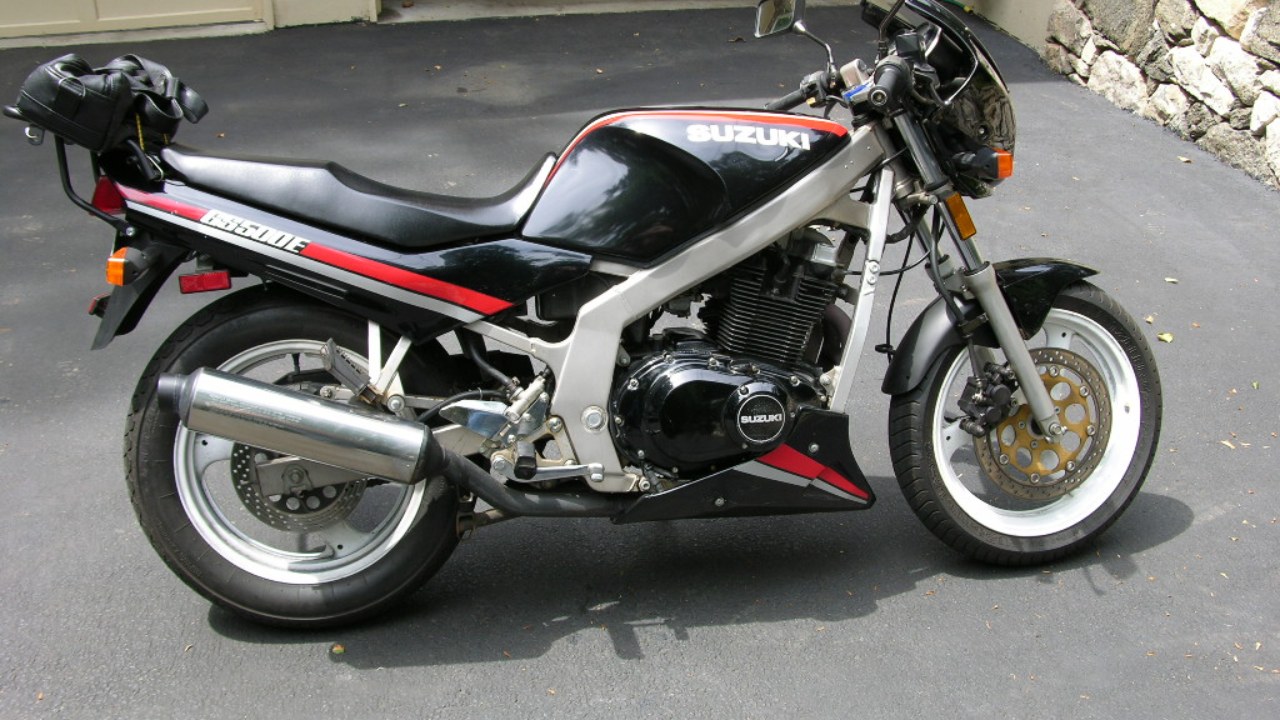
Suzuki’s GS500E proved that a motorcycle doesn’t need cutting-edge technology to earn a reputation for toughness. Launched for 1989, it paired a 487cc air-cooled parallel twin with double overhead cams, four valves, a counterbalancer, and a six-speed gearbox, all in a rigid frame that handled better than a typical commuter. Its engine traced its lineage to Suzuki’s first GS four-strokes of the late 1970s, and the basic formula carried on until 2008 with only modest updates. That long run made the GS500 a common first big bike, and some spent their lives as lesson machines in the hands of beginners. Mechanics have described the engine as about as reliable as they come, and owners report high mileages with little more than oil changes, valve checks, and chain care. On older examples, rust and seized suspension linkages are the usual enemies, not the motor itself.
Yamaha TW200
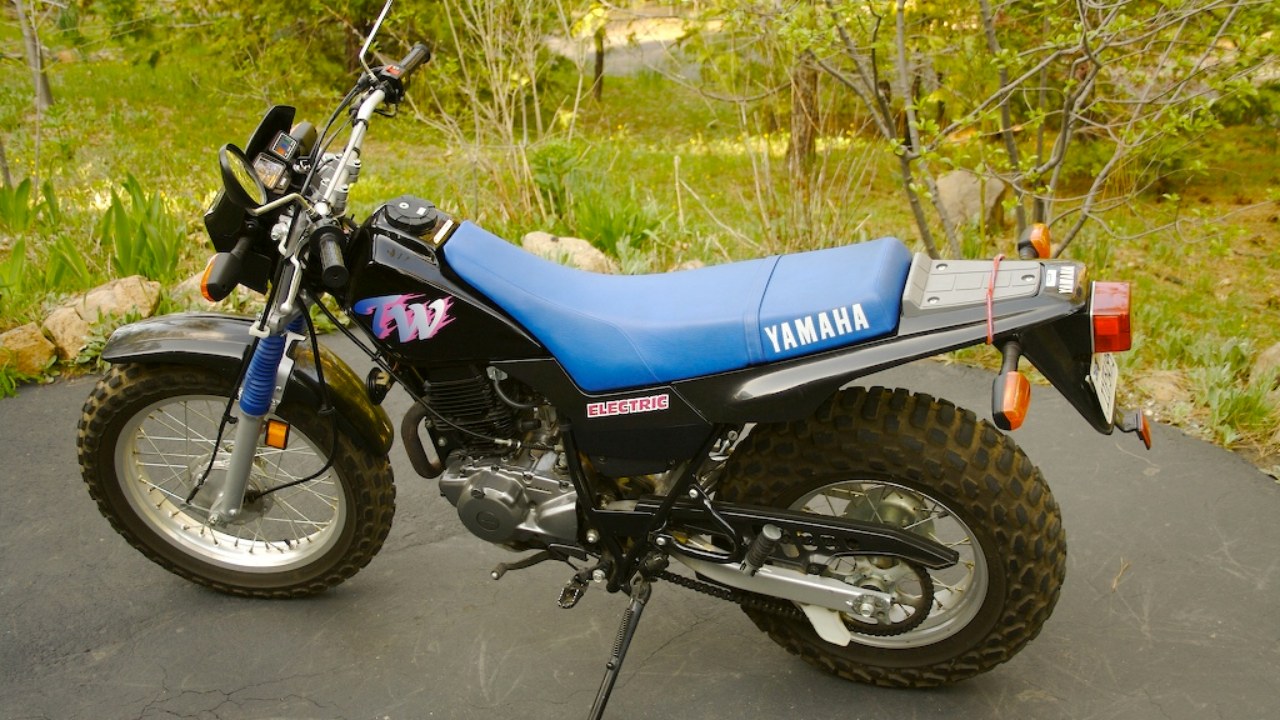
The Yamaha TW200 looks like a novelty with its fat, low-pressure tires, yet it has outlasted generations of more serious motorcycles. Introduced in 1987, it uses a 196cc air-cooled, two-valve single that makes modest power and asks very little of its owner in return. Yamaha’s last major update came in 2001, when the front drum brake gave way to a disc and the backup kickstarter disappeared, and the bike has otherwise changed remarkably little since its debut. Its 130/80-18 front and 180/80-14 rear tires help it float over sand and mud, while a 31-inch seat height and a wet weight just under 280 pounds make it easy to manage for beginners and veterans alike. Reviewers have called it extremely reliable, with the main complaint being a slow warm-up on cold mornings. A motorcycle does not stay in production for decades unless people keep trusting it.
Honda VFR800
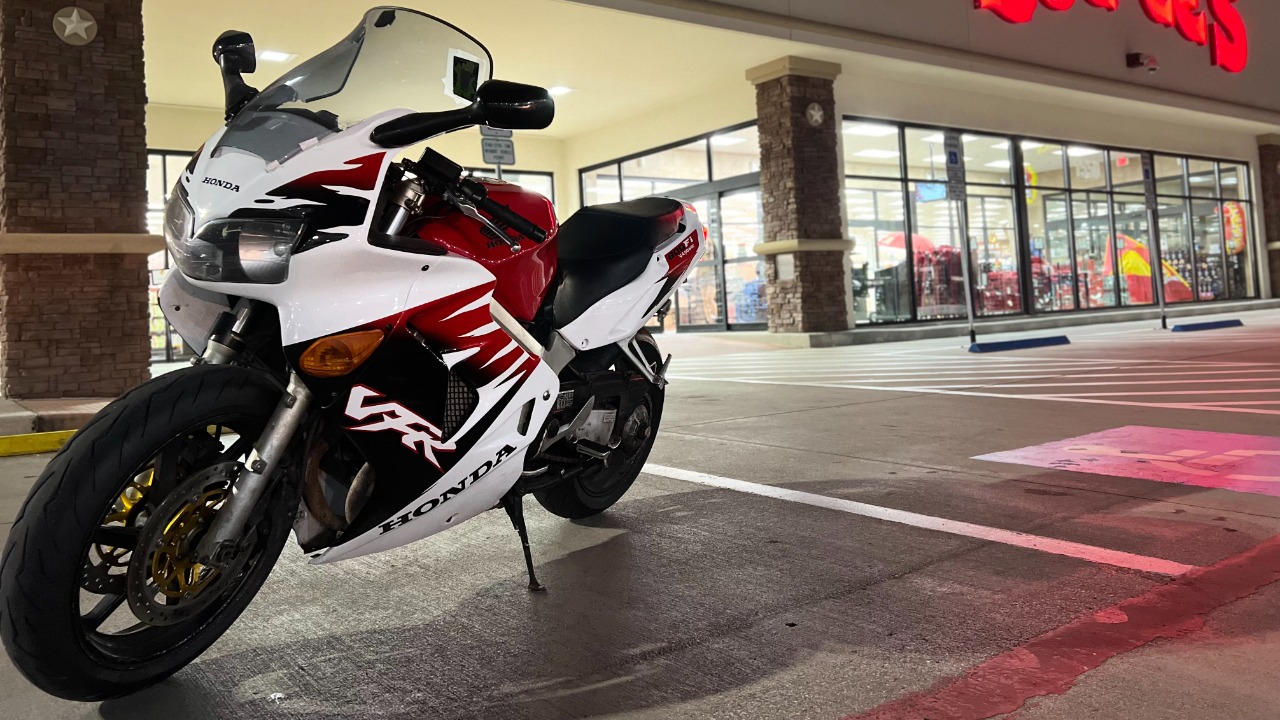
The Honda VFR800 developed one of those reputations that tends to spread quietly among riders who actually put serious miles on motorcycles. Its V4 engine gave it strong performance without requiring the high-strung character associated with some dedicated sportbikes, while the sport-touring layout made it useful for commuting, weekend riding, and long-distance trips. Honda’s VFR family also became known for high build quality after the company moved beyond the problems experienced by some early VF models. The VFR was never as flashy as the biggest superbikes, but that was part of its appeal. Riders could use one hard, put thousands of miles on it, maintain it properly, and continue riding without feeling like they were constantly gambling with mechanical drama. The VFR’s reputation for longevity became one of the biggest reasons these bikes developed such loyal followings.
Yamaha XT500
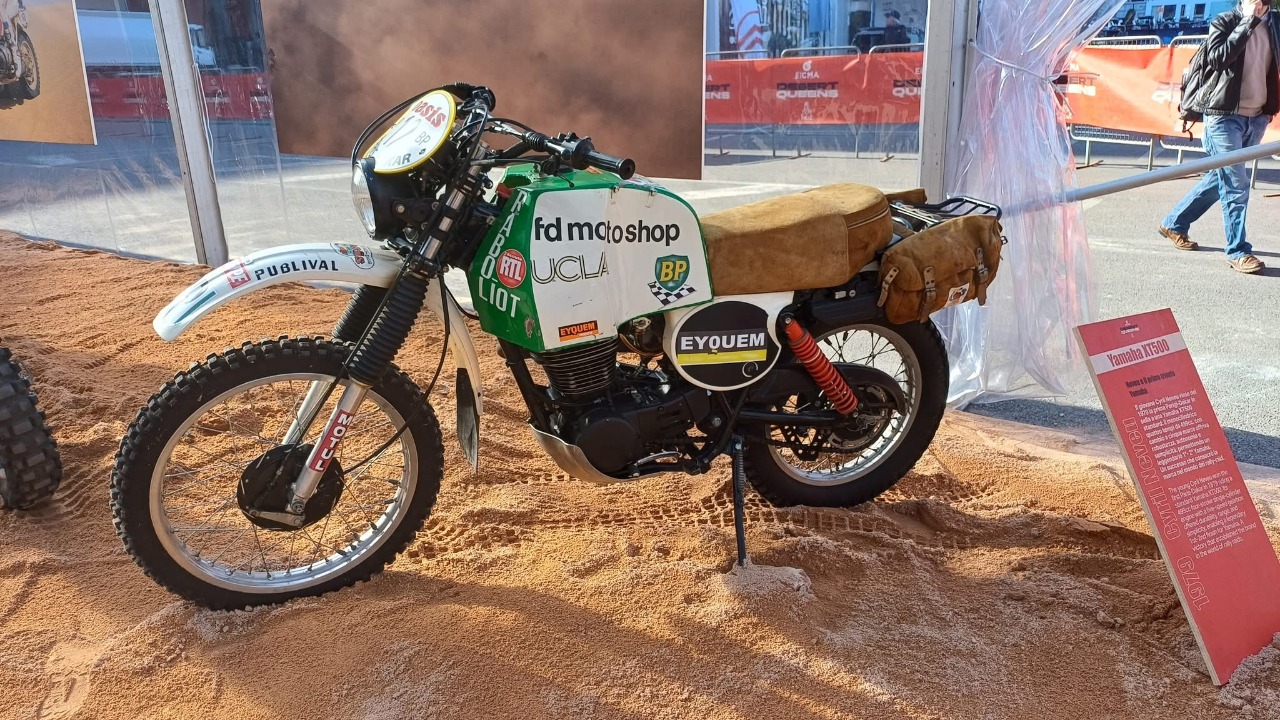
The Yamaha XT500 was built around a philosophy that seems almost old-fashioned today: keep the motorcycle simple, make it tough, and let the rider take it almost anywhere. Its air-cooled single-cylinder engine was developed from Yamaha’s successful off-road work and became famous for producing useful torque without relying on complicated technology. The same basic mechanical character also helped the XT500 become a formidable machine in long-distance off-road competition, including the early Paris-Dakar era. For ordinary riders, its appeal was easier to understand. There were fewer systems to worry about, the engine was accessible, and the motorcycle could tolerate conditions that would have made many road bikes uncomfortable. The XT500 eventually became more than an old dual-purpose motorcycle. It became an example of how simplicity, when executed properly, can produce a machine that remains useful long after its original production run ends.
Honda Transalp 600
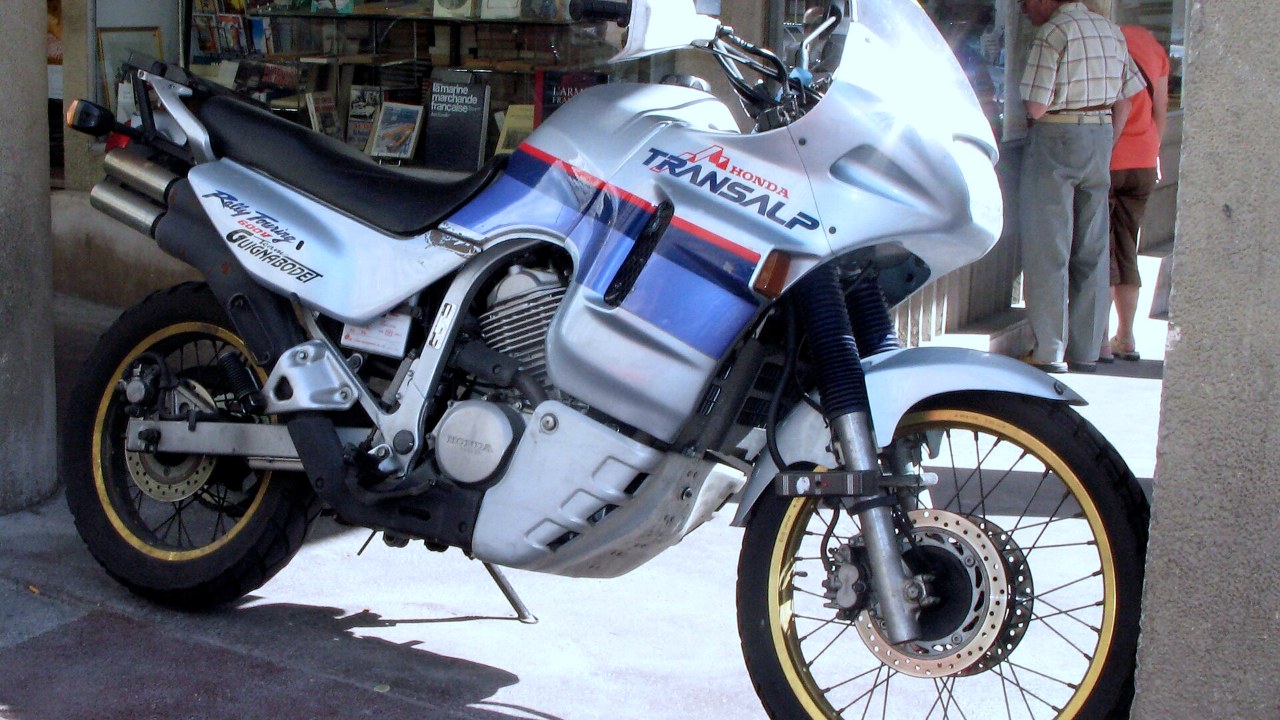
Honda built the Transalp for riders who wanted one motorcycle to commute, tour, and explore gravel roads, and the original 600 turned out to be remarkably hard to kill. It arrived in Europe in 1987 with a liquid-cooled 583cc V-twin derived from Honda’s VT500 family, using three valves and two spark plugs per cylinder, a gear-driven primary, and a five-speed gearbox. American buyers only got it for 1989 and 1990, but the 600 stayed in production elsewhere until 2000 before giving way to 650 and 700 versions. Its softly tuned engine is a big part of the reputation. Reviewers have described the Transalp twin as very reliable and capable of running almost indefinitely with regular servicing, and owners call it tough and easy to work on. Worn wheel bearings, tired Pro-Link bearings, rusty exhausts, and brittle bodywork are the usual concerns on older examples, rather than the engine.
Yamaha XJ650
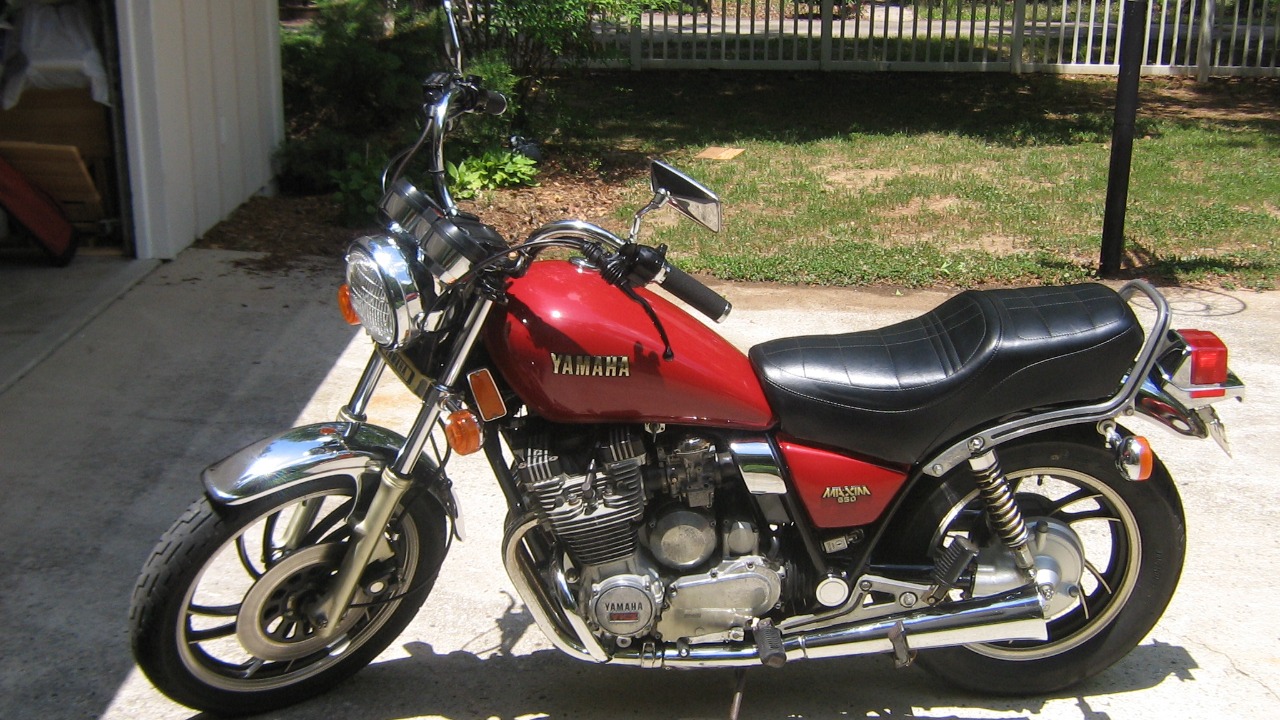
The Yamaha XJ650 represents the kind of motorcycle that helped build Japan’s reputation for dependable everyday machines. Its inline-four engine offered enough performance for highway riding while remaining far less exotic than a dedicated sportbike. The shaft-drive system also reduced the routine chain maintenance that riders of many contemporary motorcycles had to deal with. That made the XJ650 a particularly sensible machine for commuters and riders who wanted to cover distance without turning ownership into a hobby of constant adjustment. It was not a motorcycle that needed a racing pedigree to attract attention. Its appeal came from balance. The engine was strong, the chassis was conventional, and the motorcycle could be used for everything from daily transportation to weekend touring. Bikes like the XJ650 helped make reliable Japanese four-cylinder motorcycles an everyday reality for a generation of riders.
Yamaha FZ1
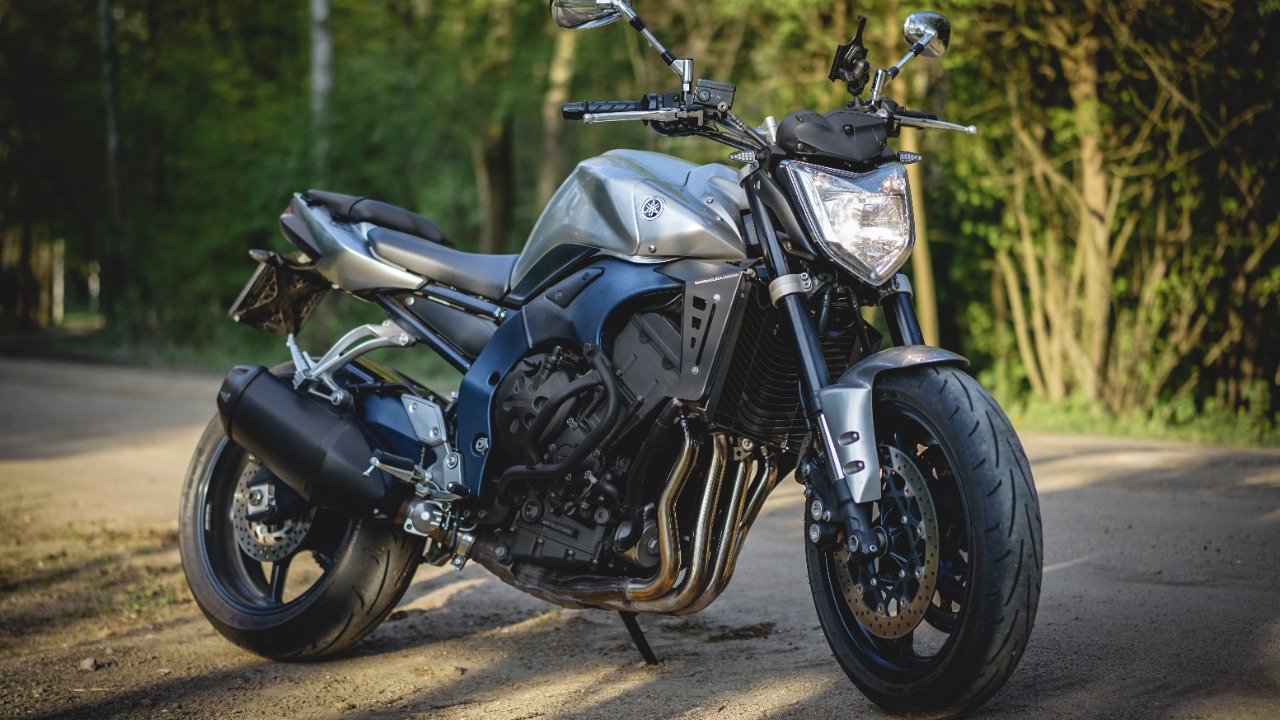
The Yamaha FZ1 took the engine concept behind the company’s legendary YZF-R1 and put it into a more practical motorcycle. That combination gave riders a machine with serious performance potential without forcing them into the riding position or compromises of a full sportbike. More importantly for long-term ownership, the FZ1 became known for having a strong powertrain that could tolerate substantial mileage when maintained properly. It could commute during the week, travel across the country on a weekend, and still deliver the kind of acceleration that made ordinary roads entertaining. That versatility is a major reason the FZ1 became such a quietly respected motorcycle. It never had the cultural status of the R1, but among riders who wanted one bike to handle almost everything, the FZ1 earned a reputation that was considerably more important than its sales figures suggested.
Suzuki DR650
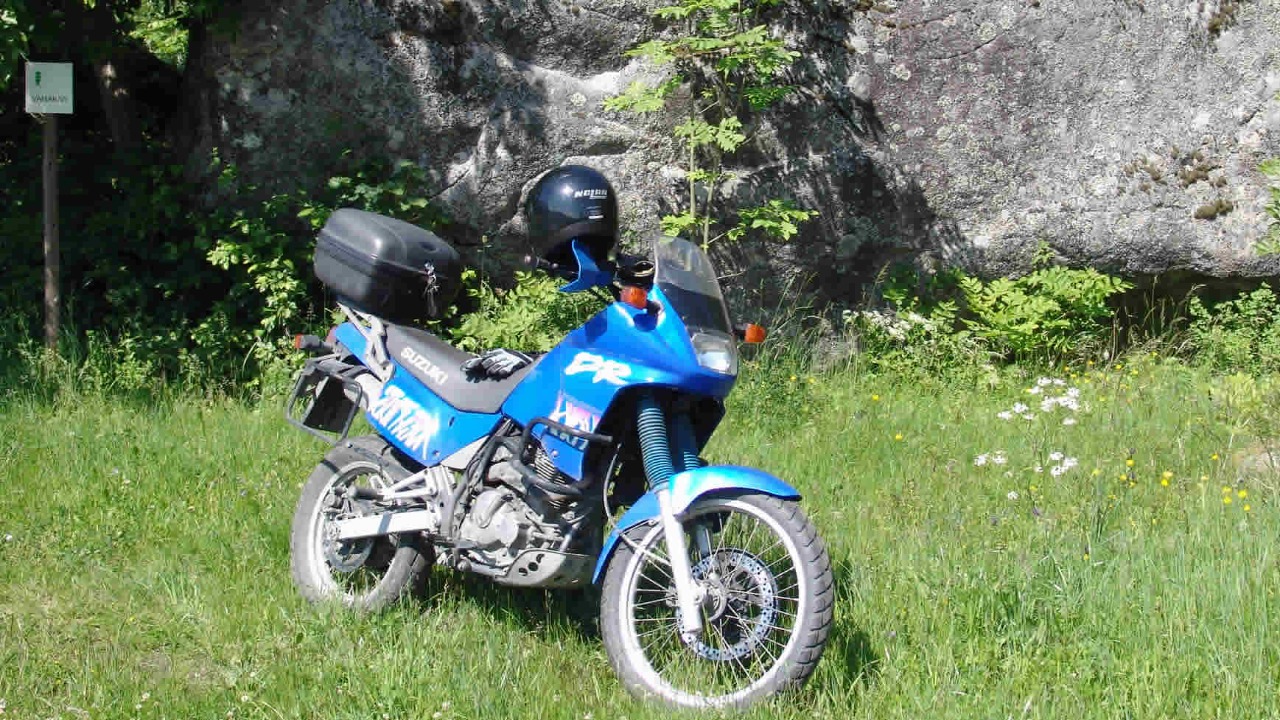
The Suzuki DR650 has survived for so long because its basic formula makes sense. The 644cc air- and oil-cooled single-cylinder engine is relatively simple, the motorcycle is light enough to remain manageable off pavement, and there is not an enormous collection of electronics standing between the rider and the mechanical components. That simplicity has made the DR650 popular with commuters, trail riders, travelers, and people building inexpensive adventure machines. It also means that owners can understand much of the motorcycle without needing specialized equipment for every job. The DR650 is not flawless, and long-term ownership still requires proper maintenance, but its continued popularity has helped create an enormous knowledge base around the model. Few motorcycles demonstrate the appeal of uncomplicated engineering quite as clearly.
Suzuki SV650
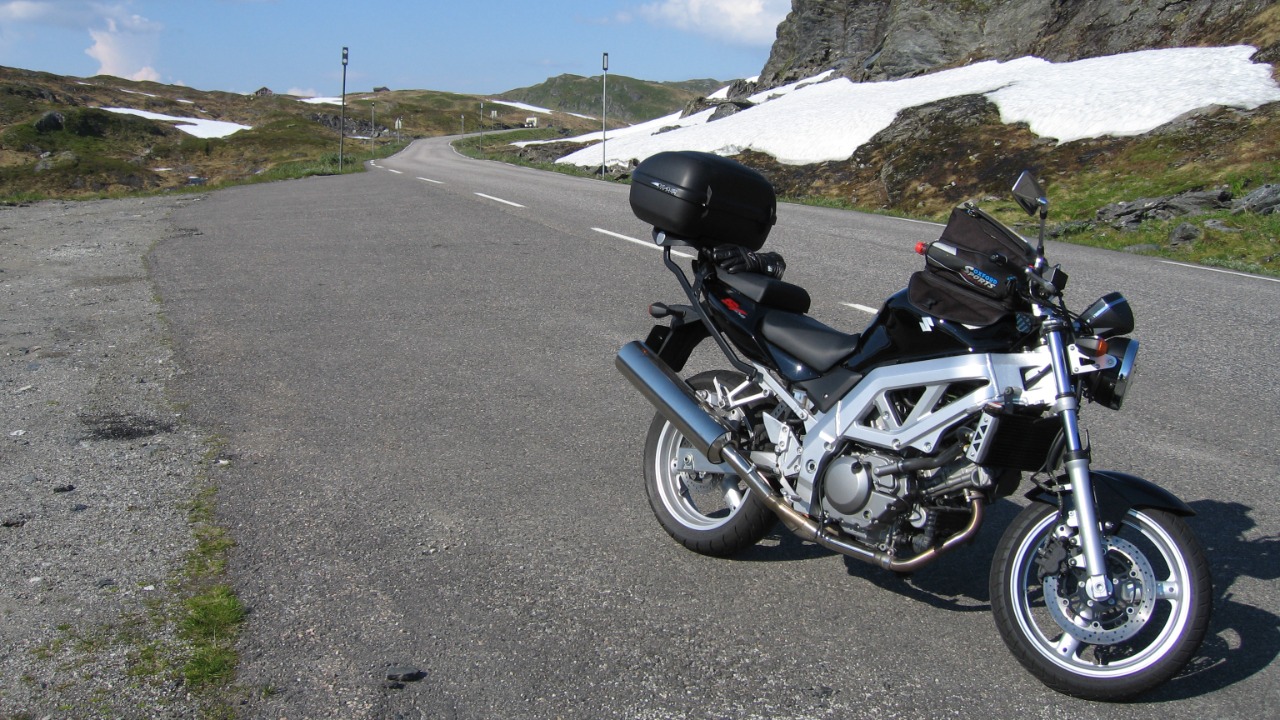
The Suzuki SV650 became one of those motorcycles that riders kept recommending long after its introduction because it managed to do almost everything without becoming unnecessarily complicated. Its 645cc V-twin produced useful torque, the chassis was friendly enough for newer riders, and the motorcycle remained entertaining for experienced riders who did not need a huge amount of power. The engine’s durability became one of the bike’s biggest strengths, particularly because the same basic V-twin architecture was used across several Suzuki models. That created a large pool of mechanical knowledge and replacement parts. The SV650 also earned a reputation as a bike people could actually live with. It was inexpensive to run, easy to ride, and capable of accumulating serious mileage without demanding exotic servicing. That combination turned an ordinary-looking middleweight into a motorcycle with an unusually loyal following.
Suzuki Bandit 1200
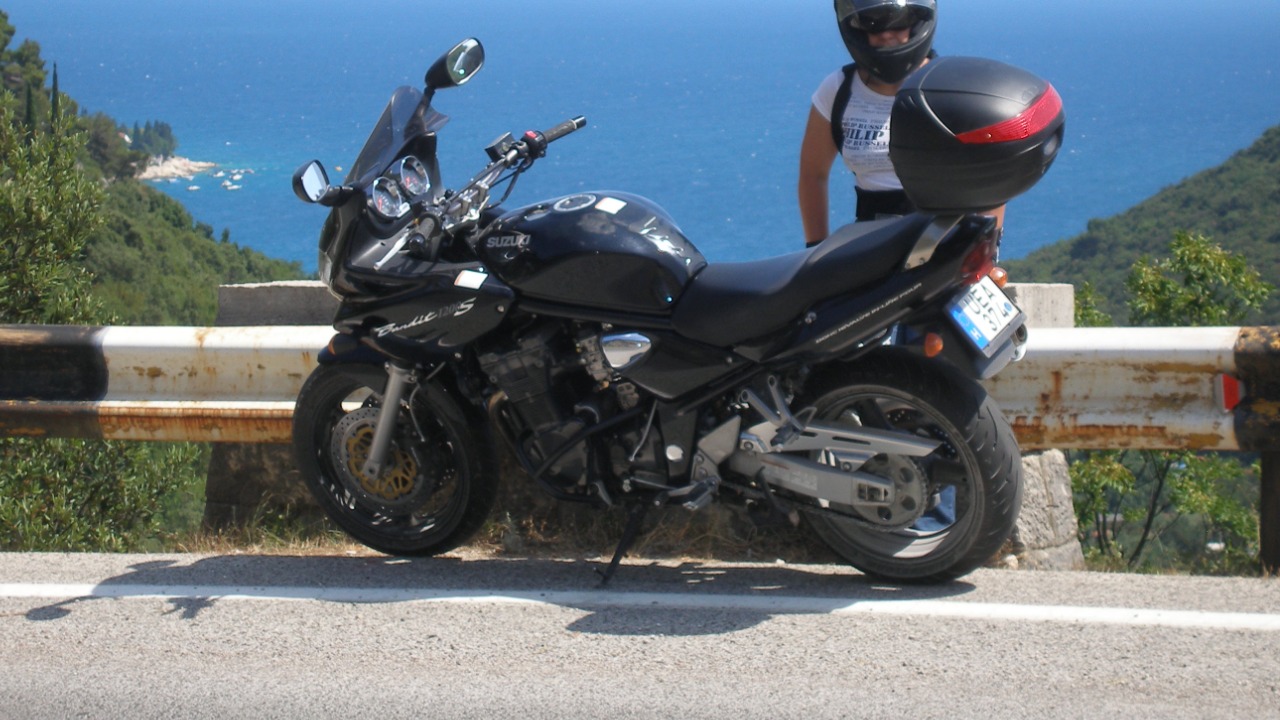
The Suzuki Bandit 1200 was never shy about its mechanical simplicity. Instead of surrounding its large four-cylinder engine with elaborate electronics and complicated bodywork, Suzuki essentially created a powerful, practical motorcycle that could be ridden hard without becoming difficult to understand. The 1,156cc engine provided a deep reserve of torque, making the Bandit useful for everything from commuting to touring and fast back-road riding. Owners also appreciated the fact that the motorcycle could be maintained without the kind of specialized equipment associated with more exotic machines. Its reputation grew through ordinary ownership rather than racing glory. A Bandit could spend years being ridden regularly, occasionally modified, and serviced by an owner with basic mechanical skills. That combination helped the model become one of those motorcycles people bought because they needed something dependable, then kept because they realized just how useful it was.
Suzuki V-Strom 650

The Suzuki V-Strom 650 quietly became one of the most trusted middleweight adventure motorcycles because it avoided making the category unnecessarily complicated. Its 645cc V-twin was already proven in the SV650, and Suzuki installed it in a comfortable chassis capable of handling commuting, touring, and light off-road work. The result was a motorcycle that could accumulate huge mileage without needing to be treated like a fragile expedition machine. Riders discovered that the V-Strom was particularly good at the unglamorous jobs that matter most in real ownership. It could carry luggage, handle poor weather, cover long highway distances, and still remain practical around town. That versatility helped build the model’s reputation far beyond what its relatively conservative styling might suggest. Its engine platform and widespread use also gave owners plenty of mechanical knowledge to draw upon.
Kawasaki KZ1000 Police
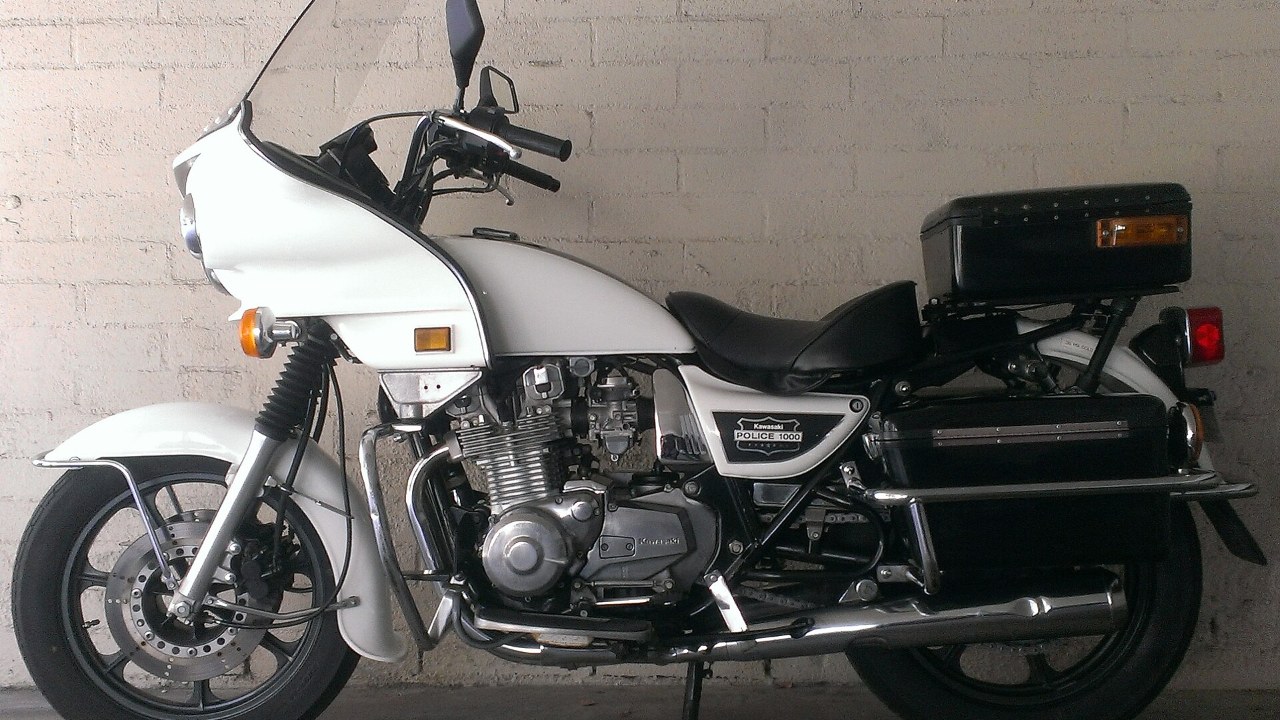
Few jobs are harder on a motorcycle than police work, which makes the Kawasaki KZ1000 Police a strong case for durability. Law enforcement agencies began adopting Kawasaki’s KZ1000 in the late 1970s, partly because Harley-Davidson had suffered through some rough years under AMF ownership, and the police versions stayed in production until 2005. The formula remained refreshingly basic. An air-cooled inline four rated at about 90 hp sat in a chassis fitted with a fiberglass fairing, pursuit lights, saddleboxes, folding footboards, and a bigger charging system to keep sirens and radios powered. Its role on the TV series CHiPs made it famous, but the long production run is the real proof of how well it handled years of idling, chasing, and stop-and-go duty. Retired examples showing around 70,000 miles still turn up, and many keep running long after their patrol days ended.
Kawasaki Z900

The Kawasaki Z900’s reputation comes from a combination that has served Japanese motorcycles well for decades: a strong four-cylinder engine, conventional mechanical architecture, and enough performance to remain exciting without making everyday riding unnecessarily difficult. The modern Z900 is considerably more sophisticated than the old Universal Japanese Motorcycles, but its basic appeal is similar. It gives riders a substantial engine and useful performance in a straightforward naked-bike package. Kawasaki’s four-cylinder heritage also gives the model a strong mechanical lineage. Riders who buy one for everyday use can enjoy serious acceleration without owning a motorcycle designed solely around lap times. That distinction matters for longevity. Bikes that are useful tend to get ridden, and motorcycles that get ridden and maintained properly can build reputations that have little to do with marketing. The Z900 has steadily developed that kind of practical enthusiast following.
BMW R80
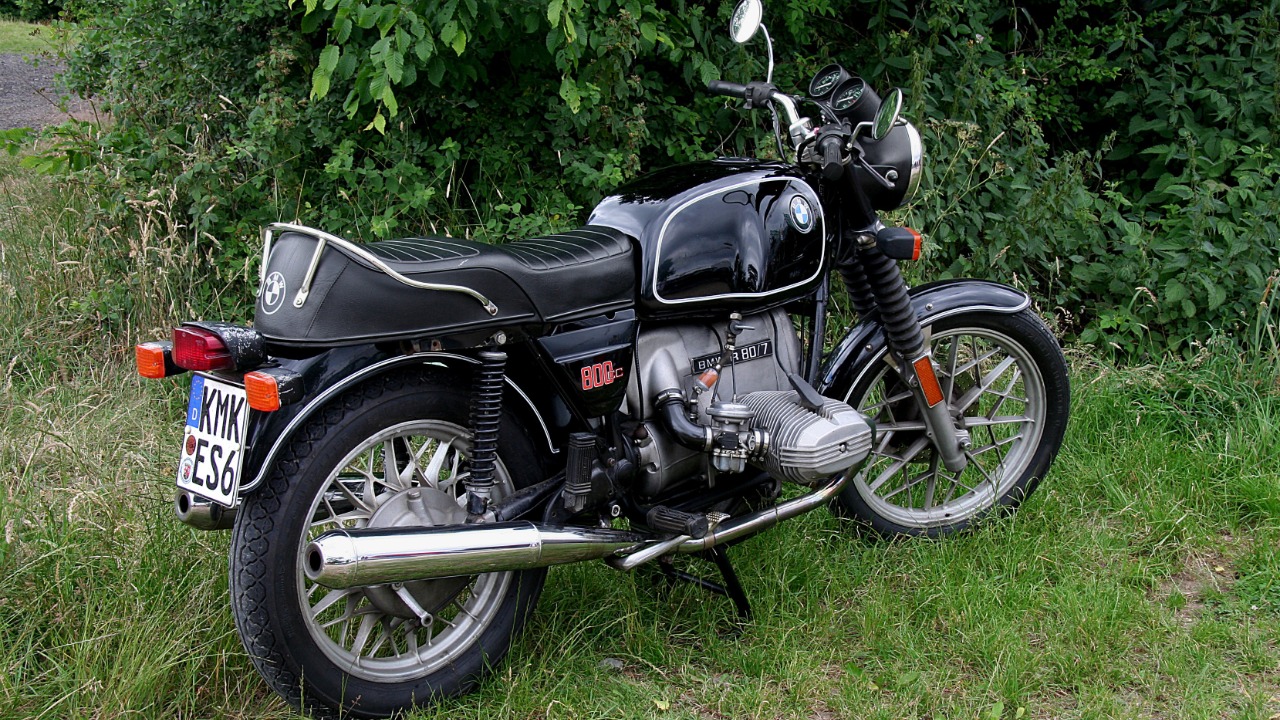
The BMW R80 belongs to a very different tradition from the high-revving Japanese motorcycles on this list. Its air-cooled boxer twin was designed around smooth power delivery, accessibility, and long-distance use rather than maximum output. The shaft-drive system also removed the routine chain maintenance associated with many other motorcycles. That combination made the R80 particularly attractive to riders who wanted to travel long distances and keep their machines for years. The engine’s relatively modest specific output also helped give it a reputation for durability when properly maintained. Airhead BMWs became especially popular among riders who valued machines that could be serviced away from a dealership. Their mechanical character also encouraged owners to become familiar with the motorcycles themselves. The R80 eventually became a symbol of a time when a motorcycle could be sophisticated enough for serious touring without being buried beneath electronic complexity.
BMW R100
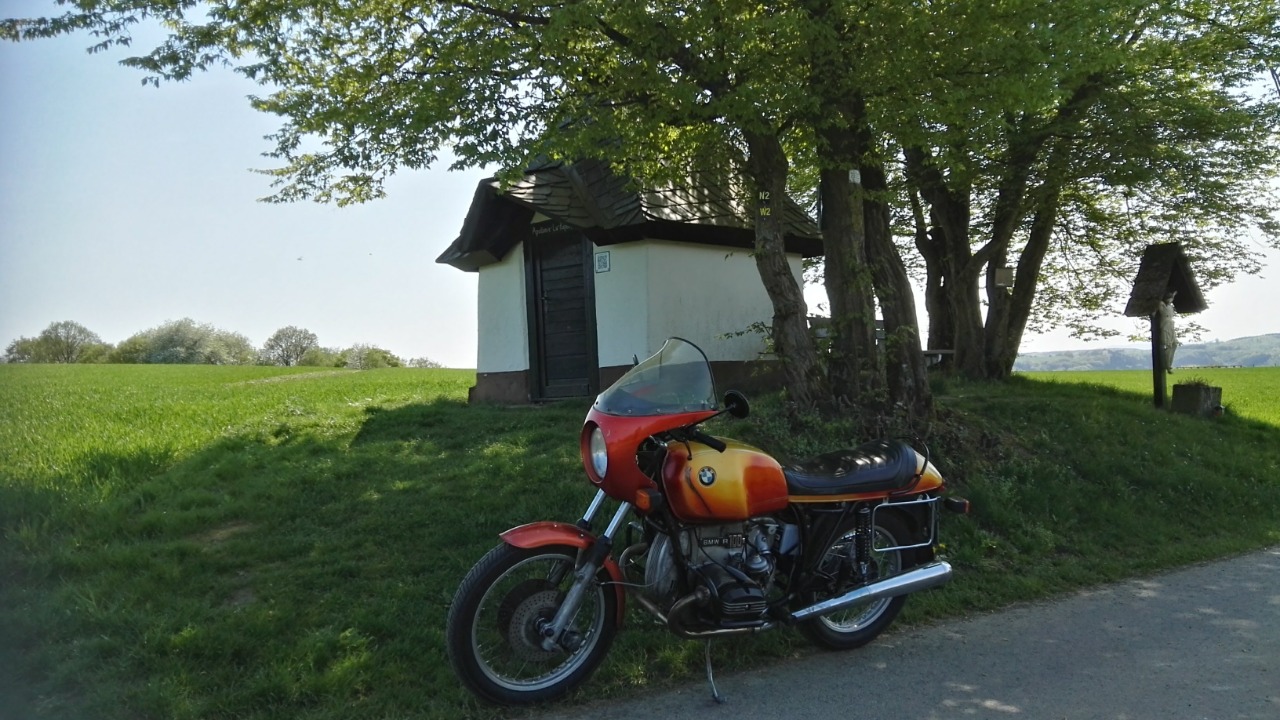
The BMW R100 took the same basic boxer-twin philosophy and gave riders a larger engine and a little more muscle. Like the R80, it became closely associated with long-distance travel, simple mechanical servicing, and owners who intended to keep their motorcycles for many years. The air-cooled engine and shaft drive gave the R100 a distinctive character, while its conventional mechanical layout meant that experienced owners could perform a surprising amount of maintenance themselves. That has become increasingly important as these motorcycles have aged. A machine that can be understood, repaired, and supported by an enthusiast community has a much better chance of surviving for decades. The R100 also benefited from being built during a period when BMW’s motorcycles were strongly associated with serious touring. It was never about being the fastest bike in the garage. It was about being ready for another trip.
Honda XR650L

The Honda XR650L is almost the definition of an old-school dual-sport motorcycle that refuses to disappear. Its air-cooled 644cc single-cylinder engine is based on Honda’s long-running XR lineage, while the chassis gives it enough off-road ability to handle terrain that would leave ordinary street motorcycles stranded. The formula is deliberately uncomplicated. There is no need for a complicated rider-aid system to understand what the bike is doing, and owners can perform much of the routine mechanical work themselves. That simplicity has kept the XR650L relevant even as newer adventure motorcycles have become dramatically more powerful and sophisticated. Riders who buy one often appreciate the fact that it can be dropped, ridden through rough conditions, and maintained without turning every repair into a major project. Its continued presence is a reminder that durability can sometimes come from refusing to overcomplicate the machine.
Honda ST1300
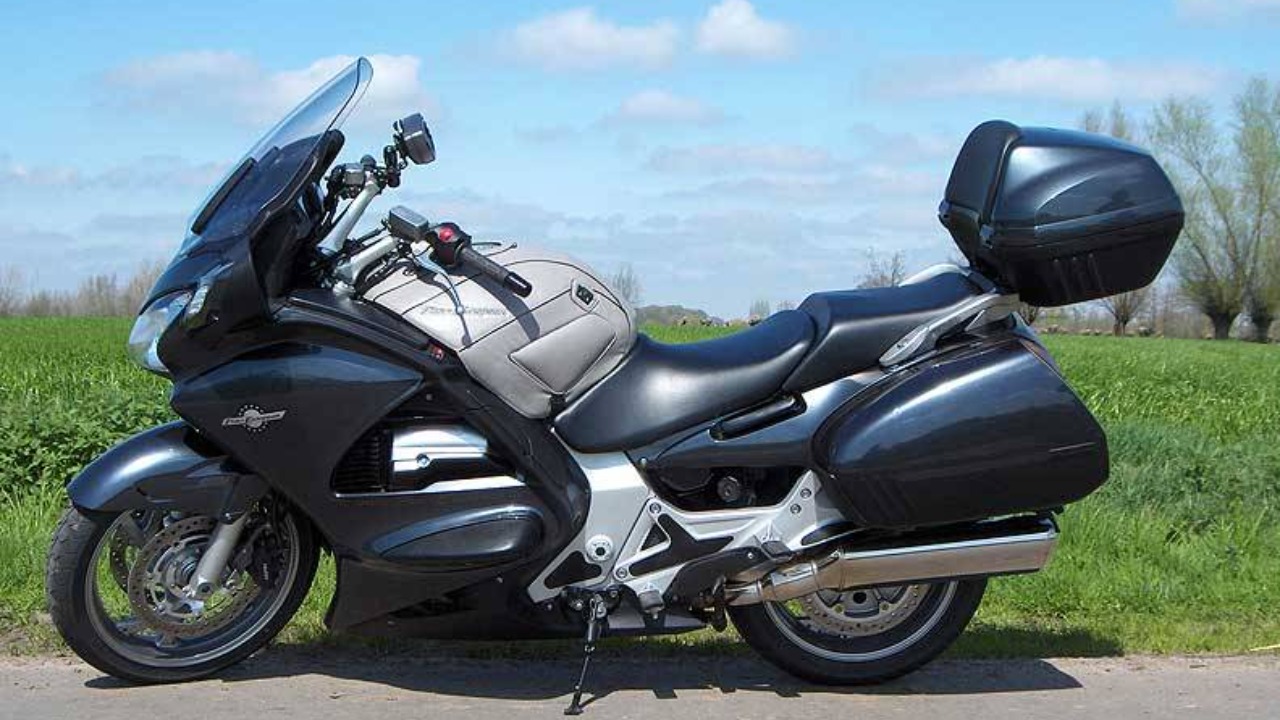
The Honda ST1300 was built for riders who considered hundreds of miles a normal day’s work. Its liquid-cooled V4 engine was designed around smooth, strong performance, while shaft drive and full touring equipment made it an obvious choice for long-distance road use. Police and fleet use in various markets also placed these motorcycles in environments where they accumulated substantial mileage, reinforcing the model’s association with durability. The ST1300 was not a lightweight machine, and its size could make slow-speed handling demanding, but once underway it was exactly the sort of motorcycle that seemed happiest when the road kept stretching ahead. Owners valued the ability to cover large distances without treating every trip as an endurance test for the machine. That practical toughness helped the ST1300 become one of Honda’s most respected sport-tourers.
Honda Nighthawk 750
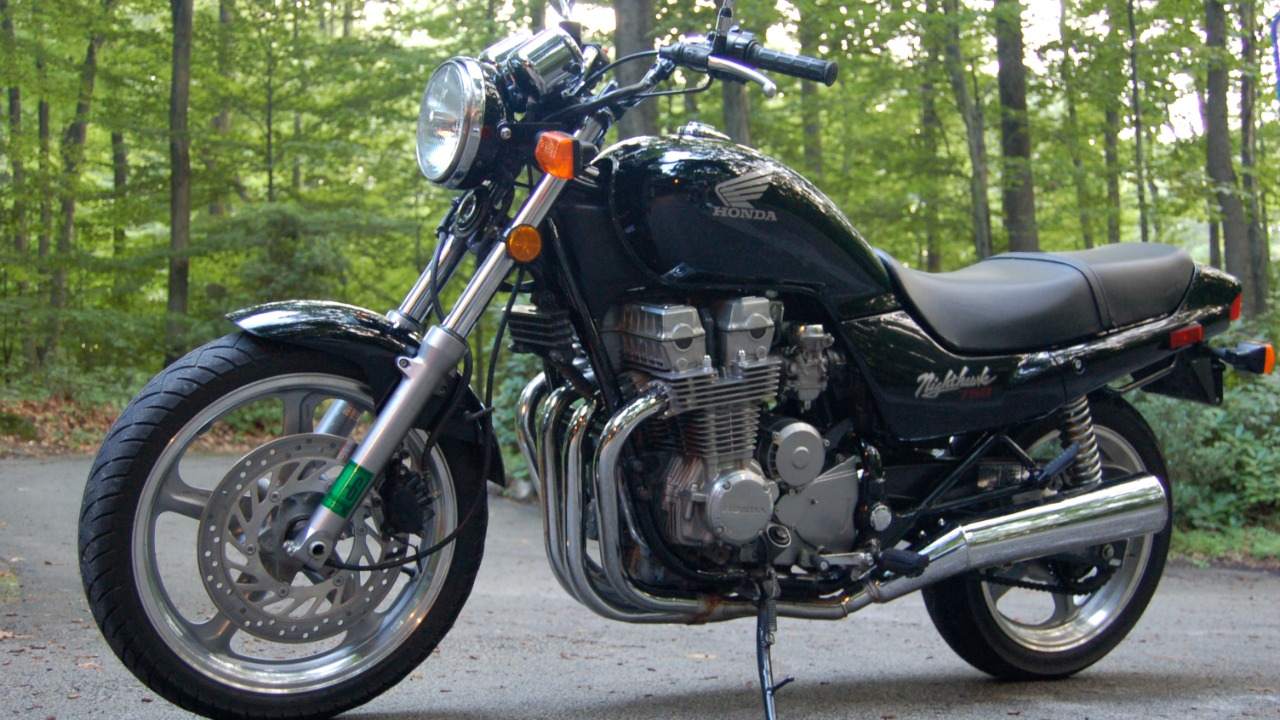
The Honda Nighthawk 750 was another motorcycle that benefited from Honda’s ability to make an everyday machine feel almost indestructible. Its air-cooled inline-four engine was not designed to chase superbike records, which allowed it to focus on smooth, usable performance and long-term serviceability. The Nighthawk also had the kind of conventional layout that made it approachable for riders who preferred doing their own maintenance. It could commute, tour, carry a passenger, and provide enough performance for spirited riding without requiring the owner to compromise the motorcycle’s practicality. That versatility is a major part of its legacy. The Nighthawk did not need to become a poster bike to matter. It became valuable because people could actually live with one for years. In the world of reliable motorcycles, that kind of ordinary usefulness can be more important than fame.