The 1967 Mercury Cougar did not just slip into showrooms as another Mustang spin-off. It arrived as a carefully aimed statement about what an American sporty car could be when you mixed Detroit muscle with a touch of European polish, and that is exactly why it walked away with Motor Trend’s Car of the Year trophy. To understand how it pulled that off, I need to unpack the way it blended design, engineering, and market timing into one very deliberate package.
When I look back at that first model year, what stands out is how thoroughly Mercury committed to a distinct identity. The Cougar was not trying to out-Mustang the Mustang; it was trying to give drivers who were growing up, getting promotions, and trading T‑shirts for sport coats a car that fit the next chapter of their lives without giving up the fun.
The Cougar’s “untamed elegance” design
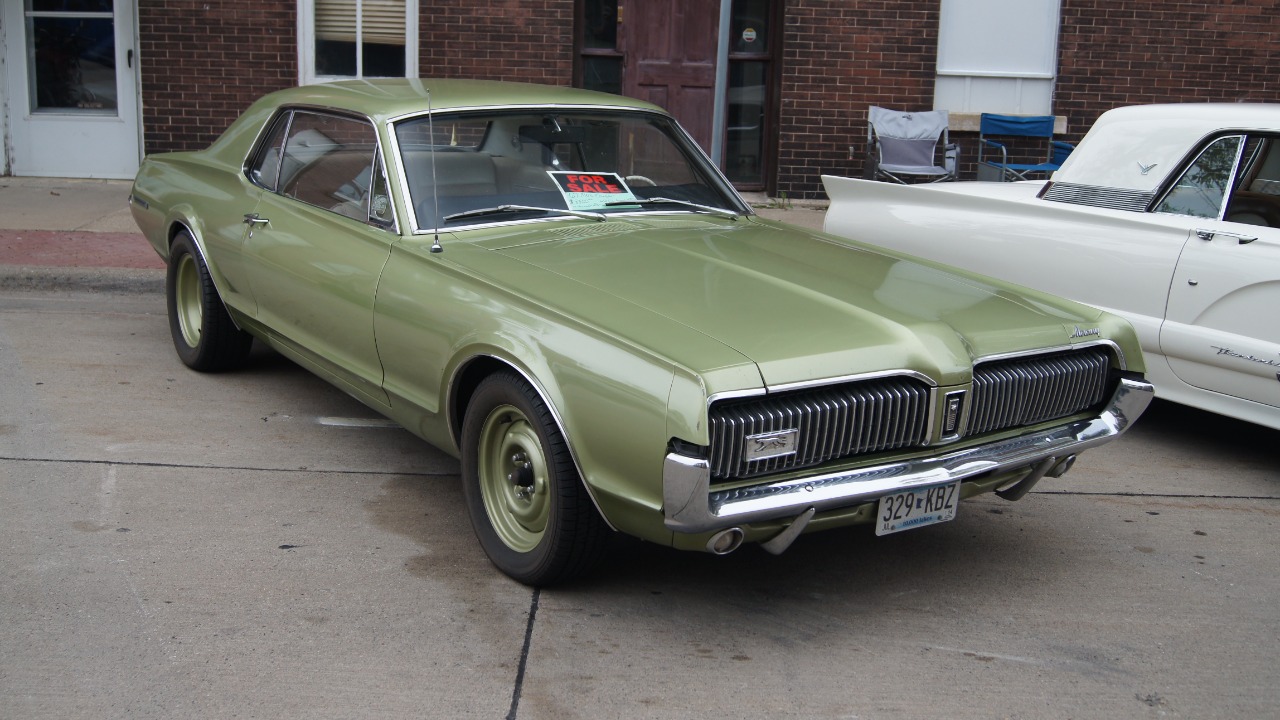
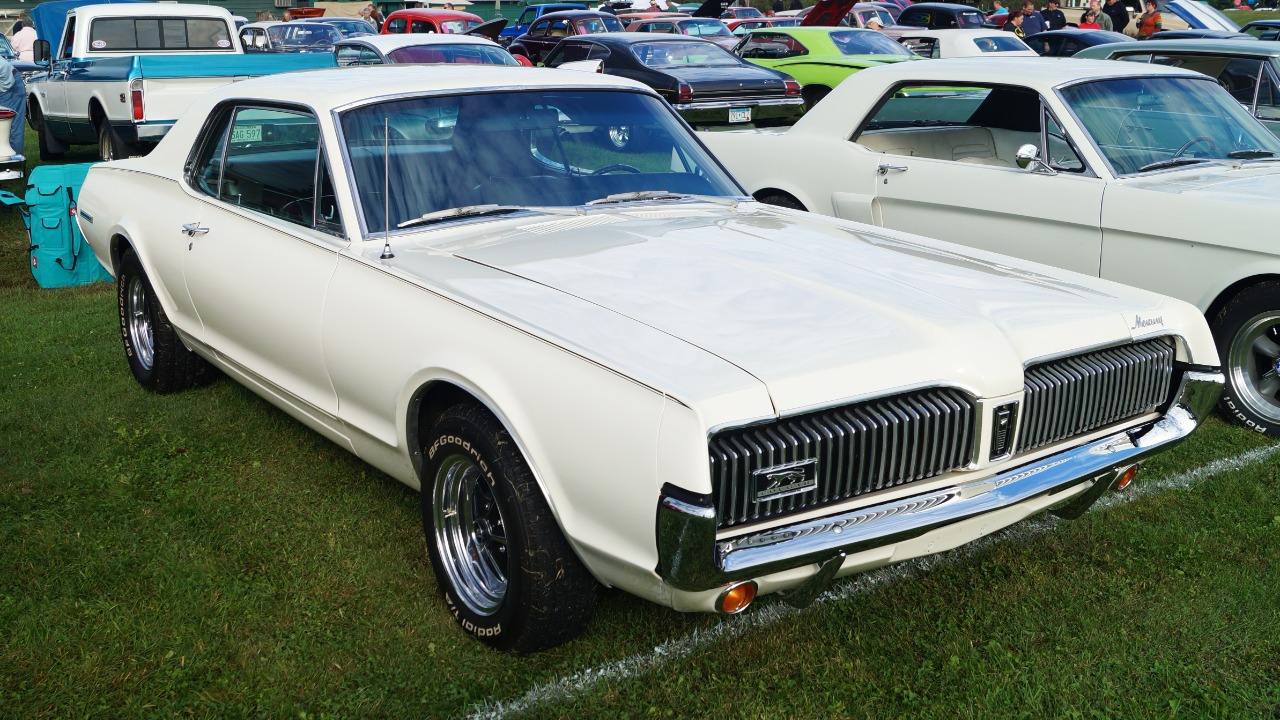
Styling is where I see the 1967 Mercury Cougar making its boldest case for Car of the Year. Mercury leaned into what one period description called “untamed elegance,” a phrase that captured the way the car combined a long, predatory nose with clean, almost European lines. The hidden headlamps, the full-width grille, and the subtle Coke-bottle hips gave the Cougar a more mature, tailored look than its Ford cousin, and that visual restraint was exactly what buyers who had outgrown stripes and scoops were looking for.
That sense of refinement was not accidental. The car’s proportions and detailing were shaped around a European-inspired design aesthetic that set it apart from the louder pony cars of the era, a point underscored in period discussions of Mercury Cougar design. The Cougar’s sheetmetal wrapped that theme around a body that still read as unmistakably American, but the message was clear: this was the sophisticated cat in a field of brash colts.
A Mustang platform, but with its own mission
Under the skin, I see the Cougar’s brilliance in how it reused Ford hardware without feeling like a clone. The car was built on the same basic chassis as the Mustang, but Mercury stretched the wheelbase and tuned the suspension to deliver a smoother, more composed ride. That extra length, combined with a slightly wider track and revised spring rates, gave the Cougar a more planted feel on the highway, which fit its positioning as a step up from the youthful Mustang.
Mercury also made a decisive choice with the engine lineup. Where the Mustang invited buyers in with six‑cylinder base models, the Mercury Cougar was released with an engine lineup that was exclusively V8s, a fact that underscored its more upscale and performance‑oriented mission and is documented in period summaries of The Cougar powertrains. By refusing to offer a bargain-basement six, Mercury signaled that this car was for buyers who were ready to pay for both refinement and real power, not just the look of speed.
Details that made it feel genuinely premium
What really convinces me the Cougar earned its award is the obsessive attention to small touches that made the car feel richer than its Ford roots might suggest. Inside, the dashboard and door panels were reshaped with more formal lines, and the XR‑7 package layered on wood‑tone trim, extra gauges, and high‑back bucket seats that would not have looked out of place in a European GT. Even the exterior lighting was treated as a design showcase, with sequential rear turn signals and a distinctive front fascia that made the car instantly recognizable at night.
Those lighting tricks were not just gimmicks; they were part of a broader effort to give the Cougar its own face. The 1967 Cougar featured a unique body design that still followed the popular long‑hood, short‑deck proportions of the Mustang, but it added its own signature touches such as the hidden headlamps and a rear panel featuring vertically slatted chrome trim, details that are highlighted in fact sheets on the Cougar body design. Those cues helped justify the higher price and made the car feel like more than a badge‑engineered Mustang.
How Motor Trend saw a “Top Cat of the Year”
When I read back through Motor Trend’s period language, it is clear the editors understood that the Cougar was threading a needle between mass‑market pony car and full‑blown luxury coupe. They leaned into playful phrasing like “Cougar‑r‑r‑r‑r… ‘Top Cat of the Year!’” and splashed onomatopoeic bursts like “POP! ZOOM! DAZZLE!” to capture how the car popped on film and in person. Behind the showmanship, though, was a serious argument that the Cougar represented a new kind of American sporty car that balanced comfort, style, and performance in a way the market had not quite seen before.
The judges were not just reacting to chrome and slogans. They were responding to a car that delivered a refined ride, strong V8 performance, and a cabin that felt a cut above the usual Detroit fare, all wrapped in a body that indulged itself in fancy cars without tipping into excess, as reflected in period write‑ups of the Top Cat of the Year. That combination of restraint and flair is exactly what a Car of the Year title is supposed to reward.
Market impact and the only Mercury to win
Car of the Year trophies are nice, but I always look at how a car actually performed in the showroom to judge whether the hype matched reality. On that front, the Cougar’s launch was remarkably strong. Nationally, due to Cougar stocks averaging less than one per dealer on introduction day, a penetration of 0.7% was achieved, a figure that stands out when you consider how crowded the market for sporty coupes already was and is documented in period analyses of Nationally reported Cougar sales. That kind of early demand validated Mercury’s bet that there was room for a more polished pony car.
The award itself also occupies a special place in the brand’s history. The Cougar received the 1967 Motor Trend Car of the Year award, becoming the only Mercury‑brand vehicle to do so, a distinction that still defines how enthusiasts talk about The Cougar legacy. In a lineup that often lived in Ford’s shadow, the 1967 model stands out as the moment Mercury proved it could lead rather than follow, and that singular recognition has helped keep the car’s reputation alive long after the brand itself disappeared.
Price, positioning, and the XR‑7 edge
To me, one of the most telling details about the Cougar’s strategy is how Mercury priced and trimmed the XR‑7. The company deliberately set it above a comparable Mustang, asking buyers to pay more for extra comfort and style rather than raw speed alone. The higher price point, listed as $284 more than a V‑8 Mustang hardtop, was also enough to justify some additional styling gimmicks and chassis tweaks that sharpened the Cougar’s character without turning it into a pure luxury car.
That $284 difference may not sound huge today, but it signaled that Mercury was courting a slightly older, more affluent buyer who wanted a car that could handle a commute, a client dinner, and a weekend back‑road blast with equal ease. Analyses of the XR‑7 note how that premium brought upgrades like revised springs and longer rear springs that subtly changed the way the car rode and handled, reinforcing its grand‑touring mission and underscoring how carefully Mercury calibrated the $284 m gap to the Mustang. In the context of Car of the Year judging, that kind of thoughtful positioning matters as much as raw performance numbers.
How enthusiasts still experience the car today
All of this history would feel academic if the Cougar had faded into obscurity, but I see the opposite happening in enthusiast circles. Owners and reviewers still celebrate the way the car blends a relaxed driving position, torquey V8 power, and that unmistakable front end into something that feels special even in modern traffic. When you watch contemporary walk‑around and drive videos, you can see how the car’s mix of comfort and character still resonates with people who grew up long after the original pony‑car wars.
One modern example that captures this enduring appeal is a detailed owner review that walks through the quirks of the 1967 model, from the way the hidden headlamps flip open to the sound of the exhaust under load, all framed as a kind of rolling time capsule on a personal channel like Motorsports. Watching that kind of first‑person experience, it is easy for me to see why Motor Trend’s editors were so taken with the Cougar in its debut year. The car still feels like a complete thought: stylish without being gaudy, quick without being punishing, and distinctive enough that, decades later, it remains the Mercury that finally stepped out of Ford’s shadow and earned its own place in automotive history.
Why that first‑year formula still matters
When I pull all of these threads together, the 1967 Mercury Cougar’s Car of the Year win looks less like a surprise and more like the inevitable result of a smart, focused product. Mercury took a proven platform, wrapped it in “untamed elegance,” insisted on an all‑V8 lineup, and priced it just high enough to feel special without drifting into unattainable territory. The result was a car that fit the lives of buyers who were moving up in the world but still wanted something that stirred the soul on a Sunday morning drive.
That formula, more than any single styling cue or performance stat, is what I think the award was really honoring. The Cougar showed that you could build a sporty car that respected its driver’s age, income, and taste, not just their appetite for quarter‑mile times. In a market that still struggles to balance excitement with everyday usability, the 1967 Cougar’s blend of design discipline, mechanical substance, and clear positioning remains a benchmark, and that is why its Car of the Year title still feels fully deserve
More from Fast Lane Only: