The 1969 AMC Rebel Machine arrived like a firecracker in a town meeting, a loud and unapologetic challenge to Detroit’s big-block establishment. In a market dominated by giants, this vivid, quarter-mile bruiser from a small American company showed that attitude and clever engineering could rattle the industry as much as deep pockets ever did.
When I look back at that moment, I see more than a quirky muscle car with wild graphics. I see a turning point where AMC briefly stopped playing defense, leaned into performance, and produced a Rebel Machine that could stand fender to fender with the era’s most feared street hardware.
How a cautious company decided to go racing
To understand why the Rebel Machine felt like such a shock, I start with AMC’s reputation in the years leading up to it. The company had long been known for sensible Ramblers, not tire smoke, and former chief executive Roy Abernethy had famously resisted performance programs that might upset that image. Internal policy kept the brand focused on economy and practicality, a stance that critics mocked as timid even as it kept the lights on. That conservative streak is why the later decision by AMC leadership to chase speed and image, rather than just mileage, felt so dramatic.
The pivot began when AMC GOES RACING became more than a slogan and turned into a strategy. Under pressure to freshen what many saw as a tired Rambler identity, the company finally backed factory performance efforts, including a deal that put AMC on the SCCA Trans Am circuit and set the stage for wilder showroom specials. Reporting on how Roy Abernethy had upheld the old policy, and how his successors reversed course, makes clear that the Rebel Machine was not an accident. It was the logical next step after the SC/Rambler, a way to prove AMC could build a full-size muscle car that did more than just keep up.
The Rebel Machine’s loud entrance
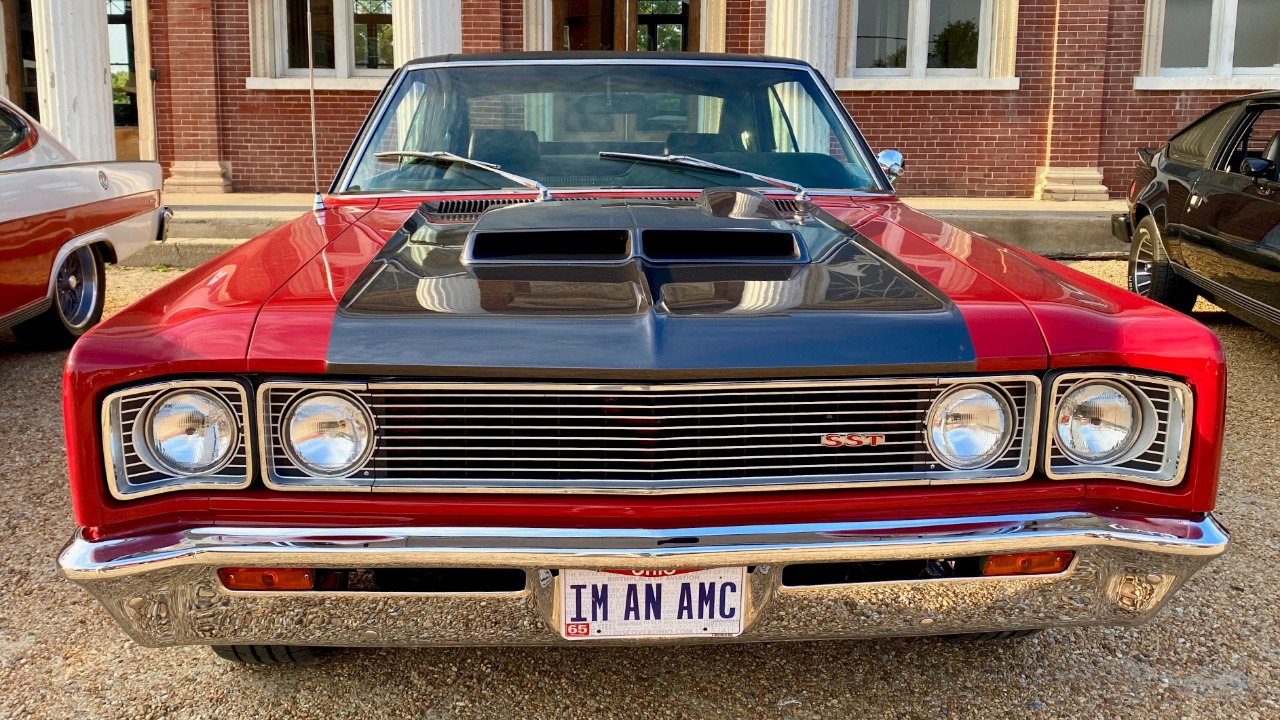
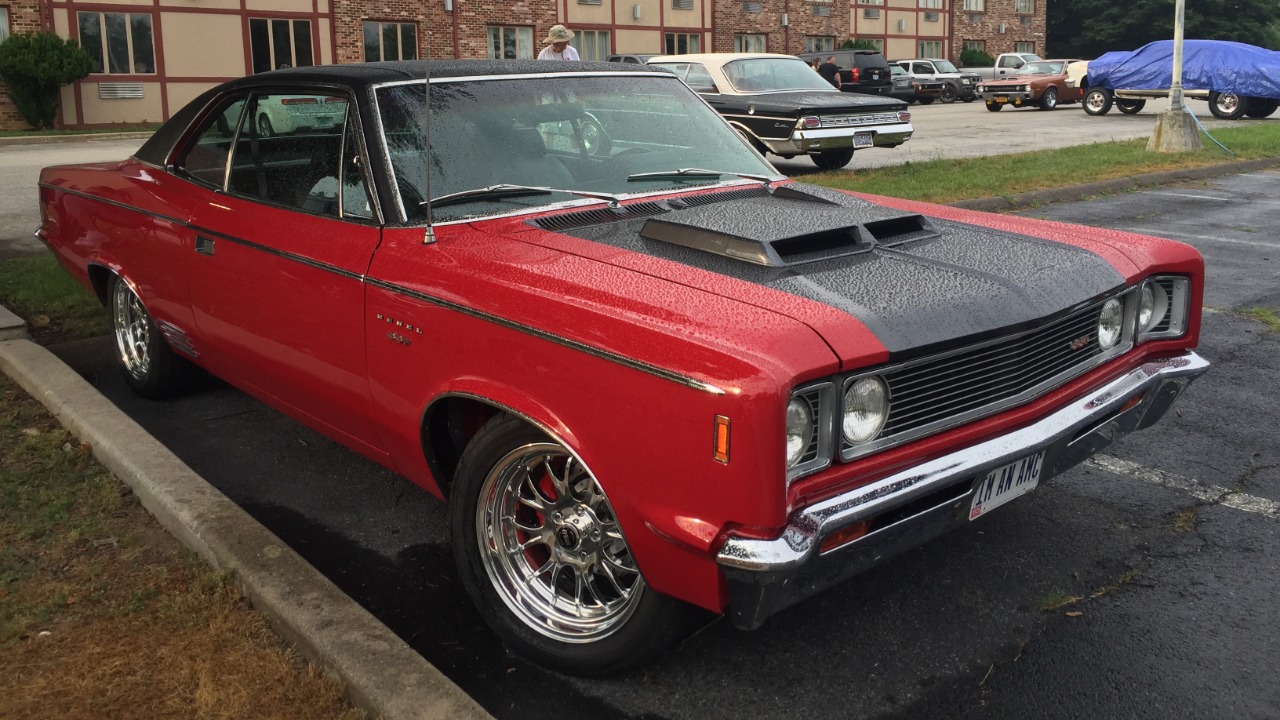
By the time the Rebel Machine appeared, AMC had already tested the waters with the compact SC/Rambler, but this new car was something else entirely. It was based on the midsize Rebel, then dressed in a factory paint scheme that looked more like a race car than a commuter sedan, and fitted with a big V8 that turned the family shape into a straight-line weapon. The car’s stance, hood scoop, and graphics were not subtle, and that was the point: AMC wanted to park something in front of Chevrolet and Ford dealers that shouted for attention before the engine ever fired.
The company chose its stage carefully. On October 25, 1969, the Rebel Machine appeared before the automotive press at the NHRA World Finals at Dallas Inte, a venue where quarter-mile credibility mattered more than polite conversation. AMC prepared a small fleet of cars for the event, using the drag strip as a live demonstration of what its new muscle sedan could do. Coverage of that debut notes how the Rebel Machine was rolled out in front of journalists and racers alike, a bold move for a company that had only recently embraced performance at all.
Underrated monster in red, white and blue
What sticks with me about the Rebel Machine is how unapologetically loud it was, both visually and mechanically. Period footage and modern walkarounds capture a car that is loud, bold, and, in the eyes of many enthusiasts, one of the most underrated muscle cars ever built. The 1969 AMC Rebel Machine took the plain Rebel shell and turned it into something that looked ready to storm a drag strip or a Fourth of July parade, with its towering hood scoop and patriotic striping. It was the opposite of a sleeper, and that theatricality is part of why it still feels fresh today.
Enthusiasts who revisit the car often describe the 1969 package as a forgotten muscle car monster, a phrase that fits when you see how much presence it has compared with more common Chevelles and Road Runners. A modern short feature on the AMC Rebel Machine leans into that idea, calling out how this AMC Rebel Machine is loud, bold, and deeply underrated. Watching that kind of coverage, I am reminded that the car’s shock value was not just about numbers. It was about a small American brand daring to be flamboyant in a field where it had usually tried to be invisible.
Power that could humble the usual suspects
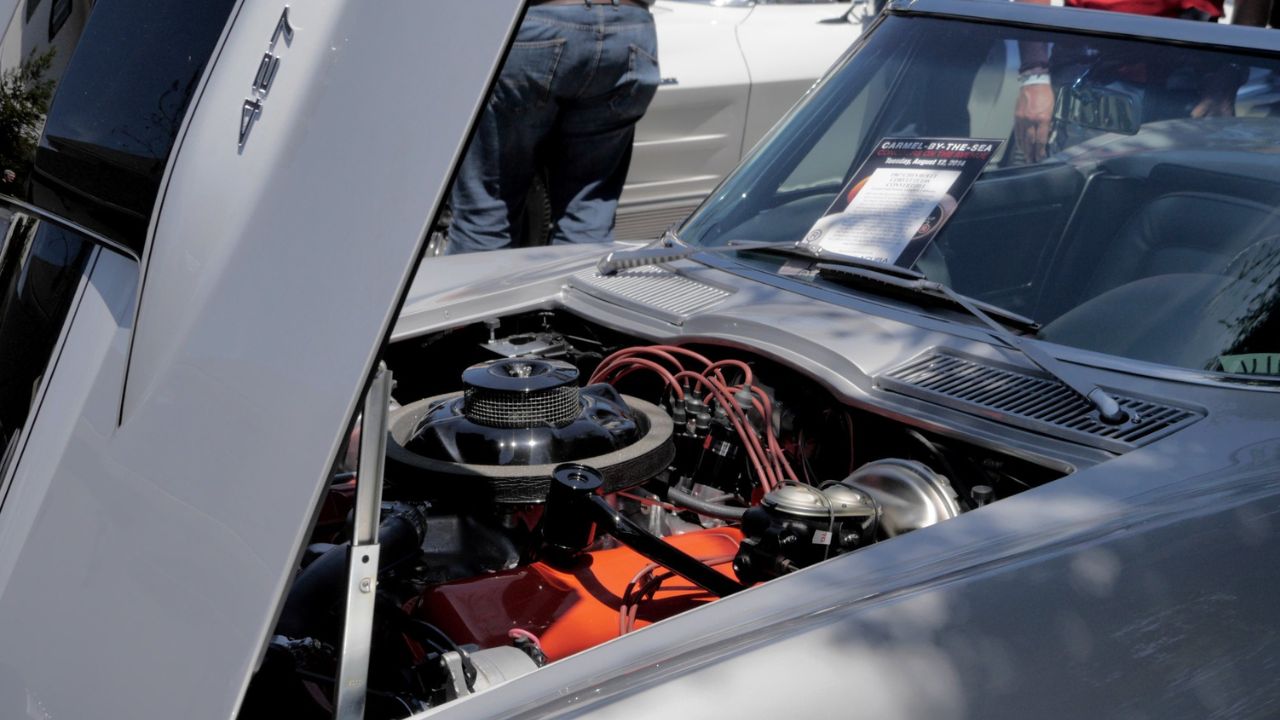
Of course, the Rebel Machine would have been a footnote if the performance had not backed up the paint. Under the hood sat AMC’s 390 cubic inch V8, tuned specifically for this application, and paired with gearing and suspension that made the car far more than a straight-line gimmick. In an era when Detroit’s big names were locked in a horsepower war, AMC needed more than marketing to be taken seriously, and the Rebel Machine delivered with real speed that surprised drivers who expected a sleepy family sedan.
Later analysis of the 1970 AMC Rebel Machine highlights just how serious that package was. The 390 AMC V8 in the Rebel Machine packs 340 horsepower and a crushing 430 lb-ft of torque, figures that put it squarely in the thick of the muscle car arms race and made it a genuine threat to rivals like the 1969 Ford Mustan. One detailed breakdown notes that the Rebel Machine The Rebel Machine could outrun some of the era’s most hyped pony cars, which helps explain why it startled Detroit insiders who had not expected AMC to build anything that quick.
Why such a bold car faded so fast
For all its impact, the Rebel Machine’s time in the spotlight was brief, and that brevity is part of what makes it fascinating. AMC was still a small American player, without the deep pockets or vast engineering armies that General Motors and Ford could deploy. Building a specialized muscle sedan with unique trim, tuning, and marketing was expensive, and the company had to balance that cost against the reality of a changing market. Insurance surcharges, rising fuel concerns, and shifting buyer tastes were already starting to squeeze the muscle segment, and a niche car like the Rebel Machine was always going to be vulnerable.
Later retrospectives on why the 1970 AMC Rebel Machine was killed off despite its performance point to those structural limits. Analysts describe moments in American muscle car history when a small company without deep pockets or giant engineering teams tried to punch above its weight, only to be pulled back by financial gravity. One such look at why the car disappeared so quickly frames the American brand’s decision as a pragmatic retreat rather than a failure of imagination. From my perspective, that makes the Rebel Machine feel even more like a lightning strike: brief, bright, and impossible to ignore while it lasted.
The legacy that still rattles Detroit’s memory
Today, when I think about the Rebel Machine shocking Detroit, I do not picture executives scrambling in boardrooms so much as I picture the cultural jolt. Here was a company best known for frugal commuters suddenly fielding a car that could line up against a Ford Mustan or a Chevelle SS and make a real race of it. That upset the unspoken hierarchy of the muscle era, where only the big three were supposed to build the headline grabbers. The Rebel Machine proved that a smaller badge could still command attention at the drag strip and in the showroom.
The car’s legacy lives on in the way enthusiasts talk about it, often with a mix of surprise and admiration that such a wild machine came from AMC at all. When I watch modern coverage that calls the 1969 AMC Rebel Machine one of the most underrated muscle cars ever built, or revisit the story of how AMC GOES RACING after years of caution, I see a throughline of defiance. The Rebel Machine may not have saved its maker, but it left a mark on Detroit’s memory that feels bigger than its production numbers, a reminder that even in a market ruled by giants, a well timed rebel can still make the ground shake.
More from Fast Lane Only: