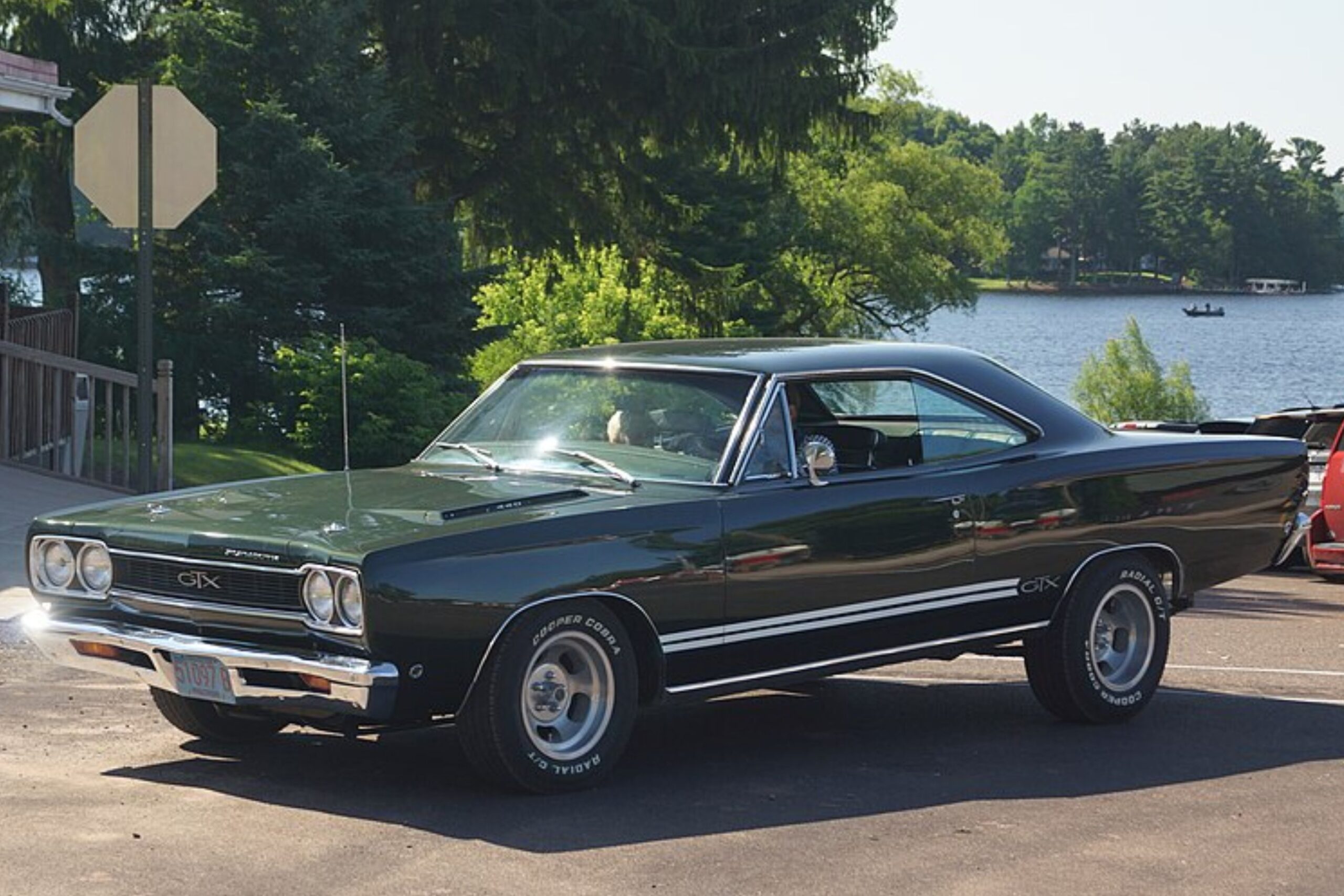
Some muscle cars shout. The 1968 Plymouth GTX didn’t need to. It blended big-engine attitude with the kind of comfort, trim, and restraint that made it feel just as at home rolling up to a nice restaurant as it did lining up at a stoplight.
That balance is what pushed people to call it a “gentleman’s” muscle car. It wasn’t trying to be the cheapest way into big horsepower, and it wasn’t built around bare-bones intimidation. Instead, it aimed for fast and refined at the same time.
A premium muscle car by design
Plymouth positioned the GTX as a higher-end performance model, and you can see that intention in how it was put together. It wasn’t the stripped, budget-friendly street fighter of the lineup. The GTX came across as a step up in finish and presentation, even before you got into the powertrain choices.
That premium angle mattered in the late 1960s, when plenty of fast cars were built to a price. The GTX leaned the other way: more standard equipment, more emphasis on looks and cabin feel, and a cleaner overall vibe. It’s a big reason the car’s reputation skewed “well-heeled” compared with some of its louder rivals.
Big-block power without the rough edges
The GTX’s calling card was big-block performance, with the 440 cubic-inch V8 widely associated with the model. That engine gave buyers the kind of effortless torque muscle-car fans want, especially in real-world driving where midrange shove matters more than bragging rights. It’s fast in a way that doesn’t require constant drama.
There was also the option for more extreme factory power depending on configuration and availability, but the key point is the GTX’s character. It delivered serious muscle without needing to feel raw or punishing. When people say “gentleman’s muscle car,” they’re often talking about that combination of authority and composure.
Looks that are aggressive, but not cartoonish
Styling plays a huge role in the nickname, because the GTX wears its performance in a relatively tailored way. The lines are clean, the stance is confident, and the overall shape is more elegant than gimmicky. It’s the kind of car that looks expensive even standing still.
Yes, it still looks like a late-’60s muscle car, and it doesn’t pretend otherwise. But it doesn’t rely on wild add-ons to prove its point. The GTX’s design reads as intentional and mature, which is exactly the vibe people mean when they call it a gentleman’s choice.
Interior comfort that matches the badge
Part of the GTX’s appeal is that it doesn’t treat the cabin as an afterthought. Compared with more bare-bones performance models of the era, the GTX typically offered a more complete, better-trimmed environment. The goal was to make you feel like you bought something special, not just something fast.
That matters because muscle cars weren’t always pleasant day-to-day. The GTX could be driven to work, taken out on date night, and still feel appropriate. The “gentleman” label fits when a car’s interior invites you to settle in rather than brace yourself.
Road manners and the way it delivers speed
Muscle isn’t only about horsepower; it’s about how a car behaves when you use it. The GTX’s big-block power tends to come on with a strong, smooth surge rather than a peaky, high-strung feel. That makes it quick without needing to be constantly wrung out.
It also means the experience can feel more controlled and less frantic. You can drive it gently and it’ll cruise with ease, then lean on the throttle and get that classic big-engine response. That dual personality is central to the car’s long-standing image.
A more mature alternative within the same showroom
Plymouth buyers in 1968 could find performance in different flavors, and that context helps explain the nickname. Some models were designed to be more youth-oriented and price-conscious, emphasizing straight-line thrills and bold branding. The GTX, by contrast, leaned into being the upscale performance pick.
In other words, it wasn’t necessarily for someone trying to prove a point. It was for someone who wanted a serious car and was willing to pay for the nicer version. That’s the kind of buyer profile that naturally invites “gentleman” language.
Subtle prestige in the details
Badging and trim can turn the same basic platform into a different statement, and the GTX benefited from that. The way it was presented signaled that it wasn’t just another intermediate with a big engine dropped in. It read as a complete package, not a parts list.
That subtle prestige is what separates it from cars that feel like rolling declarations. The GTX can still turn heads, but it does it with confidence rather than volume. For a lot of enthusiasts, that’s exactly the point.
Why the nickname stuck with enthusiasts
Car nicknames survive when they capture something real, and this one does. The GTX’s blend of strong performance, comparatively refined presentation, and an upscale positioning gave people an easy shorthand. It’s muscle you can wear with a jacket instead of a sleeveless tee.
Decades later, enthusiasts still use the phrase because it fits the experience the car aims to deliver. It’s not about being slow or soft—it’s about being fast without feeling cheap or crude. That’s the sweet spot the 1968 GTX is remembered for.
More from Fast Lane Only
- Unboxing the WWII Jeep in a Crate
- 15 rare Chevys collectors are quietly buying
- 10 underrated V8s still worth hunting down
- Police notice this before you even roll window down
*Research for this article included AI assistance, with all final content reviewed by human editors.