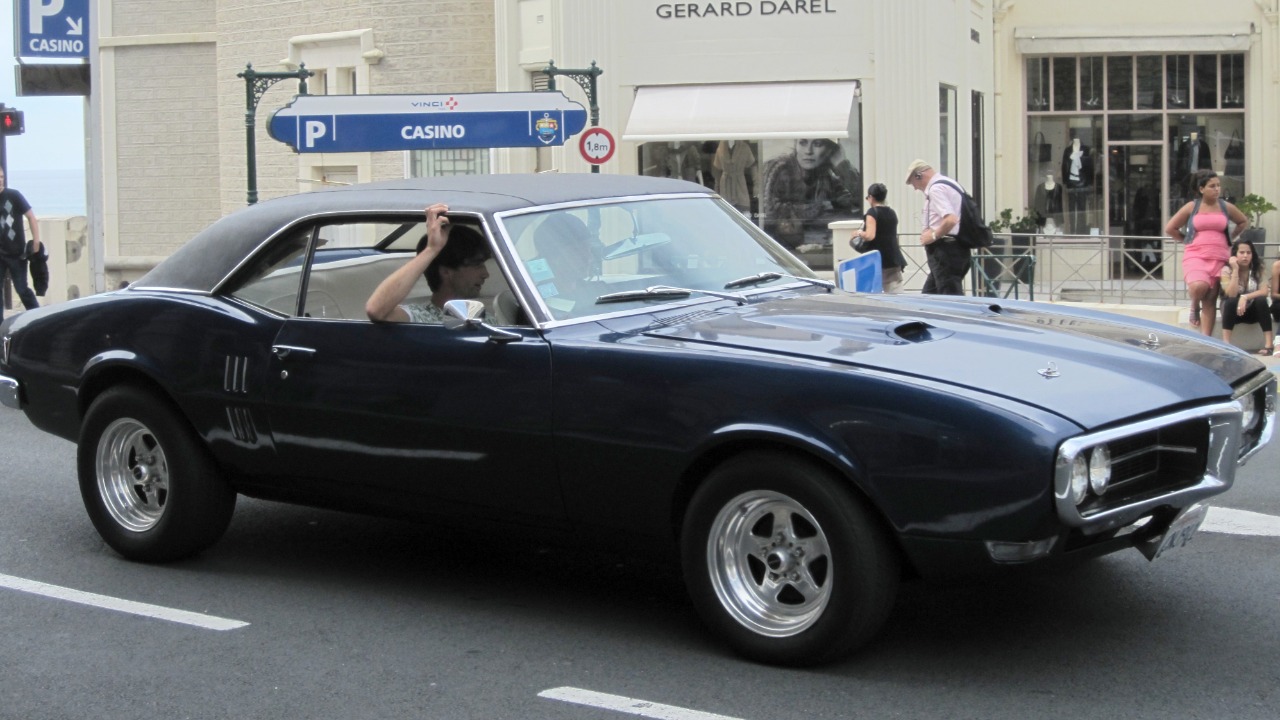
The 1968 Pontiac Firebird arrived in showrooms as a stylish sibling to the Chevrolet Camaro, yet it quietly evolved into a sharper performer than many buyers or even Pontiac’s own marketing suggested. Careful engineering tweaks, underrated factory horsepower figures, and a deep options list turned what looked like a fashion-forward pony car into a surprisingly serious machine.
That gap between expectations and real-world capability helps explain why enthusiasts still chase the right 1968 Firebird today, especially the high-compression Ram Air versions, even as some of those cars remain relatively attainable compared with headline muscle icons.
What happened
When Pontiac introduced the Firebird for 1967, it shared F-body underpinnings with the Camaro but wore distinct sheet metal and used Pontiac’s own engines. For 1968, the Firebird kept the same basic body but gained a cleaner nose, revised side markers, and subtle interior updates. The real story, however, sat under the hood, where Pontiac refined its V8 lineup and quietly improved drivability and performance.
The base 1968 Firebird used a 250 cubic inch inline-six, yet the car’s reputation was built on its V8 range. Buyers could choose 350 and 400 cubic inch engines, each with several power levels. Pontiac’s engineers had already learned from the GTO program that advertised horsepower could attract regulatory attention and insurance penalties. As a result, several Firebird engines, especially the hotter 400s, were widely understood to be underrated on paper compared with their actual output.
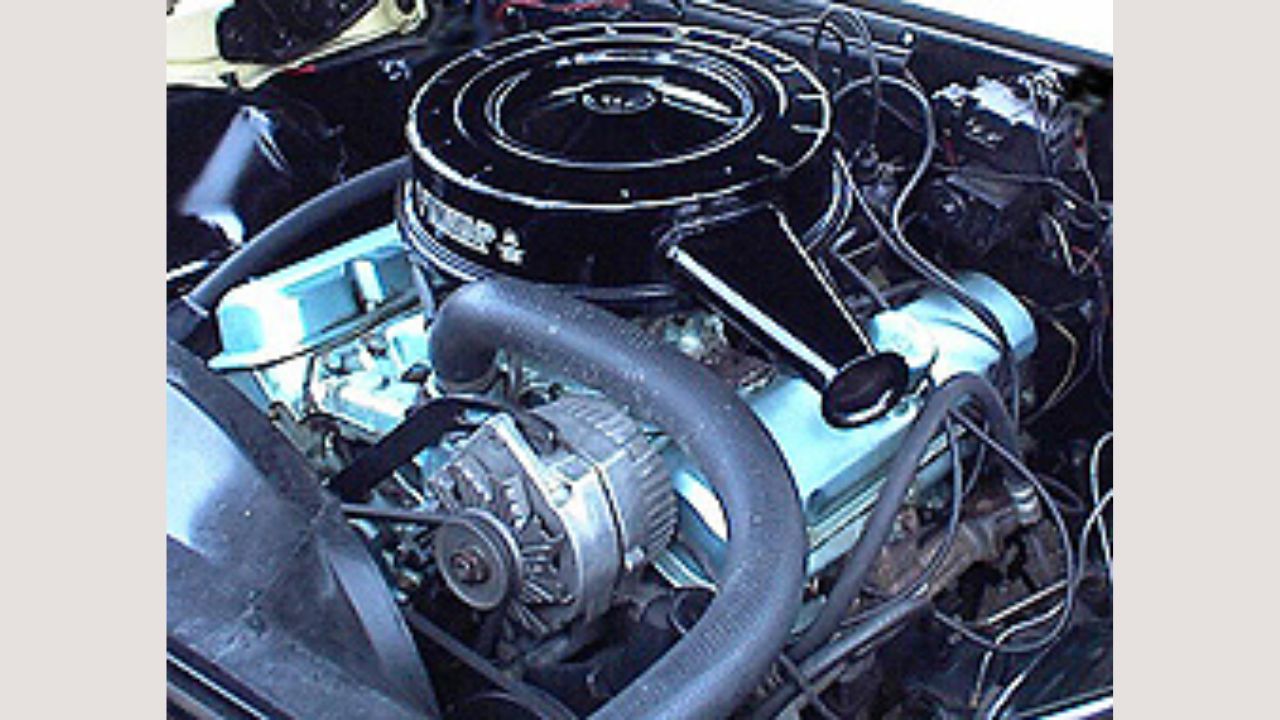
The most serious 1968 Firebird packages revolved around the 400 cubic inch V8 paired with Ram Air induction. These versions used functional hood scoops that fed cooler, denser air to the carburetor at speed, along with performance-oriented camshafts and higher compression. Period testers and modern owners often report that Ram Air Firebirds pulled harder than their brochure ratings suggested, and quarter-mile times frequently lined up with cars that claimed more power on paper.
Even outside the Ram Air catalog, Pontiac tuned the Firebird chassis to behave better than its spec sheet implied. Front disc brakes were available, as were heavy-duty suspension pieces and limited-slip differentials. The car’s relatively short wheelbase and wide track helped it feel composed in corners compared with some intermediate muscle cars that focused solely on straight-line blasts.
Over time, the market began to recognize that a well-optioned 1968 Firebird 400, especially in Ram Air form, could embarrass more famous rivals at the drag strip while still cruising comfortably. That performance reputation has carried into the collector era, where buyers increasingly seek out authentic Ram Air cars and strong driver-grade examples. Some coverage of current market values points out that certain Ram Air Firebirds remain among the more accessible factory hot rods of the late 1960s, at least relative to the most hyped GTOs and big-block Camaros.
Why it matters
The 1968 Firebird’s unexpectedly strong performance matters for several reasons that stretch beyond nostalgia. It highlights how Detroit’s horsepower wars often played out in the gray space between official numbers and real-world results. Pontiac, like several competitors, learned to manage insurance and regulatory scrutiny by publishing conservative ratings for engines that were engineered to perform above those figures.
That strategy shaped how enthusiasts experienced the car. Buyers who ordered a 400 with Ram Air hardware or a high-output tune often discovered that their Firebird could run with bigger-name machines. Magazine tests from the era, combined with owner stories, describe Firebirds hanging close to or beating cars that claimed higher horsepower. The disconnect between the marketing and the stopwatch created a kind of folk reputation, where word of mouth among street racers and club members mattered as much as Pontiac’s brochures.
The 1968 model year also marked an important moment in Pontiac’s broader performance identity. The GTO had already defined the brand as a muscle leader, but the Firebird allowed Pontiac to bring that performance image into the pony car segment. The car’s blend of comfort, style, and speed helped cement the idea that a small, sporty coupe could still carry serious power without sacrificing daily usability.
On the design side, the 1968 Firebird showed how incremental changes could sharpen a car’s character. The revised front end, cleaner side detailing, and subtle interior improvements gave the car a more mature look compared with the 1967 model. That visual refinement, paired with stronger drivetrains, created a package that appealed to both image-conscious buyers and performance enthusiasts.
In the collector market, the Firebird’s story also challenges the assumption that only the most famous nameplates deserve attention. While first-generation Camaros and big-block Chevelles often dominate auction headlines, informed buyers have learned that certain Firebird configurations offer similar or better performance at lower prices. Ram Air cars, especially genuine 1968 examples with correct components, have started to climb in value, yet they can still undercut some comparable Chevrolet and Mopar models.
That relative value has practical consequences. Enthusiasts who want a period-correct muscle or pony car that can be driven regularly often find the Firebird appealing. Parts support is strong, the shared F-body platform keeps many mechanical components familiar, and the Pontiac V8s have a reputation for durability when maintained properly. The car’s underrated status in the broader culture has, in some cases, kept it within reach for younger collectors and builders.
There is also an engineering legacy. The Firebird’s use of functional Ram Air systems, careful camshaft selection, and chassis tuning foreshadowed modern performance strategies. Today’s manufacturers still experiment with intake routing, airflow management, and suspension calibration to squeeze extra performance from existing platforms without triggering regulatory or cost penalties. The 1968 Firebird stands as an early example of that philosophy in action.
What to watch next
Looking ahead, the 1968 Firebird’s status as a stronger performer than advertised is likely to influence how the market treats these cars over the next decade. As documentation improves and more cars are verified as original Ram Air or high-output examples, prices for well-preserved and correctly restored models can be expected to diverge from those of more common configurations.
Enthusiasts and buyers will likely pay closer attention to build sheets, engine codes, and casting numbers. For a 1968 Firebird, details such as the correct 400 block, matching Ram Air hardware, and original transmission can make a significant difference in value and desirability. Cars that combine authentic performance options with solid bodywork and tasteful upgrades, such as modern radial tires or improved cooling systems, may become the go-to choice for drivers who want to enjoy their classics on the road rather than store them as static investments.
The broader muscle car community is also rethinking what counts as a top-tier performer from the late 1960s. As the most famous models reach price levels that exclude many buyers, attention naturally shifts to cars that offer similar experiences with less financial risk. The 1968 Firebird sits squarely in that conversation. Its mix of style, underrated power, and shared components with more common GM models gives it a unique balance of excitement and practicality.
Restomod builders are another group to watch. The Firebird’s F-body platform accepts a wide range of modern upgrades, from overdrive automatic transmissions to fuel-injected Pontiac-based engines or carefully chosen suspension kits. Builders who respect the car’s original character while subtly enhancing performance and reliability may help introduce the 1968 Firebird to a new audience that values classic looks paired with contemporary drivability.
At the same time, preservation-minded collectors are likely to push for accurate restorations of rare configurations, especially early Ram Air cars. As information about correct finishes, factory markings, and option combinations becomes easier to access, the bar for authenticity will continue to rise. That trend could further separate the market into highly original show-quality Firebirds and more affordable driver-grade cars.
More From Fast Lane Only: