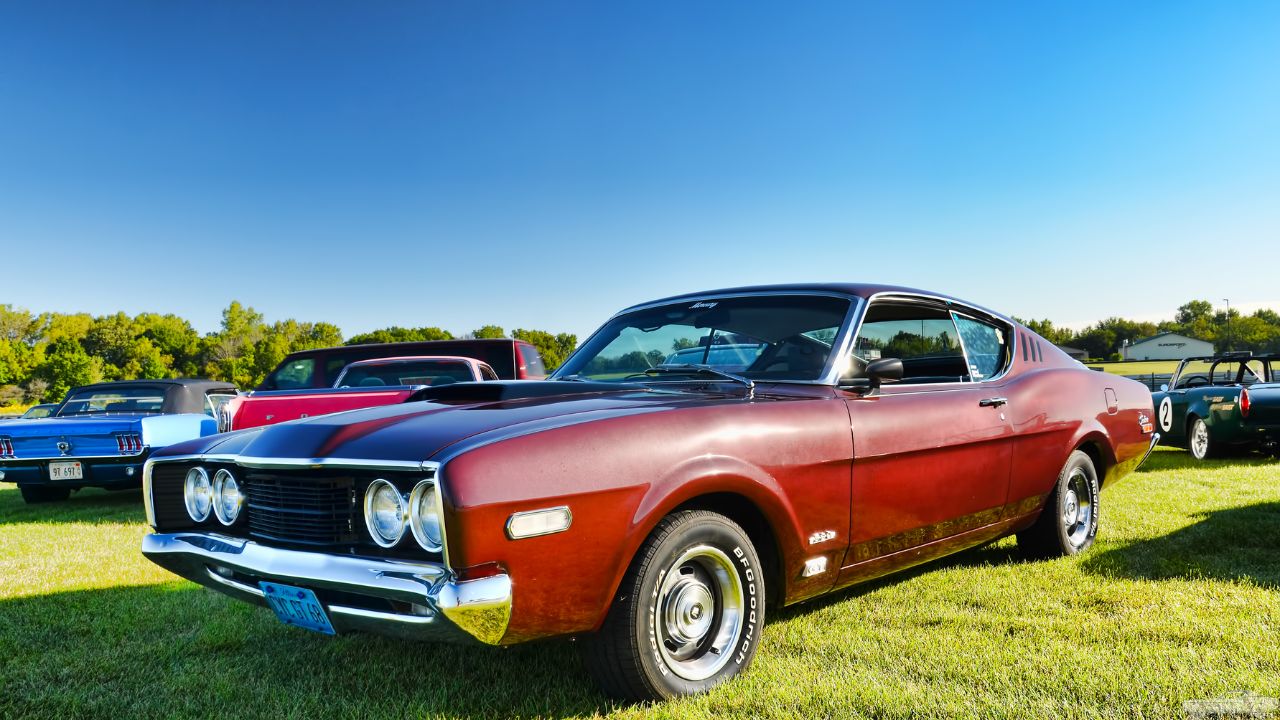
The 1968 Mercury Cyclone GT stands out as a remarkable yet often overlooked muscle car that offered big-block performance wrapped in a subtle charm. With its unique features and historical context, this model deserves a closer examination to understand its quiet legacy in the muscle car arena.
Historical Context of the Mercury Cyclone GT
The late 1960s marked a golden age for American muscle cars, a period where speed and power became the defining characteristics of a new automotive culture. Mercury, a division of Ford, aimed to carve its niche within this competitive landscape by expanding its performance offerings. The introduction of the Cyclone nameplate in 1966 was a strategic move to appeal to enthusiasts looking for something beyond the standard Ford lineup. The Cyclone GT, launched in 1968, was Mercury’s answer to the growing demand for muscle cars, combining performance with a distinct personality.
Compared to contemporaneous muscle cars like the Chevrolet Camaro and Pontiac GTO, the Cyclone GT occupied a unique position. While other brands emphasized aggressive styling and raw power, Mercury focused on delivering a more refined experience. This approach allowed the Cyclone GT to attract buyers who appreciated performance but also desired a touch of sophistication in their vehicles. Despite its advantages, the Cyclone GT faced stiff competition and often went unnoticed amidst the flashier offerings from its rivals.
Design and Features of the 1968 Cyclone GT
The exterior styling of the 1968 Cyclone GT is a testament to the era’s design philosophies, blending aggressive lines with a hint of elegance. Characterized by its long hood and short deck, the Cyclone GT’s profile was complemented by a distinctive front grille and sculpted fenders that hinted at the power within. The availability of bold color options, such as Bright Yellow and Medium Blue, appealed to a demographic looking to make a statement on the road. Additionally, the use of chrome accents provided a classic touch that further distinguished the Cyclone GT from its competitors.
Inside, the Cyclone GT offered a driver-focused cockpit that prioritized comfort and functionality. High-back bucket seats provided excellent support during spirited drives, while the dashboard layout was designed for easy access to essential controls. Features such as an optional center console and a sporty steering wheel enhanced the driving experience. Mercury understood that while performance was vital, the overall feel of the car could not be overlooked. This attention to detail contributed to the Cyclone GT’s appeal, attracting buyers who valued both style and substance.
Performance Specifications
At the heart of the 1968 Mercury Cyclone GT was a choice of two powerful big-block engines: the 390-cubic-inch V8 and the more formidable 428 Cobra Jet. The base 390 engine produced an impressive 320 horsepower, while the 428 Cobra Jet cranked out a staggering 335 horsepower, making it one of the most potent options available at the time. These engines were paired with a three-speed automatic or a four-speed manual transmission, allowing drivers to select their preferred balance of performance and ease of use.
Performance metrics for the Cyclone GT were impressive, with acceleration figures that could rival its contemporaries. The 428 Cobra Jet, in particular, could propel the Cyclone GT from 0 to 60 mph in just over six seconds, a remarkable feat for a car of its size. When compared to rivals like the Pontiac GTO and the Chevrolet Chevelle SS396, the Cyclone GT held its own, showcasing a blend of power and drivability that appealed to muscle car enthusiasts. For those interested in exploring the performance legacy of the Cyclone GT, a detailed road test is available on Hot Rod.
Driving Experience and Handling
The driving dynamics of the 1968 Cyclone GT are often praised for their balance and responsiveness. Behind the wheel, the car feels well-planted, with a suspension system designed to absorb bumps while offering precise handling. This combination allowed for confident cornering, making the Cyclone GT enjoyable on both winding roads and straightaways. The feedback from contemporary road tests indicates that the Cyclone GT managed to deliver a ride quality that was both comfortable and engaging, an essential trait for a muscle car of its time.
One of the significant advantages of the Cyclone GT was its ability to provide a comfortable ride without compromising on performance. The interior noise levels were surprisingly low for a muscle car, making long drives more enjoyable. Owners appreciated this balance, as it allowed them to experience the thrill of driving without the fatigue that often accompanied more performance-focused models. The Cyclone GT’s thoughtful design made it an appealing option for those who sought both excitement and everyday usability.
Market Reception and Sales Figures
Upon its release, the 1968 Mercury Cyclone GT received a mixed reception from the public and critics alike. While it appealed to a niche audience that appreciated its unique blend of style and performance, it struggled to gain the widespread recognition that some of its competitors enjoyed. Sales figures reflected this struggle; approximately 12,000 units were sold in its launch year, which was decent but not extraordinary, especially when compared to the more popular Ford Mustang and Chevrolet Camaro.
Several factors contributed to the Cyclone GT’s relative obscurity in the muscle car world. Mercury’s branding was not as robust as its competitors, leading to less visibility in the market. Additionally, the car’s understated styling and performance, while appealing to some, did not capture the flashy image that many buyers sought in a muscle car. As a result, the Cyclone GT became a footnote in the history of muscle cars, often overshadowed by more iconic models.
Legacy and Collectability
Today, the 1968 Mercury Cyclone GT is gaining recognition among classic car enthusiasts and collectors. Its unique position in the muscle car landscape—offering big-block performance with a refined touch—has made it a sought-after model for those looking to own a piece of automotive history. As the years go by, the Cyclone GT’s rarity and distinct characteristics have contributed to its collectibility, leading to an increase in value among well-preserved examples.
Owners and enthusiasts often share stories of their experiences with the Cyclone GT, highlighting its charm and the bonds formed through ownership. Online communities and clubs dedicated to classic Mercury vehicles have emerged, creating a space for fans to celebrate their shared passion. Events such as classic car shows increasingly feature the Cyclone GT, allowing it to shine in a setting that appreciates its performance and design legacy. For a closer look at a well-preserved example, check out this story on a 390-powered Cyclone GT.
Restoration and Preservation
Restoring a 1968 Cyclone GT can be both a rewarding and challenging endeavor. Finding original parts can prove difficult, as many of them are now scarce due to the model’s relatively low production numbers. Enthusiasts often face the challenge of ensuring that any restoration work maintains the car’s originality, which is crucial for preserving its value. This can involve sourcing period-correct components and ensuring that the paint and interior materials reflect the vehicle’s original specifications.
Experts recommend that owners keep detailed documentation of their restoration process, including photographs and receipts for parts. This not only helps maintain the car’s history but also enhances its value in the collector’s market. Additionally, joining forums or groups dedicated to Mercury vehicles can provide valuable resources and connections to other owners who have navigated similar challenges. For those interested in the nuances of restoration, understanding the importance of historical records cannot be overstated.
Owner Stories and Community
The personal anecdotes from long-term owners of the 1968 Cyclone GT reveal a passionate community dedicated to preserving the model’s legacy. Many owners recount their first experiences behind the wheel, describing the thrill of driving a car that combines muscle with sophistication. These stories often highlight the relationships formed with fellow enthusiasts at car shows and meets, where the Cyclone GT serves as a conversation starter and a symbol of shared passion.
Online platforms and social media groups have become vital in fostering the Cyclone GT community. For instance, pages like Hot Cars showcase owner stories and feature stunning photographs of the Cyclone GT, helping to raise awareness about this often-overlooked muscle car. Events and gatherings provide opportunities for owners to showcase their vehicles, share restoration tips, and connect with others who appreciate the Cyclone GT’s unique charm and performance.
As I reflect on the enduring appeal of the 1968 Mercury Cyclone GT, I am struck by its quiet strength in the realm of American muscle cars. While it may not enjoy the same fame as some of its competitors, the Cyclone GT embodies a distinctive character that resonates with those who value both performance and elegance. Its place in the broader context of automotive history is not just as a participant but as a unique entry that continues to capture the hearts of enthusiasts today. Exploring the Cyclone GT offers a chance to appreciate a classic that deserves its moment in the spotlight.
More from Fast Lane Only