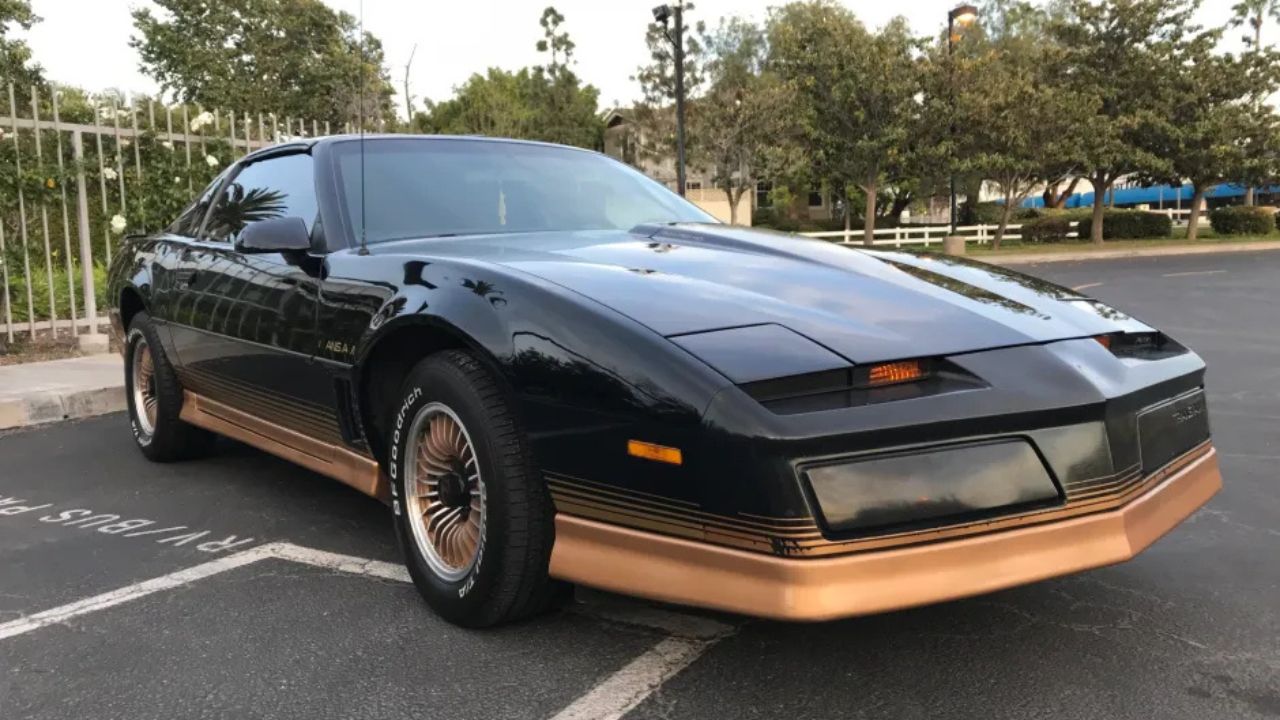
The 1984 Pontiac Trans Am 15th Anniversary Edition arrived as a carefully engineered statement from Pontiac, using a limited-run Firebird to showcase new technology and sharpened performance. Rather than a simple appearance package, it bundled electronic innovation, upgraded hardware, and distinctive styling to push the third-generation Trans Am further into the modern era.
More than three decades later, that special Trans Am stands out as a turning point, when Pontiac used a commemorative model to experiment with computer controls, advanced aerodynamics, and track-ready hardware that would influence later performance cars.
What happened
When Pontiac launched the third-generation Firebird for 1982, the car moved to a lighter, more aerodynamic platform that set the stage for later high-tech variants. The new body was lower and slipperier than the second-generation car, and it introduced features such as hidden headlights and an integral rear spoiler that were shaped in the wind tunnel. According to period engineering summaries of the 1982-1991 Firebird, the redesign cut weight and drag, which opened the door for both fuel economy gains and higher performance.
By 1984, Pontiac wanted a halo model to celebrate the 15th anniversary of the Trans Am nameplate, which had first appeared in the Firebird lineup for 1969. The result was the 15th Anniversary Edition, a limited-production Trans Am that combined a distinctive appearance package with the most advanced technology Pontiac could fit into a showroom car at the time. The car wore white paint with blue striping, specific badging, and matching white wheels, a visual callback to earlier performance Pontiacs but applied to the thoroughly modern third-generation shape.
Under the skin, the 15th Anniversary Trans Am used the same basic unibody structure and suspension layout as other Firebirds of the period, with MacPherson struts in front and a live rear axle located by a torque arm and trailing links. What set it apart was the way Pontiac layered in new equipment. The anniversary model was built around a high-output V8 that used electronic controls to manage spark and fuel, a significant step away from the purely mechanical carburetor setups that had defined most American performance cars through the 1970s. A tuned exhaust system and performance rear axle ratio helped the engine make the most of its output on the road.
To match the powertrain upgrades, Pontiac specified a performance suspension package that sharpened the Trans Am’s reflexes. Higher-rate springs, gas-charged shocks, and thicker anti-roll bars worked with the car’s low center of gravity and wide track to deliver flatter cornering and more confident high-speed stability. Four-wheel power disc brakes, still not universal on domestic coupes in the early 1980s, improved stopping performance. Pontiac also paid attention to tire technology, fitting the 15th Anniversary Edition with performance-rated radials that could take advantage of the chassis tuning.
The interior reflected the same blend of celebration and technology. Special upholstery and embroidery marked the car as an anniversary model, while the options list showcased emerging electronics. Buyers could specify a digital instrument cluster that replaced traditional analog gauges with LED or vacuum fluorescent displays, an early example of the move toward fully electronic dashboards. An advanced audio system with cassette capability, premium speakers, and steering wheel controls highlighted how Pontiac saw in-car electronics as part of the performance story rather than a separate luxury feature.
Production of the 15th Anniversary Trans Am was intentionally limited, reinforcing its role as a collector-focused showcase for Pontiac’s latest ideas. Each car carried unique identification, and the combination of appearance, technology, and hardware made it one of the most fully equipped Firebirds of its era.
Why it matters
The 15th Anniversary Trans Am matters because it captured a moment when American performance cars were shifting from brute-force displacement toward a more sophisticated mix of aerodynamics, electronics, and chassis tuning. The third-generation Firebird platform already reflected this shift, with a lower hoodline, sloped windshield, and integrated spoilers that reduced drag and lift compared with earlier models. Pontiac used the anniversary edition to push that envelope further, pairing the slippery body with a more coordinated package of powertrain and suspension technology.
Electronic engine management was one of the most significant changes. In the late 1970s and early 1980s, tightening emissions regulations and fuel economy standards had cut deeply into horsepower figures. Manufacturers were learning that computers could help recover performance while staying within regulatory limits. By fitting the 15th Anniversary Trans Am with a high-output V8 that relied on electronic controls for precise fuel and spark delivery, Pontiac showed how technology could restore some of the excitement that had been lost during the malaise years.
The car’s suspension and braking upgrades also pointed toward the future. Instead of focusing solely on straight-line acceleration, Pontiac tuned the anniversary Trans Am for balance. The combination of performance springs, gas shocks, and four-wheel discs moved the Firebird closer to the kind of all-around capability that European sports coupes were offering. That shift in priorities would become more common as domestic brands worked to compete with imports on handling and refinement as well as raw power.
Inside, the availability of a digital dashboard hinted at the broader move toward electronic interfaces that would eventually dominate automotive interiors. In 1984, a glowing digital speedometer and bar-graph tachometer felt like science fiction to many buyers. Pontiac framed this technology as part of the Trans Am’s identity as a forward-looking performance car, not just a novelty. That philosophy foreshadowed the way modern performance models now integrate configurable digital clusters, head-up displays, and complex drive-mode menus as core parts of the driving experience.
The 15th Anniversary Edition also reinforced the idea that limited-run specials could serve as test beds for new features. By bundling emerging technology and premium hardware in a commemorative package, Pontiac could justify higher pricing and lower volumes while gathering real-world feedback. Later Firebird variants, including turbocharged and higher-output models, would continue this pattern, using special editions to introduce new components and calibrations before they filtered into broader production.
From a brand perspective, the anniversary Trans Am helped keep Pontiac’s performance image alive at a time when many enthusiasts were skeptical of domestic muscle. The car’s styling, graphics, and hardware sent a clear message that Pontiac still cared about speed and handling, even as it navigated corporate fuel economy targets and emissions requirements. That message resonated with buyers who wanted a modern car that still felt connected to the Trans Am’s late-1960s heritage.
What to watch next
Interest in the 1984 Trans Am 15th Anniversary Edition has grown as collectors pay more attention to third-generation Firebirds in general. For years, these cars sat in the shadow of their late-1960s and early-1970s predecessors, which commanded higher prices and more attention at shows. As enthusiasts who grew up in the 1980s reach peak buying power, however, demand has shifted toward the cars they remember from childhood, including limited-run models like the anniversary Trans Am.
That trend raises questions about how the market will value technology-heavy performance cars from this period. Features that were cutting edge in 1984, such as digital dashboards and early engine control modules, can be challenging to maintain today. Replacement parts may be scarce, and specialized knowledge is often required to diagnose and repair electronic issues. Collectors and restorers are watching to see how support for these systems evolves, and whether aftermarket solutions will emerge to keep anniversary models functioning as intended.
The broader legacy of the 15th Anniversary Trans Am also continues to shape discussions about how manufacturers use special editions. Modern performance brands frequently release limited-run variants that debut new software calibrations, active aerodynamics, or hybrid systems. The strategy Pontiac used in 1984, packaging technology and hardware upgrades in a commemorative model, has become a template that others follow with track-focused packages, anniversary badges, and numbered series.
More From Fast Lane Only: