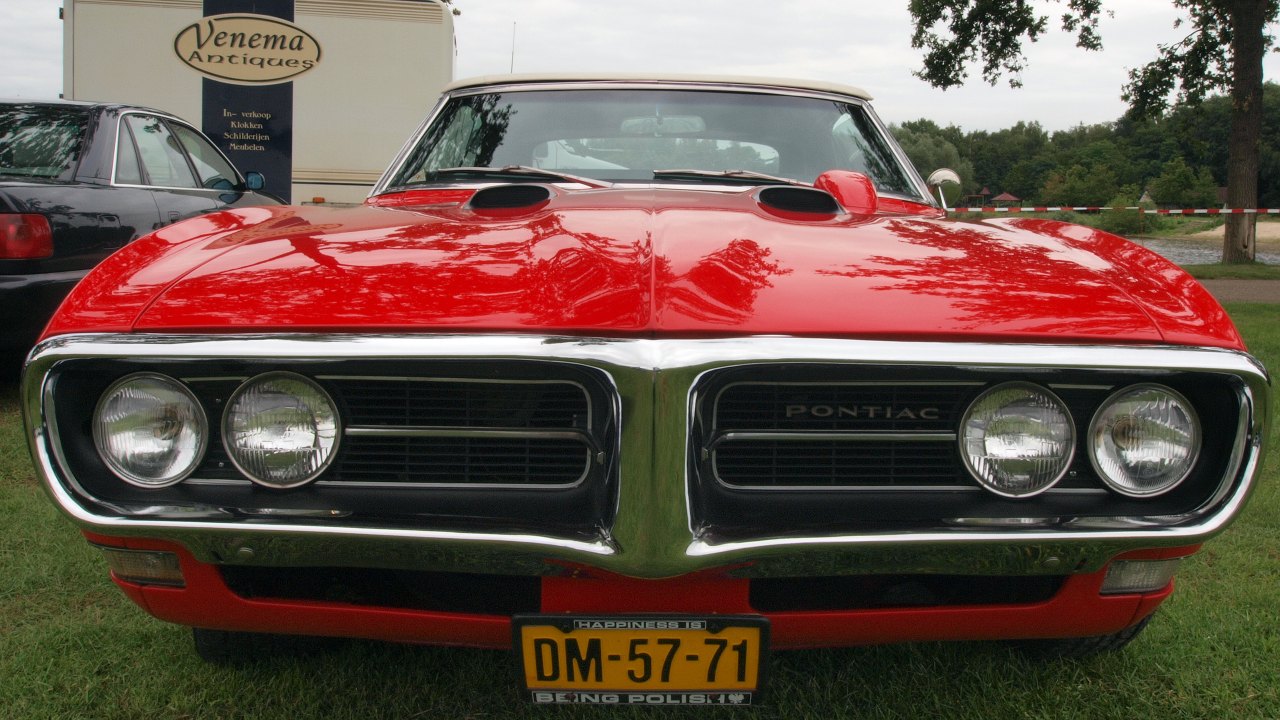
The 1968 Pontiac Firebird arrived in showrooms looking less like a sophomore effort and more like a shot across the bow of Detroit’s status quo. It sharpened the new “pony car” formula into something angrier, more focused and more technically ambitious, hinting that the horsepower race was about to escalate beyond what regulators, insurers and even buyers could comfortably absorb. In its styling, engineering and market positioning, the car read like an early warning that the muscle era was racing toward a breaking point.
A second-year car that refused to play safe
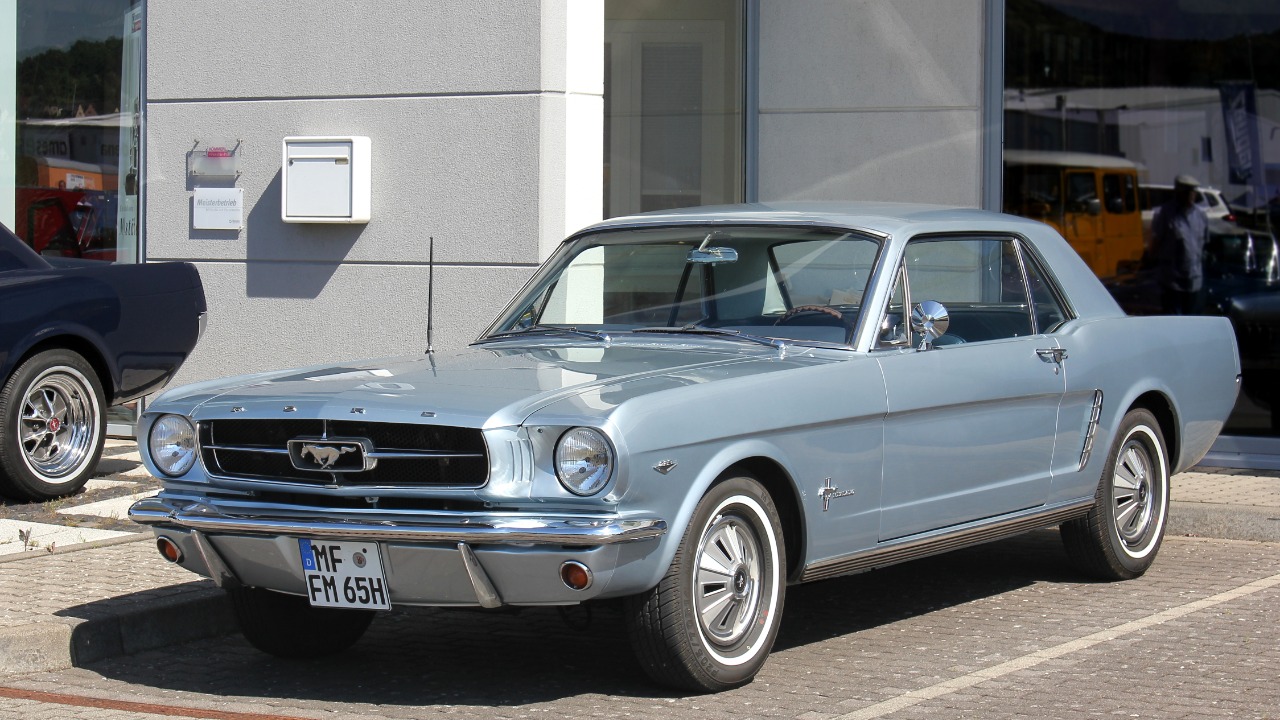
By its second model year, most cars settle into a predictable rhythm of minor tweaks and cautious updates, but the 1968 Pontiac Firebird did the opposite, leaning harder into performance and attitude. It built directly on the 1967 debut yet presented itself as a more assertive contender in the still relatively new pony car segment, which had been kicked off by the wildly successful Ford Mustang. Contemporary descriptions of the 1968 Pontiac Firebird emphasize that it was the second model year of Pontiac’s pony car and that it was deliberately marketed to compete with the Ford Mustang, not as an afterthought but as a direct rival in both style and speed.
That positioning mattered because the Mustang had effectively defined the category, while the Firebird arrived with a different engineering pedigree and a more aggressive personality. Enthusiast commentary comparing the Firebird and the Mustang notes that the Mustang, unless specified as a Shelby, was essentially a slightly slicker Falcon, whereas the Firebird rode on a newer platform that many considered more sophisticated and better balanced. In that light, the 1968 Pontiac Firebird was not simply chasing the Mustang’s sales success, it was signaling that Pontiac intended to raise the technical bar for pony cars and push the segment toward higher performance expectations.
Styling that hinted at escalation, not nostalgia
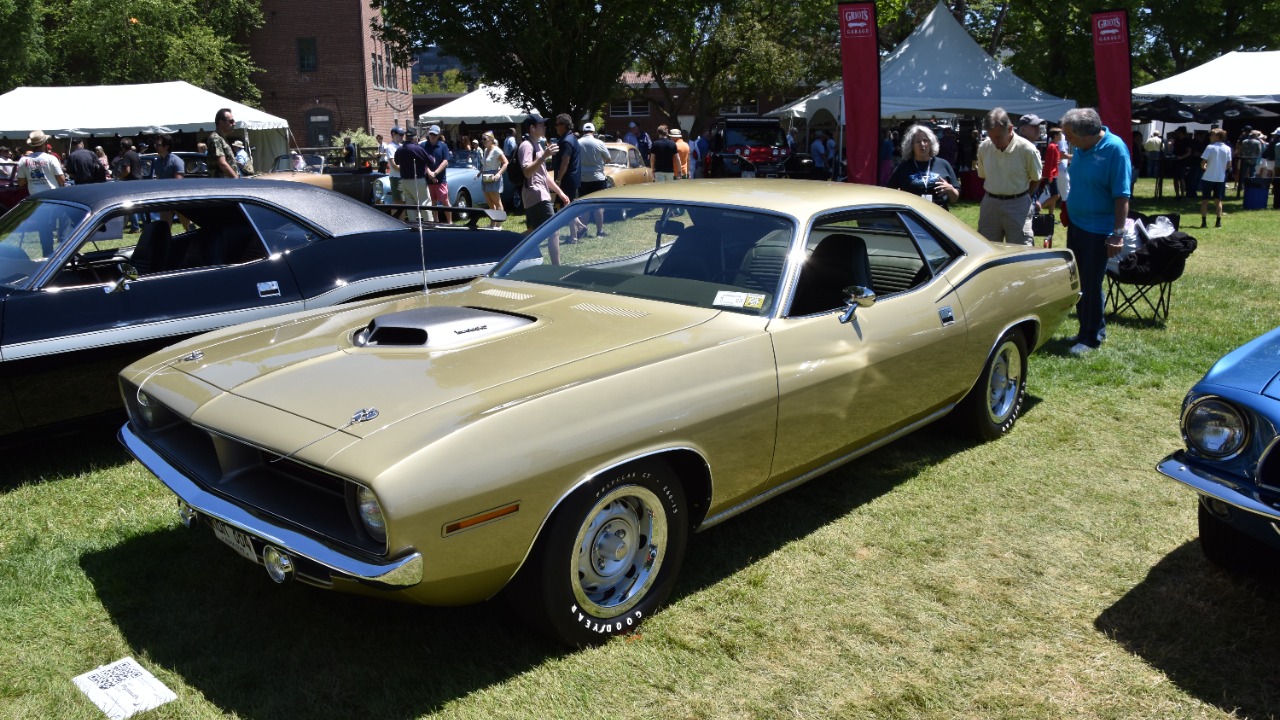
The visual message of the 1968 Pontiac Firebird was equally confrontational, trading in subtlety for a look that suggested motion even at idle. Accounts of the model describe it as bold, distinctive and aggressive, with a long hood, short deck and taut body lines that made it stand out in a crowded field of late‑1960s coupes. Enthusiasts highlight how the 1968 version refined the original design without losing attitude, presenting cleaner details such as revised side markers while preserving the muscular stance that made the car instantly recognizable as a Pontiac Firebird rather than a generic two‑door.
Inside, the car reinforced that message with a driver‑focused cockpit that blended sporty gauges and a purposeful layout, underscoring that this was not merely a stylish commuter. Descriptions of the 1968 Pontiac Firebird point to its sporty interior feel and the way it combined comfort with a sense of readiness, as if the car were always prepared for a back‑road sprint or a drag strip pass. Owners and observers recall the model as beautifully styled and often describe it as a first choice among late‑1960s pony cars, which suggests that its design did more than follow trends, it pushed the aesthetic toward a more aggressive, performance‑centric direction that other manufacturers would soon echo.
Powertrains that pushed the pony car into muscle territory
If the styling hinted at escalation, the engine lineup made that escalation explicit. Under the hood, the 1968 Pontiac Firebird offered a strong range of powertrains, from practical six‑cylinder options to serious V8s that blurred the line between pony car and full‑fledged muscle car. Enthusiast summaries of the model emphasize that it delivered a blend of performance and style, with particular attention paid to high‑output versions such as the Firebird 400 and Ram Air variants that gave the car the straight‑line speed to match its aggressive looks.
One frequently cited example is the 1968 Pontiac Firebird equipped with the Ram Air II 400, an uncommon but celebrated configuration that provided power to match the car’s visual drama. Coverage of this specification notes that the 1968 model year featured such high‑performance options precisely to ensure that the Firebird could stand toe‑to‑toe with the most potent offerings in the segment. Video features and enthusiast discussions describe the 1968 Pontiac Firebird as an “incredible” and even “ferocious” muscle car when so equipped, underscoring that Pontiac was not content to leave the Firebird as a mere appearance package. Instead, the brand used the 1968 lineup to push the pony car concept deeper into muscle car territory, effectively warning competitors and regulators that the performance race was accelerating.
A direct challenge to Ford’s dominance
The 1968 Pontiac Firebird did not exist in a vacuum, it was conceived as a pointed response to the Ford Mustang’s dominance of the pony car market. Multiple accounts describe the 1968 Firebird as a significant model in the Firebird lineup that was introduced as a direct competitor to the Ford Mustang, reinforcing that Pontiac saw the car as a strategic weapon rather than a niche experiment. The broader narrative of Pontiac’s role in the muscle car movement notes that by the end of an earlier model year the division had recorded 82,560 units sold in a key performance line, and that this kind of success was repeated in 1968 with strong Firebird production, including 87,708 Firebirds sold, which illustrates how seriously Pontiac pursued volume in this space.
Enthusiast debates about whether the Firebird or the Mustang was the better car often tilt in favor of the Firebird when the Mustang in question is not a Shelby, with some commentators arguing that the Firebird’s newer platform and more sophisticated engineering gave it an edge. At the same time, the Mustang’s status as the segment’s originator and its massive popularity meant that any credible rival had to be both technically impressive and emotionally compelling. By delivering a car that was widely regarded as a bold and stylish contender in the growing pony car market, Pontiac signaled that it was willing to confront Ford’s dominance directly, raising the competitive temperature and contributing to an arms race in styling, power and marketing that would define the late 1960s.
A warning shot at the future of performance
Seen from today’s vantage point, the 1968 Pontiac Firebird feels less like a simple product update and more like an early indication that the muscle and pony car boom was approaching its limits. The car’s combination of aggressive styling, increasingly powerful engines and direct rivalry with the Ford Mustang suggested that manufacturers were locked into a cycle of one‑upmanship that could not continue indefinitely in the face of looming safety, emissions and insurance pressures. Contemporary reflections on the 1968 Pontiac Firebird describe it as a bold and stylish contender that offered a near ideal blend of performance and design, which made it a standout but also highlighted how far the segment had moved from its relatively modest origins only a few years earlier.
Enthusiast recollections of owning or nearly buying a 1968 Pontiac Firebird, including stories of candy apple examples that were later regretted sales, underscore the car’s lasting emotional pull and its status as a dream car for many. At the same time, the very traits that made it so desirable, from the Ram Air II 400 to its unmistakable presence on the street, were the same traits that would soon draw scrutiny from regulators and insurers. In that sense, the 1968 Pontiac Firebird did not just compete in the pony car wars, it foreshadowed the coming clash between unrestrained performance and a changing regulatory and economic landscape, making it feel, in retrospect, like a clear signal that the golden age of American muscle was already living on borrowed time.
More from Fast Lane Only