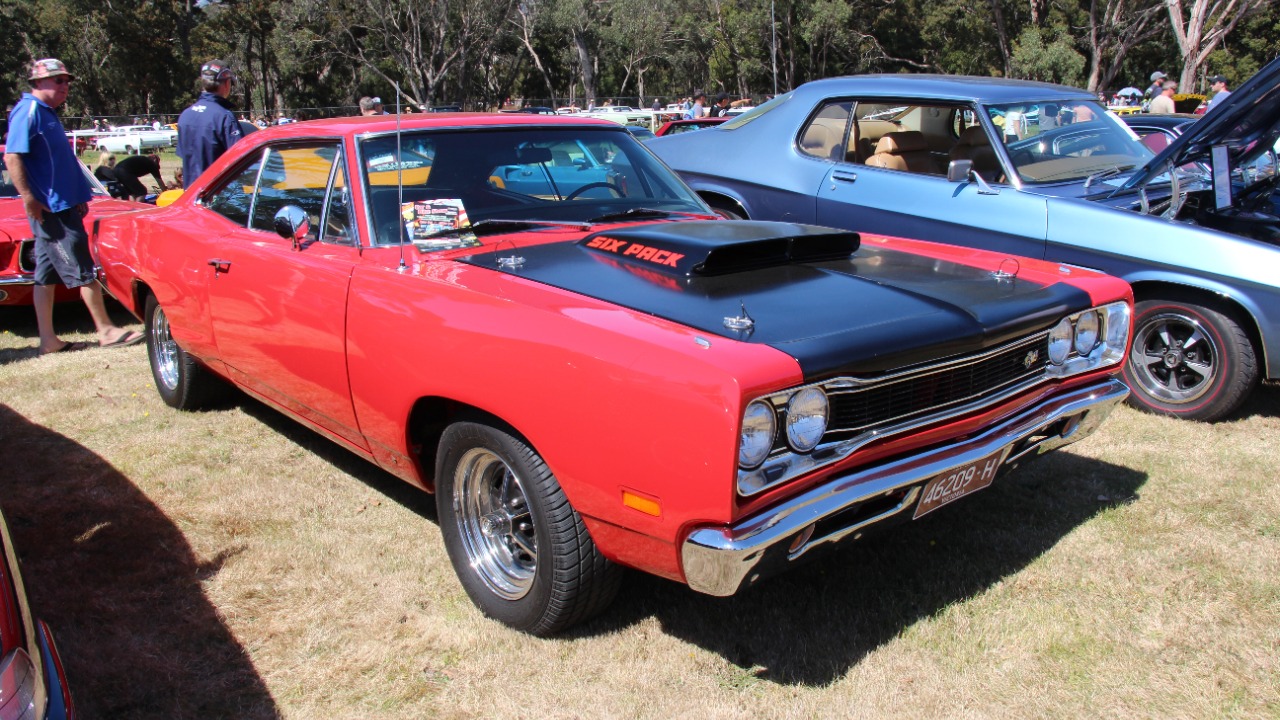
The 1969 Dodge Coronet emerged as a standout model in the automotive market, capturing the attention of car enthusiasts and average consumers alike. Its combination of performance, style, and affordability allowed it to outsell its competitors, making it a significant player in the muscle car era.
Market Context in 1969
The late 1960s marked a transformative period in the automotive industry, characterized by a surge in consumer interest in performance vehicles. This era was defined by the muscle car craze, where speed and power were paramount. The emergence of higher horsepower engines and sleek designs captivated buyers, particularly younger demographics eager to express their individuality through their vehicles. As a result, manufacturers began to focus heavily on producing cars that could deliver both performance and aesthetic appeal.
Several key trends influenced consumer preferences during this time. The rise of the baby boomer generation, now entering their driving years, created a demand for vehicles that offered excitement and flair. Additionally, the affordability of cars in the 1960s, largely due to post-war economic growth, allowed more people to purchase vehicles that were previously out of reach. Economic factors, such as low interest rates and a booming job market, also contributed to increased car sales in 1969, providing consumers with the financial flexibility to invest in a muscle car like the Dodge Coronet.
Design and Features of the 1969 Dodge Coronet
The 1969 Dodge Coronet stood out in the market with its distinctive styling and diverse body options. Available as a two-door hardtop, four-door sedan, and convertible, the Coronet appealed to a wide range of consumers. Its aggressive front grille and sculpted body lines provided a sporty appearance that resonated with buyers seeking a vehicle that made a statement. The design was a perfect blend of elegance and attitude, making it a popular choice for those who wanted more than just transportation.
Inside, the Coronet continued the trend of comfort and style. The spacious interior was designed with the driver in mind, offering well-padded seats and an intuitive dashboard layout. Optional features included air conditioning, an AM/FM radio, and upgraded upholstery, which catered to buyers looking for a more luxurious experience. The Coronet’s attention to detail in both exterior and interior design made it an attractive option for consumers who valued both performance and comfort.
Performance enthusiasts were particularly drawn to the engine options available in the 1969 Coronet. The model offered several powerful engines, with the iconic 426 Hemi as a standout choice. This legendary engine boasted 425 horsepower, providing exhilarating acceleration and top speed. The availability of other options, including the 440 cubic inch V8 and the 383, ensured that buyers had a range of choices to match their driving preferences. Such powerful engine options solidified the Coronet’s status as a muscle car and contributed significantly to its sales success.
Performance and Handling
The performance metrics of the 1969 Dodge Coronet placed it in direct competition with other muscle cars of the era. The 426 Hemi engine, for instance, could go from 0 to 60 mph in just over 5 seconds, a remarkable feat for its time. In comparison, vehicles like the Chevrolet Chevelle SS and Ford Mustang GT were also vying for the muscle car crown, but the Coronet’s combination of power and handling set it apart. The vehicle’s suspension system was engineered for performance, providing a balance between ride comfort and road-holding capabilities that many drivers appreciated.
Feedback from automotive magazines of the time highlighted the Coronet’s enjoyable driving experience. Publications like Motor Trend praised its responsive steering and stable handling, which made it a joy to drive on both city streets and open highways. The Coronet’s design incorporated features that enhanced stability and grip, allowing drivers to confidently navigate tight turns and challenging road conditions. This focus on performance resonated with consumers who were eager to embrace the muscle car lifestyle.
Pricing and Value Proposition
The 1969 Dodge Coronet was strategically priced to compete effectively in the muscle car segment. Starting at around $3,000, it offered a compelling value proposition compared to its rivals. For example, the Chevrolet Camaro and Pontiac GTO were priced higher when similarly equipped, making the Coronet an attractive choice for budget-conscious buyers who still wanted a powerful vehicle. This competitive pricing helped the Coronet capture a larger market share, appealing to a demographic that prioritized value without sacrificing performance.
In addition to its attractive base price, the Coronet offered various financing options that made it accessible to a broader audience. Dodge introduced promotional incentives, including low-interest financing plans and trade-in allowances, which encouraged consumers to consider the Coronet as their next vehicle. Such strategies not only boosted sales but also positioned Dodge as a brand willing to meet customer needs in an evolving market.
Marketing and Promotion Strategies
The success of the 1969 Dodge Coronet can be attributed in part to innovative marketing and promotional strategies that effectively highlighted its features. Dodge employed a range of advertising campaigns that showcased the Coronet’s performance capabilities and stylish design. Print ads featured vivid imagery of the Coronet in action, emphasizing its speed and power, while television commercials captured the excitement of driving a muscle car. These campaigns resonated with consumers, creating a strong desire for ownership.
Moreover, Dodge capitalized on motorsports to promote the Coronet’s performance pedigree. The brand participated in various racing events, showcasing the vehicle’s capabilities on the track. This involvement not only provided valuable exposure but also built credibility among performance enthusiasts who were keen on vehicles with racing heritage. The Coronet’s successes in events such as drag racing helped solidify its reputation as a serious contender in the muscle car arena.
Celebrity endorsements and pop culture references further amplified the Coronet’s appeal. The late 1960s saw a rise in car-centric films and television shows, and the Coronet was often featured as a symbol of freedom and adventure. This association with popular culture made the Coronet not just a car, but an emblem of the lifestyle that many aspired to live. The marketing team’s ability to connect the vehicle with contemporary culture undoubtedly played a role in its strong sales performance.
Legacy and Impact on Future Models
The remarkable success of the 1969 Dodge Coronet left a lasting legacy that influenced Dodge’s future designs. The model’s combination of performance, affordability, and style set a benchmark for subsequent muscle cars, prompting the company to continue developing vehicles that catered to the same audience. The Coronet’s success ignited a passion for horsepower within the brand, leading to the creation of other notable models in the following years, such as the Dodge Charger.
As the muscle car segment evolved throughout the 1970s, the Coronet played a pivotal role in shaping consumer expectations. Its success demonstrated that buyers desired vehicles that not only offered power but also comfort and practicality. This understanding informed Dodge’s design philosophy in the years to come, resulting in cars that balanced performance with daily usability. The Coronet’s influence can still be seen in modern muscle cars, which continue to prioritize a blend of speed and sophistication.
Today, the 1969 Dodge Coronet remains a highly collectible vehicle, cherished by enthusiasts and collectors alike. Its enduring popularity is a testament to the impact it had on the muscle car era and the nostalgia it evokes for a time when American automotive culture thrived. Collectors often seek out well-preserved models, and the Coronet has become a symbol of a bygone era that continues to resonate with car lovers around the world. Whether displayed at car shows or celebrated in classic car magazines, the 1969 Coronet’s legacy endures, reminding us of its significant role in automotive history.
More from Fast Lane Only
- Unboxing the WWII Jeep in a Crate
- 15 rare Chevys collectors are quietly buying
- 10 underrated V8s still worth hunting down
- Police notice this before you even roll window down
*Research for this article included AI assistance, with all final content reviewed by human editors.