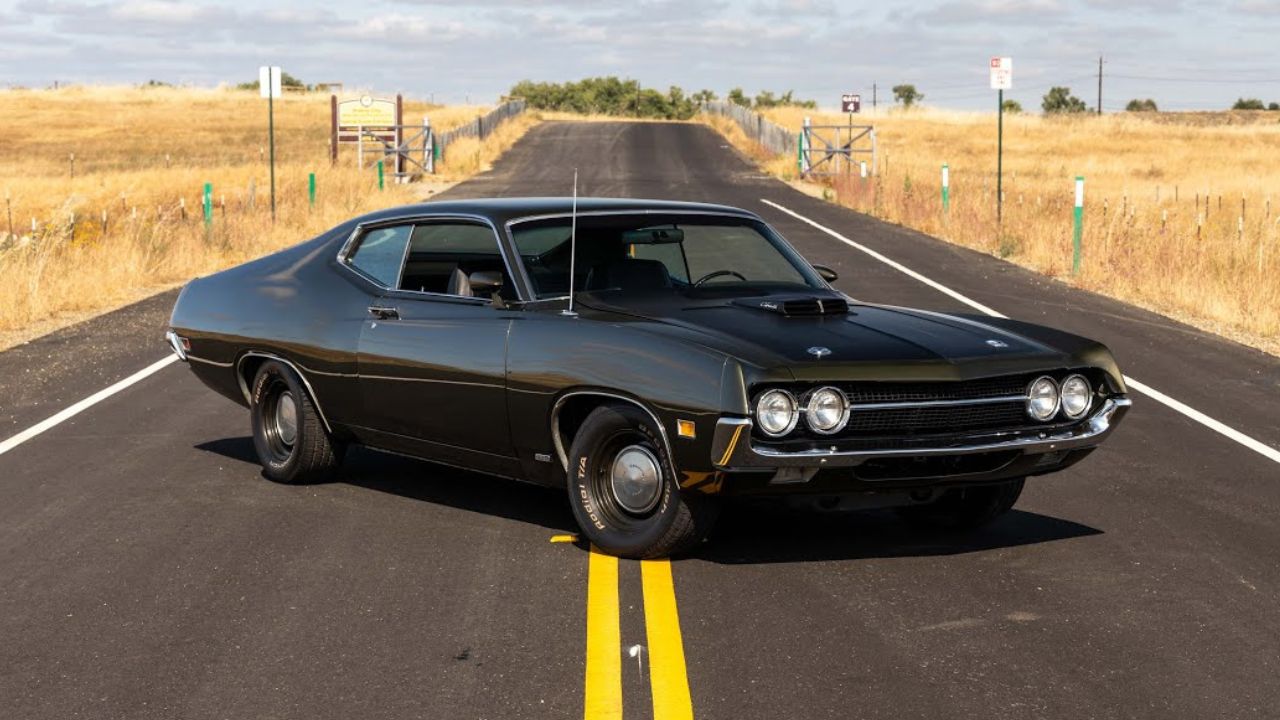
The 1970 Torino Cobra is an intriguing piece of automotive history that briefly captured the spotlight. While it may not be a household name today, it had its moments of glory. Here are eight reasons why the 1970 Torino Cobra was a fleeting presence in the car world.
Limited Production Run
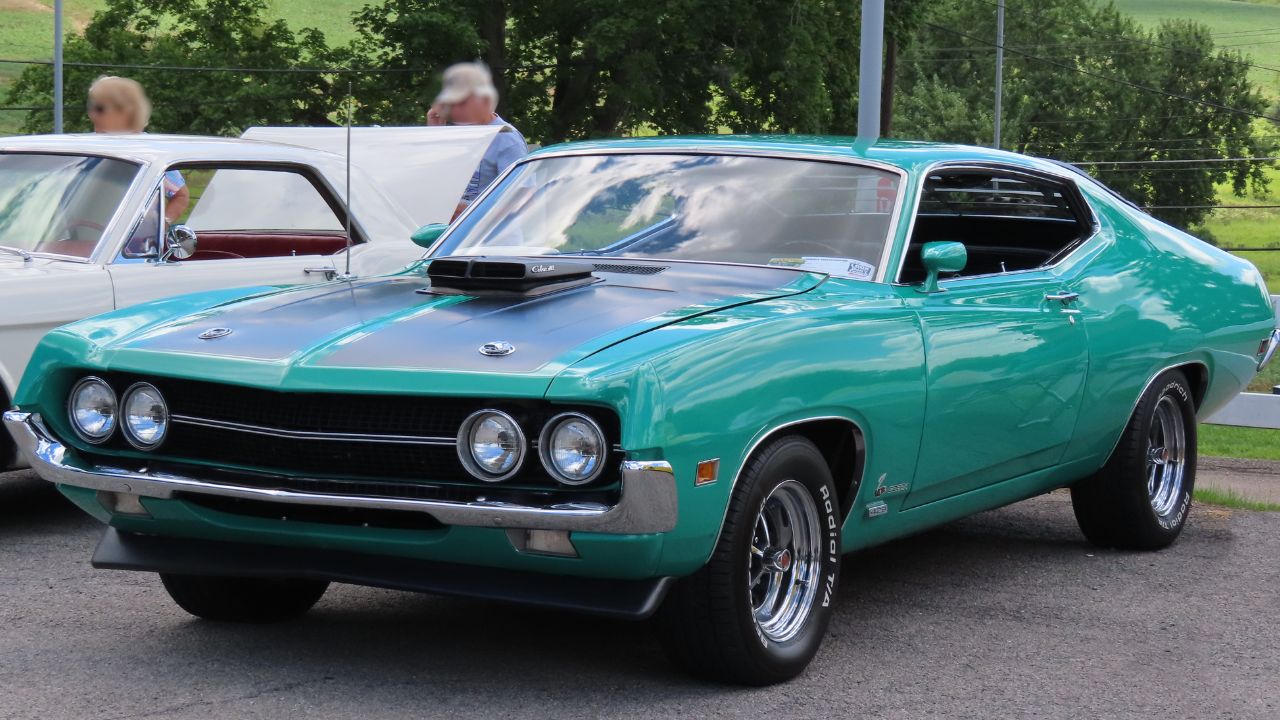
One major reason the 1970 Torino Cobra is often considered a blip is its limited production run. Unlike other models that flooded the market, the Torino Cobra was produced in relatively small numbers. This scarcity made it a rare find, which, while appealing to collectors, limited its mainstream impact. The decision to keep production numbers low was likely influenced by Ford’s strategy to keep the model exclusive and appeal to a specific audience, rather than mass-market appeal.
Understated Design
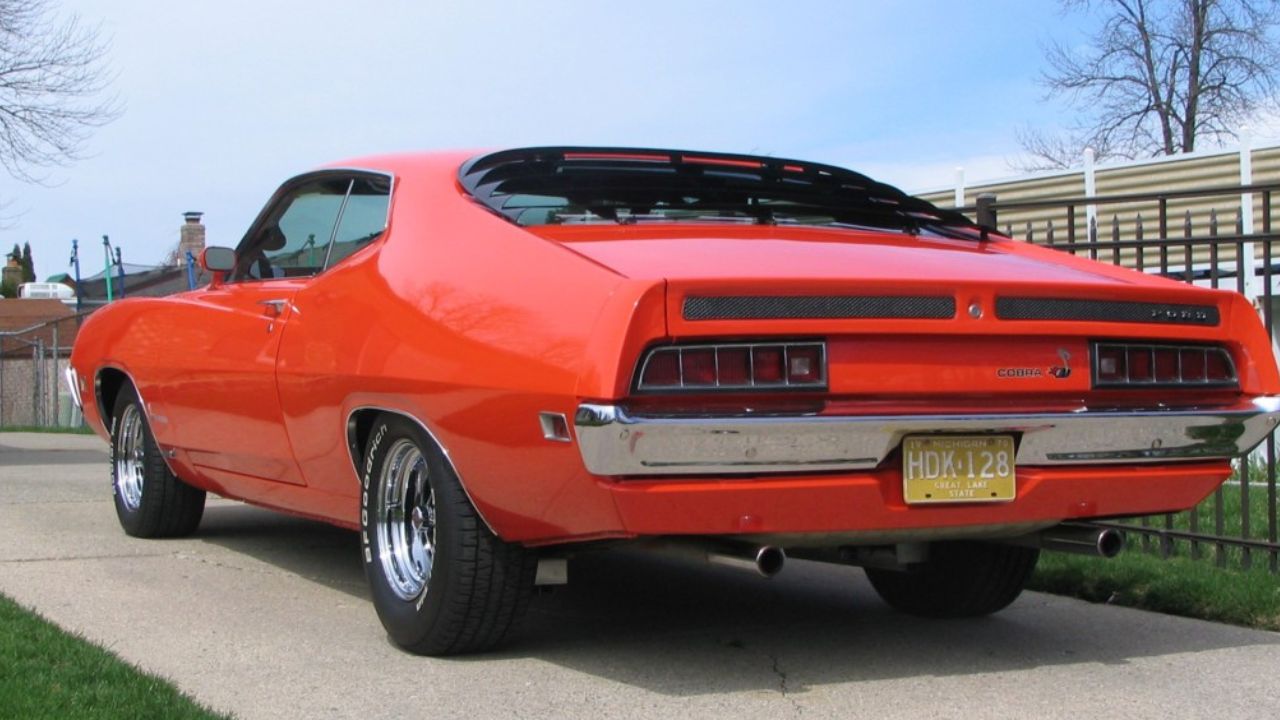
The design of the 1970 Torino Cobra was understated compared to its flashier contemporaries. While some appreciated its sleek lines and subtle styling, it didn’t scream for attention like other muscle cars of its era. This reserved appearance may have contributed to its low profile in the automotive landscape. Ford’s design choice was a double-edged sword; it appealed to those who wanted performance without the flamboyance but failed to capture those looking for a show-stopping visual statement.
Overshadowed by Competitors
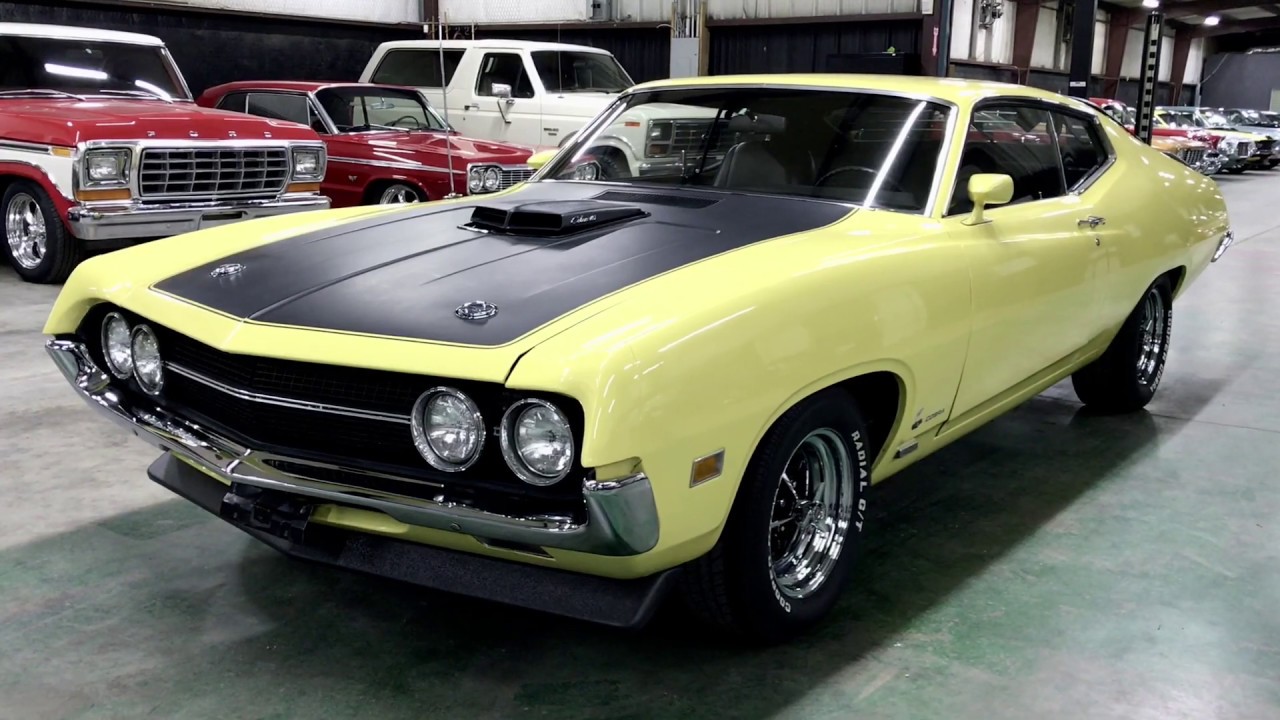
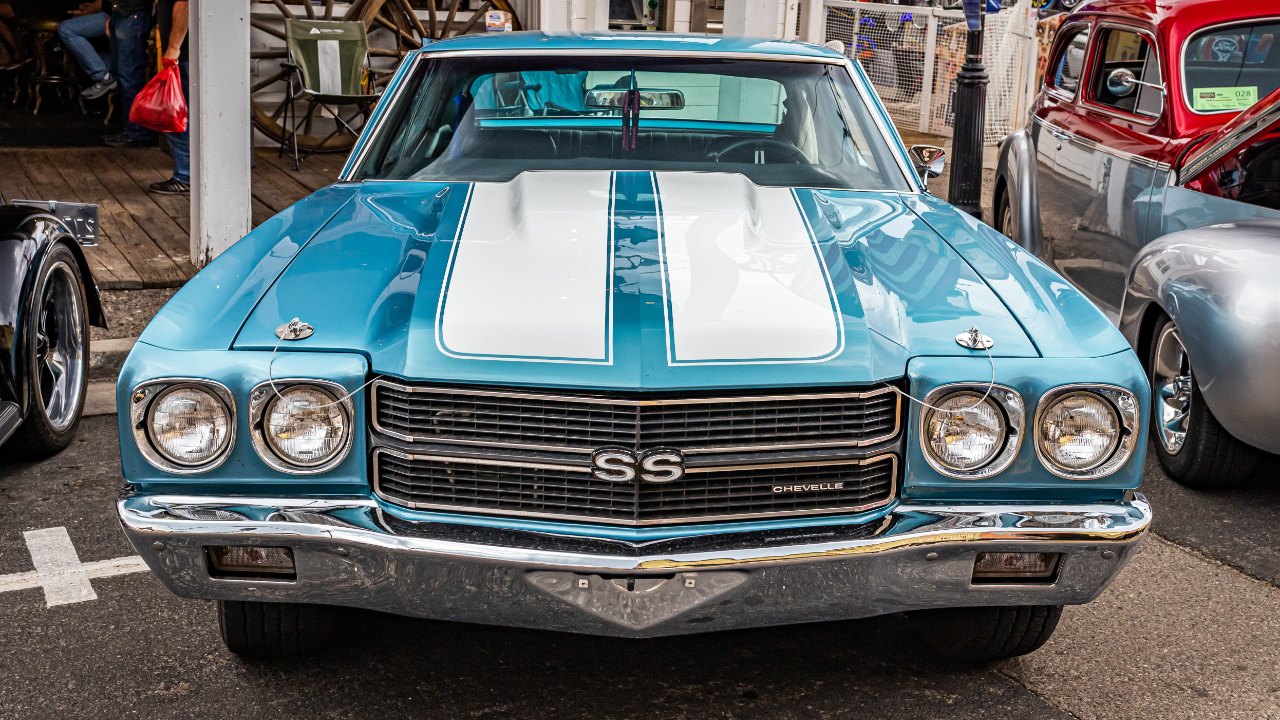
The automotive market in the 1970s was fiercely competitive, with many manufacturers vying for dominance in the muscle car segment. The 1970 Torino Cobra found itself overshadowed by more popular models like the Chevrolet Chevelle SS and the Dodge Charger. These competitors boasted more aggressive marketing campaigns and stronger brand recognition, which drew potential buyers away from the Torino Cobra. The competitive landscape of the time made it difficult for the Torino Cobra to carve out a significant niche, further relegating it to a secondary status.
Niche Market Appeal
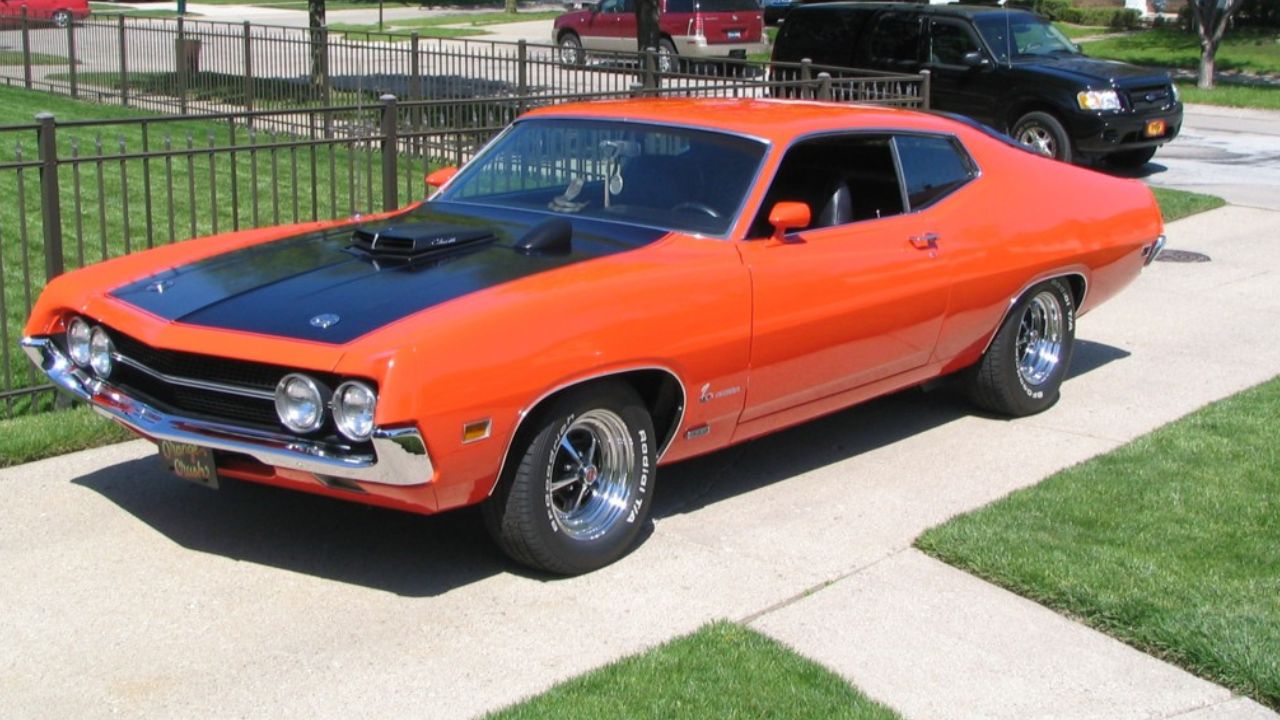
The Torino Cobra catered to a niche market, appealing mainly to enthusiasts who valued performance over brand prestige. While this made it a beloved choice among a select group, it limited its broader commercial success. The specific appeal of the Torino Cobra meant that it never reached the mass-market status of some of its peers. Ford’s focus on performance enthusiasts did create a devoted following, but this was not enough to sustain long-term sales success in a market dominated by more universally appealing models.
Short-lived Popularity
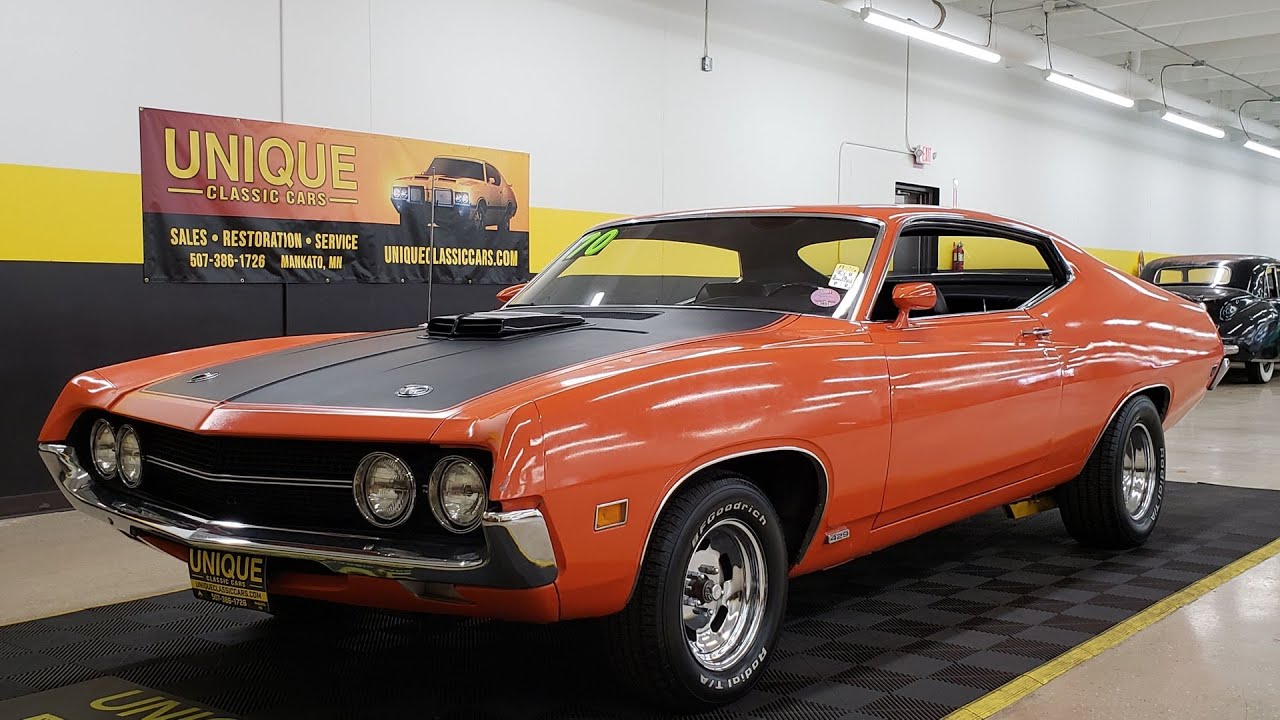
The popularity of the 1970 Torino Cobra was short-lived, peaking briefly before fading from the spotlight. Initial excitement was high, but it quickly waned as newer models and trends emerged. The car’s moment in the sun was fleeting, and it struggled to maintain its place in a rapidly evolving market. The short-lived enthusiasm for the Torino Cobra can be attributed to its timing, as it was introduced during a period of rapid change in the automotive world, both in terms of consumer preferences and industry standards.
Economic Factors of the Era

The economic climate of the early 1970s played a significant role in the brief tenure of the Torino Cobra. Rising fuel prices and economic uncertainty led to a shift in consumer preferences towards more fuel-efficient vehicles. This change in the market was a blow to muscle cars, which were known for their powerful engines and lower fuel efficiency. The Torino Cobra, like many of its contemporaries, was caught in the crossfire of this economic shift, affecting its sales and longevity.
Technological Limitations
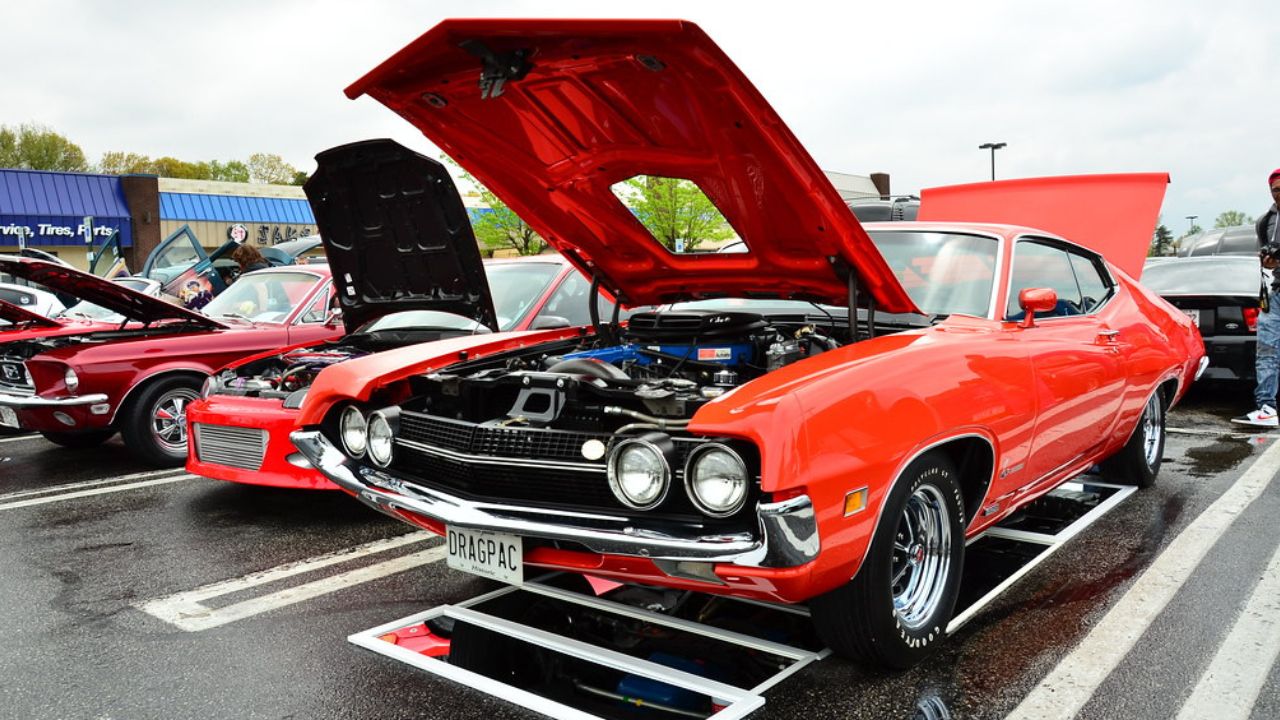
While the 1970 Torino Cobra boasted impressive performance for its time, it faced technological limitations that were common in the era. These limitations included less advanced suspension systems, braking technology, and fuel efficiency compared to modern standards. As technology advanced rapidly in the automotive industry, the Torino Cobra quickly became outdated, diminishing its appeal. The technological constraints of the period held back its potential, making it a relic of its time rather than a forward-looking innovation.
Historical Oversight
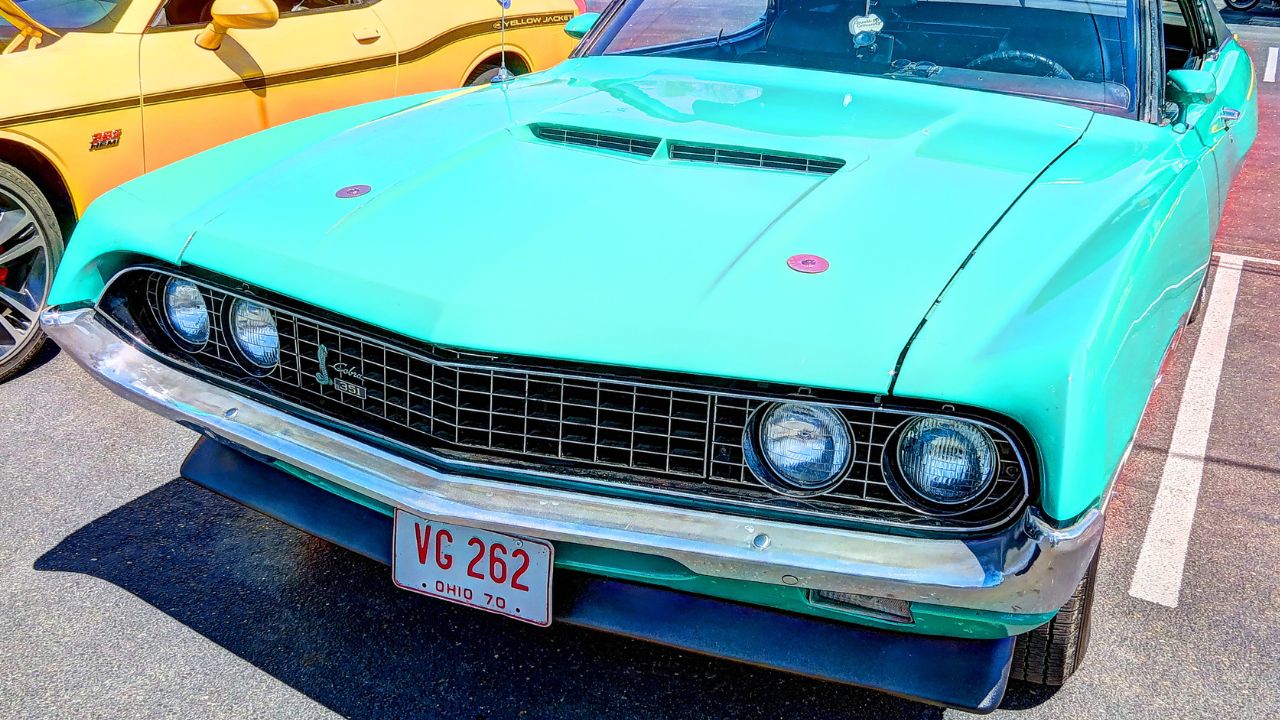
Despite its merits, the 1970 Torino Cobra has often been overlooked in automotive history. Other models from the era have received more attention and recognition, overshadowing the Torino Cobra’s contributions to the muscle car legacy. This historical oversight can be attributed to a combination of factors, including its limited production and niche appeal. As a result, the Torino Cobra remains a hidden gem for enthusiasts, quietly admired but largely forgotten in the broader narrative of automotive history.
Like Fast Lane Only’s content? Be sure to follow us.
Here’s more from us:
*Created with AI assistance and editor review.