The 1970½ Chevrolet Camaro did not simply replace an outgoing model, it arrived like a late-season spoiler that rewrote expectations for American pony cars. By missing the traditional autumn launch and surfacing months into the model year, Chevrolet turned a production delay into a strategic surprise that left rivals reacting instead of leading.
That odd half-year timing, combined with a radically different design and a sharpened performance brief, meant competitors had already committed to their own 1970 lineups before they fully understood what the new Camaro would be. I see that mismatch in timing and ambition as the core reason the car’s debut caught the rest of Detroit flat-footed.
A model year that broke the calendar
Detroit in the late 1960s ran on a predictable rhythm: new models appeared in the fall, dealers filled showrooms before the holidays, and competitors benchmarked one another on a tidy annual cycle. The second-generation Camaro was originally planned to follow that script for the 1970 model year, which would normally have put it on sale in the fall of 1969. Instead, the car slipped out of that cadence and did not reach buyers until roughly four months later, effectively turning it into a 1970½ entry that arrived after Ford, Chrysler and American Motors had already locked in their own offerings for the year. That break from the usual schedule meant rivals had no practical way to adjust their 1970 products once the new Camaro’s capabilities became clear, a dynamic detailed in period histories of the Camaro.
The half-year launch also created a perception gap that worked in Chevrolet’s favor. On paper, competitors thought they were still fighting the first-generation car when they finalized their own 1970 pony cars, calibrating engines, suspensions and styling against an outgoing benchmark. By the time the 1970½ Camaro appeared, it was clear that Chevrolet had used the extra months to deliver a more sophisticated package than many expected in this segment. Contemporary enthusiasts now point to surviving examples of the 70 and a half Camaro, including cars highlighted in enthusiast walkarounds such as the historic lesson 70 1/2 camaro its a real one video, as proof that this was not a simple mid-cycle tweak but a fundamentally new car that landed off-schedule and forced everyone else to play catch-up.
European flavor in an American pony car fight
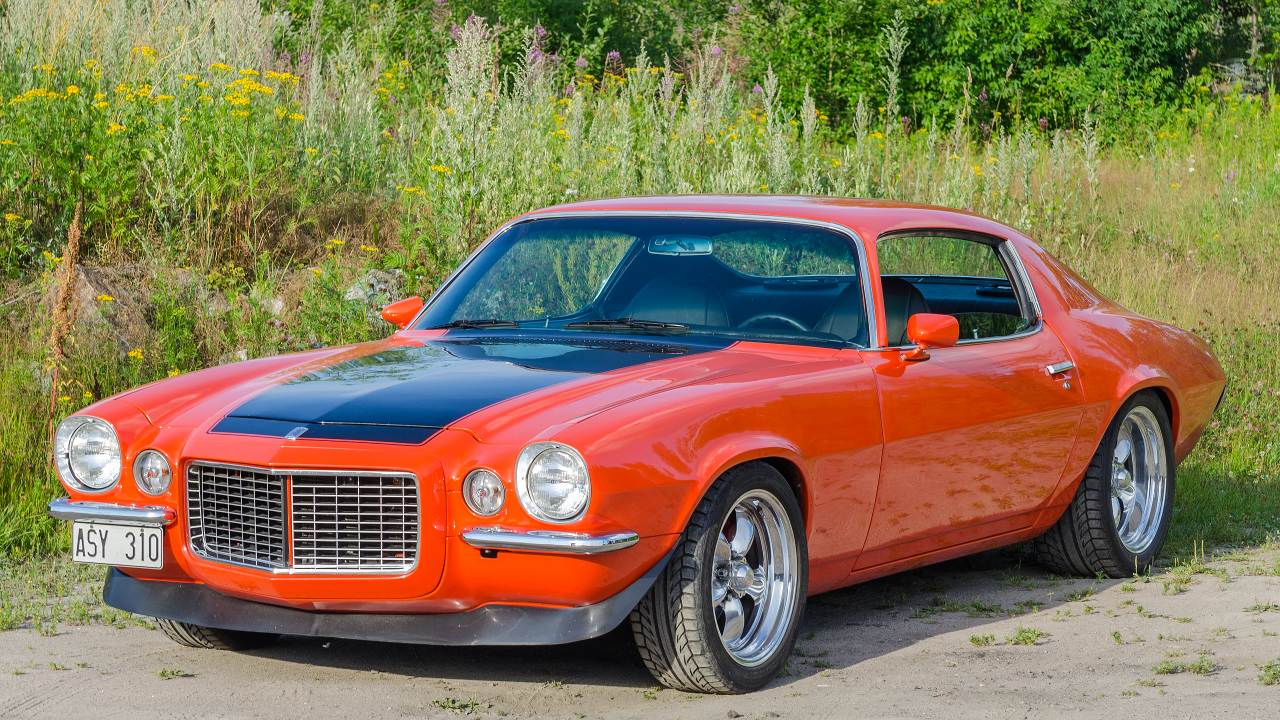
When the second-generation Camaro finally arrived, its proportions and detailing signaled a shift away from the upright, almost sedan-like stance of many domestic coupes toward something lower, wider and more overtly influenced by European sports cars. The long hood, short deck and flowing fender lines gave the car a more exotic profile than the boxier first-generation model, and that styling choice mattered because rivals had already committed to their own 1970 sheet metal. Ford’s Mustang and Chrysler’s E-body twins leaned into muscular, squared-off forms, while Chevrolet showed up late with a sleeker shape that looked closer to contemporary Italian coupes than to the Detroit norm. Historical analyses of the 1970-1981 Camaro underline how deliberate that design break was, positioning the car as a more refined alternative in a field of brash competitors.
That visual reset had practical consequences. A lower roofline and wider track helped the Camaro feel planted in corners, and the car’s stance telegraphed that intent before anyone turned the key. By the time rivals saw the production bodywork in showrooms, their own 1970 models were already in the pipeline, leaving them to rely on decals and option packages rather than structural changes to respond. The 70 and a half Camaro examples that circulate among collectors today, including the car featured in the classicmusclecars.com walkaround, still stand out for that combination of European-inspired curves and American V8 aggression. In a market where image sold as strongly as horsepower, Chevrolet’s late but dramatically styled entry shifted the aesthetic center of gravity in a way competitors could not quickly match.
Engineering focus sharpened while rivals stood pat
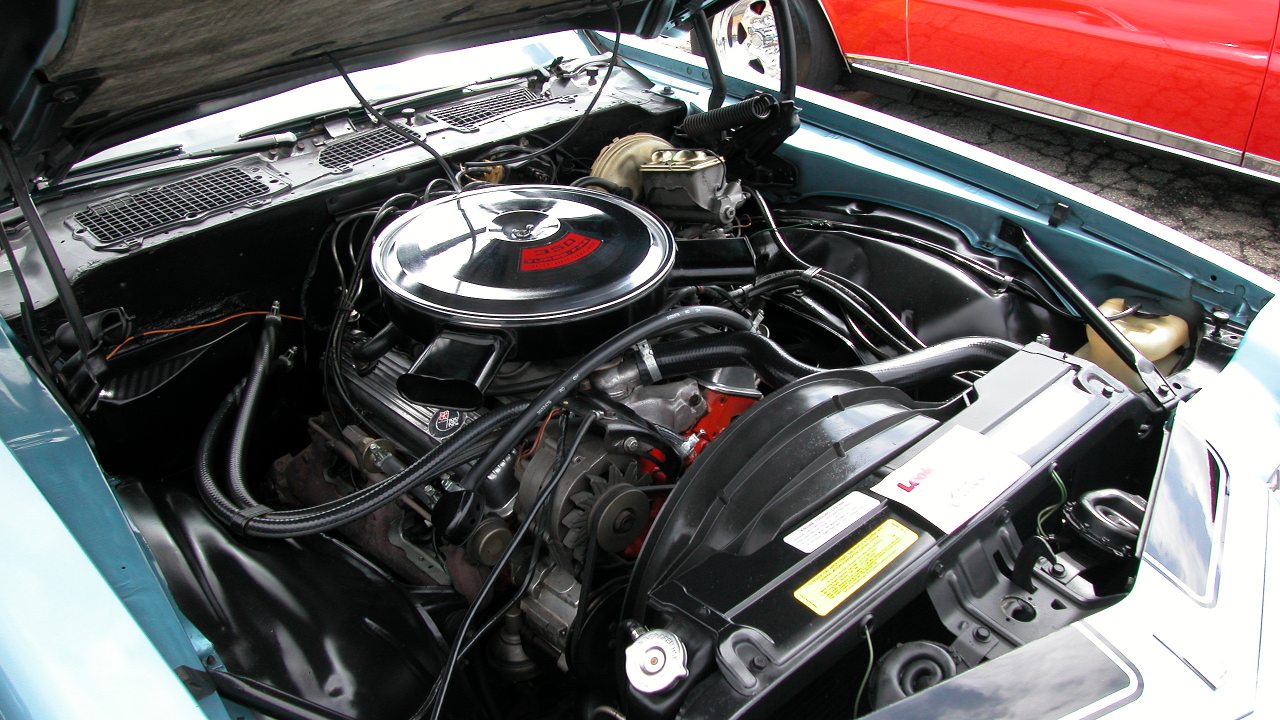
The delay that pushed the Camaro into a half-year introduction was not just a calendar problem, it also reflected the complexity of reengineering the car for a new decade of performance and regulation. While the first-generation model had been a relatively straightforward response to the Mustang, the second-generation car was designed with a more sophisticated chassis and a broader range of powertrains that had to anticipate tightening emissions and safety rules. Historical reporting on the Camaro’s development notes that the program’s timing slipped as engineers worked through those challenges, which meant that by the time the car reached showrooms, it embodied lessons that some rivals would not fully integrate until their own next redesigns.
That extra gestation time translated into a car that felt more cohesive than many of its contemporaries. Suspension tuning, steering response and braking performance were calibrated to make the Camaro behave more like a grand touring coupe than a simple straight-line drag racer, a distinction that becomes clear when driving surviving 70 and a half cars that retain their original setups. Enthusiast presentations such as the historic lesson video often dwell on how these early second-generation examples combine everyday usability with serious performance, a balance that was not yet universal in the pony car field. While competitors were still leaning heavily on raw displacement and aggressive marketing, Chevrolet arrived late with a package that suggested a more holistic view of performance, catching rivals in the middle of their own learning curve.
Marketing a “new” car in the middle of the year
Launching a major model in the middle of a model year could have been a liability, but Chevrolet used the 1970½ timing to frame the Camaro as something special rather than simply late. Dealers suddenly had a fresh halo car to promote at a point in the sales cycle that was usually quiet, and the unusual half-year designation itself became part of the lore. Instead of being buried in a crowded fall rollout, the Camaro arrived when showroom traffic and advertising clutter were relatively low, giving it an outsized share of attention among performance-minded buyers. Accounts of the 1970 launch emphasize how unusual that strategy was in an industry that typically moved in lockstep.
That mid-cycle debut also helped the car build a mystique that persists in the collector market. The very phrase “70 and a half Camaro” signals to enthusiasts that they are talking about a specific, relatively narrow slice of production, and surviving examples are often presented with that label front and center, as in the classicmusclecars.com walkaround. From a marketing perspective, that scarcity narrative gave Chevrolet a talking point that rivals could not easily duplicate, because their own 1970 models were conventional full-year entries. I see that as a subtle but important edge: by turning an internal scheduling problem into an external story about uniqueness, Chevrolet made the Camaro feel like a special opportunity rather than just another showroom choice, leaving competitors to explain why their cars suddenly looked older in the middle of the same model year.
Legacy of a mistimed, perfectly timed launch
Looking back, the 1970½ Camaro’s impact on its segment came from the tension between its official model year and its real-world arrival. On the books it was a 1970 car, but in practice it behaved like an early preview of where pony cars were headed in the 1970s: lower, more refined and engineered with an eye toward both performance and looming regulations. Historical treatments of the second-generation Camaro make clear that this was not a stopgap but the foundation for the model’s entire 1970s run, which helps explain why its late debut felt so disruptive to rivals who were still iterating on first-generation themes.
The continued fascination with early second-generation cars, especially those identified as 70 and a half examples in enthusiast media like the historic lesson video, shows how that disruption has aged into respect. Collectors prize these cars not only for their styling and performance but also for what they represent: a moment when Chevrolet stepped out of the industry’s usual rhythm and, almost by accident, gained a strategic advantage. By arriving late yet more advanced than expected, the 1970½ Camaro forced competitors to rethink their own timelines and priorities, a reminder that in the car business, timing can be as decisive as horsepower.