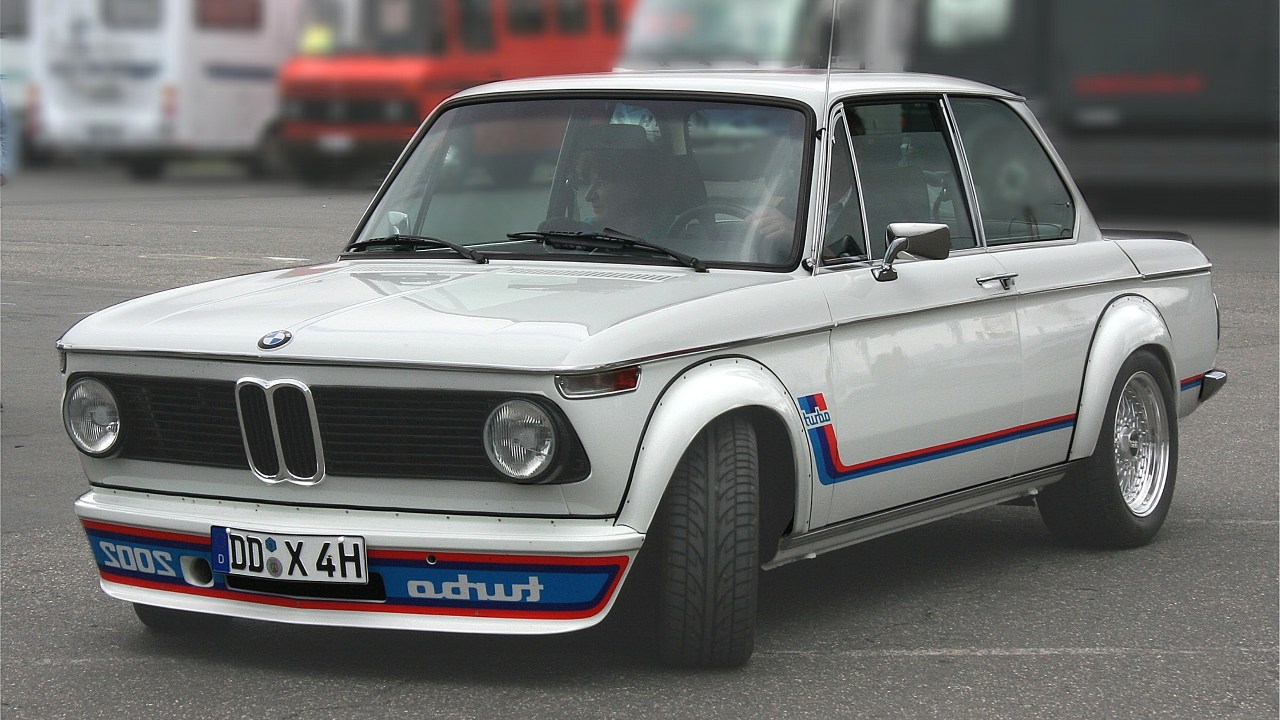
The 1973 BMW 2002 Turbo arrived as a compact coupe with race car reflexes at the exact moment the world was turning against thirsty performance machines. Its combination of early turbocharging, aggressive bodywork, and fragile economics made it feel like the sort of car that would give underwriters a headache, even if the archival record does not document insurers singling it out in period. What I can show, from contemporary reporting and modern insurance practice, is how the car’s engineering and timing created the kind of risk profile that typically makes insurers cautious.
From sensible sports sedan to volatile Turbo experiment
To understand why the 2002 Turbo looked like trouble to risk managers, I first have to set the baseline. The BMW 2002 started life as a relatively modest sports sedan, with The BMW 2002 in standard tune producing around 100 horsepower and the uprated Ti version making about 118. Later, the fuel injected Tii pushed the formula further, with They in Munich describing the Hot Tii as Featuring mechanical injection and sharper performance that still fit within the bounds of a practical road car. This progression kept the 02 series quick but predictable, the sort of car insurers could rate using familiar small-sedan assumptions.
The 2002 Turbo broke that pattern. By 1973, BMW responded to the draw for more power by fitting a 170 hp engine, explicitly calling it a 2002 Turbo and shaping it as a short wheelbase missile that needed revs to get the Turbo and boost to kick in. The 2002 Turbo (E20) was launched at the Frankfurt Motor Show as Europe’s and BMW’s first turbocharged production car, a technical milestone that also introduced new mechanical stresses and driving behaviors that were unfamiliar in mass market underwriting tables. Even BMW itself was not convinced to keep developing the Turbo for broader production, and after building only 1,672 cars BMW walked away from the concept for years, a sign that the company saw the car as a high risk experiment rather than a mainstream product.
Early turbocharging and the specter of mechanical failure
From an insurance perspective, early turbocharging technology mattered because it added both performance and potential failure points. Turbochargers operate at extreme temperatures, and overheating can cause seals and bearings to fail, while Hard driving or sudden shutdowns can trap heat and damage the turbo over time. Although that description comes from modern service guidance, it reflects the same basic physics that applied when Turbocharging of automobiles was just getting under way in the early 1970s. When BMW bolted a turbo onto a compact sedan platform, it created a car that could be driven very hard by enthusiastic owners, exactly the scenario that accelerates wear and raises the odds of expensive mechanical claims.
Contemporary accounts of other early turbo projects underline why underwriters might have viewed the whole technology set with suspicion. In tests on a different turbo engine program, engineers reported that the turbo engine burned holes through the valves and that belt driven cooling fans could fail, sending temperatures soaring until even the tester’s eyes started burning. While that story does not involve the 2002 Turbo directly, it shows how fragile first generation turbo hardware could be when pushed, and why a compact, high output BMW Turbo would have looked like a candidate for breakdowns and warranty fights. I do not have period documentation of insurers flagging the 2002 Turbo specifically, so any claim that they formally penalized it in 1973 would be unverified based on available sources, but the mechanical risk profile is clear.
Styling, symbolism, and a car that looked like trouble
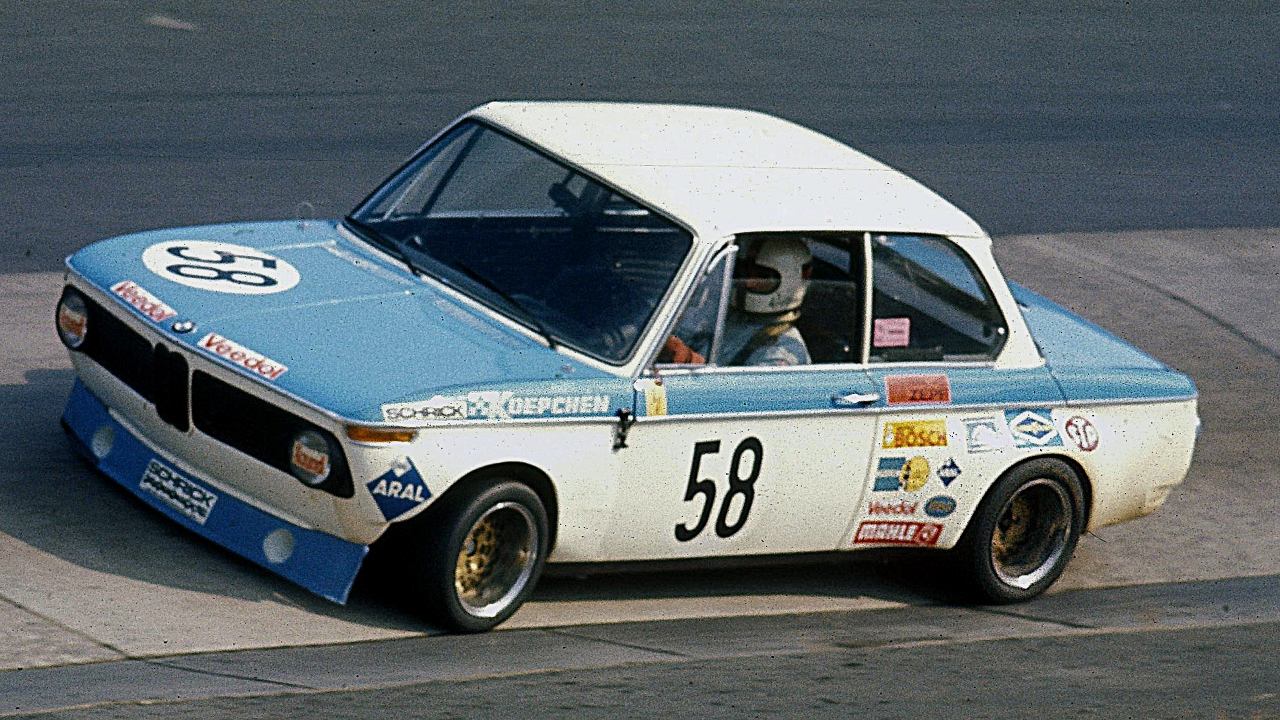
Beyond the hardware, the 2002 Turbo projected an image that clashed with the cautious mood of the mid 1970s. The BMW 2002 Turbo model, launched at the Frankfurt Motor Show in 1973, wore boxy fender flares, deep spoilers, and bold graphics that shouted its intent at a time when the oil crisis was already reshaping public attitudes. The 1973 model had “turbo 2002” in reverse script on the front spoiler so drivers in front of this car knew what they were dealing with, a detail that drew criticism from observers as being too aggressive. Indeed, for the BMW 2002 Turbo show car, the “2002” and “Turbo” reverse script on the front spoiler was removed to try to keep the peace, a small but telling concession to concerns that the car looked like a provocation on public roads.
That visual aggression fed into the way the German automotive press reacted. When BMW introduced the 2002 Turbo at the Frankfurt Motor Show, the car angered parts of the German automotive press, which saw a turbocharged compact as out of step with the economic and political climate. Later retrospectives describe how Legend has it that the standard BMW 2002 had a somewhat cute, unassuming look, while The BMW 2002 Turbo Is One Tough Customer The, with its flares and “turbo” script, transformed the same basic shell into something far more confrontational. Again, I do not have archival premium tables or underwriting memos tying that styling directly to higher insurance costs, so any claim that insurers formally punished the graphics would be unverified based on available sources. What I can say is that the car’s appearance aligned with traits, such as perceived aggressiveness and performance intent, that insurers often treat as proxies for higher accident risk.
Oil crisis economics and a short, nervous production run
The timing of the 2002 Turbo’s launch compounded those concerns. Related Stories Unfortunately, BMW and its Turbo hit the market just as the oil embargo of 1973 to 74 was reshaping fuel prices and public sentiment, which all but killed demand for performance cars. Even BMW itself was not convinced to continue developing the Turbo for production use, and After building only 1672 cars, BMW halted the project, leaving a tiny production run that made the model rare and expensive to repair. For insurers, a short lived, low volume performance car means limited parts availability and higher repair bills, both of which tend to push premiums upward in modern practice.
That scarcity effect is visible today in collector valuations. Typically, you can expect to pay around $36,000 for a 1973 BMW 2002tii in good condition with average spec, and the 2002 Turbo sits above even that, with auction listings describing it as sought after and well loved by the enthusiast community. A pristine 1974 BMW 2002 Turbo heading to auction is framed as a retro icon whose value is buoyed by its rarity and its role as BMW’s first turbocharged production car. Modern specialty insurers like Grundy Insurance explicitly market policies for classic cars that are appreciating rapidly, and they encourage owners to reevaluate their car’s agreed value as needed, a practice that reflects how rising market prices translate into higher insured values and, typically, higher premiums. While that is a contemporary dynamic rather than a 1970s one, it shows how the same scarcity and desirability that make the 2002 Turbo collectible also make it a more expensive risk to cover.
How modern insurers actually treat high risk classics
To connect the 2002 Turbo’s profile with real insurance behavior, I have to look at how underwriters handle similar cars today rather than claim specific historical actions that the sources do not document. In the classic car world, owners of modified or high performance BMW 2002s report that mainstream insurers can be skeptical about added parts and performance upgrades. One owner described how The USAA manager said that the parts put into a restored car do not add value to the car “even if it has been restored,” and that the company would refuse to raise the value, illustrating how conservative some carriers are about recognizing enthusiast investments. Another BMW 2002 shopper in the United States noted that a heavily modded car, not a Tii but Far from showroom condition, required sending photos and making calls so insurers could decide whether and how to write coverage, a small window into the extra scrutiny that modified classics attract.
Specialist providers take a different approach, but they still price in risk. Grundy Insurance positions itself as an excellent choice for classic cars that are appreciating rapidly, guaranteeing agreed value coverage and allowing owners to reevaluate their car’s agreed value as needed. That model suits rare, high value machines like the 2002 Turbo, yet it also formalizes the link between rising market prices and higher insured sums. On the repair side, shops that built their reputations on BMW accident work have described how, as the accident repair work got slower in the mid eighties, big Insurance Companies took too many jobs and pushed margins down, prompting some specialists to pivot into parts and restoration for future classics. That shift underscores how insurers, facing higher repair costs on aging performance cars, can become more selective about what they repair and how they value it. None of these modern anecdotes prove that insurers in 1973 were uniquely afraid of the BMW 2002 Turbo, and I cannot verify that specific historical claim based on available sources. What they do show is that the car’s blend of fragile early turbo tech, aggressive image, rarity, and rising value fits a pattern that typically makes insurers cautious, even if the fear is expressed today through tight valuations and specialist policies rather than outright refusal.
More from Fast Lane Only: