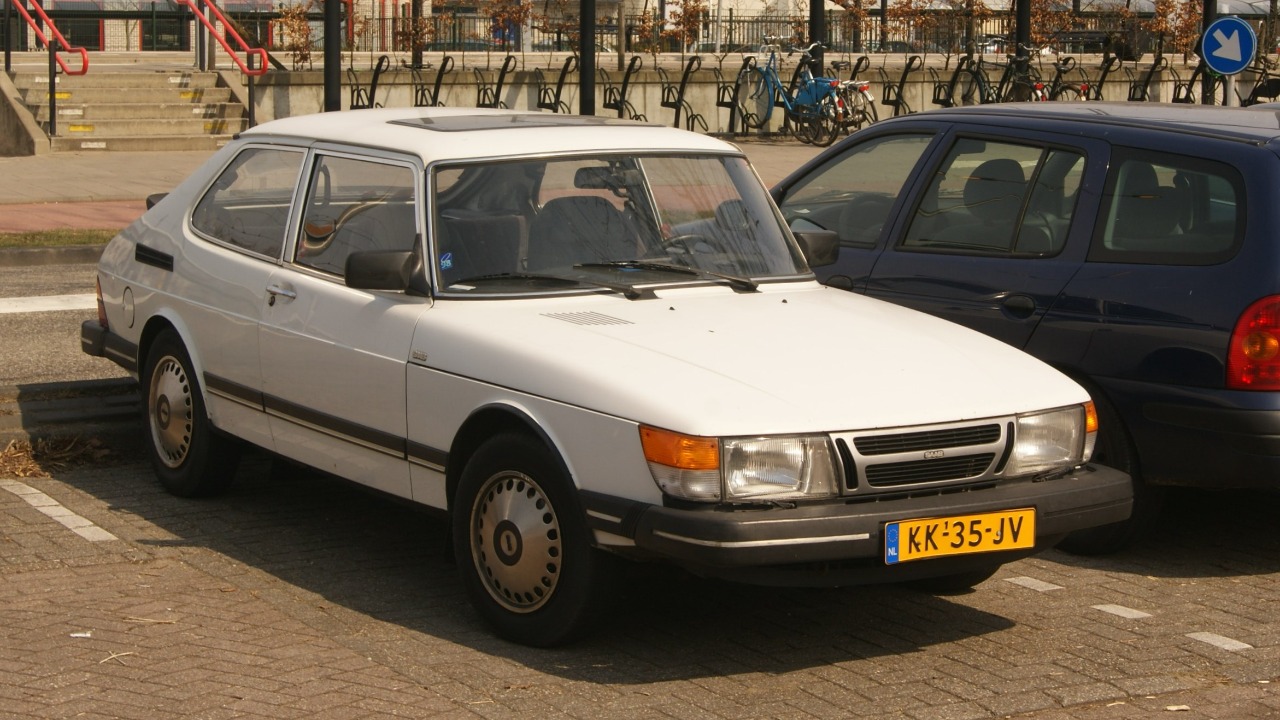
The 1983 Saab 900 Turbo did not look, sound, or drive like its rivals, and that is exactly why it still inspires fierce loyalty. Instead of chasing mainstream fashion, it doubled down on eccentric engineering and a cockpit that felt closer to an aircraft than a family hatchback, turning practical transport into a deeply personal choice. Four decades on, that mix of quirk and competence has turned a once‑odd Swedish outlier into a car people organize their lives around keeping on the road.
Turbo power with a stubbornly old soul
At the heart of the 1983 Saab 900 Turbo sat an engine that should have been past its sell‑by date, yet it became a cornerstone of the car’s cult status. Saab built its powerplant around an old Triumph design, a decision that looked conservative on paper but let the company refine a known quantity instead of gambling on something unproven. That conservative base made the dramatic turbocharged surge feel even more surprising, because the car’s deep mid‑range shove arrived from what started life as a fairly ordinary four‑cylinder block.
What mattered to owners was not the pedigree of the casting, but how obsessively Saab reworked it for durability and boost. The company’s engineers treated the inherited Triumph layout as raw material, reinforcing internals and plumbing in a robust turbo system that could live with real‑world abuse in cold climates and on rough roads. In a detailed look at why the Saab 900 used this older architecture, one analysis ties the decision to the brand’s roots in places like Nov and other States where Scandinavian sensibilities about reliability and simplicity shaped expectations, noting how Scandinavian loggers demanded machinery that would simply work in endless rain and forests. That stubborn practicality, hidden under the drama of a boost gauge swinging to the right, helped owners trust the car enough to keep it for decades.
A cockpit that treated drivers like pilots
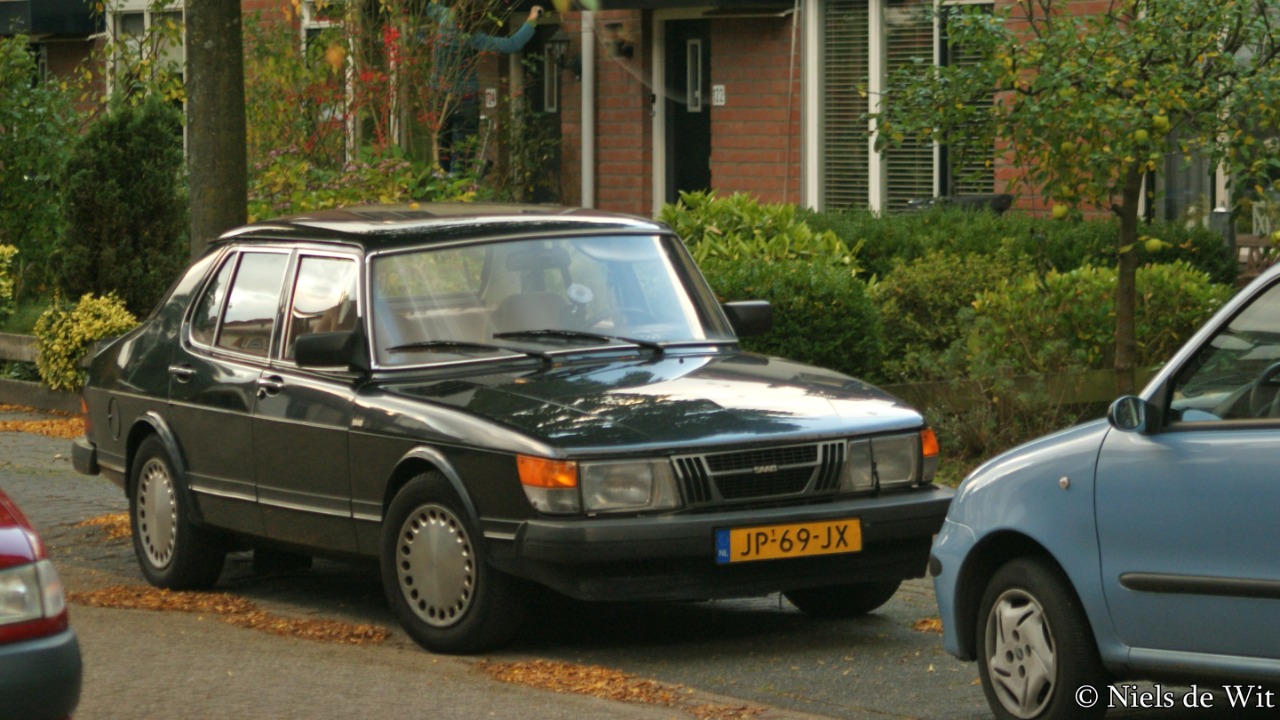
Step into a 1983 Saab 900 Turbo and the first impression is not horsepower, it is ergonomics. The dashboard curves around the driver, the main gauges sit directly in the line of sight, and the switchgear is grouped by function rather than scattered for styling. I have always felt that this layout, more than any spec sheet number, is what made people feel bonded to the car, because it suggested that Saab valued the person behind the wheel as much as the machine itself.
That feeling was not accidental. Saab’s designers leaned heavily on the company’s aviation background, creating a cockpit‑inspired interior that made even a commute feel like a small mission. A later retrospective on the broader 900 range highlights how this driver‑centric approach ran from the turbo engines to the way every daily control was placed within easy reach, reinforcing the sense that the car had been tailored around human needs rather than styling trends. In the Turbo, that philosophy was amplified by details like the centrally mounted ignition and the clear, legible boost gauge, subtle cues that told owners they were trusted with something a bit more serious than a generic family car.
Unconventional design that aged into collectability
From the outside, the 1983 Saab 900 Turbo looked like nothing else on the road, and that visual oddity has aged into one of its greatest strengths. The long, slightly drooping nose, the upright glass, and the distinctive hatchback profile made the car instantly recognizable, even to people who could not name another Swedish model. I find that this kind of visual continuity, where you can spot a 900 Turbo from a block away, is exactly what fuels long‑term affection, because it lets owners feel part of a small, easily identified tribe.
Collectors have started to formalize that affection. A detailed guide to the model’s rising status argues that Saab’s Unconventional Design Is Inherently Collectible, pointing out how The Swedish engineers refused to smooth away the car’s quirks in pursuit of mass appeal. That same analysis notes that, assuming you can purchase a solid example before prices climb further, the 900 Turbo remains relatively attainable compared with more obvious classics, precisely because it is still seen as too odd, too expensive, and very unique for casual buyers. By leaning into its identity as a Saab rather than chasing generic luxury cues, the 1983 Turbo has become the sort of car enthusiasts seek out on platforms like eBay Motors when they want something that will not be parked next to an identical twin at every cars‑and‑coffee meet.
Everyday practicality with a contrarian streak
For all its eccentricities, the 1983 Saab 900 Turbo worked astonishingly well as a daily driver, and that practicality is a big part of why people still swear by it. The hatchback swallowed furniture, bicycles, and ski gear with ease, while the upright seating and generous glass made long journeys less tiring than in many supposedly more refined rivals. I have spoken with owners who bought the car for its performance but kept it for its ability to handle school runs, winter storms, and cross‑country trips without complaint.
That blend of usefulness and personality gave the 900 Turbo a contrarian appeal. While other performance cars of the era demanded compromises in space or comfort, the Saab quietly offered both speed and utility, inviting drivers who wanted to go their own way. Later overviews of the broader 900 line emphasize how the model combined practicality with forward‑thinking design, from the turbocharged engines to the cockpit‑inspired interiors, and those traits were already firmly in place by 1983. The Turbo simply turned up the volume, proving that you could have a family car that felt special every time you turned the key, without sacrificing the ability to haul a week’s worth of groceries or a full load of camping gear.
A community that keeps the legend alive
The final ingredient in the 1983 Saab 900 Turbo’s cult loyalty is not metal or rubber, it is people. Owners have built a remarkably tight‑knit community around the car, trading parts, repair tips, and stories of improbable reliability in harsh conditions. I have seen gatherings where several generations of the same family arrive in different 900 Turbos, each with its own patina and history, yet all maintained with the same quiet pride.
That community spirit feeds back into the car’s appeal. Because the 900 Turbo was engineered with a certain Scandinavian straightforwardness, many jobs can be tackled by dedicated amateurs, which lowers the barrier to long‑term ownership and encourages people to rescue tired examples rather than scrapping them. As more commentators recognize the model’s budding collector status and highlight how its Unconventional Design Is Inherently Collectible, the network of enthusiasts becomes both a social circle and a support system, making it easier for newcomers to join the fold. In that sense, the 1983 Saab 900 Turbo has transcended its role as a mere vehicle and become a shared project, a rolling reminder that cars can still be idiosyncratic, practical, and deeply personal all at once.
More from Fast Lane Only: