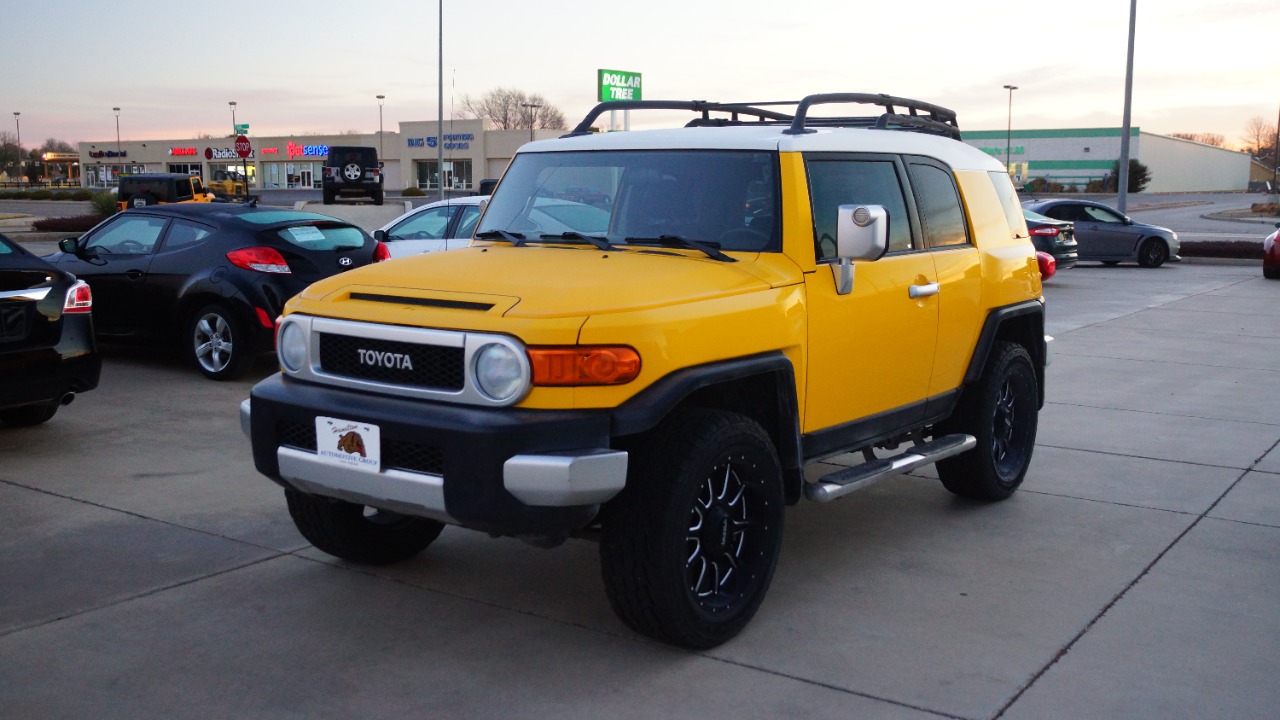
The 2007 Toyota FJ Cruiser landed in showrooms at a moment when “retro” could easily have turned into a costume party. Instead of a nostalgia gimmick, it managed to feel fresh, useful, and oddly timeless, which is why values remain stubbornly strong and enthusiasm has only grown. To understand how it pulled that off, I need to look at how Toyota blended heritage styling, serious engineering, and long-haul durability into something that still feels relevant almost two decades later.
In my view, the FJ’s success comes down to a simple formula that is surprisingly rare: it honored the original Land Cruiser story without pretending it was still 1965, and it backed up the look with real off‑road substance. That combination turned a retro‑inspired SUV into a modern cult favorite rather than a short‑lived novelty.
From concept tease to retro reality
The modern FJ story really starts when Toyota rolled out a bright, boxy concept at the Detroit Auto Show, a design study that previewed what would become the production FJ Cruiser. The reaction was immediate and intense, because the shape clearly nodded to the classic FJ40 while still looking like something that belonged in contemporary traffic. That early buzz set the stage for the 2007 production model, which arrived as a compact, upright SUV with white roof, round headlights, and slab sides that deliberately echoed the original Land Cruiser lineage described in Apr concept coverage.
When the 2007 FJ Cruiser finally hit dealers, it marked Toyota’s return to a retro‑inspired SUV that was more than a styling exercise. The bodywork pulled clear cues from the classic FJ40 Land Cruiser, but underneath sat a thoroughly modern platform with contemporary safety, powertrain, and comfort features. That balance between visual nostalgia and up‑to‑date engineering is what let the FJ slide into daily‑driver duty without feeling like a museum piece, and it is a big reason collectors now talk about it as a rising star rather than a forgotten experiment.
Design that remembered the past but lived in the present
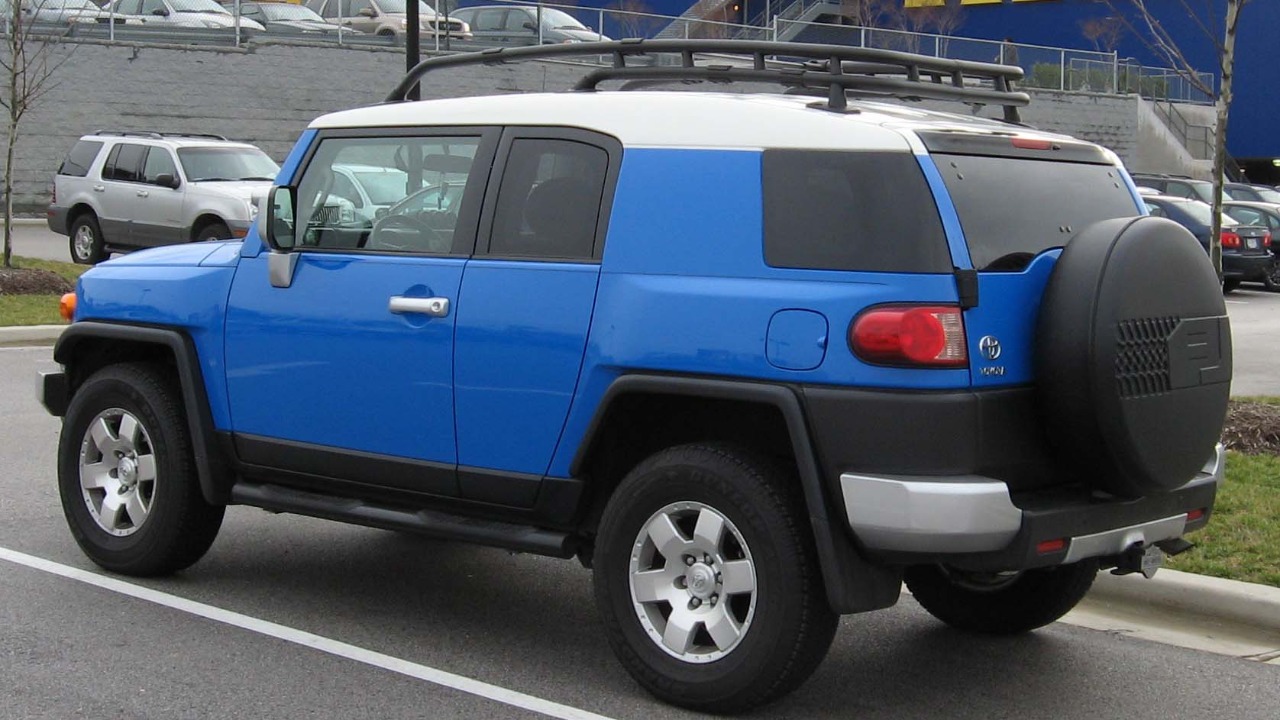
What strikes me about the FJ’s design is how unapologetically it leaned into its roots while still solving modern problems. The upright windshield, short overhangs, and signature white roof were all deliberate callbacks, yet the cabin layout, safety structure, and crash performance were tuned for contemporary expectations. Inside, the dashboard and door panels used simple shapes and big knobs that felt retro, but the materials and ergonomics were aimed at people who actually needed to commute, not just pose for photos. That is why the FJ could be both a weekend trail toy and a weekday family hauler without feeling like a compromise.
The interior also made a point of being tough rather than precious, with surfaces designed for easy cleaning and details like rubberized flooring that added utility and wear resistance. That approach fit neatly into a 2007 Toyota lineup that already included softer crossovers like the RAV4 and Highlander, and it gave buyers a distinct choice inside the same showroom. As one analysis of the cabin put it, the FJ’s cockpit was where retro styling met rugged engineering, and Because Toyota already sold the Highlander as a more conventional SUV, the FJ was free to be bolder and more focused without having to please everyone.
Real off‑road hardware behind the throwback look
Retro styling alone would not have been enough to keep the FJ relevant, and Toyota clearly knew it. Under the skin, the first generation “new” FJ Cruiser used a tough ladder frame chassis with an independent front end and a solid rear axle, a setup that gave it serious trail credibility. Paired with available four‑wheel drive systems, locking differentials, and generous approach and departure angles, the FJ could go places that many crossovers would never attempt. That hardware is why off‑road fans still talk about the model with respect rather than nostalgia alone, and why comparisons of old and new note how strong the original Cruiser in the 4WD department really was.
Out on the trail, the FJ’s high ground clearance, robust suspension, and torquey V6 made it feel more like a traditional Land Cruiser than a lifestyle accessory. Enthusiasts still highlight its exceptional off‑road capabilities, pointing to the way it blends that classic aesthetic with genuine performance for people who actually use their SUVs in the dirt. One detailed breakdown of its strengths notes that The FJ Cruiser’s classic aesthetic is only half the story, and that its real allure lies in being a capable and versatile SUV that can still hang with modern off‑roaders.
Durability, longevity, and the Land Cruiser connection
For any retro‑inspired vehicle to age well, it has to do more than look the part, it has to last. The Toyota FJ Cruiser has built a reputation for exactly that, with data showing that on average, a Toyota FJ Cruiser will survive 250,000 miles, and that a well maintained example can go even longer. That kind of lifespan puts it comfortably ahead of many typical passenger cars and helps explain why used prices remain firm. Owners are not just buying a look, they are buying a truck that can realistically serve for a decade or more of hard use.
That toughness is not accidental. The FJ’s mechanical package drew heavily from Toyota’s global 4×4 experience, and in enthusiast circles it is often discussed alongside the Prado and 4Runner as part of the same family. In one Land Cruiser community thread, a user named Numerous points out that it has always been a Prado relative, which helps explain why it feels so stout on rough terrain. Even maintenance‑focused guides note that in its time the FJ was highly rated and considered relatively robust, with one technical overview describing how the Japanese brand brought back an updated SUV in 2007 that was both durable and straightforward to service, particularly when it came to jobs like water pump replacement.
A cult classic that still feels current
Looking at the FJ’s trajectory now, it is clear that Toyota accidentally created a modern classic. Enthusiast communities routinely describe The Toyota FJ Cruiser as something of a cult classic, a vehicle that inspires loyalty far beyond its original sales numbers. One detailed comparison of early and later models explicitly notes that The Toyota FJ Cruiser has achieved that status, and you can see it in the way clean examples are chased by collectors who usually focus on vintage Land Cruisers. That multi‑generational fan base, stretching from people who grew up with FJ40s to younger buyers discovering the shape for the first time, is part of what keeps demand high.
Online, the calls for a modern revival are constant, and I see them as proof that the original formula worked. In one widely shared discussion, enthusiasts argue in detail about why the Cruiser should come back, citing its blend of character, capability, and reliability as something missing from today’s market. Another deep dive into its long‑term appeal points out that compared to contemporaries, the FJ has stayed remarkably valuable and has built a multi‑generational fan base. When I put all of that together, I see a retro‑inspired SUV that did exactly what so many imitators failed to do: it respected the past, delivered in the present, and left people genuinely wanting more.
More from Fast Lane Only: