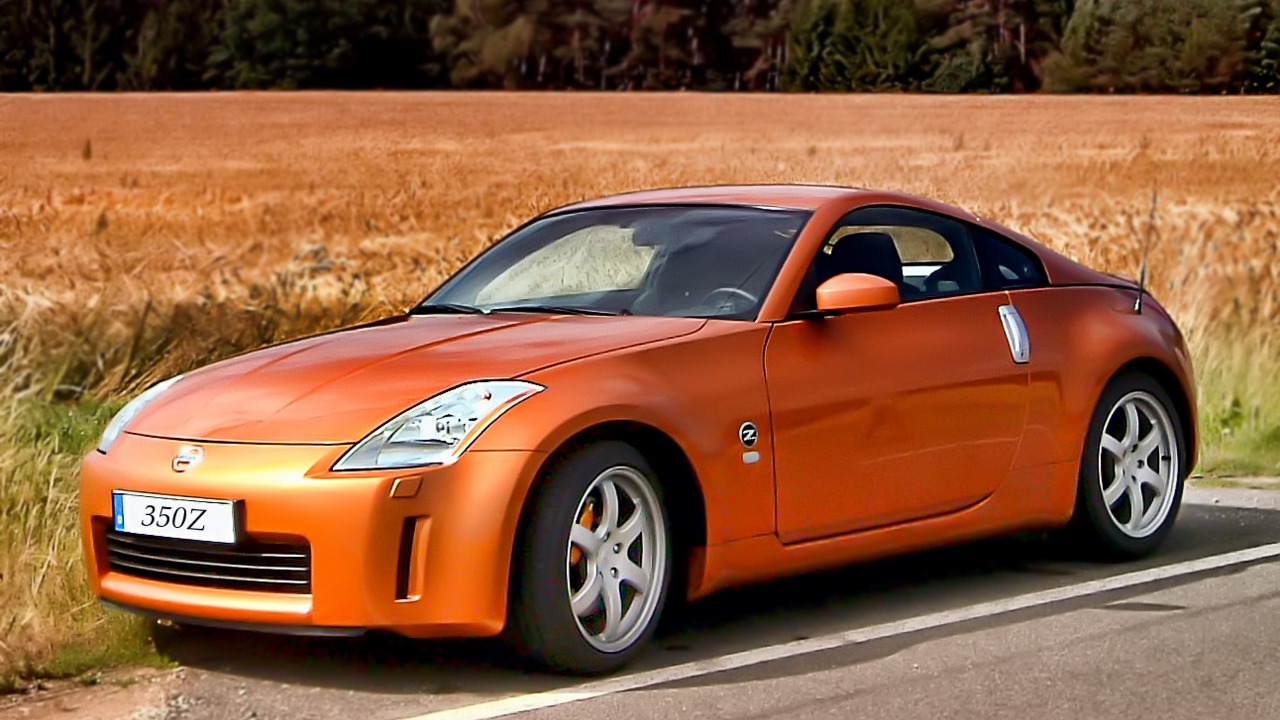
The 2008 Nissan 350Z arrived at a moment when many performance cars were chasing comfort, technology and broader mass appeal, yet it stayed focused on being a straightforward, rear-drive sports coupe. Rather than softening its edges, Nissan doubled down on a high revving engine, firm chassis tuning and a cabin that favored function over plushness. That commitment left the 350Z feeling almost old school even when new, and it is a big reason enthusiasts now see it as one of the last “pure” analog Japanese sports cars of its era.
Looking back from today, the car’s lack of compromise stands out even more sharply as successors and rivals layered on weight, insulation and electronic filters. The 2008 model, especially in its updated high revving form, shows how Nissan chose to refine the original formula instead of rewriting it for comfort, and why that decision still resonates with drivers who value feel over frills.
The high revving heart that defined the 2008 350Z
At the center of the 2008 Nissan 350Z’s character is its high revving V6, the so called HR revision that sharpened the car without changing its basic mission. Rather than chasing turbocharged torque or a softer power delivery, Nissan focused on an engine that loved to spin and rewarded drivers who stayed in the upper half of the tachometer. Reviewers who spent time in an almost completely stock 2008 car highlighted how this HR setup transformed the experience, describing it as a “high revving revision” that made the coupe feel more eager and alive at speed, especially compared with earlier versions of the same model line.
That choice to prioritize revs and response over low end comfort is a key reason the 350Z never felt domesticated. In video reviews of largely unmodified examples, presenters emphasize how rare it is to find an almost completely stock Nissan 350Z in HR form, precisely because owners tend to lean into the car’s performance potential rather than treating it as a commuter. The way the engine builds power, and the fact that Nissan did not dilute that character with heavy sound deadening or elaborate drive modes, underlines how the 2008 car stayed focused on the driver rather than on refinement.
A chassis tuned for drivers, not passengers
The 2008 350Z’s structure and suspension also show how Nissan resisted the urge to soften the car for broader appeal. Instead of chasing a cushy ride, the company kept the coupe low, firm and unapologetically focused on handling. Contemporary evaluations of the Enthusiast trim point out that the seating position is very low and the day light opening, or DLO, is high, which creates a cocooned, almost race car like feel. That layout sacrifices some outward visibility and ease of entry, but it locks the driver into the chassis in a way that encourages committed driving rather than casual cruising.
Inside, the same priorities are obvious. Reports on the 2008 model note that the interior is “still heavy on the cheap bits,” with hard plastics and simple switchgear that would not impress anyone shopping for luxury. Yet those critiques sit alongside praise for the way the steering wheel, pedals and shifter are positioned, and for how the center stack is angled toward the driver so the key controls fall easily to hand. Even details like the way the gauges move with the steering column, instead of being fixed in the dash, show that Nissan put ergonomics for spirited driving ahead of soft touch materials or elaborate infotainment.
Owners valued performance and reliability over comfort
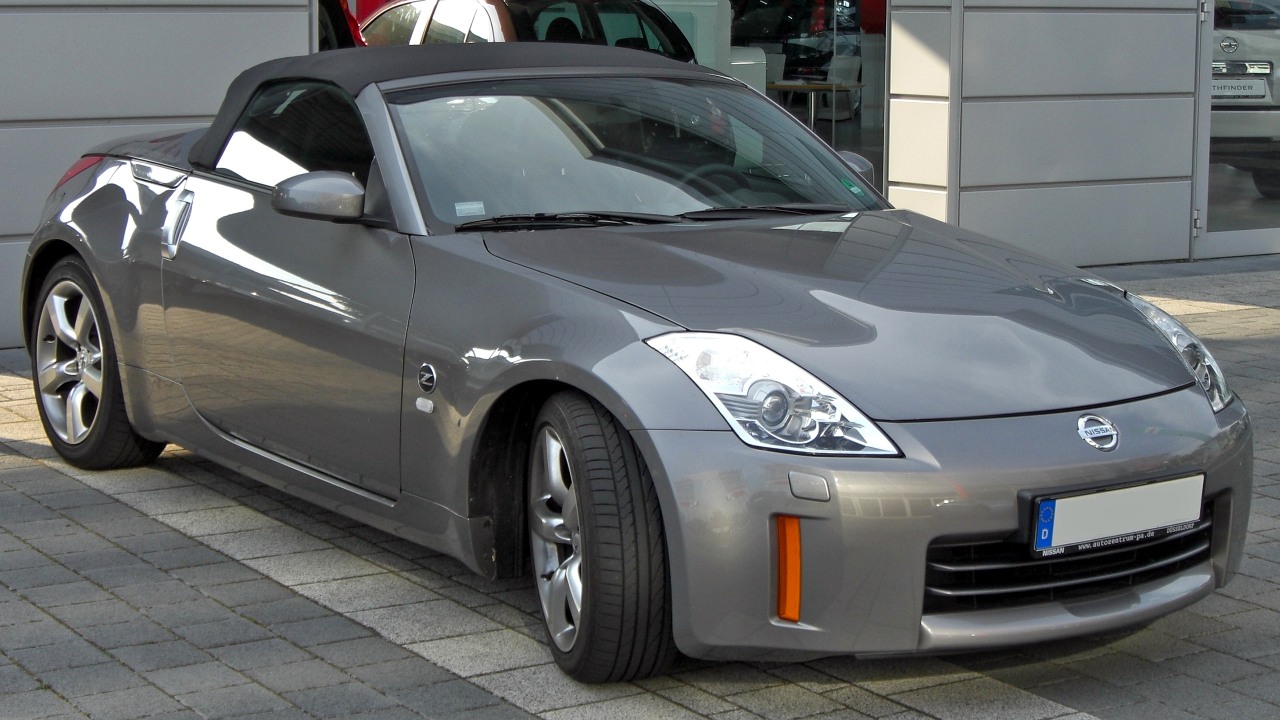
Consumer feedback from the time reinforces the idea that Nissan kept the 350Z focused on core sports car virtues rather than comfort. Owners who rated the 2008 model consistently highlighted performance and reliability as its strongest attributes, while marking comfort as its weakest. That pattern suggests buyers understood exactly what they were getting, and that the car delivered on its promise of speed and durability even if it did not ride like a grand tourer. The fact that reliability appears alongside performance at the top of owner praise is especially telling, since a high revving engine and firm chassis can easily be associated with fragility if not engineered carefully.
Those same consumer reviews describe a car that feels tight and solid over time, with the drivetrain and basic mechanicals holding up well under daily use and spirited driving. Complaints tend to cluster around cabin noise, seat comfort and the lack of luxury features, which are precisely the areas Nissan chose not to prioritize. In other words, the 2008 350Z stayed “pure” not because it was perfect, but because it accepted trade offs that favored the driver’s connection to the car over isolation from the road, and owners appear to have recognized and largely accepted that balance.
Real world impressions: a focused, analog feel
First hand reviews of specific 2008 cars help bring those trade offs to life. In one detailed drive of a black metallic example owned by a driver named Chris, the reviewer walks through how the car feels from the driver’s seat, noting the immediacy of the throttle, the weight of the steering and the way the manual gearbox encourages deliberate, mechanical shifts. The focus is not on screens or driver aids, but on how the car responds when pushed through corners or accelerated onto a highway on ramp. That kind of feedback loop, where the driver’s inputs are met with clear, unfiltered reactions from the chassis and engine, is central to why enthusiasts still seek out late production 350Zs.
Another review of a nearly stock HR car underscores how unusual it has become to find one that has not been heavily modified, which in itself speaks to the platform’s appeal as a driver’s car. The presenter, identified as Mar, spends time highlighting how the car’s basic setup feels right even without aftermarket suspension or power upgrades, suggesting Nissan got the fundamentals correct from the factory. When a sports coupe can satisfy enthusiasts in stock form, despite an interior that some call cheap and a ride that some find harsh, it is a sign that the underlying engineering is aligned with the expectations of people who care most about driving.
Why later cars felt softer by comparison
The 350Z’s reputation for purity has only grown as later models and rivals have evolved. Enthusiast discussions comparing the 350Z with the subsequent 370Z often point out that the newer car is objectively stiffer and more advanced, with one analysis noting that the chassis is about 30 percent stiffer compared with a 350. That extra rigidity, along with other changes, should in theory make the car sharper. Yet some drivers argue that the newer model’s added mass, refinement and different tuning left it feeling less raw, even if it is quicker on paper. One commenter sums up the difference by saying there were “real physics changes” between the two, and that the newer car is “Quite a differ” experience, which captures how even incremental shifts in design priorities can alter a car’s character.
Those perceptions matter because they highlight what Nissan chose not to do with the 2008 350Z. Instead of chasing more insulation, more gadgets or a broader comfort envelope, the company refined the existing platform and engine to make them more responsive while leaving the basic formula intact. As other sports cars added layers of technology and luxury to appeal to a wider audience, the 350Z remained a relatively simple, front engine, rear drive coupe with a manual gearbox and a focus on driver engagement. That consistency is why, when enthusiasts look back, the 2008 model stands out as a point where Nissan could have pivoted toward softness but instead stayed the course.
More from Fast Lane Only: