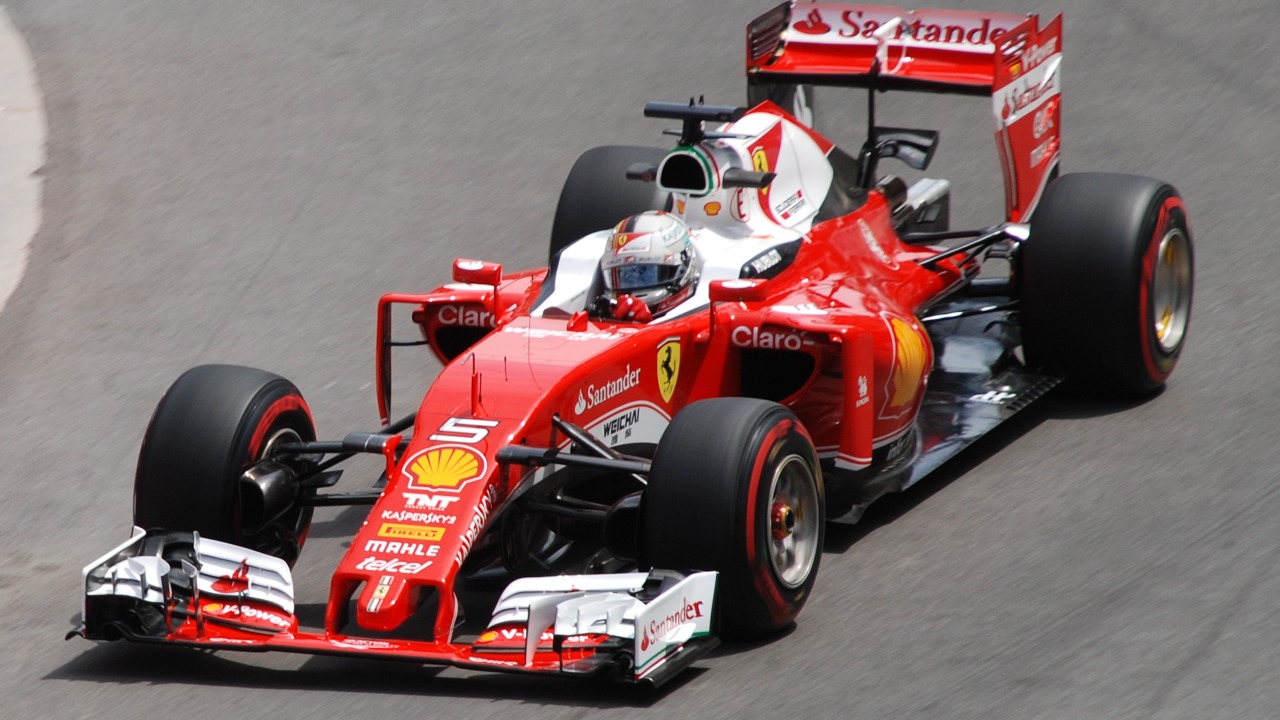
The Monaco Grand Prix sits at the heart of Formula 1’s identity, yet it also exposes almost every fault line in the modern championship. It is the race that teams, sponsors and celebrities treat as non‑negotiable, even as drivers and fans argue that the on‑track product has drifted toward a slow‑motion procession. That tension, between irreplaceable prestige and increasingly fragile sporting value, is why Monaco remains the series’ most argued‑over classic.
Formula 1 has effectively nailed its colours to the harbour wall by committing to race in Monaco through 2035, a long extension that confirms the principality’s status as a permanent fixture rather than a nostalgic indulgence. I see that decision as an admission that the championship is willing to tolerate a compromised spectacle in exchange for history, risk and global visibility, and that trade‑off is exactly what keeps the debate around Monaco so charged.
The contract that proves F1 cannot quit Monaco
When Formula 1 agreed to keep the Monaco Grand Prix on the calendar until 2035, it settled one argument and inflamed another. The deal guarantees that the streets of Sep’s tiny neighbour will remain part of the championship deep into the 2030s, locking in a venue that has been central to F1’s mythology for generations. By extending the contract so far into the future, the series has effectively declared that no amount of criticism about processional racing or limited overtaking will outweigh the commercial and symbolic value of racing in Monaco, a stance confirmed in the championship’s own announcement of the new agreement.
That long horizon matters because it shapes how teams, drivers and fans talk about reform. If Monaco were fighting for its place year to year, radical ideas such as layout changes or format overhauls might be framed as conditions for survival. Instead, the security of a contract through 2035 means the conversation shifts to how the sport can live with Monaco’s quirks rather than whether it should walk away. The championship’s own description of the renewed deal makes clear that the Monaco Grand Prix is treated as a pillar of the calendar, not a candidate for rotation, which is why every subsequent controversy around the race carries such weight.
Why the track is both masterpiece and museum piece
On pure driving terms, I do not think there is another circuit that exposes a Formula 1 driver quite like Monaco. The Monaco GP layout threads between barriers on a narrow ribbon of public road, with tight corners, blind compressions and a tunnel that forces drivers to commit at speeds that feel out of step with the surroundings. Detailed breakdowns of the track describe it as a place where millimetres matter, where a slight misjudgment at Sainte Dévote or the Swimming Pool can mean costly shunts into the barriers, and where the lack of run‑off turns every qualifying lap into a high‑wire act.
Drivers themselves tend to talk about Monaco in almost contradictory terms, which is part of its hold on the sport. One prominent description called it “scary and beautiful,” capturing how the same sequence of corners can feel like the most exhilarating part of the season in qualifying and the most claustrophobic in the race. Analyses of the Monaco GP underline that the circuit demands risk, precision and relentless concentration, yet those same traits make overtaking almost impossible once the field settles into order. In other words, the track is a masterpiece for one‑lap heroics and a museum piece for modern racing, preserved largely as it was while the cars around it have grown wider, heavier and more aerodynamically sensitive.
Processions, “ugly” fixes and a race that refuses to change
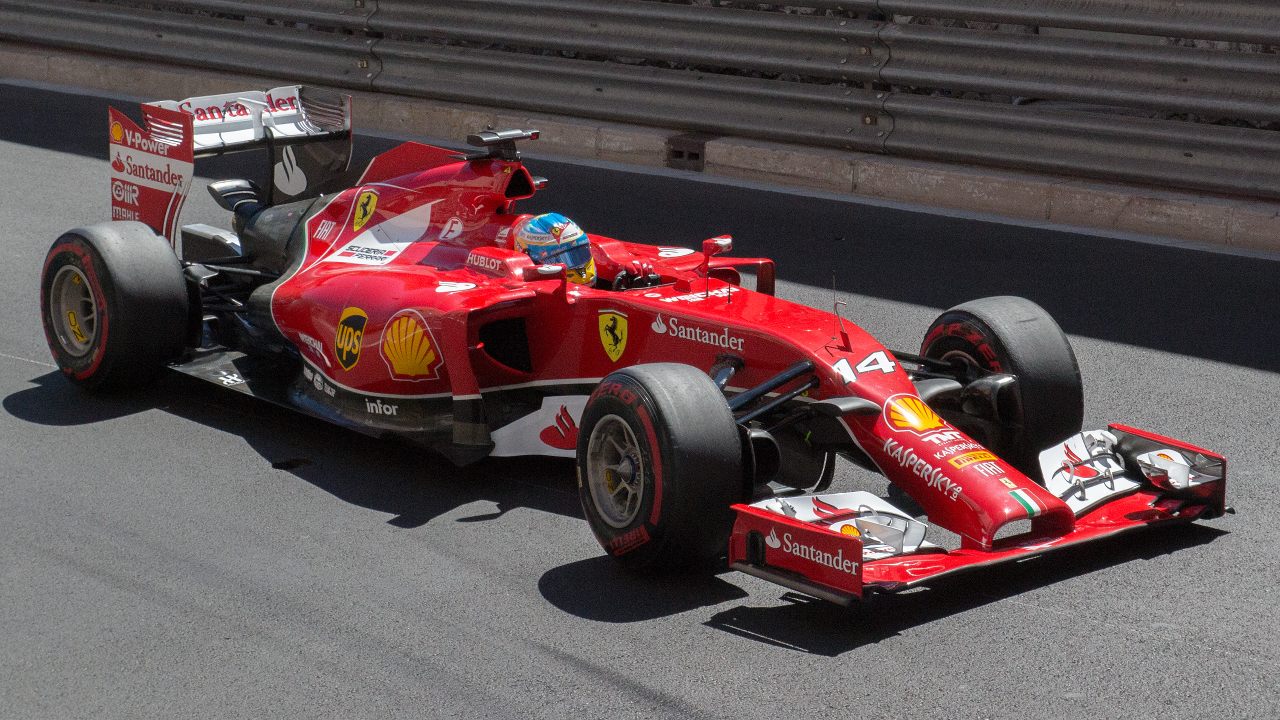
The core sporting complaint about Monaco is simple: once the first lap is done and strategy stabilises, the race often freezes. Fans have been arguing for years about when the event tipped from tense to tedious, a debate that surfaces in forums where long‑time viewers trade memories of when they felt the Monaco Grand Prix “started getting boring.” The consensus in those conversations is not about a single season, but about a pattern, as cars became harder to follow and the narrow streets left almost no room for genuine passing without a mistake or a safety car.
Formula 1 has tried to intervene, and the most recent experiment showed how difficult that is. Earlier this year, organisers introduced a mandatory two‑stop requirement in an attempt to break up the usual one‑stop procession and force teams into divergent strategies. Instead of producing chaos, the change exposed a different problem: drivers complained that the race became an “ugly” exercise in tyre management and pit‑lane timing, with little actual racing on track. Reports from the weekend noted that the two‑stop rule did not fix the underlying procession problem, and that the Monaco GP still hinged on track position, safety car timing and the occasional slippery surface rather than wheel‑to‑wheel battles.
The fallout from that experiment went beyond grumbling about boredom. Drivers Criticize Monaco GP’s New Two stop Rule After what several of them called an “Ugly” Race, arguing that the fundamental issue is the circuit itself, not the number of pit stops. One detailed account of the event described how strategy became the main battleground, with Max Verstappen leading most of the race until his position was undone by circumstances rather than overtakes. Another analysis of the same weekend concluded that the two‑stop tweak did not spice up the Monaco procession, reinforcing the sense that cosmetic rule changes cannot overcome the physical limits of the track. When even a deliberate attempt to manufacture variability leaves drivers and fans frustrated, it strengthens the argument that Monaco’s sporting problems are structural rather than situational.
Drivers, fans and the ethics of a “classic”
What keeps Monaco so contentious is that the criticism is not confined to social media or armchair pundits. Drivers have been increasingly blunt about their frustrations, especially after the latest race. Some described the event as unsatisfying from the cockpit, not because it lacked danger, but because they felt powerless to influence their own result once the opening laps and pit windows had played out. Coverage of the weekend captured how several Drivers were not happy with the controversial nature of the Monaco Grand Prix, with calls for an investigation into how strategy and safety car timing shaped the outcome. One report noted that The Monaco Grand Prix was clouded in dispute over a team’s actions around a key pit stop opportunity, a reminder that when overtaking is off the table, every procedural wrinkle becomes a flashpoint.
Fans are just as divided, and I find that split revealing. On one side are those who argue that the race has become a parade of cars circulating at reduced pace to protect tyres and track position, a view reflected in online threads where people say they tune in only for qualifying or for the hope of rain. On the other side are supporters who insist Monaco is not a bad race, just a different kind of spectacle, one where the impossibility of overtaking is precisely the point. In one widely shared comment, a fan argued that Even what you Marvel at in other races, such as daring passes, is not the case in Monaco, so the focus should shift to appreciating the precision of threading a modern car through the barriers for nearly two hours. That philosophical divide, between those who see value in tension and those who demand action, is why the same event can be hailed as a masterpiece of control and dismissed as a waste of a Sunday.
Why F1 keeps choosing heritage over purity
For all the criticism, the sport’s leadership has made a clear calculation: Monaco’s benefits outweigh its flaws. The long‑term contract through 2035 is the most obvious proof, but there are subtler signals too. Official previews describe the Monaco GP as a crown jewel of risk, precision and rich history, emphasising its role in the championship’s narrative rather than its overtaking statistics. Track breakdowns highlight how strategy is critical because passing on track is so rare, effectively reframing a weakness as a feature. When the series itself leans into that framing, it is choosing to market Monaco as a unique challenge rather than apologising for its lack of conventional racing.
I see that choice as a reflection of Formula 1’s broader identity crisis. The championship wants to be a cutting‑edge sporting competition, with closer racing and more unpredictable outcomes, but it also trades heavily on heritage, glamour and the idea that some places are sacred. Monaco concentrates that tension into one weekend. It is the race where the cars look most absurdly out of place, where the risk feels most visceral, and where the result is often most predictable. The fact that the sport has committed to keep returning, even after “ugly” experiments and public driver criticism, shows that when forced to choose between pure sporting spectacle and the weight of tradition, Formula 1 still leans toward the harbour. That is why, for all its flaws, the Monaco Grand Prix remains the championship’s most enduring and most controversial classic.
More from Fast Lane Only: