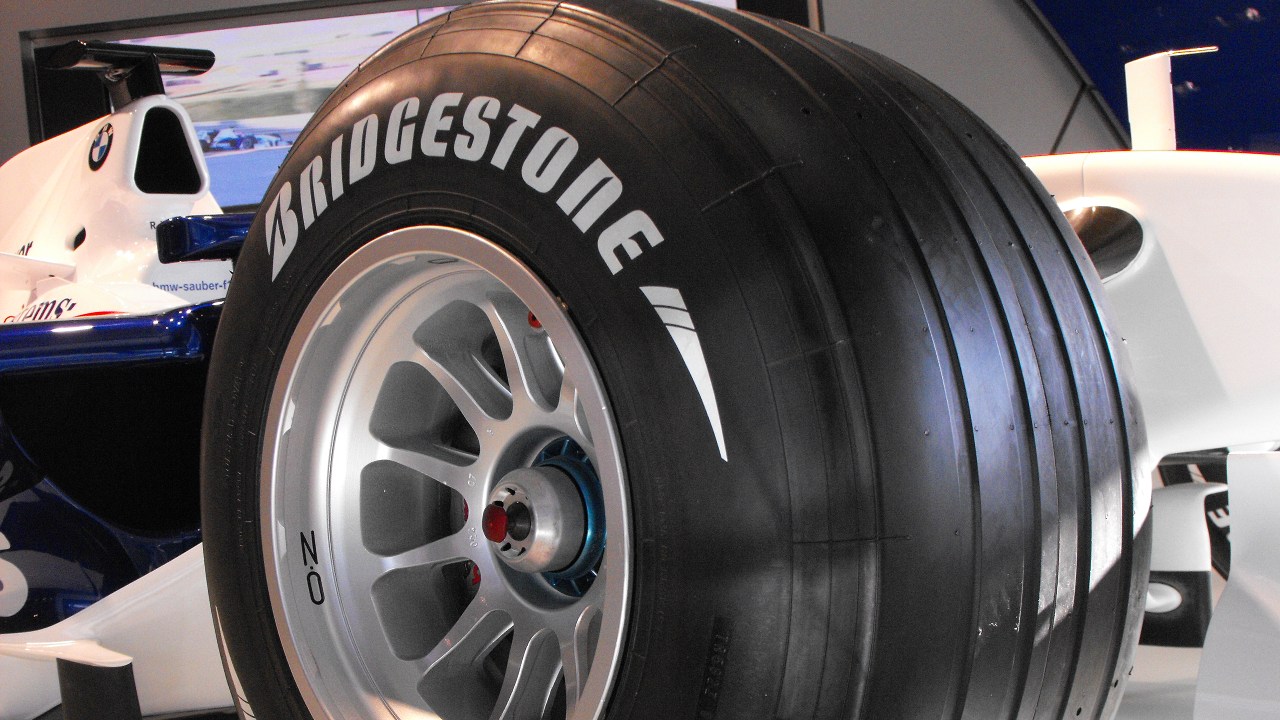
Every Formula 1 weekend, the fastest cars in the world are ultimately limited by four hand-sized contact patches of rubber. The way teams choose, protect, and sacrifice those tyres turns what looks like a flat-out sprint into a rolling game of risk management that can unravel in seconds. When strategy calls collide with changing grip, traffic, and safety cars, the result is the kind of controlled disorder that keeps even dominant teams on edge.
I see tyre choices as the sport’s most volatile currency, a resource that can be spent aggressively for track position or hoarded for a late-race surge. Because the rules, compounds, and degradation profiles shift from circuit to circuit, no two weekends play out the same way, and the smallest misread on rubber can turn a comfortable lead into a strategic mess.
Why tyres are F1’s most fragile foundation
At its core, the chaos starts with a simple fact: tyres are the only part of a Formula 1 car that actually touches the track, so every decision about grip, braking, and corner speed flows through that narrow interface. Modern slick compounds are graded from soft to hard, with softer rubber delivering more grip and faster lap times at the cost of quicker wear, while harder tyres trade outright pace for durability and stability over longer stints. Official guides to Tyres make clear that this sliding scale of performance is baked into the compounds themselves, not just how drivers treat them.
Pirelli, the exclusive supplier, leans into that tension by bringing several compounds to each event and forcing teams to juggle grip against degradation. Analyses of The Role of Tire Compounds and Degradation describe how soft tyres offer maximum traction but fall off quickly, while harder options can run longer but leave drivers vulnerable to attack. Because the operating window for each compound is narrow, a small change in track temperature or fuel load can flip a tyre from peak performance to sudden drop-off, and that instability is what turns a neat strategy plan into a moving target.
How the 2025 rules hard-wire unpredictability into every weekend
The current tyre regulations add another layer of complexity by rationing how much rubber each driver can use from Friday to Sunday. The official allocation for a standard race weekend is fixed, and it changes again when a Sprint is on the schedule, which means strategists must map out practice, qualifying, and race usage before a wheel even turns. Explanations of the How and why of the 2025 tyre rules underline that teams cannot simply bolt on fresh sets whenever they like, they have to live with the consequences of every early run that scuffs a set of softs or overheats a medium.
On top of that, the regulations still require drivers to use at least two different dry compounds in a race that stays dry, which forces at least one pit stop and usually more. That mandatory variation means no one can hide on a single bulletproof tyre, and it invites divergent strategies where some cars start on softer rubber to gain track position while others begin on harder tyres to run long. When weather intervenes and the race is declared “wet,” the requirement to switch compounds can be lifted, but then intermediates and full wets enter the picture, each with their own performance quirks, and the same 2025 framework notes that the tyre pool for those conditions is limited as well. The rulebook, in other words, is designed to keep tyre calls central and to ensure that even a dominant car has to navigate a maze of constraints.
The soft–hard trade-off that keeps strategists awake
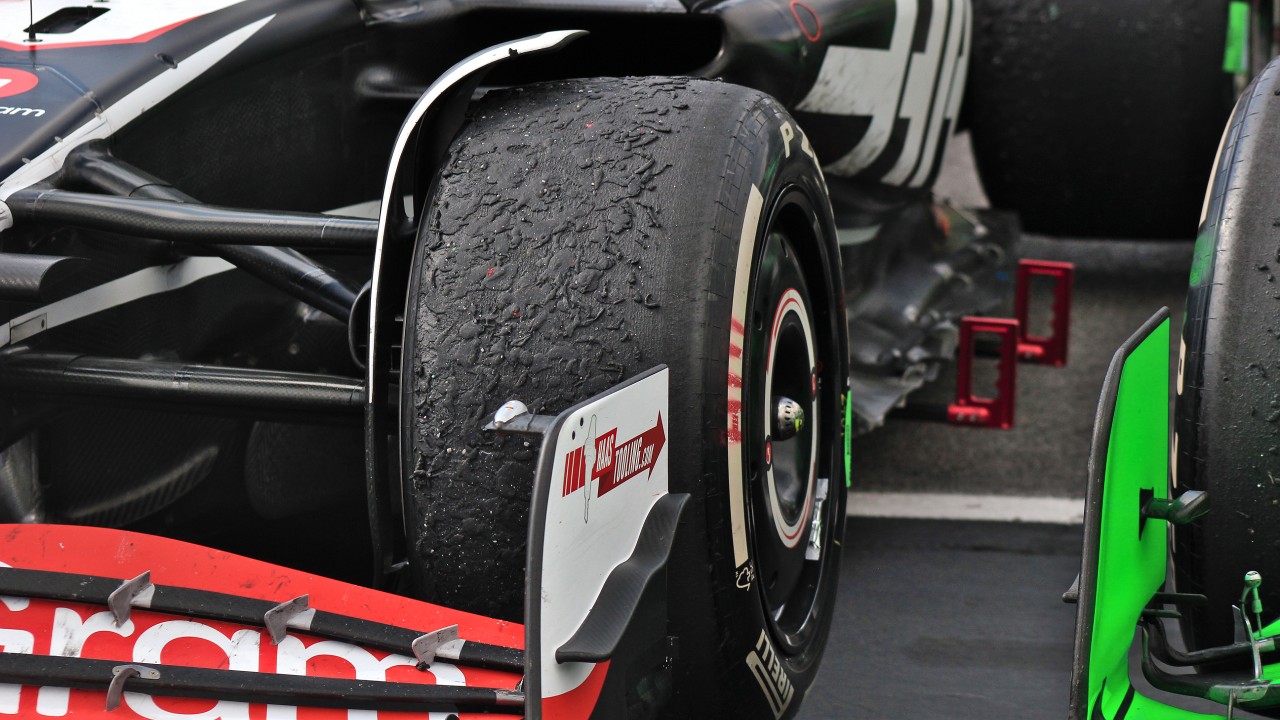
From a performance standpoint, the fundamental trade-off is brutally simple: the softer the tyre, the faster the lap time, but the faster it wears out. Fans breaking it down in an ELI5 thread capture the logic neatly, describing how a stint on a soft compound yields a burst of speed that then tails off, forcing a switch to a harder tyre to reach the finish. That rhythm of push, fade, and change is what creates windows for undercuts and overcuts, where a car on fresher rubber can leapfrog a rival that stays out too long on worn tyres.
More technical breakdowns of Tire Strategy explain that implementing the ideal plan is anything but straightforward. Degradation is not linear, so a tyre might hold steady for several laps and then suddenly lose grip, and the rate of that decline depends on fuel load, driving style, and track surface. Strategists must decide whether to pit early and switch to a harder compound, accepting slower lap times in clean air, or stretch a softer tyre in the hope that track position will offset the loss of pace. Because every car and driver combination stresses the rubber differently, there is no universal answer, which is why two front-running teams can look at the same data and choose opposite paths.
How drivers manage chaos from the cockpit
Even the best plan on the pit wall falls apart if the driver cannot keep the tyres alive. Inside the cockpit, tyre management is a constant balancing act between aggression and restraint, with drivers adjusting brake bias, differential settings, and throttle application to protect the rear tyres on corner exit. In a widely shared There explanation, fans point out that drivers can even use steering wheel buttons to tweak how the car delivers power, smoothing wheelspin so the rubber does not overheat and grain.
Because there is no traction control in the current era, as one Comments Section note stresses, every slide and every snap of oversteer is a direct hit to tyre life. That reality forces drivers to think several laps ahead, sometimes backing off in the short term to preserve grip for a critical phase later in the race. When a driver misjudges that balance, the tyres can “fall off the cliff,” leaving them vulnerable to cars that have timed their push better. From my perspective, that human element, the way a driver interprets feedback from the car and relays it to the pit wall, is where strategy either crystallizes into a winning plan or dissolves into damage limitation.
When strategy models collide with real-world randomness
Behind the scenes, teams treat tyre calls as a network problem, running simulations that map out dozens of possible race paths and pit windows. Academic-style analyses of Sep strategy decisions describe how engineers weigh options like pitting earlier for a harder compound or staying out longer on a softer one, each choice branching into scenarios labeled A, B, C, and beyond. Those models factor in expected degradation curves, traffic, and the likelihood of safety cars, but they are still approximations, and the race rarely follows the cleanest line on the spreadsheet.
What turns those models into chaos generators is the way small deviations compound over time. A driver who spends a few laps stuck behind a slower car can overheat the tyres and shift the entire stint profile, forcing an earlier stop that drops them into another pocket of traffic. Community breakdowns of Please tyre strategy emphasize how even a minor miscalculation on compound choice can snowball into a race-long struggle, especially when rivals are on a different sequence. From my vantage point, that is why no two races unfold the same way, even on circuits that look predictable on paper.
Why every weekend feels like a tyre lottery, even when it is not
To casual viewers, the constant talk of compounds, stints, and undercuts can sound like jargon, but underneath it is a simple truth: tyre strategy is where teams choose their level of risk. Some will gamble on an aggressive soft–soft–hard pattern, hoping to build a gap before the tyres fade, while others commit to a steadier medium–hard approach that banks on consistency. Guides that ask What F1 tyre compounds are and how they behave underline that each compound has a specific temperature and load window, so a strategy that looks conservative on paper can become wildly ambitious if the track evolves differently than expected.
Educational explainers, from long-form blogs to video guides like the Jul breakdown of tyre colours and usage, all circle the same conclusion: there is no single “correct” way to run a race on a given Sunday. The combination of limited allocations, compound characteristics, driver management, and real-time randomness means that every weekend is a fresh puzzle. I see that as the quiet genius of modern Formula 1, where the spectacle is not just in the overtakes but in the way four pieces of rubber can turn a meticulously planned race into a high-speed scramble for survival.
More from Fast Lane Only: