McLaren, a name synonymous with high-performance automotive engineering, faced a significant challenge when a design flaw was discovered in one of its flagship models. Rather than retreating, the company embraced the challenge, transforming what could have been a setback into an opportunity for innovation and record-breaking success.
Identifying the Design Flaw
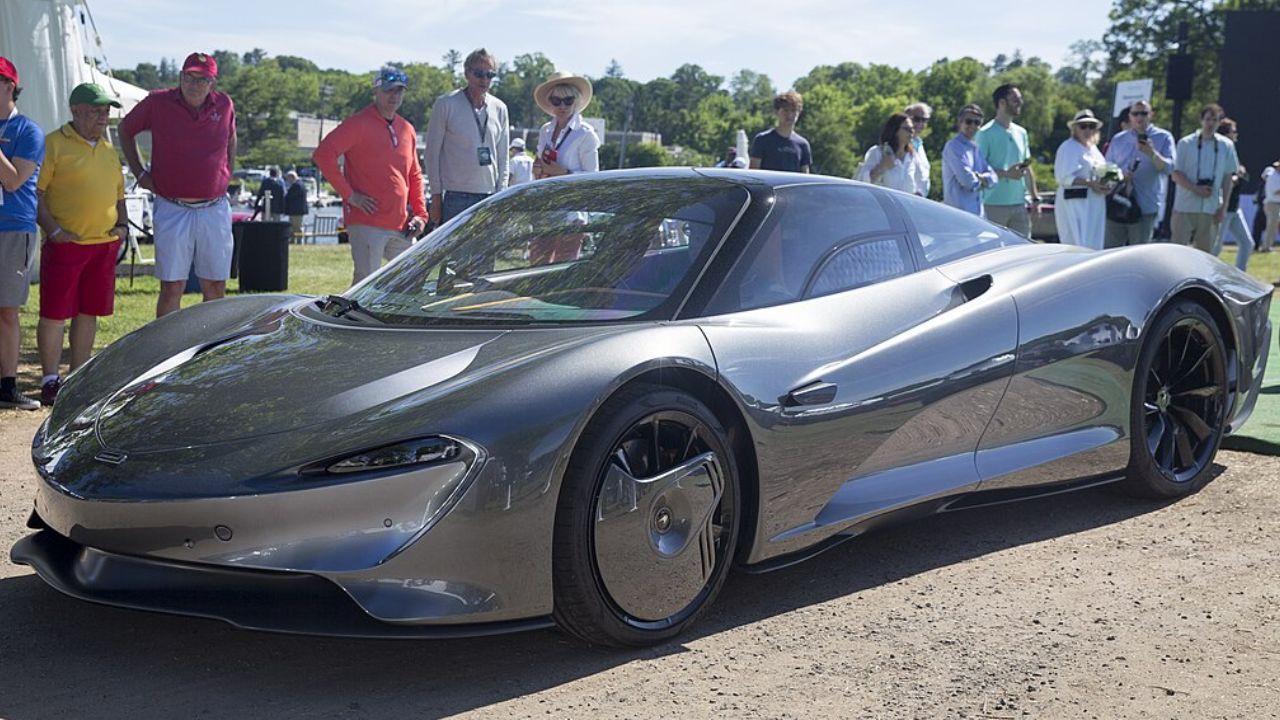
When McLaren embarked on the development of the Speedtail, the objective was clear: create a hypercar that merged luxury with extreme performance. The design team focused on aerodynamics, lightweight materials, and cutting-edge technology, aiming to produce a vehicle that would not only surpass competitors but redefine the standards of the automotive industry. However, during the rigorous testing phase, a critical design flaw was uncovered: the vehicle’s aerodynamic profile was causing instability at high speeds, which threatened both performance metrics and safety standards.
The implications of this flaw were immediate and significant. Early performance metrics indicated that the Speedtail was not meeting the projected acceleration and handling benchmarks, which could lead to a loss of credibility in a market that values precision engineering. With a launch date looming and high expectations from both consumers and the press, McLaren faced a pivotal moment that could have derailed the project entirely.
Turning a Setback into Opportunity
Instead of viewing the design flaw as a defeat, McLaren’s leadership team adopted a strategic approach that turned this challenge into an opportunity for innovation. They convened a cross-disciplinary task force composed of engineers, designers, and test drivers, fostering an environment where creative problem-solving could thrive. This collaborative effort not only focused on rectifying the flaw but also aimed to enhance the vehicle’s overall performance.
This proactive approach echoed similar instances in automotive history, such as when Ferrari faced issues with the 488 GTB. Initially criticized for its turbocharged engine’s lag, the company re-engineered the vehicle to improve throttle response, ultimately leading to it becoming one of the best-selling models in its lineup. McLaren’s culture of innovation, deeply ingrained in its corporate ethos, played a crucial role in facilitating such a turnaround, demonstrating that setbacks can serve as catalysts for groundbreaking advancements.
Innovative Solutions and Engineering Triumphs
To address the design flaw, McLaren’s engineering team meticulously analyzed the aerodynamic data and identified areas for improvement. They implemented a series of modifications, including adjustments to the car’s rear spoiler and the introduction of active aerodynamics that could adapt to driving conditions in real-time. These changes not only resolved the stability issues but also improved downforce, enhancing grip and cornering abilities.
Collaboration was key during this redesign process. The synergy among engineers, designers, and management allowed for rapid prototyping and testing, ensuring that every modification was thoroughly vetted before implementation. New materials, such as advanced composites and lightweight alloys, were also introduced, which contributed to improved performance without sacrificing safety. This integrated approach exemplified how McLaren was able to navigate a potential crisis and emerge stronger through teamwork and innovation.
Achieving Record-Breaking Performance
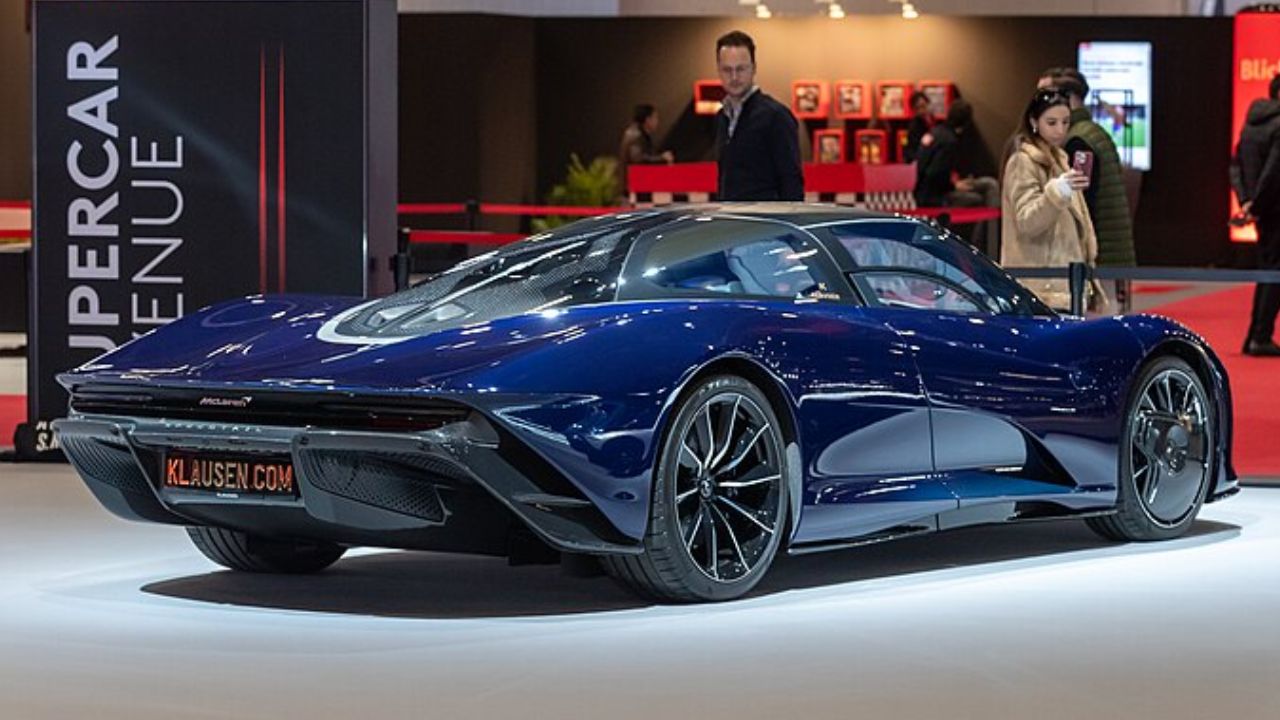
Following the engineering modifications, the Speedtail’s performance metrics surpassed initial expectations. The hypercar achieved a top speed of 250 mph, making it one of the fastest production cars in the world. Acceleration from 0 to 60 mph was clocked at just 2.5 seconds, showcasing not only the rectified stability but also the enhanced handling capabilities that had been a primary concern during the initial testing phase.
In a stunning display of its capabilities, the McLaren Speedtail set several records, including the fastest time for a production car at the Nürburgring Nordschleife. Automotive experts and members of the racing community praised the vehicle for its astonishing performance and innovative features. The Speedtail was recognized not just as a hypercar but as a testament to McLaren’s resilience and commitment to excellence. This acclaim further solidified McLaren’s reputation as a leader in automotive engineering.
Impact on McLaren’s Brand and Future Models
Overcoming the design flaw had a profound impact on McLaren’s brand identity. The company’s ability to navigate adversity and emerge with a groundbreaking product reinforced its image as a pioneer in high-performance automotive engineering. This experience served to enhance consumer trust, demonstrating that McLaren was not only committed to delivering exceptional vehicles but also willing to confront challenges head-on.
Looking ahead, the lessons learned from the Speedtail project are likely to influence McLaren’s future designs and engineering practices. The emphasis on cross-functional collaboration and a culture of innovation will continue to shape the company’s approach to new models, ensuring that they remain at the forefront of automotive technology. As McLaren prepares to unveil its upcoming models, the legacy of the Speedtail will undoubtedly inform its strategy, guiding the brand toward new heights of success.
More From Fast Lane: